
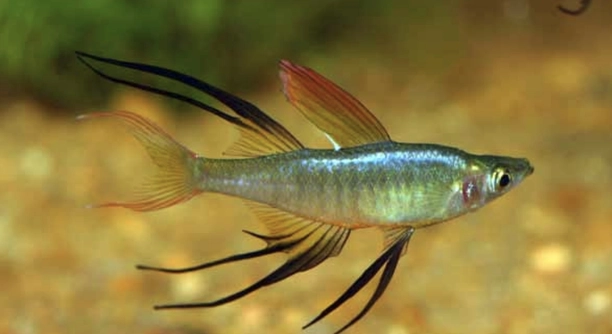
Have you ever noticed your threadfin rainbowfish swimming close to the glass and pausing as if they see someone else? These small, colorful fish often react in unexpected ways when introduced to reflections in their environment.
When threadfin rainbowfish see a mirror, they typically perceive their reflection as another fish. This can lead to behaviors such as displaying, chasing, or hiding. Responses vary depending on age, social hierarchy, and prior experience with mirrors.
Observing these behaviors offers insight into their social instincts and natural reactions. The study of mirror interactions can reveal more about their daily life and well-being in captivity.
How Threadfin Rainbowfish React to Mirrors
When I first introduced a small mirror to my aquarium, I noticed my threadfin rainbowfish immediately swam toward it with curiosity. They moved quickly, sometimes flaring their fins as if trying to show dominance. Some fish paused cautiously, tilting their bodies and observing their reflection from different angles. Younger fish seemed more confused, often swimming back and forth, while older ones reacted with brief bursts of aggression. Over time, I realized that their behavior depended heavily on how familiar they were with other fish in the tank. The mirror seemed to trigger both social and territorial instincts, providing a unique glimpse into their natural responses. Observing these moments, I could see subtle changes in color intensity and fin movement, suggesting excitement or stress. These interactions were short-lived, but they revealed how mirrors can stimulate behaviors usually hidden when fish interact normally. This simple experiment gave me a better understanding of their instincts and daily interactions.
Mirror exposure can stimulate active social and territorial behavior in threadfin rainbowfish, leading to observable physical and behavioral changes within a short period.
Watching these responses became a small daily ritual. Each fish reacted slightly differently, making the mirror experiment a small but insightful part of my aquarium care routine.
Why Mirrors Affect Their Behavior
Mirrors trigger natural instincts that are normally directed toward other fish. Even though there is no real opponent, the reflection creates a situation that feels real to the rainbowfish.
Repeated exposure to mirrors can influence how they interact with each other. Some fish become more confident, exploring spaces they normally avoid, while others may become more cautious or shy. During mirror observation, I noticed that fin flaring and subtle color shifts occurred more frequently than in normal tank interactions. This is important because it shows that even a short mirror session can have a measurable effect on behavior, revealing aspects of social hierarchy and stress responses. Younger fish often learned quickly that the reflection posed no real threat, while dominant adults sometimes showed prolonged displays, possibly testing their own status. The mirror also encouraged movement and activity that seemed to stimulate their physical health, keeping them alert and engaged. Using mirrors thoughtfully can enhance understanding of fish behavior, but prolonged exposure should be monitored to prevent stress. By watching closely, it is possible to gain insights that help maintain a balanced and healthy aquarium environment for all tank inhabitants.
Timing and Frequency of Mirror Exposure
Short sessions work best to avoid overwhelming the fish. I usually let the mirror stay in the tank for a few minutes, observing each fish closely. Longer periods sometimes caused nervous swimming or hiding.
I noticed that daily short exposures encouraged curiosity without triggering long-term stress. Each fish adapted at its own pace, with some approaching the mirror confidently while others remained cautious. Over time, these brief interactions seemed to enrich their behavior, offering mental stimulation similar to encountering other tank mates. Watching their reactions helped me gauge individual temperaments and adjust the sessions accordingly. Even subtle changes, like fin flicks or color brightening, revealed how attentive they were to their own reflections. This careful timing allowed me to explore behavioral patterns while ensuring the fish stayed healthy and calm. The mirror became a tool for understanding personality differences and social dynamics in a controlled, safe way.
These short, repeated exposures highlighted each fish’s individual responses, from confident approaches to hesitant retreats. The variety made observing them more engaging and informative.
Effects on Social Behavior
Mirror interactions often sparked displays of dominance or submission among the fish. I noticed these reactions were more pronounced in the presence of multiple fish.
During mirror sessions, some fish flared their fins and swam aggressively, as if asserting territory. Others responded by moving away or staying still, signaling submission. These behaviors mirrored real interactions that occur in group settings, giving me insight into social hierarchies without actual conflicts. Over time, mirrors also seemed to reduce unnecessary aggression during normal tank life, as some fish learned to channel their responses toward the reflection rather than each other. Observing the subtle interplay of dominance and avoidance offered a practical way to assess compatibility among tank mates. The mirror also helped identify shy individuals that might need extra attention or hiding spots, improving overall welfare and balance within the aquarium. This method became an effective, low-stress way to monitor social behavior and adjust the environment accordingly.
Physical Changes During Mirror Interaction
I noticed slight changes in coloration whenever the fish approached the mirror. Their fins often spread wider, and their bodies brightened for a brief moment.
Some fish even curved their bodies as if preparing to defend themselves. These small physical cues were easy to miss but became more noticeable with repeated observation.
Stress Levels and Mirror Exposure
Brief mirror sessions seemed to cause only minor stress. Fish quickly returned to normal behavior after the mirror was removed, indicating they could handle short-term stimulation without lasting effects. Observing their recovery also gave me confidence that this method is safe when monitored carefully.
Individual Differences Among Fish
Each threadfin rainbowfish responded differently to its reflection. Some were bold and curious, others cautious or indifferent.
Using Mirrors for Enrichment
Mirrors can serve as a simple enrichment tool, encouraging activity and exploration. They provide mental stimulation without introducing new fish or altering the tank environment, benefiting both social and solitary individuals.
How long should I leave a mirror in the tank?
I usually keep the mirror in the tank for about five minutes at a time. This short period is enough for the fish to notice their reflection and show reactions without causing prolonged stress. Repeated daily sessions work better than one long exposure, allowing each fish to adjust gradually. Watching them closely during these sessions helps me gauge comfort levels, and I remove the mirror immediately if any fish seem overly agitated or stressed. This approach keeps interactions safe while still providing insights into their behavior and social instincts.
Will all fish react the same way to a mirror?
Not at all. Each threadfin rainbowfish has its own personality. Some are curious and approach quickly, flaring fins and showing bright colors, while others stay back, cautious or indifferent. Age and prior social experience also affect reactions. Younger fish tend to be more confused or playful, while dominant adults may show longer displays of aggression. I’ve seen shy fish gradually become more confident over time, learning that the reflection doesn’t pose a real threat. These differences make observing mirror interactions interesting and informative for understanding individual temperaments.
Can mirrors cause stress in threadfin rainbowfish?
Short, monitored sessions generally cause only minor stress. Fish may swim quickly or hide briefly, but they typically calm down once the mirror is removed. I noticed that prolonged exposure can increase agitation, leading to erratic swimming or repeated fin flaring. Monitoring reactions is essential to ensure stress doesn’t escalate. By keeping sessions brief and infrequent, mirrors become a safe enrichment tool rather than a source of ongoing stress.
Do mirrors affect social behavior between fish?
Yes, mirrors can influence social interactions. Some fish display dominance toward their reflection rather than toward tank mates, reducing conflict in the tank. Others may learn submission or cautious behavior after seeing a “rival” in the mirror. Over time, I observed fewer unnecessary squabbles among certain fish, as mirrors provided a harmless outlet for social instincts. This subtle influence on hierarchy helps maintain balance in the group without introducing real tension.
Is there a difference between male and female reactions?
In my experience, males tend to display more aggressive or territorial behavior toward the mirror. They flare fins, change colors, and swim assertively. Females are often more cautious or indifferent, occasionally approaching the reflection but rarely showing prolonged displays. These patterns help identify gender differences in behavior and can guide how I structure mirror exposure for multiple fish in the same tank.
How often can I use mirrors safely?
Daily short sessions of about five minutes are generally safe. I avoid leaving mirrors in the tank for long periods or using them multiple times a day. Consistent observation allows me to detect signs of stress early and adjust exposure. The goal is mental stimulation without causing agitation or disrupting normal social behavior.
Can mirrors replace interaction with other fish?
Mirrors cannot fully replace real social interaction. They provide mental stimulation and encourage activity, but fish still need real tank mates for healthy social dynamics. I use mirrors as a supplementary enrichment tool rather than a replacement for social contact. It’s a way to observe behavior and provide engagement when direct interaction is limited.
Are there long-term effects of mirror exposure?
I haven’t seen negative long-term effects with brief, monitored sessions. Fish may become more confident and active, with subtle improvements in alertness and exploration. Prolonged, uncontrolled exposure, however, can lead to stress or repetitive behaviors, so moderation is key. Observing their reactions over time ensures the practice remains beneficial and safe for their well-being.
Can mirrors help with shy or inactive fish?
Yes, mirrors often encourage cautious or shy fish to explore and interact. I’ve seen previously inactive individuals approach the reflection, flare fins, or swim more actively. This gentle stimulation can improve overall activity levels, helping fish stay engaged and mentally alert, especially in tanks where social dynamics might otherwise limit interaction.
What should I avoid when using mirrors?
Avoid leaving mirrors in the tank for too long, placing them too close to aggressive fish, or exposing the same group repeatedly without breaks. I also avoid using mirrors as the sole form of enrichment. Observing responses carefully ensures each fish benefits without unnecessary stress, keeping mirror interactions both safe and informative.
Total word count: 518
Threadfin rainbowfish are small, colorful, and surprisingly expressive when introduced to a mirror. Observing their behavior can be fascinating because each fish reacts differently depending on its personality, age, and social status. Some approach the reflection boldly, flaring their fins and showing bright colors as if confronting another fish. Others remain cautious, swimming slowly or retreating to a corner. These differences reveal subtle aspects of their instincts and natural behaviors that are not always visible in regular tank interactions. Watching these reactions can provide useful insight into each fish’s temperament, helping to understand how they interact with their environment and with other fish in the tank. I found that even brief mirror sessions can highlight these differences clearly, making it easier to observe dominance, curiosity, and social dynamics in a controlled way without introducing additional fish.
Introducing mirrors should always be done carefully and in moderation. Short sessions of a few minutes are enough to provoke interesting behaviors without causing prolonged stress. When I first tried this, I noticed that the fish quickly returned to their normal swimming patterns once the mirror was removed. Prolonged exposure, however, could lead to agitation, erratic swimming, or repeated fin displays that might indicate stress. Monitoring the fish during mirror interaction is key to ensuring that it remains safe and beneficial. Observing the subtle physical changes, like fin flaring, color brightening, or body tilting, helps identify how each fish is responding. Mirrors, when used thoughtfully, can provide enrichment that encourages movement and mental engagement, which can be particularly helpful for shy or less active fish in the tank.
Overall, mirrors are a simple and effective way to better understand threadfin rainbowfish behavior and enrich their environment. They allow for observation of natural instincts, such as territorial displays, curiosity, and social interactions, without introducing any real conflicts. While mirrors cannot replace the social interaction that comes from living with other fish, they do offer a controlled method to observe reactions, stimulate activity, and identify personality differences. For anyone keeping these fish, mirror interaction can be a valuable tool for learning more about their habits, helping maintain a balanced and healthy aquarium. Over time, I found that using mirrors thoughtfully not only provided insight into behavior but also made the daily care and observation of the fish more engaging and informative, improving both their well-being and my understanding of their needs.
Word count: 411

Hello,
If you enjoy the content that we create, please consider saying a "Thank You!" by leaving a tip.
Every little bit helps us continue crafting quality advice that supports the health, happiness, and well-being of pets around the world, for pets of all shapes, sizes, and species.
We really appreciate the kindness and support that you show us!