
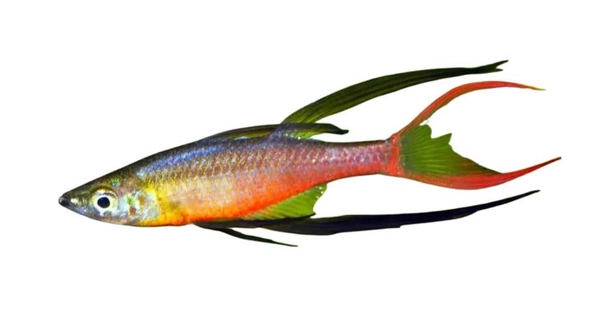
Have you ever noticed your threadfins swimming a little differently or acting less energetic than usual? Watching them day after day can make even small changes feel significant and worth paying attention to in their health.
Threadfins display several early warning signs before falling ill, including loss of appetite, changes in swimming patterns, visible lesions, fin deterioration, abnormal breathing, color fading, and increased lethargy. Recognizing these signs promptly allows for timely intervention and care.
Observing these subtle cues can help prevent serious illness and ensure your threadfins remain healthy and active in their environment.
Loss of Appetite
Threadfins often show the first sign of illness by eating less or refusing food altogether. It may start subtly, with them nibbling only a little at feeding time. Over a few days, this reduced intake can become more noticeable. When their appetite drops, it can weaken their immune system and make them more vulnerable to infections. Some threadfins may hide when it’s time to eat or seem uninterested in their usual favorite foods. Watching closely for these changes is important, as early detection can make treatment more effective. Diet plays a big role in keeping them healthy, so noticing shifts in eating habits is a key part of care. Even small changes in feeding behavior should not be ignored, as they often indicate an underlying problem that requires attention to prevent serious health issues. Observing regular eating patterns helps in identifying these early warning signs efficiently.
Loss of appetite can signal that your threadfins need immediate attention.
Reducing food intake is often accompanied by lethargy and slower swimming. Careful observation and prompt intervention can restore their normal behavior. Feeding smaller, frequent meals may help stimulate their appetite, and checking water quality ensures their environment isn’t adding to stress or illness.
Changes in Swimming Patterns
Unusual swimming behaviors are another strong indicator of stress or sickness in threadfins. They may swim erratically, float near the surface, or stay close to the tank bottom. Sudden changes in speed, direction, or group dynamics are often signs that something is wrong. Threadfins that normally swim energetically may become sluggish or isolate themselves from others. Rapid darting or bumping into tank objects can also indicate discomfort or disease. Observing these patterns daily allows caretakers to spot abnormalities quickly. Adjusting tank conditions, like water temperature or oxygen levels, can sometimes correct minor issues. However, persistent irregular swimming is a warning that veterinary guidance may be necessary. Monitoring swimming behaviors alongside feeding habits gives a clearer picture of their overall health, helping prevent complications. Keeping a close eye ensures you can respond early and protect their wellbeing.
Erratic swimming is a clear sign that something in their environment or health is off.
Changes in swimming behavior can be caused by a range of factors, including stress, water quality issues, or illness. Threadfins may hover near the surface to get more oxygen or hide in corners to feel safer. Sometimes, parasites or infections affect their muscles or nervous system, making normal swimming difficult. Observing them in groups can also help, as healthy threadfins maintain a natural rhythm and balance while moving together. When abnormal patterns appear, checking tank conditions, like temperature, pH, and ammonia levels, is essential. Feeding smaller portions and reducing stressors like sudden light changes can support recovery. If behavior does not improve, consulting a professional is crucial. Documenting these behaviors helps track changes over time and ensures timely action, protecting the health of the entire tank population.
Visible Lesions
Lesions on the body or fins of threadfins are a strong indicator of infection or injury. Small sores, red spots, or white patches can appear suddenly and may worsen if left untreated.
These visible lesions often result from bacterial, fungal, or parasitic infections. They can start as minor irritations but quickly spread, affecting the fish’s overall health. Poor water quality, stress, or injury can make threadfins more susceptible to these problems. Regularly checking your fish during feeding or maintenance helps catch lesions early. Prompt treatment, including isolating affected individuals and using appropriate medications, can prevent severe complications and limit the spread to other fish in the tank.
Lesions can also indicate deeper internal issues. If a fish shows multiple spots, swelling, or unusual discoloration, monitoring their behavior and environment is crucial. Early detection paired with proper care often improves recovery rates. Maintaining clean water and a balanced diet helps minimize the risk of recurring lesions.
Fin Deterioration
Fins that appear frayed, torn, or discolored are a sign that threadfins may be experiencing stress or illness.
Fin deterioration can result from physical damage, poor water conditions, or infections. Stress weakens the immune system, making tissue more prone to damage. Infected fins often look ragged or develop white edges. Regular observation helps identify problems before they become severe.
Once deterioration begins, it can spread if left untreated. Bacterial infections often target damaged tissue, and poor water quality accelerates fin decay. Ensuring proper tank hygiene, maintaining correct pH and temperature, and avoiding overcrowding can slow progression. Treatments may include antibacterial solutions, salt baths, or isolating affected fish for recovery. Monitoring fins alongside feeding and swimming behavior gives a clearer picture of health. Early intervention is key, as neglected fin issues can lead to systemic infection or even death.
Abnormal Breathing
Threadfins may breathe faster than usual or gasp near the surface when they are unwell. Labored or uneven breathing can signal gill irritation, low oxygen levels, or infection.
Observing breathing patterns closely helps detect issues early. Sudden changes should not be ignored, as respiratory problems can worsen quickly.
Color Fading
A noticeable loss of color in threadfins often indicates stress, poor water quality, or illness. Healthy threadfins usually display vibrant, consistent colors, so fading is a warning sign.
Color changes can also be subtle, showing as duller scales or lighter fins. Environmental factors like temperature shifts, high ammonia levels, or overcrowding contribute to this condition. Nutritional deficiencies may further weaken coloration. Monitoring water parameters, providing a balanced diet, and reducing stressors can help restore their natural appearance. Consistent observation is essential to prevent underlying issues from progressing unnoticed.
Increased Lethargy
Threadfins that spend more time resting or staying in one spot than swimming normally may be sick. Reduced activity often accompanies other warning signs and should be taken seriously.
Unusual Hiding Behavior
Excessive hiding or avoiding the group can indicate illness or stress in threadfins. Fish that normally swim openly may retreat to corners, plants, or tank decorations more frequently than usual.
FAQ
How can I tell if my threadfins are sick?
The main signs of sickness in threadfins include loss of appetite, unusual swimming patterns, visible lesions, frayed fins, abnormal breathing, color fading, increased lethargy, and excessive hiding. Observing these behaviors closely allows you to spot problems early and take action before the illness worsens.
What should I do if I notice lesions on my threadfins?
Lesions should be addressed immediately to prevent infection from spreading. Start by checking water quality, as poor conditions often contribute to skin problems. Isolate affected fish if possible and treat them with the appropriate antibacterial or antifungal medication. Monitor recovery daily and maintain a clean tank environment.
Why are my threadfins swimming erratically?
Erratic swimming can be caused by stress, poor water conditions, or internal illness. Rapid darting, floating near the surface, or staying at the bottom may indicate oxygen deficiency, parasites, or infection. Observing the entire tank helps identify patterns and triggers. Adjust water conditions and reduce stressors to improve swimming behavior.
Can poor water quality make my threadfins sick?
Yes, water that is too warm, cold, acidic, or high in ammonia and nitrites can severely impact threadfin health. Maintaining proper filtration, regular water changes, and testing pH, ammonia, and nitrite levels can prevent many common illnesses. Clean water supports immune function and overall vitality.
How do I help my threadfins regain their appetite?
Reduced feeding can be improved by offering smaller, frequent meals, introducing high-quality foods, and ensuring the water environment is stress-free. Sometimes slight adjustments to temperature or oxygen levels encourage feeding. Patience is important, as recovery may take several days depending on the underlying cause.
Why are my threadfins hiding more than usual?
Hiding is often a response to stress or discomfort. Overcrowding, sudden changes in lighting, or illness can cause fish to retreat to corners or decorations. Providing safe spaces while minimizing disturbances helps them feel secure, but persistent hiding may require further investigation into water quality or disease.
When should I consult a veterinarian?
A veterinarian should be consulted if warning signs persist, worsen, or multiple fish are affected. Unexplained lethargy, lesions, or rapid breathing often require professional diagnosis. Early intervention improves recovery chances and prevents disease from spreading throughout the tank.
Can diet affect my threadfins’ health?
Yes, a poor diet can weaken the immune system and make them more prone to illness. Providing a balanced diet rich in proteins, vitamins, and essential nutrients helps maintain strong coloration, energy, and resistance to disease. Feeding varied and high-quality foods supports long-term health.
How often should I monitor my threadfins?
Daily observation is ideal. Checking feeding behavior, swimming patterns, breathing, and interactions ensures early detection of potential problems. Even small changes noticed early can prevent serious illness and help maintain a healthy, stable environment for your fish.
Are threadfins sensitive to stress?
Threadfins are highly sensitive to environmental stress. Overcrowding, aggressive tank mates, sudden light changes, or poor water conditions can trigger illness. Keeping a calm, stable tank with proper hiding spots, clean water, and minimal disturbances helps reduce stress and maintain overall health.
What are the first steps if a threadfin becomes lethargic?
Isolate the fish if possible, check water quality, and ensure proper oxygenation. Offer small, high-quality meals and observe for other symptoms like fin damage or lesions. Lethargy often signals underlying illness, so monitoring for additional signs is crucial to determine the right treatment approach.
Can fin deterioration be reversed?
Yes, with proper care. Improving water quality, reducing stress, and treating infections can help fins heal over time. In some cases, damaged tissue may not fully regrow, but preventing further deterioration and supporting recovery is key to maintaining fish health.
How do I prevent sickness in threadfins?
Maintaining clean water, providing a balanced diet, monitoring behavior daily, and avoiding overcrowding are essential steps. Quarantining new fish before adding them to the tank reduces the risk of introducing disease. Regular observation ensures any warning signs are caught early.
Is color fading always a sign of illness?
Not always. Temporary fading can occur due to stress, water changes, or lighting adjustments. Persistent or widespread color loss often points to health issues like poor diet, illness, or environmental stress. Monitoring alongside other warning signs helps determine the cause accurately.
How long does it take for threadfins to recover from illness?
Recovery time depends on the severity of the illness, water conditions, diet, and timely treatment. Mild issues may resolve within a few days, while serious infections or stress-related conditions may take weeks. Consistent care and monitoring are essential for full recovery.
This FAQ provides practical steps and observations to help maintain threadfin health, ensuring problems are caught early and treated effectively.
Threadfins are delicate creatures that require careful attention and consistent care to stay healthy. Observing them daily is one of the simplest ways to ensure they remain active and free from illness. Small changes in behavior, appetite, or appearance can be the first signs that something is wrong. These signs often appear subtly, so taking the time to notice differences in swimming patterns, fin condition, or coloration can prevent minor problems from turning into serious health issues. Regular monitoring not only helps detect sickness early but also allows you to provide a stable environment where threadfins can thrive. A consistent routine of feeding, water maintenance, and observation builds a strong foundation for their wellbeing and can reduce the chances of unexpected illness.
Maintaining proper water quality is essential for threadfins’ health. Parameters like temperature, pH, ammonia, and nitrite levels should be checked regularly, as imbalances can quickly affect the fish’s immune system. Clean, well-oxygenated water helps prevent common problems like lesions, fin deterioration, and abnormal breathing. Providing enough space and avoiding overcrowding are equally important because stress from tight conditions can weaken their resistance to disease. Additionally, offering a balanced diet with high-quality foods supports their energy, coloration, and overall vitality. Even small improvements, like adjusting feeding schedules or adding hiding spots, can reduce stress and make the tank environment more suitable for their needs. A proactive approach to water care and nutrition ensures threadfins remain healthy and resilient against potential illnesses.
Early intervention is key when it comes to sickness in threadfins. Recognizing signs such as loss of appetite, lethargy, or color fading allows caretakers to respond quickly before conditions worsen. Treatments may include adjusting environmental factors, isolating affected fish, or using appropriate medications under guidance. Observing behavior alongside physical changes helps identify the root cause, whether it is stress, dietary issues, or infections. Consistent care and attention over time create a safer, more stable environment, reducing the risk of recurring illness. Understanding their habits, needs, and warning signs builds confidence in managing their health effectively. By staying attentive and proactive, it is possible to maintain a thriving tank where threadfins can live long, healthy lives, and the effort invested in their care pays off in the form of vibrant, energetic fish that display their natural behaviors.

Hello,
If you enjoy the content that we create, please consider saying a "Thank You!" by leaving a tip.
Every little bit helps us continue crafting quality advice that supports the health, happiness, and well-being of pets around the world, for pets of all shapes, sizes, and species.
We really appreciate the kindness and support that you show us!