
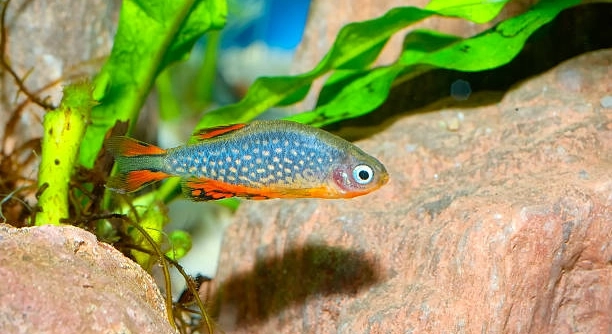
Celestial Pearl Danios are small, peaceful fish known for their shimmering spots and vibrant colors. Many aquarists enjoy watching them brighten in response to changes in their surroundings or during social interactions within the tank.
These fish display bright colors primarily due to environmental conditions, diet, and social behavior. Optimal water quality, proper nutrition rich in carotenoids, and the presence of other fish can stimulate their pigmentation, signaling health and readiness for breeding.
Observing these factors closely can help you maintain a lively and visually appealing aquarium for your Celestial Pearl Danios. Proper care enhances both their colors and overall well-being.
Environmental Triggers for Color Display
Celestial Pearl Danios respond strongly to their surroundings. Bright, stable lighting enhances their natural colors, while dim or inconsistent light can make them appear dull. Water quality also plays a key role; clean, well-oxygenated water keeps their scales shimmering. Temperature fluctuations can stress them, causing colors to fade, so maintaining a consistent range of 22–26°C is ideal. Aquatic plants and hiding spots create a comfortable environment, reducing stress and promoting vibrant displays. Even the tank’s background influences their appearance, as contrasting colors can make their spots stand out more. Observing how they react to subtle changes in the tank can help fine-tune the environment for optimal coloration. Overcrowding should be avoided because it can trigger stress and suppress bright colors. Regular maintenance, including water changes and monitoring parameters, ensures the conditions remain suitable. Feeding routines also interact with environmental factors, indirectly supporting color expression. A well-structured, calm tank consistently encourages bright, lively displays in these fish.
Proper lighting and stable water conditions directly encourage Celestial Pearl Danios to display their full color range naturally and consistently.
Balancing all environmental aspects requires attention to detail. The right combination of light, temperature, and tank layout reduces stress and allows the fish to thrive. I noticed that even small adjustments, like adding a dark substrate, made their spots pop more. Consistent routines for feeding and water changes reinforce this effect. Over time, the fish become more active, exploring plants and interacting with each other, which further highlights their colors. Observing their behavior alongside environmental tweaks helps understand what they respond to best. In my experience, providing an environment that mirrors their natural preferences yields the most vivid results. A well-maintained tank not only improves coloration but also supports overall health, encouraging natural behaviors like schooling, chasing, and gentle territorial displays. Creating a calm, enriched habitat is essential to see these small fish at their most radiant.
Dietary Influence on Color
High-quality food directly affects coloration in Celestial Pearl Danios. A diet rich in carotenoids and natural pigments intensifies reds and oranges.
Feeding small, frequent meals of high-quality flakes, pellets, or live foods supports both health and bright coloration.
Regularly offering a varied diet ensures fish receive all necessary nutrients to maintain vibrant colors. Incorporating live or frozen foods like brine shrimp or daphnia adds protein and natural pigments. Even occasional treats like bloodworms stimulate more intense displays. Avoid overfeeding, as excess food can degrade water quality, which indirectly dulls their appearance. Supplementing with plant-based foods also contributes to pigment development. Observing their response to different foods can guide choices for optimal brightness. Rotating food types while monitoring color changes helps establish the best dietary routine. I noticed that after a few weeks of consistent high-quality feeding, their spots became more prominent, and even shy individuals began showing stronger hues. A deliberate, balanced diet is crucial for sustaining vivid coloration throughout the year.
Social and Behavioral Factors
Social interactions greatly influence Celestial Pearl Danios’ coloration. Fish in groups often display brighter colors, while isolated or stressed individuals may appear dull.
I noticed that keeping at least six Danios together encourages natural schooling and hierarchy behaviors. Males display brighter colors when competing gently for space or attention, while females maintain subtler tones. Stress from aggressive tankmates or overcrowding can suppress vividness, so maintaining a balanced ratio of males to females is important. Observing these interactions allows for adjustments, like adding more hiding spots or rearranging plants, which helps reduce tension. Over time, a calm social environment brings out the best in their colors, making each fish’s pattern more pronounced.
Behavioral cues such as chasing, flaring, or synchronized swimming often signal that the fish are comfortable and healthy. These activities can trigger temporary intensifications in color, particularly in males during courtship displays or mild territorial interactions. I often watch their subtle changes during feeding and movement, which indicate both social comfort and readiness for mating.
Lighting and Tank Setup
Lighting intensity and spectrum directly affect color vibrancy. Bright, balanced light enhances pigments, while poor lighting flattens appearance.
Tank layout matters for visual contrast. Dark substrates and varied plants allow Celestial Pearl Danios’ spots to stand out naturally. Hiding spots reduce stress, promoting longer-lasting color displays. Subtle decorations or floating plants provide shade and variation, creating dynamic light patterns that make their colors more noticeable. I experimented with different background colors, noticing that neutral or darker tones highlighted their spots better than bright or reflective surfaces. Lighting schedules also matter; consistent periods of light and darkness mimic natural rhythms, which helps fish maintain their brightest colors. Adjusting light intensity gradually rather than abruptly prevents stress and color loss. A well-planned setup maximizes both comfort and visual appeal, making the Danios’ natural patterns striking and lively throughout the day.
Stress and Its Effects
Stress can quickly dull Celestial Pearl Danios’ colors. Sudden changes in water, temperature, or tank mates often trigger a faded appearance.
Observing behavior is key. Hiding, lethargy, or erratic swimming signals stress. Addressing these factors promptly helps restore both health and color vibrancy.
Water Quality and Parameters
Maintaining clean water with stable parameters is essential for bright coloration. Regular water changes, proper filtration, and monitoring pH, ammonia, nitrite, and nitrate levels prevent stress and color loss. I noticed even minor fluctuations make their spots less vibrant. Consistent temperature and soft, slightly acidic to neutral water (pH 6.5–7.5) create ideal conditions. Over time, a stable environment allows the Danios to display their full color range naturally. Avoid overcrowding, as it increases waste and stress, dulling pigment expression. Testing water regularly and adjusting as needed ensures long-term health and visually striking fish.
Seasonal and Breeding Effects
Celestial Pearl Danios may intensify colors during breeding periods. Males display brighter spots to attract females, while females show subtle changes in hue.
Observation and Interaction
Watching your Danios closely allows you to notice subtle shifts in behavior and color. Responding to these cues enhances their well-being.
FAQ
What is the easiest way to make Celestial Pearl Danios show brighter colors?
Providing a stable environment with clean water, proper lighting, and a balanced diet is the most effective approach. I found that adjusting tank décor to include plants, hiding spots, and a darker substrate also helps their spots stand out. Avoid sudden changes, as these can stress the fish and dull their colors. Maintaining social balance in the tank by keeping at least six Danios ensures natural schooling, which encourages males to display more vivid colors.
How much does diet influence their coloration?
Diet plays a major role. Foods rich in carotenoids, such as brine shrimp, daphnia, and high-quality flakes or pellets, intensify reds and oranges. I rotate foods to keep them nutritionally balanced, and even occasional live foods seem to trigger brighter displays. Overfeeding can harm water quality, so small, frequent meals are best. Plant-based ingredients also contribute to natural pigmentation, ensuring the colors stay vibrant over time.
Can stress make them lose color?
Yes, stress often causes immediate color fading. Changes in water quality, temperature fluctuations, or aggressive tankmates make them appear dull. I always watch for hiding, erratic swimming, or reduced activity as signs of stress. Addressing these issues quickly restores health and allows their natural colors to return. Providing adequate space, hiding spots, and consistent care reduces stress significantly.
Do social interactions affect their brightness?
Absolutely. Males often intensify their colors when competing gently for attention or during mild territorial displays. Females may show subtle shifts in hue in response to social dynamics. I noticed that keeping a proper male-to-female ratio and observing interactions helps ensure that all fish maintain bright, healthy colors. Isolated fish rarely show their full potential in color.
Does lighting really make a difference?
Lighting has a noticeable effect on color display. Bright, full-spectrum light enhances pigmentation, while dim or inconsistent lighting dulls their appearance. I use consistent light periods to mimic natural day and night cycles, which helps the fish maintain steady, vibrant colors. Subtle changes in lighting, combined with a dark substrate, make their spots stand out more naturally.
How does water quality impact coloration?
Water quality is critical. Stable pH, low ammonia, nitrite, and nitrate levels, along with regular water changes, prevent stress and dulling of colors. Temperature consistency between 22–26°C is also important. I regularly test the water and adjust as needed, finding that even small fluctuations can make their patterns less vivid. Proper filtration and avoiding overcrowding are essential for long-term health and coloration.
Do they change color during breeding?
Yes, breeding often triggers brighter coloration, especially in males. They display vivid spots to attract females, while females may show subtle increases in hue. I’ve noticed that during these periods, their activity and interactions also increase, which naturally highlights their colors. Providing a calm, enriched environment encourages these displays without additional stress.
Can tank setup affect their colors?
Tank décor, substrate, and background influence how colors appear. Darker substrates and neutral backgrounds make their spots more prominent, while overcrowded or reflective tanks can reduce brightness. Adding plants, hiding spots, and gentle water movement creates a comfortable environment, which encourages natural color expression. I often rearrange elements slightly to see which setup brings out the best colors.
How long does it take to see results from changes?
Color changes are usually noticeable within a few weeks after stabilizing the environment, improving diet, or reducing stress. I track their patterns daily, observing gradual improvements in both males and females. Consistency in care and patience are key. Rapid changes in lighting, water, or diet rarely yield long-term results and may even temporarily reduce vibrancy.
Is there a difference in color display between males and females?
Males generally show brighter, more intense spots, especially during social interactions or breeding. Females have subtler tones but still respond to environmental and dietary improvements. I ensure both genders have space, balanced nutrition, and minimal stress to maintain their natural coloration. Proper group dynamics help highlight the differences while keeping all fish healthy.
What are common mistakes that reduce their colors?
Overcrowding, poor water quality, inconsistent lighting, and unbalanced diets are the main factors. I’ve learned that even small oversights, like skipping water tests or sudden temperature changes, can make their spots fade. Maintaining routine care and observing their behavior ensures they remain bright and healthy consistently.
Can seasonal changes affect coloration?
Seasonal variations in light intensity and temperature can subtly impact colors. I try to maintain consistent tank conditions year-round. Using a reliable heater and controlled lighting helps minimize these effects, keeping their patterns steady regardless of external changes.
How can I encourage males to show their brightest colors?
Balanced social groups, proper nutrition, and low-stress environments are key. Males often respond to gentle competition and environmental enrichment. I found that observing their interactions and providing hiding spots allows natural displays without aggression. Ensuring females are present also triggers brighter male coloration during normal social activity.
Are there supplements that improve color?
Carotenoid-rich foods or natural color-enhancing supplements can support brighter displays, but they should not replace a balanced diet. I incorporate small amounts alongside regular meals, noticing that consistent nutrition combined with good water quality produces the best results over time. Overuse can stress the fish or impact water parameters, so moderation is essential.
Can behavior alone indicate color health?
Yes, active swimming, schooling, and interactive behavior often correlate with bright colors. Lethargy or excessive hiding usually signals stress or environmental issues. I monitor these patterns regularly, using behavior as an early indicator of potential problems affecting coloration. Consistent observation helps maintain both visual appeal and overall health.
Do tank mates influence color intensity?
Peaceful, compatible tank mates allow Celestial Pearl Danios to thrive and show their colors fully. Aggressive or overly large fish can stress them, reducing vibrancy. I keep them with small, calm species, observing interactions to ensure all Danios feel secure. A compatible community tank enhances natural displays without conflict.
How often should I adjust care routines to maintain color?
Minor adjustments in lighting, diet, or décor can be made gradually. I check water parameters weekly and observe behavior daily. Routine consistency, rather than frequent drastic changes, produces the best long-term coloration. Small, careful tweaks ensure healthy, bright fish over months and years.
Can I combine dietary and environmental strategies for better results?
Combining proper diet, stable water, suitable lighting, and social balance consistently produces the most vibrant colors. I noticed that when all factors are addressed simultaneously, the fish maintain their brightness longer and show natural behaviors, creating a visually lively tank. This holistic approach is more effective than relying on one factor alone.
Are there signs that a color change is permanent?
Permanent fading usually indicates chronic stress, illness, or poor genetics. Temporary dulling often resolves after environmental improvements. I monitor patterns over weeks, noting that recovery is possible if underlying causes are addressed promptly. Maintaining overall health is the best strategy for long-lasting, bright coloration.
Can observation improve results?
Yes, paying close attention to behavior, color shifts, and interactions allows timely adjustments. I track subtle changes daily, using them to refine diet, lighting, and tank layout. Observing your fish closely ensures they remain vibrant and healthy, and prevents small issues from affecting coloration long-term.
Celestial Pearl Danios are small fish with surprisingly vibrant personalities and colors. Their bright spots are not random—they reflect their environment, diet, social interactions, and overall health. Maintaining a clean, stable tank is essential for allowing these colors to develop naturally. Over time, I noticed that even small improvements in water quality or lighting made a noticeable difference in their appearance. Consistency in care is more effective than making frequent, drastic changes. A calm, structured environment reduces stress and encourages the fish to display their natural colors. Proper temperature, oxygenation, and water parameters create a foundation for both healthy behavior and visual appeal, while plants, hiding spots, and a balanced tank layout further enhance their natural brilliance.
Diet plays a key role in supporting their bright colors. Foods rich in natural pigments, such as carotenoids, provide the nutrients needed for reds and oranges to stand out. I found that rotating foods, combining high-quality flakes or pellets with occasional live or frozen options like brine shrimp and daphnia, gives the best results. Overfeeding or neglecting variety can dull colors, even if all other conditions are perfect. Plant-based ingredients also support natural pigmentation, and providing small, frequent meals helps avoid stress caused by poor water quality. Observing how each fish reacts to different foods allowed me to fine-tune feeding routines and notice gradual improvements in brightness. With careful attention, dietary adjustments can produce more consistent, long-lasting coloration without any artificial enhancements.
Social dynamics and environmental factors are equally important. Celestial Pearl Danios show brighter colors when interacting with other fish in a stable, balanced group. I learned that keeping at least six together, with a reasonable male-to-female ratio, encouraged natural schooling and gentle competition, which intensified their colors. Stress from aggressive tankmates or overcrowding had the opposite effect, causing fading and muted patterns. Lighting and tank setup also influence how colors appear. Bright, balanced light combined with a darker substrate and varied plants highlights their spots more effectively. Gradual adjustments, rather than sudden changes, support natural behavior and prevent stress. Paying attention to these subtle factors over time ensures the Danios remain active, healthy, and visually striking, allowing their full color potential to shine in a way that feels effortless and natural.

Hello,
If you enjoy the content that we create, please consider saying a "Thank You!" by leaving a tip.
Every little bit helps us continue crafting quality advice that supports the health, happiness, and well-being of pets around the world, for pets of all shapes, sizes, and species.
We really appreciate the kindness and support that you show us!