
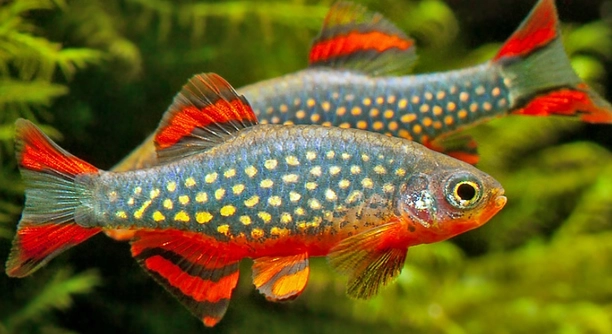
Starting a new aquarium with danios can be exciting and a little overwhelming. These small, active fish bring life and movement to any tank. Observing their behavior and environment during the first week is crucial for their well-being.
During the initial week, monitor water parameters, swimming patterns, feeding habits, interactions, stress signals, color changes, and overall health. Careful observation ensures proper acclimation, identifies early signs of illness, and establishes a stable environment for long-term survival and growth.
Paying close attention in these first days will help maintain a healthy, thriving tank and support your danios’ smooth adjustment.
Observing Swimming Patterns
Danios are naturally active swimmers, and their movement can reveal a lot about their health. In the first week, watch how they navigate the tank, whether they dart around nervously, stick to the surface, or linger at the bottom. Healthy danios should move confidently, exploring all areas. Erratic swimming or lethargy may indicate stress, water quality issues, or illness. It is also important to notice how they interact with each other while swimming. Are they schooling tightly or scattering? This behavior can provide insight into their comfort level and adaptation. Observing patterns consistently over several days allows you to detect subtle changes before problems become serious. By noting these behaviors early, you can make necessary adjustments to the environment, diet, or water conditions, ensuring the danios remain healthy and active. Swimming patterns are a window into their immediate well-being and can help prevent long-term health issues from arising.
Danios should swim in coordinated groups, showing consistent energy levels and responsiveness.
Tracking swimming closely helps identify stress signs and ensures early intervention for a balanced tank environment.
Monitoring Feeding Habits
In the first week, feeding behavior is critical to observe. Danios may initially hesitate to eat as they acclimate. Offer small portions multiple times a day and note which fish are eating and which are avoiding food. Uneven feeding can signal illness, stress, or hierarchy issues. Observing how quickly they respond to food, how they compete, and whether they spit out pellets or flakes provides valuable insight into digestive health. Adjusting feeding strategies based on these observations ensures all fish receive adequate nutrition. Avoid overfeeding, which can pollute the tank and stress the fish. Documenting these habits helps track improvements and detect early problems. Feeding routines also establish a sense of normalcy in the new environment, allowing danios to settle faster. Consistent observation ensures they adapt properly and maintain optimal energy and growth levels. Proper feeding observation is key to a stable, thriving aquarium ecosystem.
Careful feeding observation ensures all fish remain healthy and well-nourished.
Observing feeding habits gives insight into health, hierarchy, and stress, allowing prompt adjustments for proper growth and tank balance.
Checking Water Parameters
Testing water daily ensures the environment is safe for danios. Measure temperature, pH, ammonia, nitrite, and nitrate levels to catch issues early.
Stable water conditions prevent stress and disease. Sudden fluctuations can lead to lethargy, loss of appetite, or color fading. Maintaining consistent parameters helps danios settle quickly. Use a reliable test kit, record readings, and adjust with partial water changes or filtration as needed. Monitoring the tank closely allows you to react before minor imbalances become serious problems. A stable environment is essential for overall health, swimming activity, and proper feeding. Early detection of any irregularities reduces the risk of long-term complications and ensures the danios adapt well to their new habitat.
Water clarity and chemical balance directly affect their activity levels, feeding behavior, and immune response. Proper testing is essential.
Regularly checking parameters prevents illness, supports growth, and maintains consistent behavior, making the first week smoother for both fish and aquarium management.
Observing Social Interactions
Danios are social fish, so notice how they interact within the group.
Pay attention to schooling behavior, aggression, or isolation. Healthy danios swim together, displaying coordinated movement, while frequent chasing or hiding may indicate stress or dominance conflicts. Observing interactions helps identify timid or bullied individuals that may need temporary separation or more hiding spaces. Social behavior also reflects adaptation to the tank environment; calm, cohesive groups show comfort, while fragmented schooling signals anxiety. Providing proper decorations, plants, and open swimming areas encourages natural interaction. Tracking these patterns helps adjust tank setup and ensures a harmonious group. Social dynamics can influence feeding, stress levels, and long-term survival, making it important to monitor closely during the first week. Understanding these behaviors allows for timely adjustments, maintaining both individual health and group stability.
Watching interactions reveals dominance, stress, and comfort levels, allowing timely adjustments for harmony.
Consistent observation of social behavior helps prevent conflicts, supports healthy growth, and ensures a well-balanced tank environment for all danios.
Watching for Color Changes
Color intensity can indicate health and stress levels in danios.
Pale or dull colors may signal poor water quality, illness, or stress. Vibrant colors usually reflect comfort and good nutrition, so monitoring color daily helps track overall well-being.
Checking for Signs of Stress
Stress can appear as rapid gill movement, clamped fins, or erratic swimming.
Danios under stress may also hide frequently or lose appetite. Identifying stress early allows adjustments to water conditions, tank setup, or feeding routines, ensuring they settle comfortably and remain healthy.
Observing Physical Health
Look for visible signs of disease such as spots, torn fins, swelling, or abnormal growths. Early detection improves chances of recovery. Maintain cleanliness, monitor interactions, and note any sudden changes in appearance. Regular observation supports prompt care and keeps the fish in optimal condition.
Recording Daily Observations
Keeping a daily log of behavior, feeding, and water parameters helps track patterns. Consistent notes reveal subtle changes, allowing early interventions.
FAQ
How often should I check my danios in the first week?
Daily observation is essential during the first week. Check swimming patterns, feeding habits, color, and interactions. Consistent monitoring helps identify stress, illness, or water issues early. Even short, focused checks of a few minutes can make a big difference in maintaining a healthy tank environment.
What is the best way to feed danios during acclimation?
Offer small amounts two to three times a day. Start with easily digestible food such as flakes or micro-pellets. Watch for overeating or uneaten food and remove excess to prevent water contamination. Feeding slowly and in small portions allows all fish to get adequate nutrition and reduces stress.
Why are my danios hiding frequently?
Hiding is often a response to stress, new surroundings, or aggressive tankmates. Check water parameters and tank layout. Provide plants or decorations for cover. Hiding can be temporary as fish acclimate, but prolonged hiding may indicate poor water quality, illness, or bullying within the group.
How can I tell if my danios are healthy?
Healthy danios display vibrant colors, smooth fins, coordinated swimming, and active feeding. They interact socially without excessive aggression or isolation. Any sudden changes in behavior, appetite, or appearance should be noted immediately. Early detection of abnormalities ensures proper care and prevents long-term health issues.
What water parameters should I monitor most closely?
Focus on temperature, pH, ammonia, nitrite, and nitrate levels. Danios prefer stable conditions within recommended ranges. Sudden fluctuations can cause stress, illness, or death. Daily testing and partial water changes help maintain balance, especially during the first week. Proper filtration and aeration also support water quality.
How do I handle aggression among danios?
Mild chasing is normal, but constant attacks can harm weaker fish. Provide hiding spaces, adjust group size, or separate overly aggressive individuals. Observing social interactions closely allows timely interventions to reduce stress and prevent injuries. Proper tank size and decorations help maintain a balanced hierarchy.
Why are my danios not eating?
Refusal to eat is often linked to stress, new surroundings, or illness. Ensure water quality is stable and offer familiar foods. Gradually introducing food in small amounts encourages feeding. Persistent refusal may require consulting a veterinarian or adjusting tank conditions.
Can I introduce other fish during the first week?
It is best to wait until danios have settled, usually after one to two weeks. Adding new fish too soon can increase stress, trigger aggression, and disturb water balance. Ensure all new fish are healthy and compatible to avoid conflicts.
What signs indicate a disease outbreak?
Look for spots, frayed fins, bloating, labored breathing, or unusual swimming patterns. Rapid detection allows prompt treatment. Early intervention improves recovery rates and prevents disease from spreading throughout the tank. Keeping detailed records of daily observations helps identify problems quickly.
How long does it take for danios to fully acclimate?
Most danios adjust within a week, showing normal swimming, feeding, and coloration. However, some may take longer depending on stress levels, tank conditions, or individual temperament. Consistent care, stable water parameters, and observation help speed acclimation and ensure long-term health.
What should I do if water parameters fluctuate unexpectedly?
Immediate partial water changes can stabilize conditions. Check filtration, temperature, and chemical levels. Sudden fluctuations may result from overfeeding, tank overcrowding, or equipment issues. Monitoring closely and correcting imbalances promptly minimizes stress and prevents health problems.
How do I encourage natural behavior in my tank?
Provide open swimming spaces, plants, and decorations. Maintain stable water parameters and consistent feeding routines. Healthy social interaction and observation of swimming patterns indicate comfort. Encouraging natural behavior supports both physical and mental well-being for your danios.
Is it necessary to quarantine new danios?
Yes, quarantining new fish for at least a week helps prevent disease introduction. Monitor behavior, feeding, and health during this period. Quarantine reduces risk to established tank inhabitants and allows early detection of potential problems.
How important is tank size for danios?
Tank size affects swimming behavior, stress levels, and social interactions. Larger tanks allow schooling and reduce aggression. Even during the first week, observing how fish use space helps identify overcrowding or hiding issues. Proper tank dimensions are crucial for long-term health.
Can I mix danios with other species immediately?
Introducing other species during the first week is not recommended. Danios need time to acclimate and establish social hierarchies. Premature mixing can increase stress, trigger aggression, and disrupt feeding routines. Wait until danios are settled and comfortable before adding new fish.
How do I maintain water temperature consistently?
Use a reliable heater and thermometer to monitor temperature daily. Avoid sudden changes caused by drafts, sunlight, or equipment failure. Stable temperature is essential for metabolism, immune function, and overall well-being. Sudden drops or spikes can stress danios and affect behavior.
What should I do if a danio appears lethargic?
Check water parameters and tank conditions immediately. Observe feeding, swimming, and social interactions. Lethargy may indicate stress, illness, or water quality issues. Early intervention, including adjusting conditions or isolating the fish if necessary, improves recovery chances and prevents further health decline.
How can I prevent diseases in a new tank?
Maintain cleanliness, stable water parameters, and proper feeding routines. Avoid overstocking and quarantine new fish. Regular observation of behavior, swimming, and physical appearance allows early detection of problems. Preventive measures reduce stress and create a healthy environment for long-term survival.
What is the best way to track danio behavior?
Keep a daily log of feeding, swimming, interactions, color changes, and water tests. Note any unusual behavior immediately. Consistent tracking helps identify patterns, detect stress or illness early, and supports adjustments to tank conditions to ensure a healthy environment.
How much should I worry about minor changes in behavior?
Small changes are normal during acclimation, but sudden or persistent shifts may indicate stress or water problems. Monitor closely and intervene if necessary. Observing trends rather than isolated events allows accurate assessment of health and adaptation.
Are decorations necessary in a danio tank?
Yes, plants and hiding spots reduce stress, support natural behavior, and provide boundaries for social interactions. Decorations improve comfort and encourage exploration, which can be especially important during the first week as fish adjust. Proper arrangement prevents overcrowding and promotes harmony within the group.
How often should I perform water changes during the first week?
Partial water changes of 10-20% every two to three days help stabilize water chemistry. Adjust frequency based on water test results and observed fish behavior. Maintaining clean, balanced water reduces stress, prevents illness, and supports healthy growth during acclimation.
What are the signs that my danios are adapting well?
Normal swimming, active feeding, vibrant coloration, and balanced social interactions indicate successful acclimation. Consistent energy levels and minimal hiding reflect comfort. Observing these signs confirms that water conditions, feeding, and social structure support healthy adjustment to the new tank.
How important is lighting for danios in the first week?
Proper lighting supports natural behavior, feeding, and color expression. Avoid overly bright or fluctuating light that can stress fish. Gradual, consistent lighting helps danios acclimate comfortably and maintains normal activity patterns.
What should I do if one danio isolates itself?
Check water conditions and social dynamics. Isolation can indicate stress, illness, or bullying. Provide hiding spots and monitor interactions closely. If the behavior persists, consider temporary separation to prevent injury and allow recovery. Observing all fish ensures overall tank balance.
How can I encourage danios to school naturally?
Maintain stable water conditions, adequate space, and consistent feeding. Avoid overcrowding or introducing aggressive tankmates. Proper tank layout with open swimming areas and gentle current encourages coordinated schooling and reduces stress. Observing schooling behavior confirms adaptation and group cohesion.
Is it normal for danios to change behavior during acclimation?
Yes, some hesitation, hiding, or irregular feeding is expected. Gradual improvement over several days indicates proper adjustment. Persistent unusual behavior may require checking water quality, social dynamics, or health status. Early observation ensures timely interventions.
How do I know if I need to adjust tank setup?
Frequent hiding, aggression, uneven feeding, or stress signs indicate adjustments may be needed. Rearrange decorations, provide more cover, or modify swimming areas. Observing behavior in response to changes ensures a balanced, comfortable environment for all danios.
What is the most critical aspect to monitor in the first week?
Swimming behavior, feeding, social interactions, and water parameters are all essential. Consistent observation allows early problem detection, ensuring health, stress reduction, and smooth acclimation. Prioritizing these factors supports long-term success and a thriving aquarium environment.
How can I prevent bullying among danios?
Provide adequate space, decorations, and hiding spots. Observe group dynamics and separate aggressive individuals if needed. Maintaining proper stocking levels and balanced social structure reduces stress, encourages normal interactions, and promotes overall harmony in the tank.
Are there specific behaviors that indicate illness?
Rapid gill movement, clamped fins, discoloration, bloating, or abnormal swimming patterns are common indicators. Early identification allows prompt treatment. Keeping detailed notes on daily behavior ensures timely recognition and increases recovery chances.
How long should I continue daily observations?
At least the first week is critical, but continued regular monitoring supports long-term health. Adjust frequency once behavior stabilizes and water parameters remain consistent. Observing trends over time ensures a thriving, stress-free environment.
What should I do if one danio is not adapting well?
Check water conditions, feeding, and social interactions. Provide additional hiding spaces or temporary isolation if needed. Persistent problems may require consultation with an aquarium specialist. Early action improves adaptation and prevents health decline.
How do I maintain consistency in feeding and water checks?
Set a routine for the same time each day. Record feeding amounts, observations, and water test results. Consistency reduces stress for the fish and allows you to detect changes quickly. Reliable routines support acclimation and healthy growth.
What is the best way to introduce changes in the tank?
Make adjustments gradually, whether adding plants, decorations, or other fish. Sudden changes can stress danios. Observe reactions closely and proceed step by step. Gradual introductions help maintain stability and prevent behavioral or health issues.
How much space should be allocated per danio?
Provide at least one gallon of water per inch of fish. Adequate swimming space reduces stress, encourages schooling, and minimizes aggression. Observing how fish use space helps determine if additional tank adjustments are necessary for comfort and health.
What role does water flow play in the first week?
Moderate water movement encourages natural swimming behavior and helps maintain oxygenation. Avoid strong currents that can exhaust danios. Observing swimming patterns ensures the flow is appropriate and supports comfort and healthy adaptation.
How can I spot early signs of stress in new danios?
Look for hiding, clamped fins, pale colors, erratic swimming, or loss of appetite. Early recognition allows prompt correction of water, social, or feeding issues. Tracking changes daily ensures timely interventions and reduces long-term health risks.
Should I adjust lighting during acclimation?
Maintain consistent lighting, avoiding overly bright or fluctuating conditions. Gradual exposure supports natural activity and reduces stress. Proper lighting helps danios feel secure, encourages normal behavior, and allows color expression to develop during adaptation.
How do I balance social dynamics effectively?
Observe interactions daily, provide hiding spots, and ensure adequate space. Intervene if aggression or bullying occurs. Balanced group dynamics support feeding, swimming, and overall well-being. Continuous monitoring ensures all danios adapt comfortably and maintain health.
Can water temperature stress danios in the first week?
Yes, sudden temperature changes can cause stress, lethargy, or illness. Maintain stable, species-appropriate temperature. Observe behavior for signs of discomfort. Early stabilization supports acclimation and reduces risk of health problems.
How do I prevent overfeeding during acclimation?
Offer small portions and remove uneaten food promptly. Overfeeding can pollute water, increase ammonia, and stress danios. Watching feeding closely ensures all fish get adequate nutrition while maintaining water quality and tank stability.
What should I do if water tests show high ammonia or nitrite?
Perform partial water changes immediately, check filtration, and monitor readings closely. High ammonia or nitrite can stress or kill danios. Early correction minimizes risk and supports healthy adaptation during the critical first week.
How important is tank cover for danios?
Plants, rocks, or decorations provide hiding spots and reduce stress. Proper cover allows natural behavior, prevents aggression, and supports comfort during the first week. Observing how fish use these spaces informs future tank adjustments.
How long should I wait before adding new fish?
Wait until danios are settled, typically one to two weeks. Premature introductions can disrupt acclimation, increase stress, and trigger aggression. Ensuring stability before adding others maintains a harmonious environment.
Can I use medications preventively during the first week?
Preventive medications are generally unnecessary if water conditions are stable and fish are healthy. Misuse can stress danios or disrupt the tank ecosystem. Focus on observation, water quality, and feeding routines instead.
What should I do if a danio shows rapid color fading?
Check water quality, feeding, and social interactions immediately. Fading can indicate stress, poor nutrition, or illness. Early detection and corrective action improve recovery chances and maintain overall tank health.
How do I maintain long-term observation without over-stressing the fish?
Spend a few minutes each day noting behavior, feeding, and water parameters. Avoid excessive handling or disruptions. Balanced observation allows early problem detection while keeping danios comfortable and stress-free.
How can I improve acclimation if one danio struggles?
Provide extra hiding spots, ensure stable water, and monitor feeding closely. Temporary isolation may help recovery. Observing changes and adjusting care supports adaptation and maintains group harmony.
What is the role of oxygenation in the first week?
Adequate oxygen supports metabolism, feeding, and swimming. Ensure proper aeration with filtration or air stones. Observing activity and respiration helps assess whether oxygen levels are sufficient for comfort and health.
How often should I clean the tank in the first week?
Minimal cleaning is sufficient unless uneaten food or debris accumulates. Frequent water changes risk destabilizing parameters. Focus on partial water changes and monitoring to maintain cleanliness and prevent stress or illness.
Can lighting schedules affect feeding and activity?
Yes, consistent lighting encourages regular swimming, feeding, and color display. Avoid sudden changes that can stress danios. Observing behavior helps ensure the schedule supports natural activity patterns.
How can I detect subtle illness signs early?
Watch swimming, schooling, feeding, color, and fin condition daily. Small deviations from normal behavior often precede illness. Document observations to compare trends and respond quickly. Early detection improves recovery chances and maintains tank health.
What should I do if multiple danios show abnormal behavior?
Check water parameters, temperature, and social interactions immediately. Simultaneous issues may indicate tank-wide stress, poor water quality, or disease. Prompt intervention prevents escalation and supports recovery of all affected fish.
Are there behaviors that indicate complete adaptation?
Consistent schooling, regular feeding, active swimming, bright coloration, and balanced social interactions indicate successful acclimation. Observing these behaviors confirms a stable and comfortable environment for long-term health.
How important is tank maintenance during the first week?
Essential for water quality, stress reduction, and health monitoring. Partial water changes, testing, and removal of debris keep the environment stable. Proper maintenance ensures smooth acclimation and prevents early health problems.
How should I handle sudden behavioral changes?
Investigate water parameters, social interactions, and feeding patterns. Sudden changes often indicate stress or illness. Early action, such as water adjustments, hiding spots, or isolation, minimizes risks and supports recovery.
Can temperature and water chemistry interact to stress danios?
Yes, unstable temperature can amplify negative effects of pH, ammonia, or nitrite fluctuations. Maintaining both temperature and chemistry stability is crucial. Observing responses to conditions ensures adjustments can be made promptly.
How do I record observations effectively?
Use a notebook or digital log. Note swimming patterns, feeding, interactions, color, and water test results daily. Tracking trends allows early identification of stress, illness, or behavioral shifts. Consistent records support long-term health monitoring and tank management.
What is the most critical observation in the first week?
Swimming behavior, feeding, and water parameters are key. Consistent monitoring ensures early detection of stress, illness, or environmental issues, supporting healthy adaptation and long-term stability in the tank.
How do I know when to reduce observation frequency?
Once danios show stable swimming, feeding, coloration, and social behavior over several days, observation can be reduced. Continue periodic checks to maintain water quality and detect delayed issues early.
Are subtle changes in social hierarchy normal?
Yes, minor shifts occur as danios establish pecking order. Only intervene if aggression becomes harmful or feeding is disrupted. Observing hierarchy helps maintain balance and reduces stress.
How can I ensure proper schooling behavior develops?
Provide open spaces, stable water conditions, and adequate group size. Observe movement patterns daily. Encouraging coordination supports comfort, stress reduction, and healthy adaptation.
Is it normal for danios to dart suddenly?
Occasional quick movements are typical, reflecting curiosity or interaction. Excessive or frantic darting may indicate stress, poor water quality, or harassment. Monitoring frequency helps determine whether intervention is needed.
How do I maintain a healthy first-week routine?
Check water parameters, feeding, social interactions, and physical health daily. Remove uneaten food and document behavior. Consistency in care supports acclimation, reduces stress, and promotes long-term well-being.
What should I do if one fish refuses to swim with the group?
Assess water quality, social dynamics, and health. Temporary isolation may be necessary to reduce stress. Providing hiding spots and gradual reintegration encourages natural schooling and restores harmony.
How important is diet variety in the first week?
Offering a consistent, high-quality diet ensures nutrition while minimizing stress. Introducing variety gradually is acceptable once feeding stabilizes. Observing appetite and acceptance helps adjust portions and food type.
How do I know if decorations are adequate?
Watch how danios use the tank. Frequent hiding or territorial disputes indicate more cover or rearrangement is needed. Proper decoration balance encourages exploration, schooling, and reduces stress.
What role does water movement play in feeding?
Gentle currents distribute food evenly and support natural swimming. Strong currents may prevent weaker fish from eating. Observing feeding behavior helps determine whether flow adjustments are necessary.
Can lighting affect color intensity?
Yes, proper lighting enhances natural colors. Avoid overly harsh or fluctuating light, which can stress danios. Monitoring coloration daily helps assess lighting adequacy and overall well-being.
**How do I know
Final Thoughts
The first week with danios is critical for ensuring their long-term health and comfort in a new tank. During this period, careful observation of behavior, feeding, swimming patterns, and social interactions provides valuable insight into how well they are adjusting. Each fish may respond differently to a new environment, so monitoring small changes can prevent larger issues later. Stress, illness, or water quality problems often show subtle signs that can be overlooked without consistent attention. Taking the time to track these early behaviors helps establish a stable routine for both the fish and the aquarium. Simple actions like checking water parameters daily, offering small, controlled feedings, and observing group dynamics make a significant difference in acclimation. Over time, these careful practices build confidence in your ability to maintain a healthy tank and support your danios’ natural behavior and growth.
Proper tank setup and maintenance are essential for reducing stress and promoting adaptation. Water quality must be monitored carefully, as fluctuations in temperature, pH, ammonia, or nitrite can have immediate effects on the fish. Danios are sensitive to sudden changes, and even minor imbalances can affect swimming patterns, appetite, and overall health. Providing adequate space, hiding spots, and open swimming areas supports natural behavior and encourages schooling. Social dynamics are equally important; observing how fish interact helps identify potential aggression or stress. By paying close attention to these factors during the first week, you create an environment that fosters comfort and reduces the likelihood of illness. Consistency in care and maintaining stable conditions not only ensures the well-being of individual fish but also supports the long-term balance of the aquarium ecosystem.
Observing danios during the first week is not just about preventing problems; it also helps you understand their behavior and preferences. Watching how they feed, swim, and interact provides insight into their personalities and social structure. Minor adjustments in feeding routines, tank layout, or water flow can have a noticeable impact on comfort and activity levels. Recording observations daily allows you to detect trends and respond before small issues become serious. By being attentive and methodical, you can ensure that danios settle smoothly, maintain vibrant colors, and exhibit natural, healthy behavior. These first days set the foundation for a thriving aquarium and a harmonious group of fish. Establishing good practices early simplifies long-term care and ensures your danios remain active, healthy, and well-adjusted for years to come.

Hello,
If you enjoy the content that we create, please consider saying a "Thank You!" by leaving a tip.
Every little bit helps us continue crafting quality advice that supports the health, happiness, and well-being of pets around the world, for pets of all shapes, sizes, and species.
We really appreciate the kindness and support that you show us!