
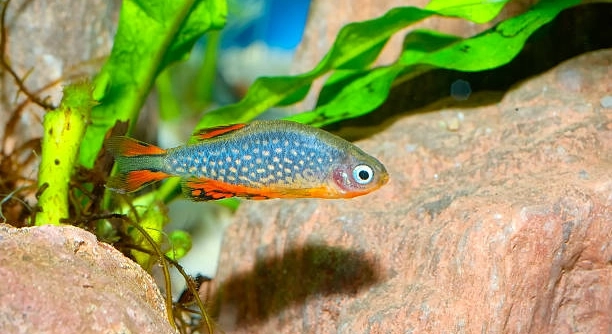
Do you ever find yourself unsure about feeding your danios when their routine feels slightly off and their behavior seems different, leaving you wondering if skipping a feeding could sometimes support their comfort and stability.
Skipping danio feedings is appropriate when their environment or health is temporarily compromised. Reduced water quality, recent tank changes, visible stress, or signs of illness can make feeding unsafe. Withholding food during these conditions helps prevent complications and supports recovery.
These moments highlight how small adjustments in feeding habits can protect your danios and create a rhythm in their environment.
Water Quality Issues
When water quality drops, skipping danio feeding becomes a simple way to protect their health while you work on restoring balance in the tank. Poor conditions place extra stress on their bodies and make it harder for them to process food. Feeding during these moments can increase waste, raise ammonia, and worsen the situation, especially if your danios are already showing mild signs of discomfort. I always find it helpful to pause feeding until the water is stable again, because it keeps the tank from slipping further out of balance. This short break will not harm healthy danios since they can comfortably handle brief fasting periods. Once parameters return to normal, you can reintroduce small meals and watch their behavior to be sure they respond well. This approach keeps them safe, reduces unnecessary strain, and supports a cleaner environment that encourages steady recovery.
Skipping feeding protects danios by reducing excess waste while you restore the tank to stable and supportive conditions.
Once the water is corrected and stable, reintroducing food in smaller portions helps your danios readjust without overwhelming their environment. Keeping an eye on their swimming patterns, appetite, and breathing will guide you in returning to a comfortable feeding rhythm. These simple steps help maintain a cleaner tank and support long-term comfort for your fish.
Signs of Illness
When danios show symptoms like lethargy, loss of appetite, or trouble swimming, withholding food can help reduce strain on their digestive system while you focus on improving water conditions and identifying the cause. A short pause gives them space to recover without added stress.
Illness can make feeding risky because weakened danios may struggle to digest food properly or ignore it altogether, allowing leftovers to decay and pollute the tank. By skipping feeding during this time, you lower the chances of worsening water quality and give your fish a chance to stabilize. Observing their behavior closely helps you notice small improvements, such as increased activity or renewed interest in their surroundings. Once these signs appear, you can restart feeding with small portions that are easy to manage. Taking a calm and steady approach supports healing, keeps the environment cleaner, and helps your danios regain strength at a gentle pace.
Stress After Transport
Stress from recent transport makes feeding risky for danios because their bodies need time to settle before handling digestion. Skipping a meal allows them to regain stability while you monitor their breathing, swimming, and overall comfort in the new environment.
Giving danios time to adjust after transport prevents unnecessary strain on their digestive system and keeps the tank cleaner during a sensitive moment. Their stress levels may cause them to ignore food, which leads to uneaten pieces breaking down and affecting water quality. Allowing a short pause supports calmer behavior and gives them space to adapt at their own pace. Once they begin swimming confidently and interacting with their surroundings, you can reintroduce small amounts of food and watch their response. This soft approach helps them feel secure, reduces tension, and protects the tank from sudden disruptions while they settle in.
Returning to feeding gradually gives you a chance to observe how well they adapt to the new environment. Stable swimming patterns, steady breathing, and a relaxed posture indicate they are ready for small meals again. Keeping the portions light helps them ease back into their routine without overwhelming their system. This approach supports their comfort and maintains a calmer, cleaner space within the tank until they fully regain balance.
After Major Tank Maintenance
Large maintenance sessions can disturb beneficial bacteria, stir debris, and leave danios unsettled. Skipping feeding helps prevent waste buildup during this delicate period and gives the tank time to regain stability while you monitor your fish for signs of normal behavior.
Once filtration settles and the water clears, reintroducing food carefully helps prevent overwhelming the tank while it rebalances. Offering smaller portions lets you track how your danios respond without adding stress to the environment. Their behavior during this time tells you a lot about their comfort. If they swim steadily and show interest in their surroundings, you can slowly increase feeding amounts. Taking this steady approach protects their health, encourages stable water conditions, and helps your danios return to a comfortable rhythm without unnecessary strain.
Aggressive Tankmates
Aggressive tankmates can cause danios to hide or move unpredictably, making feeding unsafe. Skipping a meal prevents food from being scattered or ignored during stressful moments and reduces the chance of leftovers breaking down and affecting water conditions.
Allowing a short pause also helps you observe their behavior without adding extra activity. Once the environment feels calmer and your danios begin swimming more confidently, you can resume feeding with small portions that match their comfort and activity level.
During Medication Treatments
Medication treatments can affect appetite and digestion, so feeding during this time may place unnecessary strain on your danios. Skipping a meal helps avoid leftover food interfering with the treatment or clouding the water. Allowing their system to rest supports the medication’s effectiveness and keeps the tank cleaner. Once treatment ends and their behavior appears more stable, you can slowly reintroduce food in gentle portions.
Extreme Temperature Fluctuations
Temperature swings make digestion harder for danios, so withholding food prevents stress while the tank returns to stable conditions. Once the temperature is corrected and their swimming becomes steady again, you can resume light feeding and watch their response.
FAQ
How long can danios go without food?
Danios can comfortably go without food for one to two days without harm. Their metabolism allows short fasting periods, especially during mild stress, water changes, or minor illness. Skipping one meal occasionally is safe and can prevent overfeeding or water quality issues.
Will skipping feeding affect their growth?
Occasional skipped meals do not impact their growth if their diet is balanced otherwise. Danios absorb nutrients efficiently, and a brief pause gives them time to recover from stress or environmental changes. Consistency matters more than skipping a single feeding.
Can skipping feeding help with water quality?
Yes. Uneaten food can decay, raising ammonia and nitrite levels. Skipping feeding during sensitive periods, like post-maintenance or after medication, reduces waste and keeps the tank safer. This also supports beneficial bacteria recovery in newly cleaned or treated tanks.
Is fasting stressful for danios?
Short-term fasting is generally not stressful. They are adapted to periods without food in the wild. The key is limiting it to a day or two and ensuring water conditions remain stable during the break.
How do I know if they are ready to eat again?
Look for steady swimming, normal activity, and curiosity in their environment. Danios returning to regular patterns usually tolerate food well. Start with small portions to ensure they digest comfortably without leaving excess food behind.
Should I skip feeding if they appear sick?
Yes, skipping feeding is advisable if danios are lethargic, have clamped fins, or show other signs of illness. Their digestive systems are sensitive during illness, and withholding food helps reduce strain while treatment or recovery takes place.
How often should I intentionally skip feeding?
Intentional fasting can be applied occasionally, such as once a week, but only if environmental conditions or stress factors warrant it. Regular feeding remains the priority, but strategic breaks help maintain tank health.
Does skipping feeding help after adding new fish?
Yes, new fish can increase stress and disrupt established hierarchies. Skipping feeding for a short period allows all tank inhabitants to settle without competition over food, minimizing aggression and ensuring a calmer adjustment phase.
Can skipping feeding prevent overfeeding?
Absolutely. Overfeeding is a common mistake and contributes to water pollution. Planning short breaks or monitoring food portions ensures danios receive adequate nutrition without leftover waste, promoting healthier water and fish.
What precautions should I take during skipped feedings?
Always monitor water quality and observe fish behavior closely. Ensure filtration and temperature remain stable, and reintroduce food gradually once conditions and fish behavior normalize. Avoid extending fasting beyond two days without careful observation.
How do I reintroduce food after a skipped feeding?
Start with small, easily digestible portions. Observe how much they eat and remove any leftovers promptly. Gradually return to the normal feeding schedule, ensuring danios adjust without causing water issues or digestive strain.
Can skipping feeding help during tank maintenance?
Yes. Large water changes or filter cleaning disturb bacteria and can temporarily raise stress. Skipping feeding prevents leftover food from adding to waste and allows the tank to stabilize while fish adjust to subtle environmental changes.
Are all danios the same with fasting?
Individual fish may react differently. While most handle short breaks well, some may be more active eaters or sensitive to stress. Monitoring each fish helps ensure skipped feedings are safe and effective.
What should I avoid during skipped feeding periods?
Avoid adding extra supplements or treats, changing multiple tank parameters simultaneously, or extending fasting unnecessarily. Keep conditions calm, stable, and predictable to prevent additional stress while your danios adjust.
Can skipping feeding improve digestion?
Yes, occasional breaks can allow the digestive system to clear fully, preventing constipation or bloating. This is especially helpful if you notice overfeeding or if their diet includes heavy, protein-rich foods.
How do skipped feedings affect social behavior?
Short-term fasting generally has little effect on social interactions. Danios may remain curious and active. However, during longer or poorly timed breaks, stress can make them more cautious or prone to hiding until food returns.
What signs indicate I should end the skipped feeding early?
If danios appear unusually lethargic, develop abnormal breathing, or show severe signs of stress, reintroduce small amounts of food and ensure water quality is stable. Prolonged fasting under these conditions can do more harm than good.
Are there alternatives to skipping feeding for stress management?
Yes. Reducing crowding, providing hiding spots, and maintaining stable water parameters can alleviate stress without removing food. Skipping feeding is one tool among several to support their health during challenging times.
How often is skipping feeding recommended long-term?
Long-term, occasional skipping is safe if environmental or health conditions require it. Routine fasting without reason is unnecessary. Prioritize consistent feeding while using breaks strategically to maintain water quality and fish comfort.
Does skipping feeding affect tank mates differently?
Other fish may react differently to skipped meals depending on species, size, and metabolism. Observe all inhabitants to ensure that temporary fasting does not create imbalance or encourage aggression among tank mates.
What is the best approach for new danios in a tank?
Introduce them slowly, monitor behavior, and consider a short skipped feeding if stress appears. This allows all fish to adjust, prevents competition, and ensures a smooth integration period while water and social dynamics stabilize.
How long should I wait before resuming normal feeding?
Resume normal feeding once water parameters are stable and danios show steady, active behavior. Typically, one or two skipped meals are sufficient. Gradually increase portion size to avoid overwhelming the digestive system or water quality.
Can skipping feeding help with medication timing?
Yes. Skipping feeding prevents leftover food from interfering with the effectiveness of medications. It also reduces digestive strain while danios process treatment, ensuring better absorption and cleaner water during sensitive periods.
What is the overall benefit of skipped feedings?
Skipped feedings, when used strategically, protect digestive health, support water quality, reduce stress, and give fish time to recover from environmental changes or illness. Proper observation ensures these breaks are safe, temporary, and beneficial for both danios and the tank ecosystem.
This FAQ section provides detailed guidance to help manage danio feeding safely, maintaining both fish health and a stable aquarium environment.
Final Thoughts
Taking breaks from feeding your danios is a simple yet effective way to support their health and the overall balance of your tank. While it may feel counterintuitive to skip a meal, short periods without food allow their digestive systems to rest and help prevent overfeeding, which is a common cause of water quality problems. In many situations, such as after tank maintenance, during stress from new tankmates, or when water parameters fluctuate, withholding food temporarily reduces the strain on both your fish and the environment they live in. Observing their behavior during these periods is important. Signs like steady swimming, relaxed fins, and normal breathing indicate that the pause is not harming them and is helping the tank maintain stability. By using skipped feedings strategically, you can maintain a cleaner, healthier tank without putting your danios at risk.
It is also important to remember that danios are hardy fish that can tolerate short fasting periods, typically one to two days, without negative effects. Unlike some species, they are adapted to occasional breaks from food, which can even improve their digestive efficiency and reduce instances of bloating or constipation. Skipping feeding should always be accompanied by careful monitoring of water parameters, including ammonia, nitrite, nitrate, and temperature, to ensure conditions remain safe. Even during these breaks, maintaining a stable environment with proper filtration and aeration is essential. Gradually reintroducing food once conditions stabilize allows your fish to adjust without overwhelming their digestive system or disturbing the water quality. Small, manageable portions are ideal at first, helping them return to their normal routine while giving you a chance to observe their appetite and overall health. This careful approach supports long-term well-being and reinforces the importance of proactive care in aquarium management.
Ultimately, understanding when and why to skip feeding is part of responsible danio care. It is a strategy that balances the needs of the fish with the demands of maintaining a healthy tank. Skipping meals occasionally is not neglect; rather, it is a thoughtful adjustment that can prevent problems before they occur. Whether the pause is due to stress, illness, or environmental changes, it is a small but meaningful step in ensuring your danios thrive. By paying attention to their behavior and adapting feeding practices as needed, you create an environment that is stable, supportive, and conducive to long-term health. Regular observation, careful portioning, and thoughtful decision-making all work together to maintain a happy, active, and healthy school of danios in your aquarium.

Hello,
If you enjoy the content that we create, please consider saying a "Thank You!" by leaving a tip.
Every little bit helps us continue crafting quality advice that supports the health, happiness, and well-being of pets around the world, for pets of all shapes, sizes, and species.
We really appreciate the kindness and support that you show us!