
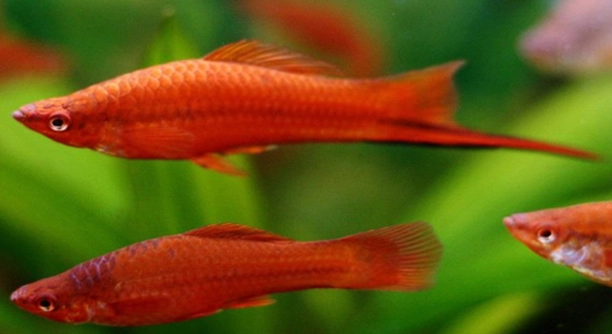
Swordtail fry require specific care when it comes to feeding. Providing the right nutrition is essential for their growth and health. It is important to ensure they receive the proper food for their small size and developmental needs.
To feed swordtail fry safely, you should offer foods that are finely crushed or specially designed for baby fish. Options include high-quality fry food, baby brine shrimp, and finely crushed flake foods. These will support their growth and development.
Proper feeding techniques will help swordtail fry grow into strong and healthy adults. Understanding the right foods ensures they thrive in your care.
Choosing the Right Food for Swordtail Fry
Feeding swordtail fry requires selecting food that meets their tiny nutritional needs. At this stage, they need protein-rich foods to encourage healthy growth. Options like freshly hatched brine shrimp and specialized fry food are ideal because they are small enough for the fry to consume. You can also use finely crushed flake food, which provides a balanced mix of nutrients. Ensuring variety in their diet will keep them strong and promote steady development. Offering these foods several times a day helps them grow at a healthy rate.
Small, frequent feedings help prevent overfeeding. Leftover food can pollute the tank, harming the fry’s health. It is essential to clean up excess food after each feeding. This practice ensures a safe and clean environment for your fry to thrive in.
Swordtail fry can be particularly sensitive to water quality. Uneaten food can quickly degrade water conditions, leading to poor health. Keeping a clean tank and providing the right food is essential to successful care. It will help ensure your fry grow strong and healthy without complications.
Preparing Food for Swordtail Fry
For swordtail fry, food needs to be small enough to fit into their mouths. Most specialized fry foods come in powdered or liquid form, which makes it easier for them to consume. By choosing food that suits their size and digestive capabilities, you ensure proper nourishment.
Feeding swordtail fry involves offering food they can consume within a few minutes. Any leftover food should be removed to prevent fouling the water. Keeping the tank clean is vital, as swordtails thrive in stable conditions.
Types of Food for Swordtail Fry
Swordtail fry benefit from a variety of foods. Baby brine shrimp and infusoria are excellent choices. These foods are small and nutrient-rich, supporting growth and development. You can also feed them finely crushed fish flakes or specialized fry food, which is easy for them to digest.
Freshly hatched brine shrimp are one of the best options for swordtail fry. They provide protein that aids in muscle development and overall growth. If you cannot hatch brine shrimp at home, frozen versions work too. This food is particularly beneficial during the first few weeks of life. It’s important to feed them several times a day to ensure they get the nutrients they need to grow.
Other food options include finely crushed flake food and micro-worms, which are good for young fish. These can be fed in combination with brine shrimp for balanced nutrition. As the fry grow, they may begin eating larger foods, but these options provide a solid foundation for their early development.
Feeding Frequency for Swordtail Fry
Feeding swordtail fry often is important for their growth. At this stage, their small stomachs require frequent feedings, around 3-4 times a day. Offering them small amounts at regular intervals will ensure they get the necessary nutrients without overfeeding.
Overfeeding swordtail fry can lead to water quality issues. Uneaten food can decay quickly, polluting the tank and harming the fry. It is important to monitor feeding carefully. Each feeding should last no more than a few minutes. Once the fry have eaten, any leftover food should be removed. This helps maintain water quality and reduces the risk of disease.
Swordtail fry grow quickly, so maintaining a consistent feeding schedule is vital. By ensuring they have access to food several times daily, you give them the best chance to develop into healthy adults. Monitoring their food intake will help you avoid common issues like overfeeding and water contamination.
Signs of Overfeeding Swordtail Fry
Overfeeding swordtail fry is a common mistake. If you notice uneaten food floating in the tank or cloudy water, it’s likely a sign of overfeeding. The fry may also appear lethargic or have trouble swimming due to poor water conditions.
To prevent overfeeding, be mindful of how much food is being offered. Swordtail fry will eat as much as they can, but it’s important to only offer small portions that they can consume in a few minutes. Monitor the tank after each feeding to remove any leftover food promptly.
Keeping a close eye on feeding times and the tank environment helps you avoid overfeeding and ensures the fry remain healthy and active. If you notice any issues with water quality or the fry’s behavior, adjust the feeding schedule accordingly.
Water Quality for Swordtail Fry
Maintaining high water quality is crucial for the health of swordtail fry. Regular water changes, around 20-30% of the tank volume every week, help keep the water clean and free from harmful toxins. This helps prevent diseases and promotes healthy growth.
It’s also important to monitor the water temperature and pH levels. Swordtail fry thrive in water temperatures between 75-80°F and a pH range of 7.0-8.0. Use a reliable water testing kit to ensure these levels are stable. Proper filtration is key to keeping the water clean, but make sure the filter is gentle enough not to harm the fry.
Alternative Food Options for Swordtail Fry
If you’re looking to diversify your swordtail fry’s diet, there are a few alternative options. Micro-worms and vinegar eels are great for small fry and can be easily cultured at home. They are a good source of protein and very nutritious.
These alternative foods help provide variety and ensure your fry get all the nutrients they need for healthy development. Offering a mix of brine shrimp, finely crushed flakes, and these options can prevent the fry from becoming picky eaters and promote strong growth.
FAQ
How often should I feed swordtail fry?
Swordtail fry need to be fed multiple times a day, typically 3 to 4 times. This frequency ensures they get enough nutrients to support their rapid growth. Offering small portions of food at regular intervals throughout the day will help prevent overfeeding and maintain water quality. After feeding, remove any uneaten food within a few minutes to avoid contamination of the tank.
Can I feed swordtail fry only brine shrimp?
While brine shrimp are an excellent food for swordtail fry, feeding them exclusively is not ideal. A varied diet is essential for balanced nutrition. In addition to brine shrimp, you should provide finely crushed flake foods, micro-worms, and other protein-rich foods. This helps ensure the fry receive all the nutrients needed for healthy development. A variety of foods also reduces the risk of nutritional deficiencies.
What is the best food for swordtail fry?
The best food for swordtail fry includes freshly hatched brine shrimp, specialized fry food, and finely crushed fish flakes. These foods are small enough for the fry to consume easily and provide the necessary nutrients for their growth. You can also consider offering infusoria or micro-worms, which are rich in protein and ideal for young fry. Rotating these food options will give your fry a balanced diet.
Can I feed swordtail fry adult fish food?
Adult fish food is not suitable for swordtail fry because it is too large and lacks the nutrients required for their early development. Fry need small, finely ground food to meet their needs. Adult fish food may also be too high in fat and protein, which could harm their growth. Stick to specialized fry foods or finely crushed flakes to ensure they get the right nutrients.
How long should I feed swordtail fry baby food?
You should feed swordtail fry baby food, such as finely crushed flakes or brine shrimp, until they are about 3-4 weeks old. At this point, they can begin transitioning to larger foods, such as finely chopped adult fish food. Gradually introduce these foods, as sudden changes can lead to digestive issues. Continue feeding smaller portions of baby food until the fry can easily consume adult-sized food.
What happens if I overfeed swordtail fry?
Overfeeding swordtail fry can lead to water quality problems. Uneaten food decays quickly, causing ammonia and nitrite levels to rise, which can stress or even harm the fry. Excess food can also lead to bloating in the fry, making them less active. To prevent overfeeding, monitor your fry’s intake closely and remove any leftover food within a few minutes of feeding. Clean the tank regularly to maintain optimal water conditions.
What type of water is best for swordtail fry?
Swordtail fry prefer clean, fresh water that is free from chemicals and contaminants. It’s essential to perform regular water changes, about 20-30% of the tank volume per week, to keep the water quality high. Make sure to use dechlorinated water, as chlorine can harm the fry. Maintaining a stable temperature between 75-80°F and a pH level between 7.0-8.0 is also crucial for their health. Regularly test the water to ensure these levels remain consistent.
How do I prevent swordtail fry from getting sick?
The best way to prevent swordtail fry from getting sick is to maintain high water quality. Perform regular water changes, keep the tank clean, and monitor water parameters. Avoid overfeeding, as leftover food can cause water contamination. Additionally, avoid introducing sick fish or non-quarantined plants into the tank. A clean, stable environment reduces the likelihood of diseases and ensures the fry grow up healthy.
When can swordtail fry be moved to a larger tank?
Swordtail fry can be moved to a larger tank once they have grown large enough to avoid being eaten by adult fish. This typically happens around 6-8 weeks of age. Before moving them, make sure they are strong enough to handle the new environment and have acclimated to the water conditions. Ensure the larger tank has plenty of hiding places to help them feel secure as they continue to grow.
How can I tell if my swordtail fry are healthy?
Healthy swordtail fry are active, swimming around the tank, and have clear, bright eyes. They should be steadily growing and developing their fins and tails. If the fry are lethargic, have faded colors, or appear to be struggling to swim, they may be sick or stressed. Monitor their behavior and water conditions closely, and remove any weak fry to prevent the spread of illness.
Do swordtail fry need special lighting?
Swordtail fry do not require special lighting, but a consistent light cycle is important. Keep the tank on a 12-hour light/12-hour dark cycle to mimic natural day and night conditions. This helps regulate their growth and supports a healthy environment. Ensure the light is not too bright, as intense lighting can cause stress, particularly for young fry.
Final Thoughts
Feeding swordtail fry properly is essential for their healthy growth and development. Offering the right types of food in the correct amounts will help ensure the fry thrive. Start with foods like finely crushed flakes, freshly hatched brine shrimp, and micro-worms, all of which provide the necessary nutrients for growth. It’s important to feed small portions multiple times a day and to remove any uneaten food promptly to prevent water quality issues. A varied diet will help the fry grow strong, and it’s crucial to avoid overfeeding, which can lead to poor water conditions and potential health problems.
Maintaining good water quality is just as important as feeding the fry properly. Swordtail fry are sensitive to changes in water conditions, so regular water changes are essential to keep the environment clean. Testing the water for ammonia, nitrites, and pH levels will help ensure the tank remains safe for the fry. A temperature range of 75-80°F is ideal for swordtail fry, and using a gentle filter will help keep the water clear without harming them. Remember that a stable and clean tank will encourage the fry to grow into healthy, active adults.
As your swordtail fry grow, it’s important to monitor their development closely. Once they reach about 6-8 weeks of age, they can be moved to a larger tank if necessary. Keep an eye on their behavior and physical appearance to ensure they are progressing well. If you notice any issues such as lethargy, fading colors, or difficulty swimming, check the water quality and consider adjusting their diet. By following these simple guidelines, you’ll have healthy swordtail fry that will grow into strong, vibrant adults.

Hello,
If you enjoy the content that we create, please consider saying a "Thank You!" by leaving a tip.
Every little bit helps us continue crafting quality advice that supports the health, happiness, and well-being of pets around the world, for pets of all shapes, sizes, and species.
We really appreciate the kindness and support that you show us!