
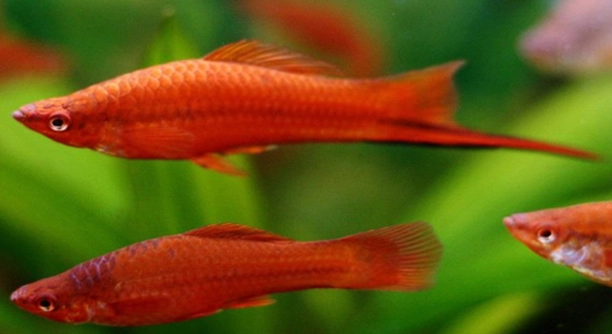
Are your swordtails looking a little off? Healthy swordtails are vibrant, active, and full of life. Knowing how to spot the signs of a healthy fish can make a big difference in maintaining their well-being in your tank.
To ensure your swordtail’s health, focus on its appearance, behavior, fins, and environment. Healthy swordtails should have clear eyes, smooth scales, and be actively swimming. Consistent water quality, proper diet, and regular tank maintenance also play a significant role.
Taking care of your swordtail’s environment and habits will help prevent many common health issues. Learning these simple signs will allow you to provide better care for your fish.
Appearance and Color
Swordtails are known for their bright, vibrant colors. Healthy swordtails should have clear, glossy eyes and smooth, undamaged scales. Their coloration, which can range from red to yellow, should be even across their body, with no signs of fading or discoloration. If the colors appear dull or patchy, it may indicate stress or poor health. You might also notice that healthy swordtails are lively, constantly moving and interacting with their tank environment. When they are sick, their colors can become faded or uneven, and they may spend more time hiding or sitting still at the bottom of the tank.
When inspecting your swordtail, also look for any unusual spots or lesions. If you spot any, this could be a sign of a bacterial or fungal infection that needs immediate attention.
A swordtail’s appearance is often the first indication of its health. Regular checks will help you catch any changes early and ensure your fish stays healthy and vibrant.
Behavior and Activity Level
Swordtails are active swimmers, constantly moving around the tank. Healthy swordtails engage in regular movement patterns, swimming freely and energetically. If your fish is lethargic or spends most of its time at the tank’s bottom, it could signal a health issue, such as a water quality problem or an internal infection.
Keeping an eye on their swimming habits will help you notice any significant shifts that might indicate discomfort or illness. Active fish are more likely to eat and interact with other tank mates, making their behavior an important health indicator.
It’s crucial to observe them regularly to detect any sudden changes. If your swordtail begins swimming erratically or isolates itself, the cause could be anything from stress to a water imbalance, and addressing these issues sooner can prevent further harm.
Fins and Body Condition
A healthy swordtail should have well-formed fins that are not torn, clamped, or ragged. Healthy fins are fully extended when swimming, allowing the fish to move smoothly and easily. If you notice the fins are constantly clamped against the body or there are visible tears, it could point to fin rot or another form of infection. Regularly check the swordtail’s body for any unusual bumps or swelling, as these can be signs of parasites or internal issues.
The swordtail’s body should also feel firm, not soft or bloated. Bloating can occur due to digestive problems or disease. In some cases, you might notice your swordtail’s body becoming thin, which may be a sign of malnutrition or a parasite. Always ensure they have a proper, balanced diet and clean water to prevent these conditions.
Paying attention to the swordtail’s overall physical condition is crucial for detecting health problems early on and maintaining their well-being.
Water Quality and Tank Conditions
The quality of the water is one of the most important factors in keeping swordtails healthy. These fish are particularly sensitive to water changes, and poor water conditions can lead to stress, infections, and even death. Regular water changes, maintaining proper filtration, and monitoring water parameters like temperature, pH, ammonia, nitrites, and nitrates are key to a healthy aquarium. Swordtails thrive in temperatures ranging from 72°F to 82°F, and the water should have a slightly acidic to neutral pH.
Poor water conditions often lead to visible signs of illness in swordtails. When water quality is low, you may see your swordtail becoming lethargic, with faded colors and a lack of appetite. It’s important to test the water weekly, particularly if you’re noticing any signs of illness or distress in your fish. If the water’s temperature fluctuates too much, or there are spikes in ammonia or nitrites, the fish may suffer from stress and poor health.
Maintaining stable water quality, along with providing proper filtration, will help your swordtail live a long and healthy life. Regular maintenance of these factors is essential for preventing many common health issues that affect aquarium fish.
Diet and Nutrition
Swordtails are omnivores, meaning they need a balanced diet of both plant and animal-based foods. A healthy swordtail will eat a variety of high-quality flakes, pellets, and occasional live or frozen foods such as brine shrimp or daphnia. A poor diet can lead to health problems like weakened immune systems or poor coloration. Make sure they are offered food that’s high in essential nutrients like protein, fiber, and vitamins to keep them strong and healthy.
Overfeeding is a common mistake with swordtails. It’s important to give them only what they can consume within a few minutes to prevent excess waste from polluting the tank. Feed them twice a day, but not too much, and remove any leftover food to keep water quality high. A varied diet will keep your fish interested and help prevent nutritional deficiencies.
Feeding them the right foods in appropriate portions is vital for their health and well-being. Avoid relying solely on one type of food; variety is key. You can offer a mix of flakes, pellets, and occasional live foods to ensure they get all the nutrients they need.
Tankmates and Social Behavior
Swordtails are peaceful and social fish that do well in community tanks. They generally get along with other species, but avoid keeping them with aggressive or overly territorial fish. Healthy swordtails are curious and will interact with their tankmates, swimming in groups. However, they can be territorial if overcrowded or stressed. It’s important to ensure there’s enough space in the tank to avoid aggression.
Swordtails are especially sensitive to stress from poor tankmate compatibility. If your swordtail becomes stressed, you may notice it hiding more often or swimming erratically. This can lead to weakened immune systems and illness. The best approach is to keep swordtails with calm, similar-sized fish that won’t compete for space or food.
If you’re planning to add new tankmates, be mindful of the swordtail’s behavior and ensure the new additions are compatible with your current fish. Maintaining a harmonious community tank will promote healthy social interactions and reduce stress, keeping your swordtails happy and active.
Breeding and Reproduction
Swordtails are livebearers, meaning they give birth to free-swimming fry instead of laying eggs. A healthy swordtail female will show signs of pregnancy, such as a darker gravid spot near her abdomen. The gestation period is around 4 weeks, and once the fry are born, they need a safe space to grow.
It’s important to separate the pregnant female from other fish before she gives birth, as tankmates may try to eat the fry. You can use a breeding box or a separate breeding tank to ensure the fry have a safe, stress-free environment to grow.
The fry are small but fairly resilient and can start feeding on crushed flakes or specialized fry food once born. Regular care and good water quality are key to successfully raising healthy swordtail fry.
Health Monitoring and Regular Checks
Regular health checks will help you spot any signs of illness early. Monitor your swordtail’s behavior, eating habits, and physical appearance. A sudden drop in activity or poor appetite could indicate stress or a disease. It’s essential to act quickly if anything seems off.
Check the water parameters consistently. Ensure ammonia and nitrites are at zero, and that the temperature stays steady within the recommended range. Keep the tank clean and do regular water changes to avoid any build-up of harmful substances. This routine will help your swordtails stay healthy and active.
Common Health Issues
Swordtails are generally hardy, but they can suffer from a few common health problems. Issues like fin rot, white spots (ich), or dropsy are some of the most frequent. These conditions often stem from poor water quality, stress, or a weakened immune system.
If you notice any lesions, cloudy eyes, or clamped fins, it’s important to treat them promptly. For example, fin rot can usually be treated with antibiotics or aquarium salt, while ich may require a temperature increase and medication. Keeping a healthy environment will prevent most diseases.
Final Thoughts
Swordtails are relatively easy to care for and can be a great addition to your aquarium. Their bright colors, peaceful nature, and active swimming habits make them a joy to watch. However, like all fish, they require attention to their environment, diet, and overall health. Regular maintenance of their tank, monitoring water quality, and providing a balanced diet will help keep them healthy and happy. By following some basic guidelines, you can ensure your swordtails thrive and remain vibrant for years.
One of the most important things to remember is that swordtails are sensitive to water quality. They need clean, well-filtered water with the right temperature and pH levels. Frequent water changes and monitoring of ammonia, nitrites, and nitrates are essential to prevent stress and illness. Keeping an eye on your swordtail’s behavior, appearance, and activity level will also help you spot any potential health issues early on. By staying proactive and addressing problems quickly, you can avoid many common diseases and health complications.
Lastly, swordtails are social fish that do best when kept in groups, preferably with a balanced male-to-female ratio. They can live peacefully with other non-aggressive species in a community tank, making them suitable for a variety of setups. By creating a peaceful and stable environment, along with proper care and attention, your swordtails will thrive, adding color and movement to your tank for many years. Always be patient and observant, as understanding the needs of your swordtails is the key to keeping them happy and healthy.

Hello,
If you enjoy the content that we create, please consider saying a "Thank You!" by leaving a tip.
Every little bit helps us continue crafting quality advice that supports the health, happiness, and well-being of pets around the world, for pets of all shapes, sizes, and species.
We really appreciate the kindness and support that you show us!