
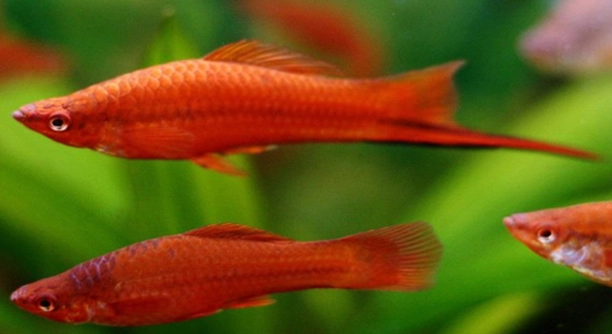
Swordtails are beautiful fish that are popular in aquariums. However, sometimes they may exhibit strange behaviors, like shaking slightly. Understanding why this happens can help you provide the best care for your aquatic pets.
The shaking of swordtails is often caused by stress, illness, or environmental factors. Stress can result from sudden changes in water temperature, tankmates, or feeding schedules. Illnesses such as parasites or infections can also lead to this behavior.
Knowing the root cause of this shaking will allow you to act quickly and make any necessary adjustments to improve their health and comfort in the tank.
Stress and Environmental Factors
Swordtails are sensitive to changes in their environment, and even small shifts can cause stress. Factors like fluctuating water temperature, inconsistent water parameters, or the presence of aggressive tankmates can make them nervous. Shaking can be a sign that they are not comfortable. Swordtails, like many fish, are creatures of habit and thrive in stable conditions. If the temperature in the tank suddenly rises or drops, or if there’s a change in the water’s pH, they may begin to exhibit unusual behavior such as shaking or trembling.
Ensure the water temperature remains stable within the ideal range for swordtails, typically between 72-79°F (22-26°C). Monitoring water hardness, pH levels, and ammonia/nitrite/nitrate levels is also crucial to their well-being. Swordtails can become stressed quickly when these parameters are off, leading to the shaky behavior you may have noticed.
If you observe other signs of stress, such as hiding or lack of appetite, it’s essential to adjust the water quality and ensure the tank setup is calm and stable.
Illness and Infection
Illness is another common reason for shaking. Infected swordtails often exhibit shaking as a response to discomfort or pain. Whether it’s parasites, bacterial infections, or fungal growth, a sick fish may appear weak and shaky as their immune system tries to fight off the issue.
Infections like white spot disease, fin rot, or external parasites are all known to cause shaking. The symptoms are usually accompanied by other signs such as visible sores, discoloration, or clamped fins. If shaking is paired with these additional symptoms, a visit to a fish vet or medicated treatment might be necessary. It’s essential to act quickly before the infection worsens.
A regular maintenance routine that includes cleaning the tank, checking water parameters, and quarantining new fish can reduce the chances of introducing diseases to your tank.
Tankmates and Aggression
If you have other fish in your tank, their behavior could be affecting your swordtail. Aggressive tankmates may cause stress, leading to shaking. Swordtails are generally peaceful, but some species can become territorial or chase them, making them nervous.
Fish like cichlids or fin-nipping species should be avoided. These fish might nip at the swordtail’s fins or harass them, causing physical stress. When swordtails are constantly chased or attacked, they can develop a shaking response as they attempt to avoid confrontation. Ensure that the tank’s community is made up of compatible species.
Adding hiding spots, plants, or other structures can give swordtails a sense of security. Providing enough space for all the fish to swim freely reduces the likelihood of aggression and stress.
Water Quality and Maintenance
Poor water quality is one of the most common causes of health problems in aquarium fish. Swordtails are particularly sensitive to elevated ammonia levels, nitrates, or fluctuating pH levels. The presence of toxins can cause a wide range of behavioral changes, including shaking.
Regular water changes and proper filtration are essential for maintaining a healthy tank. Check the water’s temperature, pH, hardness, and oxygen levels regularly. Swordtails need clean, well-maintained water to thrive. If water quality is not up to standard, it will stress the fish, leading to behaviors like shaking or rapid fin movements.
In addition, make sure that the filtration system is running effectively, and always monitor the condition of the filter. Regular water testing can help identify potential issues before they affect the health of your fish.
Overfeeding and Digestion
Overfeeding is another factor that can lead to discomfort and shaking in swordtails. When they consume too much food, it can stress their digestive system. Swordtails, like many fish, will eat what is given to them, even if they don’t need it.
Excess food in the tank can also create water quality issues, which then worsen the problem. If leftover food is not removed promptly, it can decompose, releasing harmful toxins into the water. Swordtails will feel the effects of both overfeeding and poor water conditions, which might manifest as shaking or lethargy.
To avoid this, stick to a feeding schedule and provide only as much food as the fish can consume in a few minutes. This helps prevent overfeeding and keeps the tank environment healthy.
Tank Size
A cramped living space can cause your swordtail to feel stressed and unsettled. Swordtails need enough room to swim freely and feel secure. A small tank or overcrowding can lead to anxiety, causing them to exhibit unusual behaviors like shaking.
Ensure your swordtails have enough space to move around comfortably. A minimum of a 20-gallon tank is recommended for a small group of swordtails. Providing ample swimming space and minimizing overcrowding can significantly reduce stress levels. Swordtails are active swimmers, and they need room to thrive in a peaceful, balanced environment.
Temperature Fluctuations
Fluctuations in water temperature can quickly lead to stress for swordtails. Sudden drops or rises in temperature can make them feel uncomfortable and cause them to react with shaking. Swordtails prefer consistent water temperatures within a specific range.
To maintain a stable temperature, consider using a reliable aquarium heater with a thermometer to monitor the water closely. Temperature swings can cause additional stress and possibly even illness, so it’s essential to keep the water in a constant range of 72-79°F (22-26°C) to support their well-being.
FAQ
Why are my swordtails shaking and not eating?
Shaking and loss of appetite in swordtails are usually signs of stress or illness. Stress could come from poor water conditions, aggressive tankmates, or sudden temperature fluctuations. If your swordtail is also displaying other symptoms, such as discoloration or sores, it may be sick. Illnesses like parasites or bacterial infections are common causes. Check the water quality and ensure the tank is clean and stable. If the issue persists, consider isolating the sick fish and consulting with a vet or using appropriate treatments.
How do I know if my swordtail has parasites?
Parasites often cause changes in behavior, including shaking, lethargy, or scratching against objects. Visible signs like white spots on the body (for white spot disease), torn fins, or abnormal swimming patterns can indicate a parasitic infection. If you suspect your swordtail has parasites, remove the affected fish to a quarantine tank and start medicating as necessary. A fish vet or aquarium store can help identify the specific parasite and recommend proper treatments.
Can swordtails shake due to poor water quality?
Yes, poor water quality is a common reason for swordtails to shake. Elevated levels of ammonia, nitrites, or nitrates in the water can cause significant stress. Swordtails are sensitive to changes in water chemistry, and poor conditions can affect their health. Regular water changes, proper filtration, and monitoring water parameters are crucial for maintaining a healthy tank environment. If your swordtail is shaking, check for any spikes in toxins or imbalances in pH, temperature, or hardness.
How often should I feed my swordtail?
Swordtails should be fed once or twice a day, offering only what they can consume in a few minutes. Overfeeding can lead to bloating, digestive issues, and excess food in the tank that contributes to poor water quality. Swordtails are opportunistic feeders, so it’s important to provide them with a balanced diet of flakes, pellets, and occasional live or frozen food. Remember to remove any uneaten food to prevent water contamination.
Is shaking a sign of swordtail aggression?
While swordtails are generally peaceful, shaking can sometimes be a response to aggression from tankmates. If your swordtail is being harassed or chased by other fish, it may become stressed and show signs of shaking. Aggressive fish, such as cichlids or fin-nipping species, can provoke this response. Ensure the tank has plenty of hiding spots and that the swordtails are not being bullied. Adding more plants or decorations can provide a safe space for them to retreat to when necessary.
Can temperature fluctuations cause shaking in swordtails?
Yes, temperature fluctuations are a common cause of shaking. Swordtails are sensitive to sudden changes in water temperature. If the water is too hot or too cold, it can stress them and cause shaking. Keeping the temperature in a stable range of 72-79°F (22-26°C) is ideal. Consider using an aquarium heater with a thermostat to maintain a consistent temperature. Rapid changes in temperature can weaken their immune system, making them more susceptible to illness.
How can I prevent swordtails from shaking?
To prevent shaking, ensure your swordtails have a stable and clean environment. Monitor water temperature, pH levels, and ammonia/nitrite/nitrate levels regularly. Avoid overcrowding the tank and provide adequate hiding spots to reduce stress. Make sure they are not being harassed by other fish and that the food you offer is appropriate for their size and health. By maintaining a calm and well-maintained tank, you can help your swordtail feel secure and minimize stress-related behavior like shaking.
What are some common diseases that cause shaking in swordtails?
Shaking in swordtails can be caused by a variety of diseases. Common issues include white spot disease (Ich), fin rot, and external parasites. These illnesses often present with symptoms such as lesions, discolored skin, or abnormal swimming patterns. Shaking may be a sign of discomfort or weakness due to these diseases. A proper diagnosis and treatment plan are essential. If you notice any visible signs of illness, quarantine the affected fish and begin medicating accordingly.
How do I treat swordtail shaking caused by stress?
If your swordtail is shaking due to stress, address the environmental factors causing the discomfort. Check water quality for any imbalances and perform a water change if necessary. Ensure the tank temperature is stable and that no aggressive fish are causing stress. Adding plants and hiding spaces can help swordtails feel more secure. If the shaking continues, consider isolating the affected fish in a quarantine tank to further reduce stress and allow them to recover. Reducing stress is key to preventing further health issues.
Do swordtails shake during breeding?
Swordtails may exhibit some trembling or shaking during breeding, particularly the males when they are trying to attract a female. Male swordtails often display aggressive or exaggerated movements during courtship, which may look like shaking. However, if the shaking continues outside of the breeding context or becomes excessive, it may indicate stress or illness. Monitoring the fish during breeding can help distinguish between natural behavior and signs of discomfort.
Final Thoughts
Swordtails are generally hardy and easy to care for, but like all fish, they can experience health issues. Shaking in swordtails is often a sign of stress, illness, or environmental factors affecting their well-being. Understanding the potential causes of shaking, such as water quality problems, temperature fluctuations, or overfeeding, can help you address the issue early. By maintaining proper care and paying attention to your swordtail’s behavior, you can reduce the chances of these problems occurring.
One of the most important factors in preventing shaking and other health issues is a stable and clean tank environment. Regular water changes, proper filtration, and monitoring water parameters such as pH, ammonia, and nitrate levels are essential for keeping your swordtails healthy. Temperature consistency is also crucial. Avoid sudden changes in water temperature, as this can cause stress. If your swordtail is showing signs of shaking, it’s important to assess the tank’s conditions first, ensuring that the environment is not contributing to the problem.
If you suspect your swordtail is sick, it’s important to act quickly. Diseases and parasites can progress rapidly, so isolating the affected fish and seeking appropriate treatment is key. In many cases, with the right care and attention, swordtails can recover from stress or illness and return to their normal behavior. By observing your swordtail closely and making adjustments to their environment or diet as needed, you can help ensure a long and healthy life for your fish.

Hello,
If you enjoy the content that we create, please consider saying a "Thank You!" by leaving a tip.
Every little bit helps us continue crafting quality advice that supports the health, happiness, and well-being of pets around the world, for pets of all shapes, sizes, and species.
We really appreciate the kindness and support that you show us!