
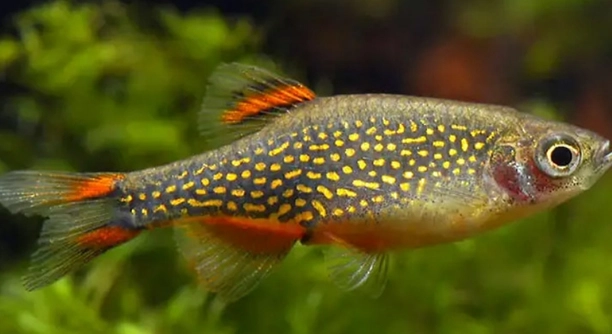
Do your danios seem restless in their breeding tanks, swimming around with endless energy? Feeding them every seven hours can be an important part of maintaining their health, growth, and breeding readiness in a controlled environment.
Providing danios with small, frequent meals every seven hours ensures optimal growth and reproductive success. It is essential to offer a balanced combination of high-quality flakes, live or frozen foods, and supplements to meet their nutritional requirements consistently.
Proper feeding schedules will help your danios thrive and support successful breeding outcomes in your tanks.
Choosing the Right Food for Danios
When feeding danios every seven hours, it is important to provide a balanced diet. High-quality flake food works well as a staple, providing essential vitamins and minerals. Supplementing with live or frozen foods like brine shrimp or daphnia can promote growth and improve coloration. Vegetables such as blanched spinach or zucchini can be offered occasionally to provide fiber and prevent digestive issues. Avoid overfeeding during each session, as leftover food can pollute the water and stress the fish. Rotate food types to ensure your danios receive a wide range of nutrients. Proper storage of frozen foods and careful portioning of flakes help maintain freshness and nutritional quality. Maintaining a feeding log can help you track their growth, appetite, and overall health over time, allowing for adjustments if needed. Consistency in feeding times and food types will support breeding success and active, healthy fish in your tanks.
Proper food rotation prevents nutrient deficiencies and keeps danios active and healthy over time.
Maintaining this feeding routine requires monitoring portions carefully. Too much food can lead to water quality issues, while too little may slow growth. Observe their behavior during each feeding to ensure all fish are eating. Adjust the quantity if certain individuals are consistently left out. Using small feeding amounts allows them to finish quickly, reducing waste. Regularly clean the tank and remove uneaten food to avoid ammonia buildup. Consistent feeding schedules also help reduce stress, which is essential for breeding. Tracking their response to different food types provides insight into preferences and nutritional needs. By staying organized and attentive, you can maintain optimal tank conditions while supporting the health and reproduction of your danios.
Timing and Frequency of Feedings
Feeding every seven hours ensures your danios get frequent small meals to maintain energy levels and support breeding activity.
Spacing meals evenly reduces competition and stress among tank mates. It allows all fish to access food without overloading the tank at once.
Setting a strict feeding schedule helps establish a routine, making fish behavior more predictable and manageable. Use timers or reminders to maintain consistency throughout the day and night if necessary. Observe how your danios respond to these intervals, adjusting slightly if certain times result in leftover food or aggressive behavior. Keeping detailed notes on feeding times, quantities, and types of food can help identify trends that impact growth and reproduction. Pairing a balanced diet with proper timing encourages better spawning results, more active fish, and healthier fry. Consistent seven-hour intervals also prevent large fluctuations in water quality, reducing the risk of stress-related illness. By following a carefully planned feeding schedule, you can provide your danios with the nutrition and stability they need to thrive.
Portion Control for Danios
Overfeeding can harm danios by polluting the water and stressing the fish. Small, measured portions every seven hours are sufficient to meet their nutritional needs and maintain a clean tank environment.
Using a precise amount of food for each feeding helps prevent leftovers and water contamination. Flakes should be offered in quantities that can be consumed within a few minutes, while live or frozen foods should match the size of the fish. Observing how quickly your danios eat will help determine the right portion for each session. Avoid adding more food until the previous portion is finished to prevent overfeeding. Keeping portions consistent supports healthy growth, reduces aggression during feeding, and makes it easier to track the fish’s health and appetite.
Monitoring portions also allows you to identify changes in appetite or behavior. Smaller, frequent meals support their metabolism and encourage consistent energy levels throughout the day, which is particularly important for breeding pairs. Establishing a clear feeding plan ensures each fish receives adequate nutrition without compromising water quality.
Feeding Equipment and Tools
Using proper feeding tools simplifies the process and prevents waste. Tools like small scoops, feeding tongs, or pipettes help control the amount of food distributed accurately, avoiding overfeeding.
A feeding ring or divider can be helpful in breeding tanks to ensure all fish have access to food and reduce competition. Measuring tools make it easier to replicate the same portion sizes every seven hours, which is essential for consistency. For live or frozen foods, small tongs or pipettes allow precise placement in different areas of the tank, ensuring even distribution. Additionally, maintaining dedicated containers for each type of food prevents contamination and preserves freshness. Using timers or reminders for automated feeders can help maintain a strict schedule, especially when multiple feedings are needed throughout the day. Consistency in feeding technique and portion control helps sustain optimal tank conditions, promotes healthy growth, and supports successful breeding outcomes.
Signs of Overfeeding
Cloudy water, leftover food, and sluggish fish are clear indicators of overfeeding in breeding tanks. Monitoring these signs helps prevent water quality issues and keeps danios healthy.
Increased algae growth and frequent tank cleaning are also signs that portions may be too large. Adjusting the quantity of food helps maintain a stable environment and reduces stress among the fish.
Balancing Protein and Vegetables
Danios require a mix of protein and plant-based foods to stay healthy. High-protein foods like brine shrimp or daphnia support growth and breeding activity, while vegetables like spinach or zucchini aid digestion and provide fiber. Rotating between these food types ensures balanced nutrition, supports coloration, and promotes active swimming. Feeding small portions frequently allows them to absorb nutrients efficiently and prevents leftovers from polluting the tank. Properly balancing protein and vegetables enhances overall health, reduces disease risk, and encourages successful breeding. Observing their response to different foods can help fine-tune the diet for optimal results.
Adjusting Feeding Based on Age
Young danios need smaller, more frequent meals compared to adults, as their metabolism is higher and growth rapid.
Feeding schedules and portions should be adapted as they mature to ensure consistent growth and avoid overfeeding.
FAQ
How often should I feed danios in a breeding tank?
Danios in breeding tanks benefit from small meals every seven hours. This schedule ensures they receive consistent nutrition, stay active, and maintain energy levels necessary for breeding. Feeding too often or in large amounts can lead to water quality issues and stress. Consistency in timing helps them adapt and improves overall health.
What types of food are best for danios?
A balanced diet combining high-quality flakes, live or frozen foods like brine shrimp or daphnia, and occasional vegetables such as spinach or zucchini works best. Flakes provide essential vitamins and minerals, live or frozen foods enhance protein intake, and vegetables improve digestion and fiber intake. Rotating foods keeps them healthy and supports coloration and breeding success.
How much food should I give per feeding?
Portions should be small enough for all fish to consume within a few minutes. Overfeeding can cause leftover food to decompose, polluting the tank and stressing the fish. Observing their eating habits will help adjust the quantity. Smaller, frequent portions are better than fewer, larger feedings. Maintaining consistent portions also helps track fish growth and appetite.
Can I use automated feeders for danios?
Yes, automated feeders can maintain a strict seven-hour schedule, especially if multiple feedings are needed throughout the day. Use them with caution and ensure portions remain small. Manual feeding is still helpful to monitor fish behavior and check for health issues. Combining both methods can make feeding easier while maintaining control over food distribution.
How do I prevent overfeeding?
Measure food carefully and avoid adding extra until the previous portion is finished. Watch for leftover food, cloudy water, or increased algae growth as signs of overfeeding. Using feeding tools, such as scoops, pipettes, or feeding rings, helps control distribution and ensures all fish have access without excess waste.
Should young danios be fed differently than adults?
Yes, young danios have higher metabolic rates and need smaller, more frequent meals compared to adults. As they grow, portions can gradually increase, but consistency remains important. Monitoring their growth and appetite ensures they get enough nutrients without overfeeding, which can affect water quality and health.
How can I tell if my danios are getting enough nutrition?
Healthy, active behavior, bright coloration, and consistent growth are good indicators. Weak, sluggish fish, faded colors, or stunted growth may signal nutritional deficiencies. Tracking feeding amounts and observing their response to different foods helps adjust the diet to meet all nutritional needs.
Are vegetables necessary in a danio diet?
Yes, vegetables provide fiber and support digestion. While protein sources are crucial for growth and breeding, adding blanched spinach, zucchini, or other soft vegetables occasionally prevents constipation and keeps the digestive system functioning properly. Small portions are enough to provide benefits without polluting the tank.
How do I manage feeding in a crowded breeding tank?
Using feeding rings or dividing the tank can help distribute food evenly. Small portions placed in different areas reduce competition and aggression among fish. Observing their behavior during feedings allows you to ensure all individuals are eating and receiving adequate nutrition without overloading the tank.
What should I do if food is left uneaten?
Remove uneaten food promptly to prevent water contamination. Adjust portion sizes or feeding frequency if leftovers are common. Maintaining a clean tank supports fish health and reduces stress, which is critical for breeding success. Proper portioning also helps establish an efficient and manageable feeding routine.
Can danios eat only one type of food?
No, relying on a single food type can lead to nutritional deficiencies. A combination of flakes, live or frozen foods, and vegetables ensures balanced nutrition, supports growth, enhances coloration, and promotes reproductive health. Regularly rotating food types also keeps them more active and responsive during feedings.
Is it necessary to track feeding times?
Yes, maintaining a log of feeding times, portions, and fish behavior helps identify trends, spot problems early, and ensure consistent nutrition. Tracking also allows adjustments in diet or schedule to meet the needs of both adults and young danios, improving overall tank management and breeding outcomes.
How do I encourage danios to eat during each feeding?
Offer small amounts frequently, vary food types, and spread food throughout the tank to reach all fish. Observing their behavior ensures all individuals are feeding. Gentle tapping or using a feeding tool can draw attention, but avoid overfeeding in the process.
What is the impact of irregular feeding schedules?
Irregular feeding can cause stress, reduce breeding efficiency, and affect growth. Maintaining strict seven-hour intervals helps regulate metabolism, ensures proper nutrition, and keeps fish behavior predictable. Consistency in schedule and portions is key to healthy, active, and successful breeding pairs.
Can dietary supplements help danios in breeding tanks?
Supplements like vitamins or carotenoids can enhance coloration, immunity, and reproductive health. Use them sparingly and according to instructions, as overuse can affect water quality. Combining supplements with a balanced diet ensures the fish receive necessary nutrients without compromising tank conditions.
How do I adjust feeding for seasonal changes?
Fish metabolism may slow slightly in cooler temperatures and increase in warmer water. Adjust portions accordingly, maintaining small, frequent meals. Monitor behavior and growth to ensure they remain active and healthy. Consistent feeding practices help danios adapt while supporting optimal breeding conditions.
What is the best way to introduce new foods?
Introduce new foods gradually, mixing small amounts with familiar items. Observe their acceptance and digestion. Sudden changes can stress fish or upset their digestive system. Gradual introduction ensures proper nutrition while minimizing potential negative effects on water quality or behavior.
How important is water quality during frequent feedings?
Water quality is critical. Uneaten food, waste, and overfeeding can increase ammonia and nitrite levels, harming the fish. Regular cleaning, proper filtration, and monitoring water parameters help maintain a stable environment for frequent feeding and successful breeding.
Feeding danios every seven hours in a breeding tank requires careful planning and consistency. Small, frequent meals help maintain their energy levels, support growth, and encourage successful breeding. Using a combination of high-quality flakes, live or frozen foods, and occasional vegetables ensures that they receive a balanced diet with all the nutrients they need. It is important to measure portions carefully so that the fish can eat everything quickly, which prevents leftover food from polluting the water. Observing the behavior of your danios during each feeding provides valuable insight into their health and appetite. Active swimming, bright colors, and consistent eating habits are signs that they are thriving. Adjusting portions or types of food based on their response allows you to maintain optimal nutrition while keeping water quality high. A well-planned feeding routine also reduces stress and competition among the fish, which is especially important in a breeding environment. Over time, consistency in both food and timing helps establish a stable environment, making it easier to monitor their health and track breeding progress.
Using proper feeding tools and techniques can make the process simpler and more efficient. Scoops, feeding tongs, pipettes, or even feeding rings help distribute food evenly throughout the tank. This ensures that all fish, including weaker or smaller individuals, have access to food without overfeeding the tank. Automated feeders can also be helpful for maintaining strict seven-hour intervals, especially if multiple feedings are required during the day. However, it is still important to monitor the fish manually, observing their behavior and adjusting portions when needed. Rotating between different types of food ensures that your danios receive a wide range of nutrients, supporting their overall health, growth, and reproductive success. Supplements can be used sparingly to improve coloration, immunity, or reproductive performance, but they should not replace a balanced diet. Maintaining water quality alongside proper feeding practices is crucial, as poor water conditions can undermine all efforts to keep the fish healthy. Regular cleaning, careful portioning, and monitoring water parameters all work together to create a thriving environment for your danios.
Keeping track of feeding times, portions, and responses of your danios is a simple but effective way to manage a breeding tank. Logging observations helps identify changes in appetite, growth, or behavior, which can indicate health issues or the need for adjustments in diet. Young danios require smaller, more frequent meals compared to adults, and adjusting their portions as they grow ensures proper development. Overfeeding can be just as harmful as underfeeding, leading to water pollution, stress, and potential disease. By staying organized, using proper tools, and maintaining consistency in feeding schedules, you can create a healthy, supportive environment that encourages active swimming, strong growth, and successful breeding. A structured feeding routine also makes it easier to detect problems early, whether it is leftover food, irregular behavior, or water quality issues. Paying attention to both the diet and the environment ensures your danios stay healthy, active, and ready to reproduce, providing long-term benefits for both the fish and the breeding setup.

Hello,
If you enjoy the content that we create, please consider saying a "Thank You!" by leaving a tip.
Every little bit helps us continue crafting quality advice that supports the health, happiness, and well-being of pets around the world, for pets of all shapes, sizes, and species.
We really appreciate the kindness and support that you show us!