
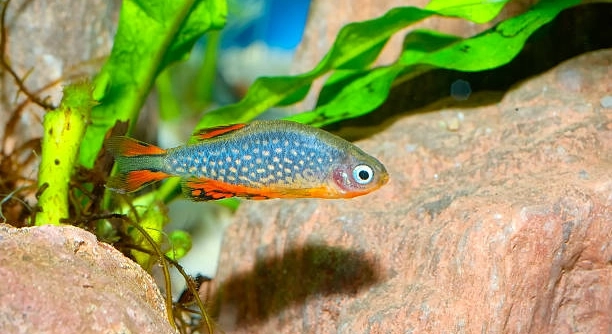
Danios are small, vibrant fish often admired for their bright colors and energetic swimming. Maintaining their ideal environment is crucial, as even minor changes in water conditions can influence their overall appearance and behavior in noticeable ways.
Temperature fluctuations in aquariums can directly impact Danio pigmentation and stress levels. Sudden dips reduce metabolic efficiency, affect pigment cell activity, and may lead to duller colors or temporary fading, highlighting the importance of consistent temperature control for healthy, vibrant fish.
Recognizing how temperature changes affect coloration helps ensure Danios remain lively and visually striking in your aquarium environment. Proper care supports their long-term health and overall well-being.
Sudden Cold Water Changes
A sudden drop in water temperature can shock Danios, causing immediate stress and color fading. Even a few degrees difference from their usual range can trigger this reaction. Stress reduces their ability to display bright colors, and prolonged exposure may affect their immune system. Fish may become less active, hiding more often or clustering near heaters to find warmth. The fading can appear uneven, with some parts of their body losing color faster. Observing daily changes in their appearance helps identify temperature issues early. Regularly checking the thermometer and adjusting gradually prevents abrupt dips. It’s also important to avoid placing tanks near drafts, open windows, or air conditioning vents. Maintaining consistent temperature benefits not only their coloration but also overall health, feeding patterns, and growth. A steady environment allows Danios to thrive, displaying their natural, vibrant hues, which are often a reflection of their well-being and comfort in the tank.
Even small temperature swings can significantly affect Danio behavior and coloration. Consistency is key for maintaining their bright appearance.
Keeping water stable protects Danios from stress-related fading. Gradual adjustments, insulated tanks, and careful monitoring ensure they remain colorful and active, reducing health risks.
Seasonal Temperature Shifts
Danios are sensitive to seasonal changes. Even slight drops during winter nights can affect their pigmentation temporarily.
During colder months, room temperature can fluctuate significantly, especially in homes without central heating or with drafty windows. These shifts may cause water to cool overnight, leading to duller colors in your fish by morning. Sudden morning feedings or interactions during these times may reveal less vibrancy. Seasonal changes can also reduce metabolism, affecting activity levels and appetite. To manage this, using a reliable heater with a stable thermostat is essential. Covering tanks at night and monitoring room temperature fluctuations can prevent abrupt dips. Regular water testing ensures conditions remain optimal. Small, consistent measures, such as gradual heating in colder months, can make a notable difference in maintaining bright colors. Observing behavior alongside visual cues helps confirm if temperature adjustments are effective, ensuring Danios continue to display the rich tones they are known for without unnecessary stress or prolonged fading effects.
Maintaining a consistent temperature during seasonal changes supports natural coloration and overall fish health.
Implementing heaters, insulation, and monitoring temperature variations prevents stress and fading. Awareness of room conditions helps keep Danios vibrant year-round.
Nighttime Temperature Drops
Nighttime dips can stress Danios, causing temporary dulling of colors and reduced activity. These changes are often gradual but noticeable after repeated exposure.
Temperature naturally falls during the night, and small-bodied fish like Danios feel this more acutely. Cooler water slows their metabolism, making them less active and reducing the vibrancy of their scales. Frequent exposure to these drops may make them appear pale or unevenly colored. Over time, this can affect feeding habits and growth rates. Using a reliable heater set to a stable temperature minimizes these fluctuations. Covering the tank lightly at night can also reduce heat loss and prevent sudden dips caused by drafts or cooler ambient air. Maintaining consistent nighttime warmth ensures Danios retain their natural hues and remain active, even in cooler hours. Monitoring behavior alongside visual cues helps identify if adjustments are needed, keeping the tank environment balanced and supportive of their well-being.
Monitoring nighttime water temperatures and stabilizing them supports consistent coloration.
Even small adjustments in evening heating can prevent stress-related color fading and promote healthy metabolism.
Rapid Heater Malfunctions
Heater failures can cause sudden temperature drops, leading to stress and fading colors in Danios. These abrupt changes often shock their system quickly.
If a heater stops working unexpectedly, water can cool rapidly, leaving Danios pale and lethargic. Sudden exposure to cooler temperatures disrupts pigment cell activity, causing temporary color loss. Stress from rapid changes may also weaken the immune system, making fish more susceptible to illness. It is crucial to have a reliable heater with accurate thermostats and safety features. Regular maintenance checks, such as testing temperature consistency and inspecting cords and connections, help prevent sudden failures. A backup heater or temperature monitoring device provides additional security against unexpected drops, ensuring the tank environment remains stable. Keeping the water within a steady range preserves Danio coloration and supports their natural behavior, reducing stress-induced fading.
Maintaining heaters properly prevents abrupt temperature changes that compromise Danio coloration and health.
Regular inspections, backups, and monitoring reduce risks of sudden drops, ensuring vibrant, healthy fish without stress or fading effects.
Cold Water During Water Changes
Adding water that is cooler than the tank can shock Danios, causing immediate color fading. Sudden differences in temperature affect their pigment cells and may stress them temporarily.
To avoid this, always match the temperature of replacement water to the tank. Gradual adjustments reduce stress and keep colors vibrant. Consistent monitoring during water changes prevents unexpected dips that can harm Danios’ health and appearance.
Room Temperature Fluctuations
Room temperatures that swing widely during the day can affect aquarium water. Danios are sensitive to these shifts, which can cause pale or uneven coloration. Maintaining a stable ambient temperature helps them retain their natural, bright hues and supports healthy behavior.
Air Conditioning Exposure
Direct air conditioning on the tank can lower water temperature suddenly. Danios may respond with faded colors and reduced activity. Proper placement of the tank away from vents minimizes these drops. Consistent warmth preserves their vibrant appearance and prevents stress-related changes.
FAQ
Why do Danios lose color after a temperature drop?
Danios are small fish with fast metabolisms, and their pigmentation is closely tied to water temperature. When the water cools suddenly, their metabolic rate slows, and pigment cells do not function optimally. This leads to dull or uneven coloration until the temperature stabilizes. Repeated exposure can stress the fish, potentially affecting feeding and activity. Keeping water within a consistent range is the most effective way to maintain their vibrant colors and overall health.
How quickly do Danios recover color after water warms up?
Recovery depends on the severity and duration of the temperature dip. Minor drops often allow Danios to regain color within a few hours as metabolism normalizes. Longer or more extreme dips may take days for pigmentation to return fully. Ensuring stable conditions during recovery, such as consistent feeding, gentle lighting, and minimal handling, helps them regain their natural vibrancy faster. Observation during this period is essential to catch any signs of prolonged stress or illness.
Can sudden temperature drops cause permanent color loss?
Permanent fading is rare but possible if temperature drops are extreme or frequent. Chronic stress weakens pigment cells and the immune system, sometimes leaving Danios less vibrant over time. Consistently monitoring water temperature, using reliable heaters, and avoiding drafts can prevent permanent color changes. If permanent fading occurs, improving tank conditions may restore some vibrancy, though not always fully. Preventative care is the best approach to protect natural coloration.
Is there a specific temperature range Danios prefer for vibrant colors?
Danios thrive in temperatures between 22°C and 26°C (72°F–79°F). Staying within this range supports metabolism, pigment cell function, and overall health. Temperatures below this range can cause stress, reduced activity, and paler colors. Consistent monitoring with an accurate thermometer helps maintain optimal conditions and prevent stress-induced fading.
Does water hardness or quality affect how temperature impacts color?
Yes. Water quality and hardness influence pigment stability and overall resilience. Hard, clean water supports stronger pigment expression, while poor-quality water can amplify stress effects from temperature changes. Regular water testing, partial water changes, and filtration maintenance improve both color retention and fish health. Combining stable temperature with high water quality maximizes vibrancy and reduces stress responses.
Can adding plants or decorations help with temperature stress?
Providing hiding spots and plants allows Danios to regulate stress more comfortably. They can seek shelter in cooler or shaded areas within the tank, easing the impact of minor temperature fluctuations. Plants also help stabilize the environment by reducing sudden chemical and thermal changes, indirectly supporting color retention.
How often should I check the tank temperature to protect Danio colors?
Daily monitoring is ideal, especially during seasons with fluctuating room temperatures or if the tank is near heaters, windows, or air conditioners. Recording temperature variations can help detect trends and prevent sudden dips. Consistent observation ensures that corrective action can be taken before stress impacts coloration.
Are younger Danios more sensitive to temperature dips than adults?
Yes. Juvenile Danios have less developed immune systems and may show faster color fading under stress. Ensuring gentle, gradual temperature adjustments during water changes and maintaining stable tank conditions helps young fish retain their natural hues and grow healthily.
Do feeding patterns influence color recovery after a temperature dip?
Nutrition plays a significant role in pigment recovery. High-quality, color-enhancing food supports pigment cell activity, helping Danios regain vibrancy more quickly. Overfeeding should be avoided, as poor water quality from excess food can exacerbate stress and delay color recovery. Balanced feeding paired with stable temperatures is essential for maintaining bright colors.
Is it normal for Danios to hide more after a temperature drop?
Yes, reduced activity and hiding are common stress responses. When the water cools suddenly, Danios may cluster near heaters or decorations for warmth. Observing these behaviors is a useful indicator of temperature-related stress and a reminder to maintain consistent conditions to preserve both color and well-being.
Can aquarium covers or insulation help with color stability?
Tank covers and insulation minimize heat loss, reducing the risk of sudden temperature dips. They help maintain steady water temperatures, allowing Danios to keep their vibrant colors consistently. Proper placement and protective coverings prevent drafts, nighttime cooling, and fluctuations caused by environmental factors.
How do I know if a color change is stress-related or illness-related?
Stress-induced color fading is usually temporary and coincides with temperature changes or environmental shifts. Illness-related fading often comes with other signs, such as clamped fins, lethargy, loss of appetite, or unusual swimming patterns. Observing both behavior and appearance helps distinguish the cause and determine if medical intervention is needed.
Can multiple stress factors combine to affect Danio colors?
Yes, temperature dips combined with poor water quality, overcrowding, or disease can amplify color fading. Addressing multiple environmental factors together is more effective than focusing on a single element. Stabilizing temperature, water quality, and social conditions ensures healthier, more vibrant fish overall.
Do Danios display permanent color changes as they age?
Some gradual changes are normal as Danios mature, but significant fading is often linked to environmental stress rather than age. Maintaining consistent conditions helps preserve adult coloration and prevent unnecessary dulling caused by avoidable stressors like temperature fluctuations.
Can I use automatic heaters or controllers to prevent dips?
Automatic heaters with reliable thermostats and temperature controllers offer precise regulation, reducing the risk of sudden dips. Backup systems or alarms provide additional safety. These tools ensure Danios experience minimal stress and maintain their natural coloration, even when room temperatures fluctuate unexpectedly.
Are certain Danio varieties more sensitive to temperature dips than others?
Yes, some strains, particularly those bred for vivid coloration, may show faster fading when exposed to cooler water. Less colorful or wild-type Danios tend to tolerate minor fluctuations better. Recognizing your fish’s sensitivity helps prioritize temperature stability to protect their brightest colors.
How long should I wait after a water change to see if the color returns?
Color recovery can begin within hours but may take one to two days for full vibrancy after minor temperature dips. Observing gradual improvement helps determine if tank conditions are suitable or if further adjustments are needed to maintain healthy coloration and overall behavior.
Can lighting affect how temperature dips appear in Danios?
Lighting does not change the underlying pigment, but cooler temperatures can make colors appear dull under normal lighting. Proper lighting can highlight natural hues once the fish recover, but it does not replace the need for stable temperatures to support true pigment function.
Is it safe to combine multiple methods to prevent temperature dips?
Yes. Using heaters, covers, insulation, and monitoring devices together provides the most stable environment. Each method reinforces the others, ensuring minimal stress and preserving Danio coloration effectively. Combining strategies reduces the risk of fading and supports overall fish health consistently.
Maintaining vibrant Danio colors depends largely on consistent water temperature and stable tank conditions. Sudden dips, whether from cold water changes, nighttime cooling, or heater malfunctions, can quickly affect their pigment cells and stress the fish. Even small fluctuations may cause their scales to appear pale or uneven, which is often temporary but still noticeable. Ensuring the water stays within the preferred range of 22°C to 26°C (72°F–79°F) helps support their metabolism, natural behavior, and overall health. Daily monitoring, proper heater use, and gradual adjustments during water changes or seasonal shifts can significantly reduce stress and maintain bright colors. Observing their activity alongside color changes is helpful to catch early signs of temperature-related issues before they become more serious.
Stable temperatures are not the only factor in preserving Danio coloration. Water quality, tank placement, and nutrition all play important roles. Clean water supports healthy pigment expression, while poor water conditions can worsen the effects of temperature changes. Feeding high-quality, color-enhancing food helps pigment cells recover more quickly if a dip occurs. Providing plants, decorations, or shaded areas allows Danios to manage stress better and find comfort during minor fluctuations. Even the location of the tank in the room matters, as drafts, air conditioners, or open windows can introduce sudden cooling that impacts both color and activity. Combining these approaches—consistent temperature, proper care, and attention to environmental factors—creates a more stable environment and supports long-term health and vibrant appearance.
Temperature dips are a natural part of aquarium care, but they do not need to lead to permanent fading or stress if managed carefully. Regular observation, appropriate equipment, and preventive measures like insulation, covers, and reliable heaters make a meaningful difference in protecting Danio coloration. Small adjustments, such as matching water temperature during changes, monitoring nighttime cooling, and maintaining consistent feeding, help preserve their natural vibrancy and energy. Over time, applying these practices consistently reduces stress, supports healthy metabolism, and ensures that Danios remain colorful and lively. Paying attention to the subtle signs of temperature-related stress allows you to take action before it affects long-term health or appearance, creating a thriving aquarium environment that keeps your fish visually striking and active.

Hello,
If you enjoy the content that we create, please consider saying a "Thank You!" by leaving a tip.
Every little bit helps us continue crafting quality advice that supports the health, happiness, and well-being of pets around the world, for pets of all shapes, sizes, and species.
We really appreciate the kindness and support that you show us!