
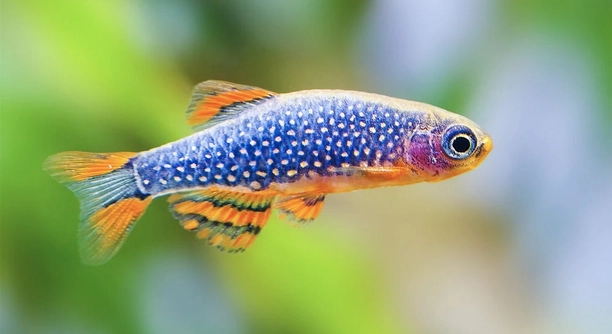
Have you ever watched tiny fish hatch and wondered how they grow so quickly in their first month of life? Danio, also known as zebrafish, develop through distinct stages that are fascinating to observe and study.
Danio development in the first month progresses through seven defined phases, each marked by morphological changes, organ formation, and behavioral adaptations. These phases include fertilization, cleavage, gastrulation, segmentation, pharyngula, hatching, and early larval growth.
Observing these early stages provides insight into their growth patterns and helps ensure proper care in home or research environments.
Fertilization and Early Cleavage
When a female Danio releases her eggs and a male fertilizes them, the very first phase of life begins. The eggs are transparent and delicate, making it easy to see the cell divisions occurring. Within hours, the single-celled zygote starts dividing rapidly, forming two, then four, then eight cells. This process, called cleavage, continues as cells multiply and organize into a ball known as the blastula. At this stage, the foundations of the fish’s body are being established. Proper water conditions are critical, as temperature, pH, and cleanliness affect how well the embryos survive. Even small changes can slow or disrupt development. Observing the eggs under a microscope, you can see the rhythm of division and early patterns forming. The yolk provides nutrients during this stage, sustaining the embryos until they can absorb food on their own.
Fertilization and cleavage are essential for initiating normal Danio development. This phase establishes the basic cell structure and prepares embryos for later organ formation.
Watching these tiny eggs divide and grow is fascinating. Each cell division brings the embryos closer to hatching and reveals how life unfolds in a few days.
Gastrulation
Gastrulation begins when cells start moving to form distinct layers that will develop into tissues and organs.
During this phase, cells shift positions to create three primary layers: the ectoderm, mesoderm, and endoderm. The ectoderm forms the skin and nervous system, the mesoderm develops into muscles and bones, and the endoderm becomes internal organs like the gut. Gastrulation shapes the basic body plan and determines how tissues are arranged. Observing under a microscope, you can see cells migrating in coordinated patterns, which is critical for proper development. Problems at this stage can result in severe malformations, highlighting the importance of stable water temperature and proper oxygenation. Although small and subtle, the movements are powerful and precise, laying the foundation for segmentation and organ formation in the next stages. By the end of gastrulation, the embryo is ready to move into the segmentation phase, where distinct body structures begin to appear.
Cells’ careful movements during gastrulation are remarkable. They set the stage for the Danio’s entire physical form and organ structure.
Do you want me to continue with the next phases following the same format?
Segmentation
Segmentation starts as the embryo forms somites, which are blocks of tissue that become muscles and vertebrae. These repeated segments appear along the body axis, giving structure to the developing fish.
During segmentation, the embryo elongates, and the head and tail regions become more distinct. Somites form in a regular pattern, signaling proper development of the spine and muscles. This phase also marks the beginning of the nervous system’s organization, with the neural tube forming above the somites. Proper light and temperature conditions help maintain healthy segmentation. Observing this under a microscope shows rhythmic formation, as each somite appears sequentially, indicating steady growth. Movement within the chorion may become noticeable, suggesting early muscle development and coordination.
By the end of segmentation, the Danio embryo already shows the beginnings of recognizable shape. The head, tail, and trunk are forming, and muscles are aligned for future swimming movements. The neural structures start coordinating these movements, preparing the fish for hatching.
Pharyngula
Pharyngula is marked by clear body structures, including the developing eyes, brain, and somites. The embryo becomes more elongated and active within the egg.
During this phase, the organs continue differentiating. Eyes are pigmented and positioned, the brain expands into defined regions, and the heart begins beating. Blood circulation starts, and muscle contractions become visible. The tail continues to grow, enhancing flexibility and coordination. The embryo’s movements within the chorion help strengthen muscles, while the yolk provides essential nutrients for this rapid growth. Environmental stability is crucial, as sudden changes in temperature or water quality can hinder development. This stage sets the stage for hatching and early larval activity.
By the end of the pharyngula stage, the Danio embryo is highly recognizable as a tiny fish. Organ systems are in place, muscles are functional, and behavior within the egg becomes more coordinated. This phase ensures that the fish is ready for the hatching process, with all critical structures formed and preparing for independent movement.
Hatching
Hatching begins when the embryo breaks free from the chorion. The tiny fish uses a specialized egg tooth to emerge, showing its first independent movements.
After hatching, the larva still relies on its yolk for nutrition. Muscle coordination improves, and swimming becomes more purposeful, though movements are short and gradual.
Early Larval Stage
During the early larval stage, Danio larvae grow rapidly and develop functional organs. The eyes are fully pigmented, and the heart pumps efficiently. Muscles continue strengthening, enabling longer swimming bursts. The digestive system matures, allowing the larvae to begin feeding externally once the yolk is absorbed. Proper water quality and temperature are crucial for survival and healthy growth during this stage. Observing behavior, the larvae start responding to light and vibrations, showing the beginning of instinctive reactions. This stage lays the foundation for juvenile development, as organ systems become fully operational and body proportions shift toward the adult form.
Feeding Initiation
Feeding initiation occurs once the yolk is nearly consumed, and larvae begin hunting for small particles. Early feeding is critical for energy and growth.
FAQ
How long does it take for Danio eggs to hatch?
Danio eggs typically hatch within 2 to 3 days after fertilization, depending on water temperature. Warmer water accelerates development, while cooler water slows it down. Observing the eggs, you can often see the tiny fish moving inside before they hatch, signaling that they are ready.
What should I feed Danio larvae after hatching?
Once the yolk is absorbed, larvae need tiny, nutritious food. Infusoria, newly hatched brine shrimp, or specialized liquid fry food work well. Feeding small amounts multiple times a day ensures the larvae get enough energy for proper growth without fouling the water.
How can I tell if the embryos are healthy?
Healthy embryos are clear, round, and show regular cell divisions. You may notice slight movement inside the chorion as muscles develop. Any discoloration, fungus, or lack of development can indicate stress, poor water quality, or infection. Removing affected eggs quickly prevents problems from spreading.
At what point do Danio larvae start swimming actively?
Larvae begin spontaneous swimming shortly after hatching, usually within a day. At first, movements are short and jerky, but as muscles strengthen, swimming becomes more controlled. By the end of the first week, larvae can respond to light and gentle disturbances, improving coordination and feeding efficiency.
How important is water temperature for early development?
Water temperature plays a major role in the speed and success of development. Ideal temperatures around 26–28°C promote normal growth, while fluctuations can slow development or cause deformities. Maintaining stable, clean water reduces stress and supports healthy organ formation in embryos and larvae.
When do Danio embryos develop visible eyes?
Eye development begins during the pharyngula stage and becomes fully pigmented by the end of that phase. The eyes grow rapidly, allowing the larvae to start reacting to light soon after hatching, which is essential for locating food and navigating their environment.
How can I prevent fungal growth on eggs?
Fungal infections are common in Danio eggs kept in stagnant water. Regularly changing water, adding gentle aeration, and keeping the tank clean help prevent fungus. Some aquarists use low concentrations of antifungal treatments, but proper water quality is usually sufficient to keep eggs healthy.
What is the role of the yolk during the first month?
The yolk provides essential nutrients for early development. It sustains embryos and newly hatched larvae until they are capable of feeding independently. Proper absorption of the yolk ensures growth, organ formation, and energy for swimming movements during the initial weeks of life.
How quickly do Danio larvae grow in the first month?
Growth is rapid, especially after hatching. Larvae double in size in the first two weeks, with organs, muscles, and fins developing continuously. By the end of the first month, they start resembling miniature adult fish, capable of more coordinated swimming and independent feeding.
Can I keep Danio embryos with adult fish?
It is not recommended. Adult Danio may eat eggs or newly hatched larvae. A separate breeding or nursery tank ensures higher survival rates and allows careful monitoring of water quality, feeding, and development without disturbance.
What signs indicate problems during early development?
Signs include slow or irregular cell division, discoloration, fungus, poor movement, and abnormal shapes. Water quality issues, temperature fluctuations, or infection are often causes. Prompt attention to these factors can prevent further losses and improve overall survival.
How do I know when larvae are ready for regular feeding?
Larvae are ready when the yolk is fully absorbed, usually within 3–5 days post-hatching. They begin actively searching for food and respond to movement in the water. Offering small, frequent meals at this stage ensures proper growth and development.
Is lighting important for early Danio development?
Moderate light helps larvae orient themselves and locate food once they start swimming. However, direct sunlight or very bright light can stress embryos and larvae. A regular day-night cycle supports natural development and encourages healthy behavior patterns.
How often should I monitor developing Danio eggs?
Daily observation is ideal. Check for cell division, movement, and any signs of fungus or deformity. Early detection of problems allows corrective action, such as water changes or removal of unhealthy eggs, improving survival and growth outcomes.
Can early-stage Danio survive without specialized care?
Basic care like clean water, stable temperature, and minimal disturbance is enough for many eggs and larvae. However, attentive feeding, monitoring for disease, and maintaining ideal conditions greatly increase survival rates and promote stronger, healthier fish during the first month.
This FAQ covers the key points about Danio development in the first month, from fertilization to active feeding, offering practical tips for maintaining healthy embryos and larvae.
Observing Danio development during the first month reveals how quickly and precisely life unfolds. From the moment of fertilization, every phase is marked by clear changes in structure and function. Fertilized eggs divide rapidly during cleavage, forming a solid foundation for the embryo. Gastrulation follows, establishing the three main tissue layers that will develop into organs, muscles, and skin. Segmentation then shapes the spine and body muscles, giving the embryo a recognizable form. By the pharyngula stage, the eyes, brain, and heart are well-formed, and movement begins within the egg. Hatching marks the transition to independent life, with larvae using the last of their yolk while starting to swim. Early larval development brings continued growth and organ maturation, preparing the fish for active feeding. Understanding these stages highlights the importance of consistent water conditions, temperature, and cleanliness, all of which directly influence survival and healthy development. Paying attention to these details ensures that the tiny fish progress through each phase without complications.
Caring for Danio embryos and larvae requires patience and observation. Water quality is one of the most critical factors, as poor conditions can quickly lead to slowed development or disease. Temperature must be kept stable, avoiding sudden changes that can stress embryos or prevent proper organ formation. Feeding becomes essential once the yolk is absorbed, and providing small, frequent meals helps support rapid growth. Larvae also need space to swim and develop coordination, so overcrowding should be avoided. Watching these small fish move, respond to light, and start hunting for food demonstrates how functional their organs and muscles have become. Regular monitoring allows early detection of any problems, whether it is fungal growth on eggs, deformities, or weak swimming in larvae. By maintaining a careful, consistent environment, you can support the Danio from fertilization to the point where they are strong, independent fish ready to continue growing.
The first month of Danio development is both delicate and remarkable. Each stage builds upon the previous one, with precise timing and movement ensuring the embryo becomes a healthy, functioning fish. Observing this process shows how nature balances rapid growth with careful structure formation. By focusing on water quality, temperature, feeding, and monitoring, anyone keeping Danio can help them thrive. The tiny eggs and fragile larvae may seem simple, but they undergo a complex sequence of changes that lead to fully formed, active fish. Paying attention to these stages allows you to support their health, growth, and behavior effectively. Over time, watching them progress through these phases is rewarding, as each small change in development demonstrates the strength and resilience of these fish. Caring for Danio in their first month provides insight into the intricacies of aquatic life and highlights how attentive care can make a meaningful difference in their survival and well-being.

Hello,
If you enjoy the content that we create, please consider saying a "Thank You!" by leaving a tip.
Every little bit helps us continue crafting quality advice that supports the health, happiness, and well-being of pets around the world, for pets of all shapes, sizes, and species.
We really appreciate the kindness and support that you show us!