
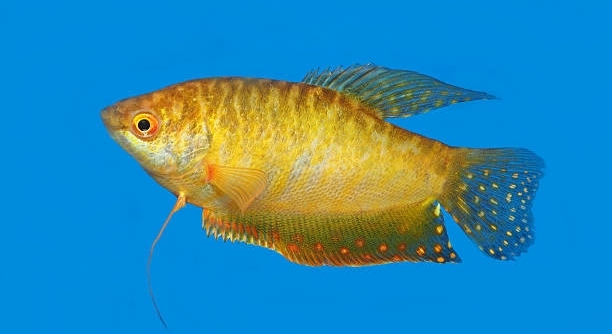
Are your giant gouramis looking weaker than usual or showing signs of illness? When these large fish struggle, knowing how to support their diet can make a meaningful difference in their recovery and overall well-being.
Feeding a sick or weak giant gourami requires easily digestible, nutrient-rich foods that promote recovery. Soft pellets, chopped vegetables, and protein sources like worms or shrimp can help restore energy while minimizing digestive stress.
Providing the right foods can strengthen your gourami and support its immune system, helping it regain vitality and thrive once more in its tank.
Recognizing Signs of Illness in Giant Gouramis
Giant gouramis may show signs of weakness or illness in several ways. Reduced activity, lack of appetite, and abnormal swimming patterns are common indicators. Physical signs such as pale coloration, frayed fins, or bloating can also point to health issues. Monitoring your gourami closely allows you to respond quickly before the condition worsens. Changes in behavior are often subtle at first, so daily observation is important. Water quality, temperature, and tank cleanliness play a critical role in maintaining their health. Stress from overcrowding or aggressive tankmates can weaken their immune system, making them more susceptible to disease. Recognizing illness early can prevent more serious problems and improve recovery outcomes. Providing supportive care, including proper feeding, clean water, and minimal stress, is essential. Small adjustments in diet and environment often make a significant difference in restoring vitality to a sick or weak giant gourami.
Early detection helps prevent serious complications and improves the fish’s chances of recovery.
Observation and timely action are key. Noticing small changes early allows you to intervene with proper feeding and care, reducing prolonged stress or illness.
Best Foods for Recovery
Soft, easily digestible foods are ideal for a weak or sick giant gourami.
Feeding options should include high-protein foods such as bloodworms, brine shrimp, and finely chopped fish fillets. Vegetables like zucchini, spinach, and peas can provide essential vitamins and fiber. Pellets designed for juvenile or ailing fish are easier to digest than standard hard pellets. Mixing foods into a soft paste or lightly soaking them can prevent choking and improve nutrient absorption. Avoid overfeeding, as excess food can worsen water quality and create additional stress. Consistent feeding intervals, such as small portions two to three times daily, help maintain energy without overwhelming the fish. Supplements like vitamin-enriched gels or flakes can support the immune system during recovery. Paying attention to your gourami’s preferences and appetite allows you to adjust feeding strategies for optimal results. Balancing protein, vitamins, and fiber ensures your giant gourami receives the nutrients needed to regain strength efficiently.
A careful combination of protein, vegetables, and enriched feeds supports recovery and restores vitality effectively.
Feeding Techniques for Weak Giant Gouramis
Small, frequent meals are easier for weak gouramis to digest.
Using tweezers or a small feeding stick can help place food directly near the fish, encouraging eating without stress. Breaking food into smaller pieces reduces choking risk and ensures faster digestion. Consistent feeding times help maintain energy levels, and monitoring leftover food prevents water contamination. Adjusting food texture and portion size depending on appetite is important. Avoid sudden changes in diet, as this can further stress a sick fish. Gentle feeding encourages recovery and helps rebuild strength gradually while supporting overall health.
Soaking pellets or lightly cooking vegetables can improve digestibility. Some gouramis prefer mashed or finely chopped food, which can stimulate appetite. Slowly introducing a variety of foods prevents boredom and ensures balanced nutrition. Always observe their response, removing uneaten portions to maintain water quality. Temperature and water flow can influence feeding behavior, so providing calm areas in the tank may increase consumption. Overfeeding is harmful, so gradual increases in portion size work best. Maintaining a clean, stress-free environment alongside proper feeding ensures the fish can recover efficiently.
Monitoring the fish during feeding allows quick adjustments in portion size or type. Patience is key to encouraging weak gouramis to eat steadily, supporting recovery.
Nutritional Supplements and Vitamins
Supplements can strengthen the immune system and aid recovery.
Vitamin-enriched gels, flakes, or powders provide essential nutrients that may be lacking in a sick fish’s diet. Adding vitamin C or multivitamins can help reduce stress and improve disease resistance. Probiotics may improve digestion, especially when the fish is weak or recovering. Regular supplementation should complement, not replace, a balanced diet. Overuse can cause digestive issues, so following recommended doses is crucial. Combining supplements with protein-rich and vegetable-based foods ensures comprehensive nutrition for optimal recovery.
Providing supplements in small amounts during feedings increases acceptance. Observation of the fish’s response ensures they are benefiting without negative effects.
Consistent use of vitamins and probiotics can help restore energy and vitality faster. Incorporating supplements gradually while monitoring appetite and behavior helps maintain overall health and supports immune function. Supplements are most effective when paired with a proper feeding schedule and high-quality foods, ensuring the fish receives all necessary nutrients to recover efficiently. Over time, balanced supplementation strengthens resilience, reduces recovery time, and contributes to long-term health.
Adjusting Water Conditions
Maintaining stable water parameters is critical for a sick giant gourami.
Temperature, pH, and ammonia levels should be closely monitored. Frequent small water changes can reduce stress and prevent further illness. Avoid sudden fluctuations, as weak fish are highly sensitive to environmental changes. Clean, well-oxygenated water supports digestion and recovery.
Encouraging Appetite
Offering favorite foods in small portions can stimulate feeding. Using soft, easily digestible options helps weak fish eat comfortably. Observation is essential to ensure the fish consumes enough nutrients to maintain energy and begin regaining strength effectively.
Avoiding Overfeeding
Overfeeding can worsen water quality and stress weak gouramis. Careful portion control ensures nutrition without compromising tank conditions.
Monitoring Recovery
Track changes in behavior, appetite, and physical appearance daily. Consistent observation allows timely adjustments in feeding and care, supporting faster recovery and overall health.
FAQ
What foods are safest for a sick giant gourami?
Soft, easily digestible foods work best. Bloodworms, brine shrimp, and finely chopped fish or shrimp provide protein, while vegetables like peas, zucchini, or spinach give essential vitamins. Soaking pellets or mashing vegetables helps weak fish eat comfortably. Small portions given two to three times daily prevent digestive stress.
How often should I feed a weak gourami?
Small, frequent meals are better than large portions. Feeding two to three times per day keeps energy levels steady and reduces strain on the digestive system. Adjust portions depending on appetite and monitor leftovers to maintain water quality.
Can supplements really help?
Yes. Vitamin-enriched gels, flakes, or powders strengthen immunity and support recovery. Vitamin C or multivitamins reduce stress, while probiotics improve digestion. Introduce supplements gradually and avoid overuse to prevent digestive problems. Combining them with a balanced diet ensures optimal results.
How do I know if my gourami is improving?
Look for increased activity, regular swimming patterns, brighter coloration, and a consistent appetite. Improved responses to food and interaction with the environment indicate recovery. Daily observation allows you to spot small positive changes early.
What water conditions are best for recovery?
Stable temperature, clean water, and proper oxygenation are essential. Regular small water changes reduce stress. Avoid sudden fluctuations in pH, temperature, or ammonia levels, as weak fish are sensitive to environmental changes. Proper water conditions support digestion and overall healing.
Should I isolate a sick gourami?
Isolation can reduce stress and prevent competition for food. A quarantine tank allows easier monitoring and control over water conditions. Provide hiding spots and gentle water flow to keep the fish comfortable while recovering.
Can I feed regular pellets during recovery?
Standard hard pellets may be too difficult to digest. Use soft pellets, juvenile formulas, or soaked pellets to avoid digestive strain. Gradually reintroduce regular pellets once the fish regains strength and appetite.
How do I handle a picky eater?
Experiment with textures, softening foods, or offering favorite protein sources like worms or shrimp. Gentle feeding with tweezers or near the fish can encourage eating. Patience is key; small, gradual changes in diet often improve appetite.
What signs indicate serious illness?
Persistent lethargy, refusal to eat, frayed fins, bloating, or abnormal swimming may indicate serious health issues. If symptoms persist despite proper care, consult a vet or aquatic specialist for further guidance.
How long does recovery usually take?
Recovery varies depending on illness severity, diet, and water conditions. Mild weakness may improve in a few days, while serious illness can take weeks. Consistent feeding, stable water, and careful observation support faster recovery and reduce complications.
Can stress affect feeding and recovery?
Yes, stress from overcrowding, aggressive tankmates, or sudden changes can suppress appetite and slow recovery. Minimize disturbances, maintain stable conditions, and provide calm areas to help your gourami regain strength efficiently.
Is it okay to mix vegetables and protein in one meal?
Yes, mixing small amounts of vegetables with protein sources ensures balanced nutrition. Avoid large quantities at once, and always monitor how much the fish consumes to prevent leftover food from polluting the tank.
How do I prevent future illness?
Consistent water maintenance, a balanced diet, and monitoring tank conditions are key. Avoid overfeeding and sudden environmental changes. Observing behavior and appearance daily helps catch problems early, improving long-term health and resilience.
Are there any foods to avoid?
Avoid hard-to-digest foods, spoiled items, or excessive fats. Foods high in starch or unwashed vegetables can harm digestion. Stick to proven protein sources, soft vegetables, and vitamin-enriched options to support recovery without creating additional stress.
Can weak gouramis eat on their own, or do I need to assist?
Some may eat independently, but others benefit from assistance. Using tweezers, breaking food into small pieces, or placing it directly near the fish encourages feeding. Close observation ensures they are consuming enough for recovery.
Should feeding frequency change as the fish improves?
Yes. Once appetite and strength return, gradually reduce feeding frequency while maintaining balanced portions. This helps the digestive system adjust and prevents overfeeding, supporting long-term health.
Can recovery be supported without supplements?
Yes, a balanced diet of soft protein and vegetables can support recovery, but supplements accelerate immune function and nutrient absorption. They are especially useful for weak or sick fish with reduced appetite.
What’s the best way to monitor appetite?
Offer measured portions and observe consumption within 15–20 minutes. Note how eagerly the fish eats and whether it finishes meals. Adjust feeding types and amounts based on behavior to ensure adequate nutrition without overfeeding.
How important is tank hygiene during recovery?
Extremely important. Clean water reduces stress and prevents secondary infections. Remove uneaten food promptly, perform regular small water changes, and maintain stable temperature and pH levels to support the fish’s healing process.
Can stress from handling slow recovery?
Yes, frequent or rough handling can increase stress and suppress appetite. Limit direct contact and perform gentle maintenance. Providing calm areas and minimal disturbances helps weak gouramis regain strength faster and eat more willingly.
Is it safe to feed live foods?
Yes, live foods like worms or brine shrimp are highly digestible and stimulate appetite. Ensure live foods are from a safe source and free of parasites or contaminants to prevent further illness.
How do I balance variety in the diet?
Rotate between soft pellets, protein sources, and vegetables to provide all essential nutrients. Gradually introduce new foods to maintain appetite and prevent dietary deficiencies, supporting overall recovery and long-term health.
Can poor water quality undo recovery efforts?
Yes. Even with proper feeding, high ammonia, nitrite, or nitrate levels can stress weak gouramis and reduce appetite. Maintaining clean, stable water is as important as diet in supporting recovery and preventing future illness.
What’s the role of observation during recovery?
Daily monitoring of behavior, appetite, and appearance allows quick adjustments in feeding and care. Noticing subtle changes ensures the fish receives the right support at the right time, improving recovery outcomes efficiently.
How do I know when to return to normal feeding?
Once the gourami shows consistent appetite, energy, and normal swimming behavior, gradually transition back to standard feeding schedules. Continue monitoring to prevent overfeeding or digestive issues while maintaining long-term health.
Are there special considerations for older giant gouramis?
Older fish may recover more slowly and require softer foods and smaller, more frequent meals. Supplements and gentle feeding methods can support weaker digestive systems and maintain strength during recovery.
Can diet alone heal a sick gourami?
Diet is critical but works best alongside clean water, minimal stress, and proper tank conditions. Balanced nutrition accelerates recovery but cannot compensate for poor water quality or severe illness.
Is it necessary to change diet after recovery?
Maintaining a balanced diet with occasional variety helps prevent nutritional deficiencies and keeps the gourami healthy. Soft foods and protein sources can remain part of their regular feeding routine if well-tolerated.
How do I prevent relapses?
Regular water maintenance, balanced feeding, and stress reduction are essential. Observing behavior and appetite daily ensures early intervention if health declines, minimizing the risk of future illness.
Can weak gouramis survive without supplements if water and food are ideal?
Yes, but recovery may be slower. Supplements enhance immune response and nutrient absorption, especially for fish with low appetite. Proper water quality and soft, digestible foods remain the foundation for recovery.
What is the ideal temperature range for recovery?
Stable, species-appropriate temperatures around 26–28°C support digestion and reduce stress. Avoid sudden changes, as weak gouramis are sensitive to fluctuations and may refuse to eat if stressed.
Can multiple sick fish be fed together?
Yes, but competition may reduce intake for weaker individuals. Isolating sick fish allows better monitoring, consistent feeding, and reduced stress, ensuring each fish receives enough nutrition for recovery.
How do I encourage a reluctant eater?
Offer favorite foods in small, soft portions. Place food near the fish or use tweezers. Adjust texture, soak pellets, or mash vegetables to make eating easier. Patience and consistency are key.
Is observation more important than supplements?
Both are important, but observation allows timely adjustments in diet, environment, and care. Supplements support recovery, but without monitoring, weak gouramis may not receive the proper feeding or conditions needed to heal.
Can overfeeding supplements cause harm?
Yes. Excess vitamins or probiotics can lead to digestive upset and water contamination. Follow recommended doses and observe the fish’s response carefully to avoid negative effects.
How long should supplements be continued?
Use supplements until appetite, energy, and behavior return to normal. Gradually reduce supplementation as the fish strengthens while continuing a balanced diet to maintain long-term health.
Are frozen foods acceptable?
Yes, frozen bloodworms or brine shrimp are safe and nutrient-rich. Thaw and rinse before feeding to avoid water contamination and ensure digestibility. Frozen foods can complement soft pellets and vegetables for balanced nutrition.
How do I know if supplements are working?
Improved appetite, increased activity, brighter coloration, and normal swimming behavior indicate supplements are helping. Regular observation ensures effective use without overfeeding or negative side effects.
What is the best routine for a recovering gourami?
Feed small, soft portions multiple times daily, monitor appetite and behavior, maintain clean water, and minimize stress. Gradually reintroduce standard feeding and adjust supplements as recovery progresses. Consistency ensures efficient healing and long-term health.
Can stress from tankmates prevent recovery?
Yes. Aggressive or competitive tankmates can reduce food intake and increase stress. Providing calm areas or temporarily isolating the weak fish ensures they eat enough and regain strength without interference.
Are there signs that recovery is complete?
Consistent appetite, normal swimming, bright coloration, and regular behavior indicate recovery. Once these signs are stable, gradually return to normal feeding schedules and reduce supplements while maintaining monitoring.
Can poor lighting affect recovery?
Indirectly, yes. Sudden changes in light or excessively bright conditions can stress weak fish. Moderate, stable lighting supports comfort, encourages normal feeding behavior, and reduces unnecessary stress during recovery.
Is it necessary to track water parameters daily?
Yes. Daily checks of temperature, pH, ammonia, nitrite, and nitrate ensure stable conditions. Weak gouramis are sensitive, and minor fluctuations can slow recovery or worsen illness if not addressed promptly.
Can I mix live and frozen foods for recovery?
Yes, combining live and frozen foods provides variety and stimulates appetite. Ensure safe sources and proper preparation to prevent contamination while offering balanced protein for energy and healing.
How important is patience during recovery?
Extremely important. Weak gouramis may eat slowly or inconsistently. Gradual improvement is normal, and consistent care, proper feeding, and clean water ensure successful recovery without unnecessary stress or setbacks.
Are there special feeding techniques for very weak fish?
Yes. Place small portions close to the fish using tweezers or a stick. Softening or mashing food encourages consumption. Frequent observation ensures they receive enough nutrition without overfeeding or water contamination.
Can tank decorations affect feeding?
Yes. Excessive hiding spots or crowded decorations may make it harder to locate food. Arrange decorations to provide security while keeping feeding areas accessible for weak fish.
Is it okay to skip a meal if the fish refuses food?
Yes, if the fish consistently refuses, remove leftover food to maintain water quality. Offer food again in small, soft portions at the next scheduled feeding to encourage appetite without stress.
How do I reintroduce regular foods after recovery?
Gradually transition from soft, easily digestible foods to standard pellets. Start with small portions and monitor appetite and digestion. Slowly increase portions and variety while maintaining a balanced diet for long-term health.
Can water flow impact feeding?
Yes, strong currents may stress weak fish and reduce appetite. Providing calm areas with gentle flow encourages eating and supports digestion, aiding overall recovery.
Are there signs that supplements are unnecessary?
If the fish eats well, maintains energy, swims normally, and shows bright coloration, supplements may no longer be needed. Continue monitoring while maintaining a balanced diet to ensure sustained health.
How do I manage multiple recovering fish?
Feed small portions individually or use separate feeding areas. Monitor each fish’s appetite, ensure clean water, and minimize stress to allow all individuals to regain strength efficiently.
Can seasonal changes affect recovery?
Yes, temperature or light fluctuations may stress weak fish. Maintaining stable conditions and monitoring behavior helps prevent setbacks and ensures steady recovery regardless of seasonal changes.
Is it necessary to adjust feeding after illness?
Yes, smaller, more frequent meals and softer foods are essential initially. Gradually return to normal feeding once appetite and energy levels stabilize to avoid digestive issues and support long-term health.
Can I use homemade foods?
Yes, as long as they are soft, easily digestible, and nutrient-rich. Avoid additives or harmful ingredients. Protein from cooked fish, shrimp, or worms and lightly cooked vegetables can provide a balanced homemade diet.
Are there foods to avoid after recovery?
Yes, avoid hard, indigestible pellets, spoiled items, or overly fatty foods. Stick to balanced, high-quality pellets, protein sources, and vegetables to maintain health and prevent relapse.
How long should I continue close monitoring?
Continue daily observation for several weeks after recovery. Look for appetite, activity, swimming patterns, and coloration. Early detection of any issues ensures prompt intervention and long-term health.
Can stress from water changes affect weak gouramis?
Yes, sudden or large water changes can shock weak fish. Use small, gradual changes with stable temperature and parameters to minimize stress and support recovery.
Is tank size important for recovery?
Yes, adequate space reduces stress and allows normal swimming behavior. Overcrowded tanks may hinder feeding and slow recovery. Providing sufficient space ensures comfort and encourages proper feeding.
Can dietary variety prevent future illness?
Yes, offering a mix of protein, vegetables, and occasional supplements ensures balanced nutrition, strengthens the immune system, and helps prevent deficiencies that may lead to future health issues.
Should I record feeding habits?
Yes, tracking appetite, portion sizes, and responses helps identify changes early. Documentation allows adjustments in diet, feeding frequency, or supplements to support ongoing recovery and long-term health.
How do I reintroduce tankmates after isolation?
Gradually introduce recovered fish back to the main tank. Observe interactions to prevent aggression or competition for food. Ensure sufficient hiding spots and feeding areas to minimize stress.
Can supplements replace protein or vegetables?
No, supplements enhance nutrition but cannot replace whole foods. A balanced diet with protein and vegetables remains essential for energy, growth, and overall recovery. Supplements should complement, not substitute, regular meals.
Are there long-term feeding strategies after illness?
Yes, maintain balanced, varied meals with occasional supplements if needed. Monitor appetite, behavior, and water quality regularly. Gradually adjust feeding routines to support ongoing health and prevent relapse.
What is the most common mistake during recovery?
Overfeeding, sudden dietary changes, poor water quality, and ignoring stress are common mistakes. Maintaining consistent feeding, clean water, and stable conditions ensures efficient recovery and reduces the risk of setbacks.
Can weak gouramis eat frozen vegetables?
Yes, thawed and lightly cooked vegetables like peas or zucchini are safe. They provide fiber and vitamins, are easy to digest, and complement protein sources for balanced nutrition.
How can I tell if appetite loss is temporary?
If the fish eats gradually after initial reluctance, displays normal swimming, and shows energy improvement, the appetite loss is likely temporary. Persistent refusal indicates the need for intervention or veterinary advice.
Is it okay to mix supplements into food?
Yes, carefully mix powders or gels into soft foods to ensure ingestion. Avoid excessive amounts, and monitor the fish to prevent digestive upset while enhancing nutrition.
How do I prevent feeding mistakes with multiple gouramis?
Feed weak fish separately if necessary, provide accessible food, and observe each individual. Adjust portions based on appetite and remove leftovers to maintain water quality and reduce competition.
Are there signs that water conditions are affecting feeding?
Yes, reduced appetite, erratic swimming, and lethargy often indicate poor water quality. Testing parameters and performing small water changes can restore comfort and improve feeding behavior.
Can supplements be given daily?
Yes, in small, recommended doses. Over-supplementing can harm digestion or water quality. Daily use supports recovery if carefully monitored and combined with a balanced diet.
Do weak gouramis need warmer water to eat?
Moderate, stable temperatures around 26–28°C support digestion and appetite. Avoid sudden changes or excessive heat, which can stress weak fish and reduce food intake.
How long after recovery can I stop supplements?
Gradually reduce supplements once appetite, energy, and swimming return to normal. Maintain a balanced diet and observe the fish to ensure continued health without additional support.
Is observation more important than water testing?
Both are crucial. Observation identifies behavioral and appetite changes, while water testing ensures stable conditions. Combining monitoring with proper feeding and water care supports efficient recovery.
Can stress from tank decorations affect appetite?
Yes, overly crowded or sharp decorations may cause stress or injury. Arrange decor to provide hiding spots while keeping feeding areas accessible for weak fish to encourage eating.
Are live foods better than frozen for recovery?
Both are effective. Live foods stimulate appetite and provide protein, while frozen foods are safe, nutrient-rich, and convenient. Using a mix ensures variety and supports consistent feeding.
Can weak gouramis benefit from small water flow?
Yes, gentle currents encourage natural swimming without overwhelming weak fish. Calm areas allow easier feeding, reduce stress, and support digestion, aiding recovery.
How do I handle picky eaters during recovery?
Offer favorite protein sources, soften foods, and use small portions. Gradually introduce new options to maintain appetite and ensure balanced nutrition without overwhelming the fish.
Is it okay to feed multiple supplements at once?
Yes, if doses are small and safe. Avoid excessive combinations, monitor the fish, and ensure water quality is maintained. Gradual supplementation is most effective for recovery.
Can recovery fail even with proper feeding?
Yes, severe illness, poor water quality, or stress can prevent full recovery. Proper feeding is essential but must be combined with clean water, stable conditions, and minimal stress for success.
What is the safest way to prepare vegetables?
Lightly cook, mash, or finely chop vegetables like peas, spinach, or zucchini. Soft textures reduce choking risk and improve digestion while providing essential vitamins for recovery.
Are vitamin supplements always necessary?
Not always. If the diet is balanced and the fish eats well, vitamins may be optional. Supplements accelerate recovery, especially for weak or sick fish with low appetite.
How do I know if feeding frequency is correct?
Monitor appetite and energy. Small, frequent meals
Caring for a sick or weak giant gourami requires attention, patience, and consistent care. Proper feeding is the most immediate way to support recovery, and the right diet can make a significant difference in how quickly a fish regains strength. Providing soft, easily digestible foods such as bloodworms, brine shrimp, finely chopped fish, and vegetables ensures the fish receives essential nutrients without straining its digestive system. Soaking pellets or lightly cooking vegetables can improve digestibility, making it easier for the gourami to eat comfortably. Small, frequent meals are better than large portions, as they help maintain energy levels while avoiding stress on the digestive system. Observation during feeding is critical, as it allows you to monitor appetite and make adjustments if needed. Overfeeding can create water quality issues, so removing uneaten food promptly is also an important step.
In addition to diet, maintaining stable water conditions is essential for recovery. Weak or sick fish are highly sensitive to changes in temperature, pH, and ammonia levels. Regular small water changes, clean filters, and proper oxygenation help create a stable environment where the fish can focus on healing. Stress from sudden changes, aggressive tankmates, or overcrowding can slow recovery, so creating calm areas in the tank is beneficial. Supplements such as vitamin-enriched gels or probiotics can support immune function and aid digestion, but they should not replace a balanced diet. Introducing supplements gradually and monitoring the fish’s response ensures they provide benefits without causing digestive upset or overloading the tank’s water. Combining proper feeding, clean water, and reduced stress gives a weak giant gourami the best chance to regain strength.
Recovery can take time, and patience is an important part of the process. Some fish may improve quickly, while others require weeks of consistent care before returning to normal behavior. Monitoring physical signs such as activity levels, coloration, swimming patterns, and appetite helps track progress and identify any setbacks early. Gradually reintroducing standard foods once the fish is stronger allows the digestive system to adjust without strain. Maintaining balanced nutrition and stable tank conditions even after recovery helps prevent relapse and ensures long-term health. Paying attention to the details, being patient, and responding carefully to the fish’s needs will provide the support necessary for a full recovery and help the giant gourami regain vitality and strength.

Hello,
If you enjoy the content that we create, please consider saying a "Thank You!" by leaving a tip.
Every little bit helps us continue crafting quality advice that supports the health, happiness, and well-being of pets around the world, for pets of all shapes, sizes, and species.
We really appreciate the kindness and support that you show us!