
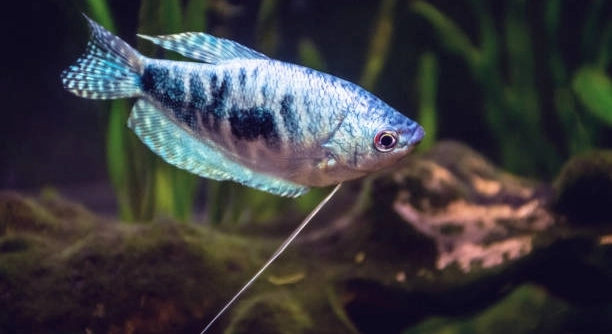
Many aquarists enjoy keeping gouramis for their vibrant colors and peaceful nature. Observing their behavior can be relaxing, but sudden changes in breathing patterns often catch attention and raise concern among hobbyists.
Rapid breathing in gouramis is typically a sign of stress or environmental imbalance. Common causes include low oxygen levels, poor water quality, high ammonia or nitrate concentrations, and illness. Addressing these factors promptly can help restore normal respiration.
Monitoring your gourami closely can reveal subtle changes before serious issues arise. Learning the reasons behind fast breathing ensures a healthier and more comfortable environment for your fish.
Common Causes of Fast Breathing in Gouramis
Gouramis may start breathing rapidly for several reasons, most of which relate to their environment. Poor water quality is one of the main factors. High ammonia, nitrite, or nitrate levels can irritate their gills, making it difficult to get enough oxygen. Low oxygen levels in the tank are another frequent reason, especially in overcrowded aquariums or tanks with minimal surface agitation. Temperature fluctuations can also stress gouramis, as sudden changes affect their metabolism and oxygen demand. In addition, certain illnesses, such as bacterial or parasitic infections, can make them breathe faster. Even minor injuries or internal parasites might impact their respiration. Observing other behaviors like lethargy, loss of appetite, or clamped fins can help identify underlying issues. Regular water testing, proper filtration, and maintaining a stable temperature are key measures to keep your gourami healthy and breathing normally.
Addressing water quality and oxygen levels quickly often restores normal breathing and reduces stress in gouramis.
Slowly adjusting water conditions and monitoring your fish can prevent recurring problems. Maintaining a consistent care routine is essential for their well-being.
Signs of Stress in Gouramis
Rapid gill movement and frequent surface gasping are common stress indicators.
Stress in gouramis can result from overcrowding, aggressive tankmates, or sudden environmental changes. Stress reduces their immune response, making them more vulnerable to disease. Frequent monitoring of behavior and tank conditions helps identify early warning signs. Changes in color, fin clamping, or unusual swimming patterns also point to stress. Providing hiding spots and ensuring a balanced diet can alleviate stress. Temperature stability and consistent water parameters support their comfort. Observing these signs regularly allows timely intervention and prevents more serious health issues. Stress is often manageable when recognized early, so maintaining a calm and clean environment is crucial.
Properly caring for gouramis involves attention to their behavior and environment. Rapid breathing often accompanies stress but may also indicate illness. Overcrowded tanks or aggressive companions can heighten anxiety, causing more rapid respiration. Environmental shifts like sudden temperature changes or water chemistry fluctuations also impact their oxygen needs. Providing consistent, calm surroundings with proper filtration, regular water changes, and gentle handling minimizes stress. Hiding spots, floating plants, and open swimming areas contribute to a sense of security. Feeding a balanced diet strengthens immunity, helping them cope with minor stressors. Recognizing early signs, such as unusual swimming or fin clamping, allows corrective measures before conditions worsen. By maintaining stable water conditions and monitoring behavior closely, fast breathing can be reduced, and gouramis can thrive in their tank.
How Water Quality Affects Breathing
Poor water quality directly impacts your gourami’s ability to breathe. High ammonia or nitrite levels irritate gills, while low oxygen levels force them to breathe faster. Regular testing and timely water changes are crucial to prevent stress and health issues.
Maintaining clean water involves more than routine changes. Proper filtration removes debris and harmful chemicals, while partial water changes help balance nitrogen compounds. Overfeeding can worsen water quality, producing excess waste that reduces oxygen levels. Aeration through air stones or surface agitation increases oxygen availability, supporting normal respiration. Plants can help absorb nitrates, but monitoring levels with a test kit is essential. Consistent attention prevents sudden respiratory problems.
Water parameters fluctuate if the tank is overcrowded or poorly maintained. Monitoring temperature, pH, and chemical levels ensures your gourami’s environment remains stable. Quick action on signs of poor water quality, like cloudy water or algae overgrowth, helps your fish recover faster. Regular observation combined with preventive measures keeps breathing steady.
Tank Setup and Environment
Gouramis need enough space and hiding spots to feel secure. Crowded tanks increase stress and can lead to rapid breathing.
Tank size, layout, and companions all influence respiratory health. Small tanks restrict movement and reduce oxygen availability, making gouramis more prone to fast breathing. Aggressive or overly active tankmates can cause stress, forcing your fish to expend energy and breathe faster. Adding plants, caves, or floating shelters allows them to rest and feel safe. Temperature stability is equally important, as sudden shifts increase oxygen demand and stress. Proper maintenance of substrate, decorations, and equipment ensures a healthy environment.
Floating plants and gentle water flow help gouramis regulate breathing naturally. By arranging the tank thoughtfully, you provide areas for both activity and rest. Avoid overstocking, and maintain filtration to keep water clean and oxygen-rich. Watching interactions and behavior regularly allows quick intervention if stress or rapid breathing occurs. A balanced environment reduces health risks, supporting calm and steady respiration while enhancing their overall well-being.
Common Diseases That Affect Breathing
Bacterial and parasitic infections often cause rapid breathing in gouramis. Gill damage or internal stress from illness makes oxygen intake more difficult, signaling a need for treatment.
Fungal infections and infestations can also impact respiration. Early detection is key to preventing serious complications. Quarantining new fish helps reduce the spread of disease in the tank.
Recognizing Early Symptoms
Rapid gill movement, gasping at the surface, and lethargy are clear signs. Fin clamping and unusual swimming patterns often accompany these symptoms. Prompt observation allows early intervention, which can save your gourami’s health.
Feeding and Nutrition
A poor diet can contribute to breathing difficulties. Overfeeding leads to waste buildup, reducing water quality, while nutritional deficiencies weaken the immune system, making gouramis more prone to stress and disease.
Oxygenation Techniques
Adding air stones, increasing surface agitation, and maintaining plants can improve oxygen levels. Proper aeration directly supports normal respiration, especially in warmer or crowded tanks.
Why is my gourami breathing rapidly even though the water looks clean?
Even if the water appears clear, it can still have elevated ammonia, nitrite, or nitrate levels, which irritate gills and reduce oxygen absorption. Temperature fluctuations or poor aeration may also stress the fish. Regular testing with a water kit and proper filtration ensures safe living conditions.
Can overcrowding cause fast breathing in gouramis?
Yes, too many fish in one tank limits oxygen availability and increases stress. Crowded conditions make gouramis compete for space and resources, leading to rapid respiration. Maintaining a suitable tank size and reducing the number of fish helps restore normal breathing patterns.
Does diet affect how my gourami breathes?
Overfeeding produces excess waste, deteriorating water quality and reducing oxygen levels. Nutritional deficiencies weaken immunity, making gouramis more susceptible to stress and illness, which can cause faster breathing. Feeding moderate, balanced meals supports both health and proper respiration.
Could temperature changes make my gourami breathe faster?
Sudden increases or decreases in water temperature affect metabolism and oxygen demand. Warm water holds less oxygen, forcing gouramis to breathe faster. Gradual adjustments and maintaining a stable temperature prevent unnecessary stress on their respiratory system.
Are surface gasping and rapid gill movement signs of disease?
Yes, these behaviors often indicate infections or parasites affecting the gills or internal organs. Bacterial, fungal, and parasitic conditions reduce oxygen efficiency, prompting faster breathing. Observing additional symptoms like clamped fins or lethargy helps identify potential illnesses. Quarantining and treating sick fish quickly is crucial.
Can poor tank decorations or layout contribute to fast breathing?
Inadequate hiding spots or sharp decorations increase stress and limit comfortable swimming space. Stress elevates oxygen requirements and may result in rapid breathing. Providing plants, caves, or floating shelters creates a calm environment that supports normal respiration.
How often should I test my tank water to prevent breathing issues?
Testing at least once a week for ammonia, nitrite, nitrate, and pH levels is recommended. Frequent monitoring allows early intervention before oxygen levels drop too low. Maintaining consistent water parameters is essential for keeping gouramis healthy and breathing normally.
Is it normal for gouramis to breathe faster occasionally?
Short periods of faster breathing can occur after activity or feeding. However, persistent rapid gill movement is a sign of stress, environmental imbalance, or illness. Observing behavior in context helps distinguish normal responses from warning signs requiring attention.
Can adding plants help with oxygen levels and breathing?
Yes, live plants absorb nitrates and release oxygen during photosynthesis, improving water quality. Floating or rooted plants provide shade and comfort, reducing stress and supporting steady breathing in gouramis. Combining plants with proper aeration optimizes oxygen availability.
What should I do if my gourami continues to breathe fast despite good water quality?
Persistent rapid breathing may indicate illness, parasites, or internal stress. Observing other symptoms and isolating the fish in a quarantine tank is advisable. Consulting a veterinarian or experienced aquarist for diagnosis and treatment ensures the fish recovers safely and maintains normal respiration.
Can stress from aggressive tankmates cause breathing problems?
Yes, aggressive or overly active fish create tension and force gouramis to expend more energy. This increased activity raises oxygen demand, leading to faster breathing. Separating aggressive tankmates or providing more hiding areas reduces stress and helps restore normal respiration.
Does filtration type affect gourami breathing?
Proper filtration removes waste and circulates oxygen, supporting healthy respiration. Filters that create gentle water flow prevent stagnant areas while avoiding excessive current, which can stress gouramis. Choosing the right filter and maintaining it regularly ensures both clean water and stable oxygen levels.
How long does it take for a gourami to recover normal breathing after correcting water issues?
Recovery varies depending on severity. Minor issues may resolve within a few hours, while prolonged exposure to poor water conditions may take days for gills and metabolism to normalize. Consistent care, monitoring, and gradual adjustments accelerate recovery.
Are there signs that rapid breathing is life-threatening?
Severe lethargy, loss of appetite, pale gills, or erratic swimming alongside fast breathing indicate a critical problem. Immediate intervention, such as water correction, oxygen supplementation, and potential medical treatment, is necessary to prevent serious health consequences.
Observing your gourami’s behavior is one of the most important parts of keeping them healthy. Fast breathing is often the first sign that something is off in their environment or health. Many factors can contribute, including water quality, oxygen levels, temperature, tank size, and stress. Even if everything looks fine at first glance, small changes in these areas can have a big impact on your fish’s breathing. Paying attention to the tank conditions, testing water regularly, and making small adjustments can prevent problems before they become serious. Maintaining a stable and clean environment allows your gourami to breathe comfortably and stay healthy over the long term.
Understanding the relationship between breathing patterns and stress or illness is essential. Rapid gill movement or surface gasping may signal water imbalance, overcrowding, or disease. Monitoring for other signs, such as clamped fins, lethargy, or unusual swimming behavior, helps identify the root cause. Early detection is key because many issues can worsen quickly if left unaddressed. For example, high ammonia or nitrite levels damage gills over time, making it difficult for your gourami to recover. Similarly, stress from aggressive tankmates or insufficient hiding spots can increase oxygen demand and weaken the immune system. Taking steps to address these factors promptly, such as improving water circulation, adjusting tank mates, or providing additional shelters, helps reduce stress and supports normal respiration.
Consistent care and observation are the foundation of preventing breathing problems in gouramis. Regular feeding with a balanced diet, maintaining proper tank size, and including live plants contribute to a stable and healthy environment. Aeration, gentle water flow, and periodic water testing ensure oxygen levels remain adequate. Even small adjustments, like temperature stabilization or partial water changes, can make a significant difference in your fish’s well-being. By staying attentive to changes in behavior and maintaining a consistent routine, you create an environment where your gourami can thrive. Over time, this attention to detail builds a healthier, calmer tank and reduces the chances of recurring breathing problems, ensuring your fish remain comfortable and resilient.

Hello,
If you enjoy the content that we create, please consider saying a "Thank You!" by leaving a tip.
Every little bit helps us continue crafting quality advice that supports the health, happiness, and well-being of pets around the world, for pets of all shapes, sizes, and species.
We really appreciate the kindness and support that you show us!