
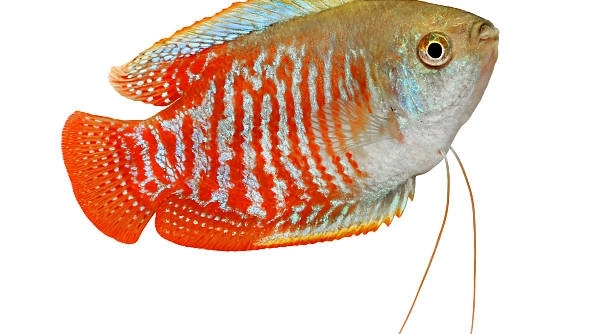
Gouramis are charming and peaceful fish that brighten up any aquarium. Over time, their behavior and appearance may subtly change, signaling that they are entering their later years. Observing these changes helps in providing proper care.
As gouramis age, common signs include slower swimming, faded colors, changes in appetite, fin deterioration, irregular breathing, decreased activity, and increased susceptibility to illness. Recognizing these indicators early allows for adjustments in their environment and diet to support longevity.
Noticing these subtle shifts can help you care for your gourami more effectively and keep them comfortable as they grow older.
Fading Colors
As gouramis grow older, their once vibrant colors often begin to dull. This change can be gradual and easy to miss at first, but over time it becomes more noticeable. Bright reds, blues, or golds may appear muted, and patterns on their bodies may seem less distinct. Changes in color are usually natural with age, though they can also indicate stress or illness. Ensuring your aquarium has stable water conditions and a balanced diet can help maintain what color your gourami has left. Sunlight or strong aquarium lighting may also affect how vivid they appear, so placement matters. Even small changes in the environment, like rearranging decorations or adding new fish, can slightly impact coloration. Watching your fish over time allows you to recognize what is normal for them and when something may need attention. Older gouramis may appear less flashy but can still be active and curious in their tank.
Color changes in gouramis are a normal sign of aging and do not always indicate illness.
Even though fading colors can seem worrying, they are usually just part of the natural aging process. Older gouramis may not have the bright sheen they once did, but they continue to thrive if their environment is stable. Maintaining clean water, avoiding sudden temperature changes, and feeding high-quality food can support their overall health. Stressful conditions often accelerate color loss, so observing behavior alongside coloration helps in understanding their well-being. Gentle care, such as adjusting tank companions and avoiding overcrowding, makes a significant difference. While the colors may fade, their charm and calm presence remain, allowing you to enjoy their company for many years. Accepting these changes can make watching them grow older a peaceful experience.
Slower Swimming
Older gouramis often swim more slowly than they did in their younger years.
Reduced energy levels are common in aging gouramis. Over time, their muscles lose some strength, and they may prefer drifting or hovering rather than active swimming. While occasional rest is normal, noticeable lethargy could indicate age-related decline or environmental stress. Keeping the tank well-maintained and feeding them properly helps support their energy.
Slower swimming can affect how your gourami interacts with other fish. They may no longer compete aggressively for food, often letting younger or more active fish take the lead. Observing their movement patterns can help you provide better care, like placing food closer to resting areas and avoiding strong currents in the tank. Gentle interaction, along with a calm environment, ensures that your older gourami remains comfortable and stress-free. Adjustments to tank setup, such as fewer decorations that obstruct movement and softer water flow, can make a noticeable difference. Watching their habits adapt over time helps you understand how aging affects them and how to accommodate their changing needs without impacting overall tank balance.
Changes in Appetite
Older gouramis often eat less than they used to. Their reduced appetite can be gradual and may seem minor at first, but it can affect their health over time.
A decline in eating is natural with age, but it can also reflect slower metabolism or mild digestive issues. They may nibble at food rather than eating full portions, or ignore certain types of food entirely. Offering a variety of high-quality flakes, pellets, or frozen foods can encourage them to eat more consistently. Monitoring their intake helps ensure they are not losing too much weight, which can make them more vulnerable to illness. Maintaining a consistent feeding schedule supports digestion and reduces stress, especially in older fish that may need more gentle handling.
Small adjustments, like soaking dry foods or cutting larger items into smaller pieces, can make feeding easier. Providing a quiet, low-competition environment encourages them to eat at their own pace. Keeping a close eye on weight and behavior helps you notice changes early. Additionally, separating particularly slow eaters during feeding times can prevent them from being outcompeted. By understanding these appetite shifts, you can maintain their nutrition and support their health comfortably as they age.
Fin Deterioration
Older gouramis may develop ragged or torn fins, which can worsen over time. Fin deterioration is often gradual, appearing first as small frays at the edges.
Fin damage in aging fish usually results from natural wear, minor injuries, or repeated contact with decorations. Poor water quality can also accelerate fin decay. Maintaining clean water, avoiding overcrowding, and providing smooth surfaces in the tank reduces further damage. Observing how fins change over time allows you to determine whether care adjustments are necessary.
It’s important to watch for signs of infection, such as discoloration, swelling, or inflammation, as older gouramis may have weaker immune systems. Using gentle filtration and avoiding aggressive tank mates minimizes stress and prevents additional tearing. A high-quality diet rich in vitamins and minerals supports fin regeneration. Regular tank maintenance and careful observation help ensure that fin deterioration does not lead to more serious health problems. Adjusting tank conditions to accommodate older fish helps them remain comfortable and active despite natural aging.
Irregular Breathing
Older gouramis may breathe unevenly or appear to gasp at the surface occasionally. This change can be subtle and happen more during activity or stress.
Irregular breathing is often linked to slower metabolism or mild swim bladder issues. Keeping water clean and oxygen levels stable helps reduce strain and supports easier breathing.
Decreased Activity
Aging gouramis tend to spend more time resting and less time exploring the tank. Their movements are slower, and they may hover near plants or decorations instead of swimming actively.
Increased Susceptibility to Illness
As gouramis grow older, their immune system weakens, making them more prone to infections, parasites, and other common fish diseases. Regular observation, consistent water changes, and maintaining a stress-free environment are essential to help older fish stay healthy.
Behavioral Changes
Older gouramis may become less social with tank mates, avoiding interaction or showing less interest in feeding. These changes are normal but should be monitored to ensure overall well-being.
FAQ
How can I tell if my gourami is old or just sick?
Aging gouramis show gradual changes like slower swimming, faded colors, and decreased appetite. Illness often appears more suddenly and may include abnormal swimming, clamped fins, rapid breathing, or visible lesions. Tracking daily behavior helps distinguish natural aging from health issues.
What should I feed an older gourami?
Older gouramis benefit from high-quality, easily digestible foods. Softened flakes, small pellets, and frozen or live foods are ideal. Feeding smaller portions more frequently encourages appetite and ensures they get enough nutrients without stressing their digestive system. Variety also helps maintain interest in food.
How often should I change the water for an aging gourami?
Consistent water quality is crucial. For older gouramis, weekly partial water changes of 25-30% are recommended. This reduces stress, prevents buildup of toxins, and supports their weaker immune systems. Always check temperature and pH to maintain a stable environment.
Can older gouramis live with younger fish?
Yes, but be mindful of tank dynamics. Older gouramis swim slower and may be outcompeted for food. Provide hiding spaces and monitor interactions to prevent bullying. Choosing peaceful tank mates helps reduce stress and encourages comfort for all fish.
Is it normal for an older gourami to hide more?
Yes, older gouramis often seek quiet areas and rest more. Hiding is a natural behavior with age and should not be immediately concerning unless accompanied by other signs of illness, such as rapid breathing or fin damage.
Should I adjust the tank setup for an aging gourami?
Yes, making small adjustments can improve comfort. Reduce strong currents, provide soft plants or decorations to rest near, and ensure food is accessible. Older gouramis benefit from calm areas where they can hover without effort.
How can I support their health as they age?
Regular monitoring of behavior, maintaining clean water, providing proper nutrition, and minimizing stress are key. Gentle interaction, avoiding overcrowding, and observing changes early helps prevent complications. Supplements like vitamins can be added if recommended for older fish.
When should I consult a vet?
If your gourami shows rapid weight loss, severe lethargy, clamped fins, unusual growths, or signs of infection, it is time to seek professional advice. Early intervention improves the chances of recovery and reduces suffering.
Can an older gourami still breed?
Breeding capability declines with age. Some older gouramis may still show mating behavior, but success rates drop. If breeding is a goal, it’s best to focus on younger, healthier fish to avoid stress on the older individual.
Do aging gouramis need less light?
Not necessarily, but providing areas of shade and gentle lighting can help reduce stress. Older gouramis often prefer calmer environments and may avoid bright or harsh light. Creating shaded zones in the tank allows them to regulate exposure naturally.
How long can a gourami live?
Gouramis generally live between 4 to 6 years, with some reaching 7 or 8 in optimal conditions. Lifespan depends on species, tank care, diet, and genetics. Older gouramis require closer attention to maintain quality of life throughout their later years.
Can stress accelerate aging?
Yes, stress from overcrowding, poor water quality, aggressive tank mates, or frequent changes can weaken immunity and reduce lifespan. Creating a stable and calm environment helps older gouramis maintain health and prevents premature decline.
Is it normal for older gouramis to swim near the surface?
Older gouramis may spend more time near the surface due to slower swimming and weaker energy. This behavior is typical, but ensure oxygen levels are adequate and check for swim bladder issues if they struggle to maintain balance.
What signs indicate it’s time to make special care adjustments?
Look for consistent lethargy, reduced appetite, fading colors, ragged fins, or irregular breathing. Even minor changes benefit from adjustments like easier access to food, quieter tank areas, and gentle water flow. These changes support comfort and health for older gouramis.
Can supplements help an aging gourami?
Vitamins and mineral supplements can support immune function and fin health. Only use products designed for fish and follow dosage instructions carefully. Supplements are most effective when combined with good water quality and proper nutrition.
How do I prevent disease in older gouramis?
Maintain clean water, perform regular water changes, avoid sudden temperature shifts, and quarantine new fish. Balanced nutrition and minimal stress are essential. Observing behavior daily allows early detection of illness, which is particularly important for aging fish with weaker defenses.
Are older gouramis less active at night?
Yes, activity naturally declines with age. Older gouramis may rest more often and move less at night. Providing a consistent light-dark cycle supports natural behavior and prevents stress from abrupt changes in lighting.
Can older gouramis recover from fin damage?
Yes, minor fin damage can heal if water quality is maintained and stress is minimized. Severe damage or infections may require additional care. Regular observation and gentle handling promote recovery without causing further harm.
Should I limit interactions with tank mates?
Older gouramis may benefit from reduced interaction with highly active or aggressive fish. Observing their behavior and providing quiet areas ensures they are not constantly stressed or forced into competition for food or space.
What is the best way to monitor health in aging gouramis?
Daily observation is key. Watch swimming patterns, feeding habits, color changes, and breathing. Keeping a simple log can help track subtle shifts. Early detection of changes allows you to take action before minor issues become serious problems.
Caring for an aging gourami requires attention, patience, and observation. As these fish grow older, they naturally go through physical and behavioral changes that may be subtle at first. Their colors may fade, swimming may slow, appetite may decrease, and fins may start to show signs of wear. These are all part of the normal aging process. Understanding what is typical for an older gourami helps you distinguish between natural signs of aging and potential health problems. Regularly observing your fish and knowing its usual habits allows you to respond appropriately when something seems different. By maintaining a stable and supportive environment, you can help your gourami live a longer, more comfortable life.
Water quality plays a central role in supporting the health of older gouramis. Clean, well-filtered water helps prevent infections and reduces stress, which becomes increasingly important as their immune system weakens with age. Routine partial water changes, monitoring temperature, pH, and ammonia levels, and avoiding overcrowding in the tank all contribute to a stable environment. Older gouramis are also more sensitive to strong currents and sudden disturbances. Arranging decorations, plants, and hiding spots in a way that allows easy navigation and quiet resting areas can improve their daily comfort. These small adjustments may seem minor, but they can have a big impact on the overall well-being of your fish.
Diet and feeding habits are another critical factor in caring for older gouramis. Their metabolism slows as they age, so providing smaller, more frequent meals can make digestion easier. Softened flakes, high-quality pellets, and occasional frozen or live foods are ideal. Observing which foods your gourami prefers and how it eats can help you maintain proper nutrition. Additionally, minimizing competition during feeding, especially in a community tank, ensures older fish get the nutrients they need. Paying attention to these details, combined with regular monitoring and gentle care, allows older gouramis to remain active, healthy, and comfortable throughout the later years of their life. Proper care during this stage makes a noticeable difference in their quality of life.

Hello,
If you enjoy the content that we create, please consider saying a "Thank You!" by leaving a tip.
Every little bit helps us continue crafting quality advice that supports the health, happiness, and well-being of pets around the world, for pets of all shapes, sizes, and species.
We really appreciate the kindness and support that you show us!