
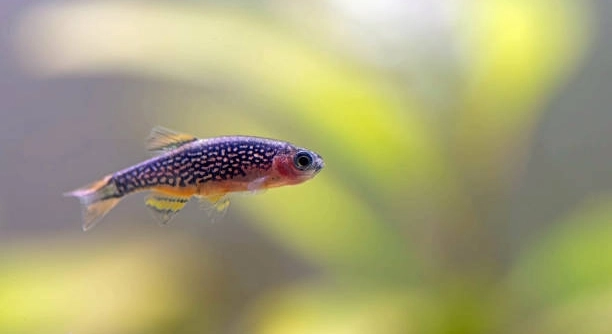
Celestial Pearl Danios are small, vibrant fish that bring life and color to any aquarium. Observing their shimmering scales and lively movements can be a calming and enjoyable experience for fishkeepers of all levels.
A group of seven Celestial Pearl Danios typically establishes a social hierarchy while exhibiting active schooling behavior. They require stable water conditions, sufficient space, and proper nutrition to thrive, ensuring both their health and a visually appealing, dynamic aquarium environment.
Maintaining their tank with care and understanding their interactions will create a harmonious environment that highlights their natural beauty and playful energy.
Setting Up the Ideal Tank
Creating the right environment for a group of seven Celestial Pearl Danios is essential for their well-being. They thrive in a tank of at least 20 gallons, which provides enough space for swimming and schooling. Soft, slightly acidic water is ideal, with temperatures ranging from 72 to 78°F. A planted tank offers hiding spots and a sense of security, which helps reduce stress. Smooth substrates prevent injury, and low-flow filtration ensures clean water without disrupting their delicate movements. Lighting should mimic a natural day-night cycle to support their activity and coloration. Regular water changes maintain stability, reducing the risk of disease. Adding moss or fine-leaved plants encourages natural behaviors like grazing and exploring. Observing how they interact with each other and their environment can help you spot early signs of stress or illness. Overall, attention to tank setup lays the foundation for healthy, active fish.
Providing stable water conditions and ample space keeps these fish happy and reduces stress effectively.
Proper feeding schedules are crucial. Offer high-quality flake or micro-pellet food once or twice daily, supplemented with live or frozen foods like daphnia or brine shrimp. Overfeeding can pollute the tank and harm water quality, so measure portions carefully. Observing their behavior during feeding can indicate if all fish are eating well or if some are being excluded. Live plants not only enhance the aesthetic but also provide natural grazing options. Maintaining a consistent routine for feeding, cleaning, and monitoring water parameters supports their overall health. While seven fish may seem easy to manage, each individual contributes to group dynamics, making attentiveness essential. A well-maintained tank encourages natural behavior, schooling patterns, and vivid coloration, creating a balanced environment.
Understanding Social Behavior
Celestial Pearl Danios are social fish that prefer living in small groups, ideally six to eight individuals.
In a group of seven, a subtle hierarchy naturally forms. Dominance is often expressed through chasing or brief displays rather than aggression. They spend most of their time schooling together, which provides comfort and security, and helps them navigate the tank efficiently. Each fish establishes its preferred position within the group, and interactions are generally peaceful when the tank is well-maintained. Minor squabbles are normal but rarely escalate if there is enough space and hiding spots. Observing these dynamics can be fascinating, as you notice individuals’ personalities and roles. Social cohesion strengthens over time, leading to synchronized swimming and coordinated movements. Providing varied terrain with plants, decorations, and open swimming areas supports these interactions. Understanding their behavior ensures a calm, lively aquarium where each fish can thrive, and helps in identifying early signs of stress or imbalance before problems arise.
Feeding and Nutrition
Celestial Pearl Danios need a varied diet to stay healthy. High-quality flakes or micro-pellets, supplemented with frozen or live foods, provide essential nutrients. Feeding once or twice daily in small portions prevents overfeeding and maintains water quality.
Consistency is key. Offering small, measured amounts of food ensures all seven fish receive proper nutrition without leftover waste. Live foods like daphnia or brine shrimp boost their protein intake, while occasional vegetable matter supports digestion. Observing their feeding behavior helps identify shy or weaker fish that may need extra attention. Over time, consistent feeding promotes vibrant colors, energetic swimming, and overall health, supporting natural behaviors like grazing and social interaction within the group.
Avoid sudden changes in diet. Gradually introducing new foods prevents stress or digestive issues. Some Celestial Pearl Danios may be picky initially, so persistence and patience are important. Maintaining proper feeding routines strengthens the social structure and ensures the group remains active and healthy. Using high-quality foods and occasional live treats replicates their natural diet and keeps the fish thriving.
Health Monitoring
Regular observation is crucial for spotting illness early. Watch for changes in color, swimming patterns, or appetite. Stress or poor water conditions often precede visible symptoms.
Water quality directly affects their health. Maintaining stable temperature, pH, and ammonia levels prevents stress-related diseases. Quarantining new additions reduces the risk of introducing pathogens. Occasional partial water changes and proper filtration support overall tank hygiene. Monitoring their behavior during daily care routines, such as feeding or interacting with tank decorations, allows you to notice subtle signs of discomfort or illness before it escalates.
Preventive care is more effective than treatment. Maintaining a clean, stable environment minimizes the risk of common issues like fin rot or ich. Balanced nutrition, combined with a properly set-up tank, supports strong immune systems. Observing interactions between fish can also highlight social stressors that may impact health. Early detection and consistent maintenance help ensure longevity and well-being for the entire group of Celestial Pearl Danios.
Tank Mates
Choosing compatible tank mates is important for Celestial Pearl Danios. Peaceful, small fish like small rasboras or shrimp work well. Avoid aggressive or much larger species that could stress them.
Keeping the group together ensures they feel secure. Stress from unsuitable companions can lead to illness or hiding. Proper selection preserves their natural schooling behavior and activity levels, maintaining harmony in the tank.
Breeding Considerations
Breeding Celestial Pearl Danios requires attention to water conditions and tank setup. They prefer fine-leaved plants or spawning mops to lay eggs. Removing adults after spawning prevents egg predation. Regular feeding with live or frozen foods encourages readiness to breed.
Common Behavioral Traits
Celestial Pearl Danios are active swimmers, often exploring every part of the tank. They display curiosity without aggression, maintaining close proximity to one another. Their schooling behavior helps them feel safe and confident, especially in a group of seven.
Water Maintenance
Maintaining clean water is essential. Regular water changes and monitoring parameters like pH, ammonia, and temperature support their health and overall well-being.
FAQ
How many Celestial Pearl Danios should I keep together?
A minimum of six is recommended, but seven works well for small tanks. This allows them to establish a social hierarchy and maintain schooling behavior. Fewer than six may lead to stress or shy behavior, as these fish rely on group interactions for security and confidence.
What size tank is suitable for seven Celestial Pearl Danios?
A 20-gallon tank provides enough swimming space for seven fish. This size allows for proper schooling and prevents overcrowding, which can lead to stress and aggression. Additional decorations and plants can be added to create hiding spots without limiting swimming areas.
What water conditions do they need?
They thrive in soft, slightly acidic water with a pH of 6.5 to 7.5. Temperature should be kept between 72 and 78°F. Stable conditions are critical, as sudden changes in temperature or pH can cause stress, illness, or behavioral changes.
What should I feed them?
Feed a mix of high-quality flakes or micro-pellets once or twice daily. Supplement with live or frozen foods like daphnia, brine shrimp, or micro worms to provide protein. Avoid overfeeding, as leftover food can pollute the tank and harm water quality.
How can I tell if my fish are stressed?
Signs of stress include hiding frequently, fading colors, erratic swimming, or loss of appetite. Maintaining stable water parameters, proper tank mates, and consistent feeding routines helps minimize stress. Observing behavior regularly allows early detection of issues.
Can they breed in a home aquarium?
Yes, with the right conditions. Provide fine-leaved plants or spawning mops, and ensure adults are removed after spawning to prevent egg predation. High-quality food, especially live or frozen protein-rich options, encourages breeding behavior and readiness.
Which tank mates are suitable?
Peaceful, small fish are ideal, such as small rasboras, neon tetras, or small shrimp. Avoid larger or aggressive species that could intimidate or harm the group. Compatible companions help maintain harmony and reduce stress in the tank.
How often should I clean the tank?
Perform partial water changes of 20-30% weekly to maintain water quality. Check ammonia, nitrite, nitrate, and pH levels regularly. Proper filtration and occasional substrate cleaning prevent buildup of harmful waste while supporting healthy fish behavior.
Why are they so active?
Celestial Pearl Danios are naturally energetic and curious. Their schooling behavior encourages synchronized swimming and constant movement. Providing sufficient space, open swimming areas, and varied terrain allows them to express these natural behaviors safely.
What should I do if a fish becomes ill?
Quarantine the affected fish and monitor water conditions. Early detection of illness, combined with appropriate treatment, improves recovery. Maintaining a clean tank and balanced diet reduces the risk of common diseases like ich or fin rot.
How do I encourage natural behavior?
Include plants, moss, and smooth decorations to create hiding spots. Maintain stable water conditions and a consistent feeding schedule. A group of seven allows for healthy schooling, which supports natural social interactions and reduces stress.
Are there any long-term care tips?
Consistency is key. Monitor water quality, provide proper nutrition, and keep compatible tank mates. Regular observation helps catch early signs of stress or illness. Maintaining this routine ensures longevity, vibrant colors, and active, healthy fish.
Can they adapt to different environments?
They adapt well to planted tanks with moderate lighting and gentle water flow. Sudden changes in environment, temperature, or water chemistry can cause stress. Gradual adjustments and attention to tank setup help them settle comfortably.
Do they require special lighting?
Moderate lighting that mimics a natural day-night cycle enhances coloration and encourages activity. Avoid overly bright or harsh lighting, as this can stress the fish. Plants and decorations also help diffuse light and create shaded areas for comfort.
How long do Celestial Pearl Danios live?
With proper care, they can live 3 to 5 years, sometimes longer. Stable water conditions, a nutritious diet, and low-stress environments contribute to longevity. Observing their behavior and health regularly ensures they remain active and vibrant.
What signs indicate a healthy group of seven?
Bright, consistent coloration, synchronized schooling, and active swimming are positive indicators. Healthy appetites and minimal hiding suggest low stress and good tank conditions. Regular observation allows you to maintain their health and intervene if problems arise.
Is tank decoration necessary?
Yes, decorations, plants, and moss provide hiding spots, reduce stress, and encourage natural grazing behavior. Open areas for swimming are equally important. A balanced combination supports social interactions, active behavior, and overall well-being.
How should I handle water parameter changes?
Make adjustments gradually to avoid shock. Monitor pH, temperature, and hardness carefully. Sudden fluctuations can stress fish, weaken immunity, and disrupt social dynamics, potentially causing health issues or reduced activity.
Can they live alone?
They are social fish and should not be kept alone. A single fish may become shy, stressed, or lethargic. Keeping at least six supports natural schooling, social interactions, and overall well-being, enhancing both behavior and coloration.
Are there any seasonal care adjustments?
Maintain stable indoor temperatures year-round. If tank is near windows or in cooler rooms, consider using a heater during colder months. Seasonal changes in lighting or temperature can stress fish, so gradual adjustments help maintain consistent conditions.
Do they interact with humans?
While not interactive like some larger fish, they recognize feeding routines and may swim near the glass. Observing them daily allows you to monitor health and enjoy their energetic, playful movements in the tank.
How do I prevent overpopulation?
Remove eggs or separate breeding pairs if necessary. Controlling breeding prevents overcrowding, which can lead to stress, reduced water quality, and increased disease risk. Maintaining planned numbers ensures a balanced and healthy aquarium environment.
What are common mistakes to avoid?
Overcrowding, inconsistent feeding, rapid water changes, and choosing aggressive tank mates can all negatively affect the group. Paying attention to water quality, diet, and behavior prevents stress, illness, and reduced activity. Careful planning supports healthy, active fish.
Are they suitable for beginners?
Yes, with attention to water stability, tank size, and feeding. They are hardy, active, and visually rewarding, making them ideal for those willing to maintain consistent care routines and monitor group dynamics closely.
Final Thoughts
Keeping a group of seven Celestial Pearl Danios can be a rewarding experience for anyone who enjoys maintaining a lively and visually appealing aquarium. These small fish are active, curious, and colorful, and their schooling behavior adds movement and life to the tank. Proper care involves setting up the right environment, including a tank of sufficient size, stable water conditions, and appropriate plants and decorations. Each of these elements supports their natural behavior, reduces stress, and encourages healthy interactions within the group. Observing them as they swim together or explore their surroundings can be calming and satisfying, and it provides insight into their social dynamics and personalities. Over time, a well-maintained tank allows the fish to display their full range of activity, showing coordinated schooling, playful exploration, and vibrant coloration that highlights their natural beauty.
Nutrition and feeding routines are equally important in maintaining their health and vitality. Celestial Pearl Danios thrive on a varied diet that includes high-quality flakes or micro-pellets, supplemented with occasional live or frozen foods such as brine shrimp or daphnia. Feeding should be done in measured portions to prevent overfeeding and maintain water quality, which directly affects the fish’s overall health. Consistent observation during feeding helps identify individuals that may be shy or struggling to compete for food. Providing adequate nutrition not only supports their physical development but also enhances their energy levels and natural behaviors. Combined with regular tank maintenance, careful feeding practices ensure that all seven fish remain active, social, and healthy, contributing to a harmonious and visually appealing aquarium environment.
Long-term care requires attention to both environmental stability and the fish’s social needs. Regular water changes, monitoring of pH, temperature, and ammonia levels, and maintaining clean substrates and filters are essential for preventing stress and disease. Understanding the social structure of a group of seven allows for better management of potential conflicts and ensures that each fish can thrive without being bullied or excluded. Choosing compatible tank mates and creating hiding spaces helps minimize stress and maintain the natural schooling behavior that is characteristic of Celestial Pearl Danios. By paying attention to these factors, fishkeepers can create a balanced environment that promotes the health, longevity, and well-being of every fish in the group. With careful care and observation, a tank of seven Celestial Pearl Danios can be a lively, engaging, and visually stunning addition to any home aquarium.

Hello,
If you enjoy the content that we create, please consider saying a "Thank You!" by leaving a tip.
Every little bit helps us continue crafting quality advice that supports the health, happiness, and well-being of pets around the world, for pets of all shapes, sizes, and species.
We really appreciate the kindness and support that you show us!