
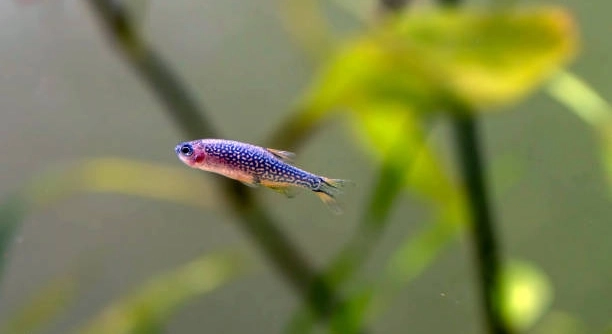
Danios are small, active fish that often display surprising behaviors. They react to objects in their environment in ways that can be both entertaining and unusual. Observing these reactions can reveal much about their instincts and preferences.
Danios respond to various uncommon objects due to their innate curiosity and sensitivity to movement, shape, and color. Items such as mirrors, floating toys, and colored decorations can trigger exploratory or defensive behaviors in these fish.
Exploring these responses provides insight into danio behavior and can help enhance the enrichment of their aquarium environment for long-term wellbeing.
Mirrors and Reflections
Danios often react strongly to mirrors or reflective surfaces placed in their tanks. The fish may dart back and forth, circle, or display flaring behavior when they see their reflection. This response is not aggression toward themselves, but rather an instinctive reaction to what they perceive as another fish intruding into their territory. Some danios will interact curiously, while others show signs of stress. The size and angle of the reflection can influence the intensity of their response, with larger reflections often provoking more energetic movements. Placement near commonly used areas of the tank encourages repeated interaction. Observing these reactions helps aquarists understand individual temperaments and social tendencies. Reflection-induced behavior can also be a form of enrichment, stimulating mental and physical activity, especially in tanks with limited space or fewer tank mates. Care should be taken to monitor stress levels and limit prolonged exposure if negative signs appear.
The reaction to mirrors is largely instinctive, with fish treating their reflection as a potential competitor or ally, depending on their temperament.
Mirrors can be used strategically to stimulate activity. Short, supervised exposure encourages exercise without causing prolonged stress. Observing how different individuals respond helps tailor tank enrichment. Reflection can also provide subtle social cues, especially for solitary danios, encouraging interaction without adding more fish. Repeated use should be carefully monitored to prevent overstimulation or fatigue. Adjusting angles or sizes allows aquarists to modify responses, keeping the experience engaging but safe.
Floating Objects
Floating objects such as small plastic balls, leaves, or plant fragments can attract the attention of danios. These items move unpredictably, triggering the fish’s natural curiosity and hunting instincts. Some danios chase, nibble, or even attempt to push objects around the tank. The material, size, and buoyancy of the object influence the reaction. Lightweight objects move more easily, encouraging playful interaction, whereas heavier items may be largely ignored. Danios may also explore floating objects for potential hiding spots, especially if the tank lacks sufficient cover. This behavior can reveal individual personalities, with some fish being highly investigative and others more cautious. Observing how danios react provides insight into environmental enrichment and stimulates natural behaviors, reducing boredom in confined spaces. Over time, varied floating items can maintain mental stimulation while giving the fish opportunities to explore and manipulate their surroundings.
Floating items create natural mental and physical engagement for the fish.
Introducing floating objects periodically encourages active exploration. Different shapes and textures provoke diverse responses, stimulating natural instincts like foraging and chasing. Careful rotation prevents habituation and keeps fish engaged. Observing how each danio interacts also informs future tank setups and enrichment strategies. This simple approach supports healthy activity and provides insight into fish behavior.
Colored Decorations
Danios are highly sensitive to bright colors. Objects like red or blue ornaments often catch their attention immediately, triggering chasing or circling behavior. The contrast with the tank background enhances visibility, making these decorations especially stimulating for active fish.
Brightly colored decorations can influence activity levels and curiosity. Fish may spend time inspecting, nibbling, or swimming around these objects, integrating them into daily exploration patterns. Color can also help differentiate areas in the tank, guiding movement and providing visual stimulation. Subtle variations in hue or placement can produce different responses, with some danios showing repeated interest while others avoid certain colors. Using multiple tones can maintain engagement without overwhelming the fish, encouraging consistent activity and enhancing overall tank dynamics.
Placement and rotation of colored items is important. Moving them periodically keeps responses fresh, prevents boredom, and allows for observation of individual preferences. Some danios may consistently favor one color over another, providing insight into personality and temperament. Colors combined with shapes or floating elements can further enrich the environment. Observing interactions over time helps adjust tank setups for mental stimulation and physical exercise, promoting healthier, more active fish.
Small Mirrors
Small mirrors provoke immediate and varied reactions. Some danios dart rapidly, while others hover cautiously. Even brief exposure can stimulate activity or trigger territorial behavior.
Mirrors create a sense of presence that danios interpret as another fish. Reactions include flaring, chasing, and circling. Behavioral intensity depends on mirror size, placement, and the fish’s individual temperament. Smaller mirrors often encourage short bursts of activity without prolonged stress. Repeated exposure can reveal dominance or cautious tendencies among tank inhabitants. Monitoring responses ensures that mirrors remain a safe form of enrichment and do not contribute to long-term anxiety.
Using mirrors strategically can enhance physical and mental activity. Positioning them near frequently used swimming areas encourages natural movement patterns. Rotating placement prevents habituation and keeps responses dynamic. Mirrors can also act as temporary social stimuli, particularly in tanks with fewer fish, prompting interaction without introducing new tank mates. Observing reactions over time provides insights into individual behavior and social tendencies, guiding decisions for enrichment, tank layout, and daily stimulation routines. Proper use supports healthier, more active danios while maintaining a controlled environment.
Shiny Objects
Danios are drawn to shiny surfaces, such as small metal beads or reflective stones. The light bouncing off these objects often triggers chasing and inspecting behaviors, keeping the fish actively engaged.
Repeated exposure to shiny items can maintain curiosity and encourage swimming activity. These objects offer visual stimulation, making the tank environment more dynamic and interesting for the fish.
Small Plants
Live or artificial small plants provide both hiding spots and exploration opportunities. Danios often swim through, around, or under these plants, displaying natural foraging and evasive behaviors. Plants can reduce stress, create boundaries in the tank, and support more active, confident movement patterns.
Moving Objects
Objects that drift or float slowly through the tank catch danios’ attention. They often chase, push, or investigate these items, showing strong engagement and mental stimulation. Floating toys or plant fragments can provide varied movement patterns for active interaction.
Textured Surfaces
Danios are sensitive to surfaces with texture, such as rough stones or ridged decorations. They explore these areas by rubbing, nibbling, or swimming closely along the contours. Textured objects enhance environmental complexity and stimulate natural behaviors.
FAQ
Why do danios react to mirrors?
Danios perceive their reflection as another fish in their territory. This triggers instinctive behaviors like chasing, flaring, or circling. The reaction is largely driven by curiosity and a sense of social interaction rather than aggression toward themselves. Mirror size and placement can influence intensity.
Can floating objects stress danios?
Yes, if objects move too quickly or unpredictably, some danios may become cautious or hide. Light, slow-moving items generally encourage exploration, while abrupt or frequent changes can increase stress levels. Observing behavior helps determine safe interaction levels.
Do danios prefer certain colors?
Danios are naturally drawn to bright colors, especially red, blue, and yellow. These hues stand out against tank backgrounds, stimulating curiosity and encouraging interaction. Individual preferences vary, and rotating decorations can maintain engagement without overstimulation.
Are shiny objects safe for danios?
Shiny objects are safe if they are non-toxic and too large to be swallowed. They provide visual stimulation and encourage chasing or investigating behaviors. Care should be taken to remove objects with sharp edges or coatings that could harm the fish.
How often should mirrors or decorations be moved?
Movement or rotation every few days helps maintain interest and prevents habituation. Regular changes in placement or type of object ensure that danios remain mentally and physically active without experiencing prolonged stress.
Can plants improve danio behavior?
Yes, small live or artificial plants provide shelter and exploration opportunities. Danios use plants to hide, swim through, or investigate, which reduces stress and encourages natural behaviors such as foraging and evasive swimming. Plants also create visual boundaries, enhancing comfort.
Why do danios chase moving objects?
Moving objects trigger natural hunting and exploratory instincts. Danios respond to changes in motion, shape, or light patterns, simulating prey or environmental stimuli. Controlled exposure supports mental stimulation and exercise without overwhelming the fish.
What textures do danios enjoy?
Rough or ridged surfaces like stones or textured ornaments encourage rubbing, nibbling, and close swimming. These textures provide sensory stimulation and mimic natural environments, supporting exploratory and social behaviors.
Are reactions the same for all danios?
No, individual temperaments vary. Some danios are bold and highly interactive, while others are cautious or easily startled. Observing each fish allows for tailored enrichment strategies that suit their activity levels and personality traits.
Can repeated exposure to the same object become boring?
Yes, repeated exposure without variation can lead to habituation. Rotating objects, colors, or types of enrichment maintains engagement and prevents behavioral stagnation. Variation keeps danios active and mentally stimulated.
How can I safely enrich a danio tank?
Introduce a mix of mirrors, colored decorations, floating objects, plants, and textured surfaces. Monitor stress levels, rotate items periodically, and ensure all objects are safe, non-toxic, and appropriately sized. Balancing stimulation and comfort supports long-term health and natural behaviors.
Do danios react differently based on tank size?
Yes, in smaller tanks, reactions may be more intense due to limited space and closer proximity to objects. Larger tanks allow more exploration and reduce territorial stress, while still providing opportunities for interaction and engagement with enrichment items.
Is it normal for danios to ignore objects sometimes?
Yes, curiosity varies by individual temperament and energy levels. Some fish may explore actively one day and ignore objects the next. This behavior is normal and can indicate mood, health, or comfort levels in the tank.
Can enrichment affect social behavior?
Proper enrichment can promote positive social interactions, reduce aggression, and encourage natural group dynamics. Objects that stimulate exploration or mild competition can improve engagement without causing prolonged stress or conflict.
How can I tell if an object is too stressful?
Signs include prolonged hiding, frantic swimming, color fading, or reduced appetite. If these occur, remove or reposition the object and monitor behavior. Gradual reintroduction or less stimulating items can provide safer engagement for sensitive danios.
Does water quality influence reactions to objects?
Yes, poor water quality can reduce activity, curiosity, and responsiveness. Healthy water conditions, proper filtration, and consistent maintenance ensure that enrichment items elicit natural behaviors without adding stress.
Are artificial plants as effective as live ones?
Artificial plants provide visual and physical stimulation but lack certain benefits of live plants, such as oxygenation and micro-habitats. Both types can support exploration, hiding, and natural behaviors, depending on tank setup and fish preference.
Can enrichment help reduce boredom in danios?
Yes, varied objects, movement, and sensory stimulation reduce inactivity and repetitive behaviors. Maintaining a mix of mirrors, decorations, floating items, and textured surfaces keeps danios engaged, active, and healthier over time.
How do I observe individual preferences?
Watch interactions with different objects and note which items receive attention, play, or avoidance. Individual preferences reveal personality traits, helping tailor enrichment strategies to support curiosity, activity, and comfort for each danio.
Should I remove objects at night?
It depends on the tank environment. Danios typically rest at night, and leaving objects in place is safe if they do not obstruct swimming or create hazards. Observation ensures nighttime conditions remain comfortable and low-stress.
Can enrichment reduce aggression in danios?
Yes, objects that provide hiding spots or visual boundaries can minimize territorial disputes. Mirrors, floating items, and plants give fish opportunities to explore and retreat, supporting calmer social interactions and reducing conflict within the tank.
Do danios react differently in groups versus alone?
Group dynamics can influence reactions. In groups, danios may mimic others’ interactions, creating more active exploration or competitive chasing. Solitary danios may respond more cautiously or focus attention on fewer objects, highlighting individual curiosity levels.
How long should enrichment sessions last?
Short, repeated exposures of 30–60 minutes daily encourage activity without overstimulation. Prolonged exposure can increase stress in sensitive individuals, so timing should balance engagement and rest periods.
Can temperature affect how danios respond to objects?
Yes, lower temperatures may reduce activity, curiosity, and exploration. Warmer, stable temperatures support normal movement patterns and reactions to enrichment, allowing fish to interact fully and safely with objects.
What is the safest way to introduce a new object?
Place the object gently in the tank, ideally near familiar areas. Monitor initial reactions for signs of stress, allowing gradual exploration. Avoid sudden movements or overcrowding the tank with multiple new items at once.
Can enrichment items improve overall tank health?
Yes, mental and physical stimulation encourages natural swimming patterns, reduces boredom, and supports cardiovascular activity. Healthy engagement with objects complements proper water quality, diet, and social conditions, contributing to long-term wellbeing.
Are there objects I should avoid entirely?
Avoid small items that can be swallowed, sharp-edged decorations, or materials that leach chemicals. Unsafe objects can cause injury, stress, or toxicity, undermining enrichment efforts and threatening fish health.
How do I track changes in behavior over time?
Keep notes on responses to objects, frequency of interaction, and signs of stress or boredom. Observing trends helps adjust enrichment strategies and ensures that each danio remains engaged and comfortable.
Is it normal for danios to react differently to the same object over time?
Yes, interest may fluctuate based on mood, health, or recent experiences. Variation is normal and indicates adaptive behavior, allowing aquarists to refine enrichment practices and maintain engagement.
How can enrichment support natural instincts?
Objects that move, reflect light, or provide shelter mimic environmental stimuli danios encounter in the wild. This encourages foraging, exploration, and social behaviors, maintaining mental sharpness and physical fitness in captivity.
Do different danio species react differently?
Yes, individual species may vary in curiosity, boldness, and interaction style. Observing specific species’ tendencies helps select appropriate enrichment items that match behavior patterns and activity levels.
Can enrichment reduce stress during tank maintenance?
Providing familiar objects or hiding spots before cleaning can give danios a sense of security. Gradual introduction and safe spaces reduce anxiety, making routine maintenance less disruptive to their behavior.
How important is variety in tank objects?
Variety prevents habituation and maintains mental stimulation. A combination of mirrors, colored decorations, floating items, textured surfaces, and plants encourages consistent engagement, physical activity, and exploration, supporting healthier and more confident fish.
Should enrichment change as danios grow?
Yes, juveniles may prefer smaller, more mobile objects, while adults respond to larger decorations and mirrors. Adjusting enrichment to size and activity level ensures ongoing stimulation and reduces boredom.
Can enrichment affect feeding behavior?
Objects that encourage chasing or exploration can complement feeding routines by stimulating natural hunting instincts. This encourages active consumption and prevents lethargy, contributing to a balanced and healthy lifestyle for danios.
What is the main goal of enrichment for danios?
The primary goal is to encourage natural behaviors, maintain activity levels, and reduce stress. Thoughtful use of mirrors, plants, colored and textured objects provides physical and mental stimulation while supporting overall wellbeing in the tank.
How can I ensure safety while enriching the tank?
Regularly inspect items for damage, sharp edges, or toxic materials. Introduce one object at a time, monitor reactions, and rotate objects gradually. Safety ensures that enrichment remains beneficial without causing harm or stress.
Can enrichment extend the lifespan of danios?
While not a substitute for proper diet and water quality, consistent mental and physical stimulation contributes to healthier, more active fish. Enrichment supports natural behaviors and reduces stress-related issues, indirectly supporting longevity.
Is it necessary to use all types of enrichment at once?
No, gradual introduction is better. Start with a few objects, observe reactions, and adjust based on preference and stress levels. Overcrowding can be counterproductive, while selective enrichment ensures safe, targeted stimulation.
How do I know if enrichment is effective?
Active exploration, chasing, circling, and interaction with objects indicate effective enrichment. Reduced stress behaviors, sustained activity, and engagement with multiple objects show that stimulation is supporting healthy behavior and mental engagement.
Can enrichment replace social interaction in a group of danios?
Enrichment complements social interaction but does not replace it. Danios benefit from tank mates for social behaviors, while objects stimulate curiosity, exploration, and exercise, enhancing overall mental and physical health.
How often should I review enrichment strategies?
Regular observation and adjustment every few weeks help maintain engagement and prevent boredom. Changes in fish behavior, tank size, or number of objects can guide updates to enrichment strategies for ongoing effectiveness.
Does enrichment require additional tank maintenance?
Yes, items must be cleaned regularly to prevent algae buildup or bacterial growth. Maintenance ensures objects remain safe, hygienic, and stimulating, supporting the long-term health of danios and tank balance.
Can enrichment reduce aggression in multi-species tanks?
Providing hiding spots, visual barriers, and stimulating objects can reduce territorial disputes. Objects offer alternative focus points, helping fish manage social interactions and maintain calmer dynamics in a mixed-species environment.
Is there a recommended order for introducing objects?
Start with simple, non-threatening items like floating plants or textured surfaces, then gradually introduce mirrors or brightly colored objects. Observing responses ensures gradual acclimation and prevents stress or overstimulation.
Can enrichment help identify health issues early?
Yes, changes in interaction, activity, or curiosity can indicate illness or stress. Monitoring responses to familiar objects provides insight into health status and helps address potential problems promptly.
Do danios enjoy interaction with humans during enrichment?
Some danios respond positively to human presence near objects, showing curiosity or approaching the tank. Others may prefer minimal interaction. Observing individual responses helps tailor enrichment and minimize stress.
How do I combine different enrichment types effectively?
Mix colors, textures, and movement to maintain interest. Rotate mirrors, floating objects, plants, and textured surfaces to prevent habituation. A balanced approach ensures mental stimulation, physical activity, and social interaction without overwhelming the fish.
Can enrichment prevent repetitive or abnormal behaviors?
Yes, varied objects and stimulation reduce boredom, repetitive swimming patterns, and stress-related behaviors. Active engagement with safe, rotating items encourages natural movement and exploration, promoting healthier and more confident danios.
How can I assess if enrichment meets all needs?
Evaluate physical activity, curiosity, stress levels, and interaction patterns. Observing engagement over time, combined with monitoring water quality and social behavior, ensures enrichment supports both mental and physical wellbeing.
Does enrichment influence breeding behavior?
Yes, stimulation can encourage natural courtship and spawning behaviors. Providing plants, floating objects, and visual boundaries supports the display of mating behaviors and creates a safer, engaging environment for reproductive activity.
How long does it take for danios to react to a new object?
Responses may be immediate or gradual. Some fish approach, chase, or explore within minutes, while others take several days to feel comfortable. Patience and observation ensure safe, gradual adaptation.
Can enrichment benefit older or less active danios?
Yes, objects that encourage gentle movement, exploration, or hiding opportunities can maintain activity levels and mental stimulation in older or less active individuals. Tailored enrichment supports mobility and engagement.
How do I balance activity and rest with enrichment?
Provide periods of exposure followed by quiet intervals. Avoid leaving overly stimulating objects in place continuously. Balancing activity and rest ensures healthy energy levels, prevents stress, and maintains long-term engagement.
Is enrichment useful for newly introduced fish?
Yes, safe and familiar objects help acclimate new fish, providing exploration opportunities and temporary focus points. Gradual introduction reduces stress and encourages natural behaviors while adjusting to the tank environment.
Can enrichment help with feeding routine issues?
Yes, stimulating objects can encourage movement and hunting instincts, making feeding more effective. Incorporating enrichment near feeding areas can support natural foraging behaviors and improve appetite in reluctant eaters.
How do I document enrichment outcomes effectively?
Keep a log of object types, fish interactions, stress signs, and activity levels. Recording observations over time helps refine strategies, track preferences, and ensure that enrichment supports ongoing mental and physical wellbeing.
Are there signs that enrichment is too mild?
Yes, if fish ignore objects, remain inactive, or show minimal curiosity, stimulation may be insufficient. Introducing new colors, textures, or movement patterns can increase engagement without causing stress.
Does enrichment impact water chemistry?
Some objects, especially live plants or untreated materials, can alter water chemistry. Regular monitoring and appropriate maintenance ensure stable conditions while maintaining the benefits of enrichment.
Can enrichment be tailored for individual danios?
Yes, observing preferences and activity levels allows selection of items that match personality traits. Tailored enrichment ensures each fish receives stimulation appropriate for curiosity, energy, and comfort, enhancing overall wellbeing.
How do I know when to retire an enrichment item?
Remove objects showing damage, algae buildup, or loss of interest from fish. Rotating or retiring items keeps stimulation fresh, maintains safety, and prevents prolonged habituation or neglect.
Can enrichment replace social interaction in solitary tanks?
No, enrichment provides mental and physical stimulation but cannot fully substitute for social behaviors. Solitary fish benefit from safe, varied objects, though natural social instincts remain unfulfilled without tank mates.
Is it normal for danios to compete over objects?
Yes, mild competition is natural. Providing multiple objects or adequate space reduces conflict. Observing interactions ensures that competition does not escalate into aggression or stress, maintaining balance in the tank.
Can enrichment affect stress during water changes?
Providing familiar or hiding objects during water changes can reduce anxiety. Gradual introduction and presence of safe, stimulating items support calm behavior and prevent overreaction during temporary environmental changes.
Do danios react differently to natural versus artificial objects?
Yes, natural items like live plants or driftwood may elicit more exploration or hiding behaviors, while artificial items stimulate visual curiosity. Both types provide enrichment, and combining them offers varied mental and physical stimulation.
Can enrichment influence swimming patterns?
Yes, strategically placed objects guide movement, encourage exercise, and promote varied swimming behaviors. Mirrors, textured surfaces, and floating items can prevent repetitive patterns and support healthier, more active fish.
Are enrichment benefits immediate or gradual?
Benefits can appear quickly, with increased activity or curiosity, or gradually as fish adapt. Patience and observation ensure safe integration and sustained stimulation for mental and physical wellbeing.
How do I maintain long-term enrichment effectiveness?
Rotate objects, monitor responses, and adjust based on individual preferences and activity levels. Ensuring variety, safety, and appropriate exposure supports ongoing engagement, healthy behaviors, and overall tank balance.
Can enrichment reduce boredom in high-density tanks?
Yes, varied objects and stimulation provide mental engagement and physical activity, even in crowded environments. Proper placement prevents territorial disputes while maintaining active and engaged fish.
Should enrichment vary with seasons?
While not essential, minor seasonal adjustments in objects or placement can refresh interest. Changing light angles, colors, or textures may maintain engagement without causing stress or disruption to daily routines.
Is it necessary to observe all fish individually?
Observing individuals helps identify preferences, stress responses, and social dynamics. Tailoring enrichment to different temperaments ensures safer, more effective stimulation and supports balanced activity across the tank population.
Can enrichment influence overall tank harmony?
Yes, providing hiding spots, stimulating objects, and varied activity areas reduces stress, minimizes conflict, and encourages natural behavior patterns. Thoughtful enrichment supports a calmer, healthier, and more balanced tank environment.
How often should enrichment strategies be reevaluated?
Review every few weeks or when tank conditions change. Adjust based on fish behavior, growth, or activity patterns to ensure continuous engagement and effective mental and physical stimulation.
Do enrichment objects require cleaning?
Yes, regular cleaning prevents algae, bacterial buildup, and potential toxins. Safe, hygienic objects maintain both stimulation and tank health, supporting long-term wellbeing of danios.
Can enrichment improve reproductive behavior?
Yes, providing hiding spots, plants, and stimulating objects can encourage courtship, spawning, and natural reproductive behaviors by creating safe, engaging areas.
Is it normal for danios to ignore enrichment temporarily?
Yes, mood, health, or environmental changes can affect interaction. Temporary disinterest is normal, and observing patterns ensures enrichment remains effective and safe over time.
Does enrichment impact lifespan indirectly?
Yes, by reducing stress, encouraging activity, and supporting natural behaviors, enrichment contributes to overall health, potentially reducing disease risk and promoting a longer, more active life.
How can enrichment support mental stimulation?
Varied colors, textures, reflections, and movement challenge curiosity and promote exploration. Mental stimulation prevents boredom, encourages problem-solving, and supports cognitive engagement for healthier, more active danios.
Can enrichment prevent destructive behavior?
Yes, providing objects to explore or manipulate redirects energy away from tank damage, repetitive patterns, or aggression, supporting a healthier, safer environment.
Are some objects better for active versus shy danios?
Active danios enjoy moving and brightly colored objects, while shy fish may prefer hiding spots, textured surfaces, or slow-moving items. Tailoring objects ensures appropriate stimulation and reduces stress.
**
Danios are small but highly curious fish, and their reactions to objects in their environment provide insight into their natural behaviors and personalities. Observing how they interact with mirrors, floating objects, colored decorations, or textured surfaces allows us to understand their instincts and preferences. Each danio may respond differently, with some displaying bold, exploratory behavior and others showing caution or avoidance. These differences highlight the importance of observing each individual to provide the most suitable environment. By offering a range of objects and stimuli, aquarists can encourage natural behaviors such as chasing, investigating, and foraging, all of which contribute to the fish’s physical activity and mental stimulation. The reactions of danios are not random; they reflect their curiosity, social instincts, and need for enrichment in a confined space.
Providing varied objects in the tank is more than just entertainment for the fish. It plays a significant role in maintaining their wellbeing and reducing stress. Enrichment supports mental stimulation by encouraging exploration and problem-solving, which prevents boredom and repetitive behaviors that can occur in limited or monotonous environments. Physical activity is also promoted as the fish swim, chase, or interact with objects, contributing to overall fitness. Even subtle changes, such as rotating decorations, adjusting colors, or introducing floating items, can make a difference in maintaining engagement. Observation is essential, as the same object may be stimulating for one danio and stressful for another. This careful attention ensures that the environment remains safe, balanced, and supportive of natural behavior, enhancing the quality of life for each fish.
Enrichment is a continuous process that benefits both the fish and the aquarist. By providing a mix of mirrors, textured surfaces, plants, and colored or shiny objects, we create a dynamic and engaging environment that reflects the complexity of their natural habitat. It is important to monitor reactions, rotate objects, and adapt the environment to the preferences and activity levels of the danios. Even small adjustments, like changing the position of a decoration or introducing a new texture, can stimulate curiosity and encourage more active behavior. Ultimately, observing and responding to how danios react to their surroundings allows for a healthier, more fulfilling environment, supporting both physical and mental wellbeing over time. Proper enrichment is not just about keeping the fish busy—it helps them thrive, promotes natural behaviors, and ensures that their environment is safe, interesting, and conducive to long-term health.

Hello,
If you enjoy the content that we create, please consider saying a "Thank You!" by leaving a tip.
Every little bit helps us continue crafting quality advice that supports the health, happiness, and well-being of pets around the world, for pets of all shapes, sizes, and species.
We really appreciate the kindness and support that you show us!