
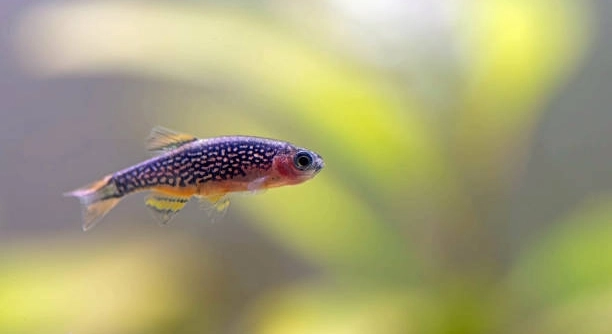
Have you ever set up a beautiful tank full of Celestial Pearl Danios and found them acting unusually active near the surface? These tiny fish can bring a lot of life and color, brightening any aquarium effortlessly.
Celestial Pearl Danios are capable of jumping out of the tank, especially when startled or chasing food. Their small size and agile bodies make them prone to leaping, so tank lids or covers are recommended to prevent accidental escapes.
Knowing their jumping tendencies will help you better manage your aquarium and create a safer environment for your fish. Proper precautions ensure these colorful fish stay healthy and within their home.
Why Celestial Pearl Danios Jump
Celestial Pearl Danios are naturally curious and active fish. They often swim quickly across the tank, exploring every corner, which can sometimes lead to accidental jumps. Sudden movements, bright lights, or loud noises can startle them, prompting a leap toward the surface. Even when feeding, their excitement can cause brief bursts of energy. Observing their behavior, I noticed that smaller tanks tend to increase the likelihood of jumps because the fish have less space to swim horizontally. A well-planted aquarium can help, as dense foliage offers hiding spots and reduces stress. Additionally, water quality plays a role; if parameters fluctuate or the tank is overcrowded, fish can become restless. Providing consistent care, maintaining proper water conditions, and minimizing sudden disturbances can significantly lower the risk of jumping. Using floating food and avoiding tapping the glass are small actions that help keep them calm.
Covering the tank with a secure lid is an effective way to prevent escapes.
Keeping a lid not only protects the fish but also allows you to enjoy their playful behavior without constant worry. Plants and decorations can add extra barriers that make jumping less likely.
Preventing Tank Escapes
Adding a tight-fitting lid to the aquarium is the simplest and most effective measure to stop jumps.
Even with a lid, attention to tank setup matters. Ensuring water levels are not too high reduces the chance of fish hitting the top while jumping. Floating plants act as soft barriers, cushioning any accidental leaps and providing visual breaks. Minimizing sudden light changes or loud disturbances near the tank also lowers stress. Regular feeding routines help, as well-fed fish are less likely to leap out in search of food. Observing their patterns, you can identify times when they are most active and adjust lighting or activity around the tank. For highly active individuals, creating a planted aquascape with hiding spots encourages exploration in safe zones. Proper tank maintenance, including regular water changes and monitoring parameters, keeps the environment stable, reducing restlessness. By combining a secure lid with mindful care, you can greatly reduce the chances of Celestial Pearl Danios jumping while promoting their health and well-being.
Common Triggers for Jumping
Sudden movements outside the tank, loud noises, and rapid changes in lighting can startle Celestial Pearl Danios. Even tapping the glass or dropping food can provoke a jump. Stressful water conditions also make them more likely to leap unexpectedly.
High activity levels often occur when the tank is overcrowded or water parameters fluctuate. Celestial Pearl Danios are sensitive to ammonia, nitrite, and nitrate spikes, which can increase restlessness. They may also react to other aggressive or overly active fish nearby. Observing their patterns, I noticed that mornings and feeding times are when they are most prone to jumping. Providing consistent care and a calm environment reduces these triggers significantly. Plants and hiding spots offer security, allowing fish to feel safe and less likely to leap, while slow acclimation to changes in tank conditions minimizes sudden stress reactions.
Diet can influence their energy levels, making them more likely to jump during feeding. Feeding smaller, frequent meals helps regulate activity, reducing sudden bursts of motion. Introducing floating foods encourages natural surface behavior without extreme leaps. Maintaining a balanced diet rich in protein and micronutrients keeps them healthy, which in turn lowers stress-induced jumping. Observing how they react to different foods can guide adjustments, helping to prevent overexcitement. Additionally, avoiding overfeeding prevents water quality issues, which indirectly reduces jumping caused by environmental stress. With proper diet and observation, their behavior becomes more predictable and manageable.
Tank Design Considerations
A tank with plenty of plants and hiding spots discourages jumping. Vertical space should be carefully monitored, and floating barriers help keep fish below the surface.
Choosing the right tank setup is crucial for managing Celestial Pearl Danios’ jumping behavior. Taller tanks increase the risk of injury if a fish leaps, so moderate height is safer. Dense planting provides security, while open swimming areas allow exercise without encouraging escape attempts. Adding floating plants or decorations near the top creates a natural barrier, preventing accidental leaps. I noticed that fish in sparsely decorated tanks jump more often, likely due to lack of shelter. Proper tank layout balances activity and safety, ensuring they remain engaged yet secure. Regular observation of their movement helps identify areas that need adjustment.
Water flow and filtration placement also affect jumping tendencies. Strong currents can cause fish to dart unpredictably, leading to surface leaps. Positioning filters to minimize sudden jets and maintaining gentle circulation creates a calmer environment. Decorations should be arranged to prevent blind spots where fish feel trapped, which reduces stress-related jumping. Lighting should mimic natural cycles, avoiding sudden brightness that startles them. I found that maintaining stable conditions combined with thoughtful tank design greatly reduces unwanted jumps. With the right balance of structure, flow, and environment, Celestial Pearl Danios can thrive safely while showing their active, playful behavior.
Behavior Patterns to Watch
Celestial Pearl Danios often display sudden bursts of speed when exploring or feeding. These quick movements near the surface increase the risk of accidental jumping.
During times of stress or excitement, such as when new fish are introduced, jumping becomes more frequent. Observing their normal activity helps identify unusual behavior early.
Feeding Habits and Their Effect
Feeding routines influence how often Celestial Pearl Danios jump. Overly large meals can excite them, causing leaps at the surface. I found that smaller, frequent feedings keep their activity steady and reduce sudden jumps. Floating foods encourage natural surface interaction without extreme energy bursts. Maintaining a balanced diet rich in protein also keeps them calmer, lowering stress and excess energy. Watching how they react to different food types and feeding times helps adjust routines for safety. Consistent schedules and careful portioning create a calmer, more predictable tank environment, preventing the sudden, dangerous jumps that can occur from overexcitement.
Monitoring Tank Conditions
Regularly checking water temperature, pH, and ammonia levels prevents stress that leads to jumping.
FAQ
Can Celestial Pearl Danios injure themselves when they jump?
Yes, jumping can cause injury, especially if the fish hits the tank edge, decorations, or even the lid. I’ve seen tiny scratches and fin damage in active tanks. Ensuring a secure lid and soft barriers at the top can prevent most injuries.
How high can Celestial Pearl Danios jump?
They are small and agile, able to leap several inches above the water surface. The exact height depends on their energy, tank conditions, and stress levels. I noticed that young or particularly active fish can jump higher than calmer adults.
Do all Celestial Pearl Danios jump equally?
No, individual behavior varies. Some are naturally more active and prone to jumping, while others remain near the bottom or mid-level of the tank. Observing patterns over time helps predict which fish need extra precautions.
Does tank size affect jumping?
Yes, smaller tanks increase jumping risk because fish have less horizontal space to swim, causing them to react more abruptly near the surface. Larger, well-planted tanks encourage safer exploration and reduce sudden leaps.
Can other fish trigger jumping?
Aggressive or overly active tank mates can startle Celestial Pearl Danios, leading to jumps. Even friendly species moving rapidly near them may provoke sudden reactions. Keeping compatible species and monitoring interactions reduces stress-related jumping.
Do water conditions influence jumping?
Absolutely. Poor water quality, such as high ammonia or nitrite, fluctuating pH, or incorrect temperatures, can make fish restless and prone to jumping. Maintaining stable conditions keeps them calmer and safer. I always test water weekly to prevent stress-related leaps.
Does feeding routine matter for jumping behavior?
Yes, feeding impacts energy levels and surface activity. Overfeeding or large meals can make fish overexcited, leading to jumps. Small, frequent feedings with floating foods help regulate their activity. Observing how fish react to meals allows for adjustments to prevent sudden leaps.
Will plants and decorations help prevent jumping?
Yes, adding dense plants and decorations provides hiding spots and soft barriers. Floating plants near the surface help reduce accidental jumps and make the tank feel safer. I noticed fish in heavily planted tanks jump less frequently.
Are Celestial Pearl Danios more likely to jump at certain times?
Yes, mornings and feeding times are common periods for jumps. They are most active during daylight hours, especially when food is introduced. Adjusting feeding and lighting schedules can reduce sudden jumps during these peak activity times.
Can stress from new fish or changes cause jumping?
Definitely. Introducing new fish, rearranging decorations, or sudden water changes can stress them, increasing jumping behavior. Gradual acclimation and minimal sudden disturbances help the fish adjust without leaping out of the tank.
Is it necessary to cover the tank completely?
Yes, a tight-fitting lid is the simplest way to prevent escapes. Even cautious fish can jump unexpectedly. I use lids combined with floating plants to create extra security and prevent accidental injuries.
Can jumping cause long-term issues for Celestial Pearl Danios?
Repeated jumping or hitting the tank can lead to fin damage, stress, and increased vulnerability to disease. Protecting the fish with proper tank setup, careful feeding, and a secure lid helps maintain their health over time.
Are there any behavioral signs that a fish is likely to jump?
Rapid darting near the surface, flaring fins, and frequent vertical movement often signal a fish may jump. Watching for these behaviors helps me anticipate and prevent escapes before they happen.
Does lighting affect jumping frequency?
Yes, sudden bright lights or rapid changes in lighting can startle them. Using a consistent light schedule and gradual transitions reduces unnecessary stress and jumping incidents.
Can tank placement in a room affect their jumping?
Yes, tanks near high-traffic areas or loud appliances may stress fish, increasing jumping behavior. I found placing tanks in quieter spots with minimal disturbances keeps fish calmer.
Are young Celestial Pearl Danios more likely to jump than adults?
Juveniles are generally more active and unpredictable, making them more prone to jumps. Adults may still jump, but their energy levels and experience often reduce frequency. Observing age-specific behavior helps in planning tank safety measures.
Do temperature changes cause jumping?
Sudden shifts in temperature can stress fish, prompting them to leap. Maintaining a stable, species-appropriate temperature prevents unnecessary stress and keeps activity levels predictable.
Can adding tank mates reduce jumping?
Compatible, calm species can provide a sense of security, reducing stress-induced jumps. However, aggressive or overly fast-moving fish increase the likelihood. I always monitor new introductions carefully to ensure balance.
Is jumping more common in certain tank shapes?
Shallow tanks with limited vertical space reduce jump height but may increase horizontal collisions. Taller tanks encourage more vertical leaps. Proper design and decoration placement help mitigate risks.
How can I train fish to reduce jumping?
While fish can’t be trained like pets, consistent feeding routines, calm environments, and gradual changes in tank setup encourage safer behavior. Over time, fish adapt to predictable patterns, reducing sudden leaps.
Can water flow cause jumping?
Yes, strong currents or poorly positioned filters can startle fish, leading to leaping. I adjust flow and position filtration carefully to create a calmer swimming environment.
Do Celestial Pearl Danios jump when breeding?
During breeding periods, activity spikes and surface chasing increase. Floating plants or secure lids are especially important at this time to prevent accidental escapes and protect fry.
Are all measures necessary to prevent jumping?
Not all at once, but combining a secure lid, stable water conditions, proper tank layout, and careful feeding provides the best protection. Observing your fish helps determine which measures are most critical for your setup.
Can stress from transportation trigger jumping?
Yes, newly transported or acclimating fish are more likely to jump due to disorientation and stress. Gradual acclimation and quiet surroundings help them settle safely.
Does tank cleanliness impact jumping?
Dirty or poorly maintained tanks increase stress, making fish restless and more likely to jump. Regular cleaning, water changes, and monitoring parameters reduce this risk significantly.
Are jumping incidents common in all Celestial Pearl Danios?
While not every fish jumps frequently, most will at some point if startled or excited. Observing your specific fish helps identify patterns and preventive measures.
Can sudden decoration rearrangement cause jumping?
Yes, moving decorations abruptly startles fish, prompting leaps. I learned to rearrange slowly and monitor reactions to prevent injuries.
Does feeding location influence jumping?
Dropping food directly at the surface can trigger leaps. Spreading food or using floating pellets gradually reduces sudden bursts of activity while maintaining natural foraging behavior.
Can overcrowding increase jumping?
Yes, too many fish create stress, restricted space, and more collisions, all contributing to jumping behavior. Ensuring appropriate stocking density is essential for safety and health.
Do Celestial Pearl Danios jump in response to reflections?
Yes, reflections in glass or mirrors can trigger chasing and jumping behaviors. Minimizing reflective surfaces near the tank reduces unnecessary stress.
Can floating plants fully prevent jumping?
They help but cannot fully prevent it. Combining floating plants with a secure lid and proper tank setup gives the best results.
Are some feeding methods safer than others?
Yes, slow-release or sinking foods reduce jumping compared to dropping large surface meals. Observation helps determine what works best for each tank.
Does tank depth matter?
Yes, deeper tanks increase potential jump height, which can be risky. Proper lid placement and decorations mitigate this.
Can consistent daily routines help?
Yes, predictable feeding, lighting, and activity patterns make fish calmer, lowering sudden jumps caused by stress or excitement.
Does adding new water cause jumping?
Sudden water additions or splashes can startle them. Gradual changes reduce stress and prevent abrupt leaps.
Is it normal for fish to jump occasionally?
Yes, occasional jumps are natural and not a cause for alarm if the tank is secure. Observing patterns ensures safety without overreacting.
Can jumping damage the tank or surroundings?
While small fish usually don’t cause damage, repeated jumps can chip lids, scratch glass, or disturb decorations. Proper precautions protect both fish and tank.
Does tank cover material matter?
Yes, lightweight or loose covers can be dislodged by energetic jumps. Sturdy, fitted lids prevent escapes and accidents.
Are jumping tendencies seasonal?
Some activity fluctuations occur with temperature or light changes, but consistent care minimizes seasonal spikes.
Can feeding at different times reduce jumping?
Yes, spacing meals and avoiding peak activity hours helps regulate energy and surface activity, lowering the chance of jumps.
Do Celestial Pearl Danios jump when alone?
They may, but social stress or excitement from tank mates often increases frequency. Observing both solo and group behavior helps understand triggers.
Can stress from loud sounds outside the tank trigger jumping?
Yes, household noise, music, or vibrations can startle them. Placing tanks in quieter areas reduces risk.
Are jumping incidents more common in new setups?
Yes, newly established tanks often have higher jumping due to unfamiliar environment and adjustment stress. Gradual introduction and observation reduce accidents.
Does water temperature consistency matter?
Yes, maintaining stable, appropriate temperatures prevents stress-induced jumps and promotes calm swimming behavior.
Can jumping be completely prevented?
No, occasional leaps may still occur, but combining proper care, secure lids, suitable tank setup, and stress reduction greatly minimizes incidents. Observation is key to effective prevention.
Do Celestial Pearl Danios jump when sick?
Yes, illness or discomfort can trigger erratic movement and jumps. Monitoring health and addressing illness promptly reduces risk.
Can adding a gentle current help?
Yes, mild flow encourages swimming without startling them. Strong currents increase jumping tendencies and stress.
Do Celestial Pearl Danios jump more in planted tanks?
Dense planting reduces stress and provides safe hiding spots, which lowers jumping compared to bare tanks.
Are jumps more frequent during breeding seasons?
Yes, courtship and chasing increase surface activity. Extra precautions, like secure lids and floating plants, are important.
Can jumping affect tank mates?
Yes, sudden leaps can startle other fish, causing chain reactions or collisions. Proper setup and calm environment prevent this.
Is it safe to use floating feeding rings?
Yes, they concentrate food and reduce frantic surface swimming, lowering jump risk.
Does tank location near windows matter?
Yes, bright sunlight or external movement can provoke jumping. Positioning away from windows creates a calmer environment.
Can nighttime lighting affect jumping?
Sudden lights at night may startle them. Gradual transitions or dimmed lighting help maintain calm behavior.
Are Celestial Pearl Danios more prone to jumping when young?
Yes, juveniles are energetic and unpredictable. Adults may jump less, but precautions remain necessary.
Does water hardness affect jumping?
Indirectly, extreme hardness can stress fish, increasing erratic activity and potential jumps. Moderate, stable conditions reduce this risk.
Can adding more hiding spots help?
Yes, caves, plants, and decorations provide security, making jumps less frequent.
Do Celestial Pearl Danios jump when frightened?
Yes, fear triggers bursts of energy and sudden leaps. Reducing stressors prevents these incidents.
Is jumping dangerous for fry?
Very much so. Fry are fragile and can die if they leap out. Secure covers are essential during breeding.
Can a floating foam barrier reduce jumps?
Yes, it softens impact at the surface and provides a visual block, helping prevent escapes.
Are jumps more common in newly fed fish?
Yes, excitement from feeding often prompts bursts of energy. Controlled feeding reduces this.
Does water clarity affect jumping?
Yes, murky water can stress fish and trigger jumps. Clear, stable water helps them feel secure.
Are some individual Danios more prone to jumping?
Yes, personality and energy levels vary. Observing individual behavior helps anticipate and manage risks.
Can jumping lead to disease?
Repeated stress from jumps may weaken immunity, making fish more susceptible to illness. Proper prevention supports long-term health.
Is jumping a sign of happiness or stress?
Mostly stress or excitement. Calm, well-fed, and secure fish jump less. Observing context helps distinguish the cause.
Do seasonal temperature shifts trigger jumps?
Sudden changes in temperature can stress them, leading to more frequent leaps. Stable, moderate conditions are safer.
Are some tank shapes safer than others?
Wider tanks allow horizontal movement, reducing vertical leaps. Avoid overly tall, narrow tanks to minimize jump risk.
Can adding floating plants fully prevent jumps?
They reduce jumps but cannot guarantee prevention. Combined measures work best.
Does tank noise affect jumping?
Yes, vibrations, music, or household sounds can startle fish. Quieter locations reduce incidents.
Can jumping damage fins permanently?
Repeated collisions or hits can cause lasting fin damage if not addressed with preventive measures.
Does stress from tank cleaning trigger jumping?
Yes, sudden disturbance or water changes can provoke leaps. Gradual, careful maintenance reduces risk.
Are jumps common in well-maintained tanks?
Even in ideal conditions, occasional jumps occur, but risk of injury is minimal with a secure lid.
Do Celestial Pearl Danios jump when chased?
Yes, chasing behavior, even playful, can prompt leaps. Careful monitoring prevents accidents.
Can lighting changes during the day affect jumping?
Yes, sudden bright light can startle them. Gradual changes maintain calm activity.
Is it normal for some Danios to never jump?
Yes, individual behavior varies. Some remain calm near the surface, while others are more active.
Does feeding frequency impact jumping?
Yes, regular small feedings keep activity steady, lowering sudden bursts at the surface.
Are jumps more frequent in newly set up tanks?
Yes, unfamiliar surroundings increase stress and jumping. Gradual acclimation helps.
Can tank mates trigger group jumping?
Yes, one fish leaping may trigger others. Observation and calm species selection help prevent chain reactions.
Does tank lid design matter?
Yes, sturdy, well-fitted lids prevent escapes and protect fish from injury.
Can using a feeding ring reduce jumping?
Yes, it limits frantic surface activity and promotes safer feeding behavior.
Do water temperature fluctuations trigger jumps?
Sudden shifts cause stress and erratic movements. Stable temperatures reduce these incidents.
Are Celestial Pearl Danios more active at certain times of day?
Yes, mornings and feeding times see peak activity, increasing the likelihood of jumps.
Can sudden loud noises outside the tank trigger jumping?
Yes, nearby claps, music, or vibrations can startle them. Quieter placement reduces risk.
Does tank decor placement affect jumping?
Yes, well-placed plants and obstacles reduce stress and provide soft barriers for safer movement.
Is jumping more common in juvenile fish?
Yes, young fish are energetic and more prone to leaps. Adults jump less but precautions remain necessary.
Can strong water flow increase jumps?
Yes, intense currents startle fish and trigger leaping behavior. Moderate, gentle flow is ideal.
Do Celestial Pearl Danios jump during breeding behavior?
Yes, chasing and courtship activity increases surface movement. Extra care is needed to prevent escapes.
Can repeated jumping weaken fish over time?
Yes, stress and minor injuries accumulate, affecting health. Preventive measures maintain long-term well-being.
Are jumps more frequent in newly introduced fish?
Yes, unfamiliarity and stress increase jumping tendencies. Gradual acclimation helps reduce incidents.
Does light reflection in the tank trigger jumping?
Yes, mirrored surfaces or reflections can cause chasing and surface leaps. Reducing reflective surfaces lowers this risk.
Can floating plants alone prevent jumping?
They help but cannot fully stop it. A secure lid is always necessary.
Do Celestial Pearl Danios jump more in shallow tanks?
Shallow tanks reduce height but may increase frantic horizontal movement. Balanced design prevents accidents.
Is jumping more likely in poorly fed fish?
Hunger can provoke frantic surface activity. Consistent feeding keeps energy steady and jumps minimal.
Can temperature stress cause sudden jumps?
Yes, rapid changes in water temperature increase activity and surface leaps. Stable conditions prevent this.
Do Celestial Pearl Danios jump more in bare tanks?
Yes, lack of hiding spots and plants increases stress and jumping behavior.
Can overcrowding increase jumping incidents?
Yes, high stocking density leads to stress, collisions, and more frequent leaps. Proper stocking reduces risk.
Are jumps more frequent with bright overhead lighting?
Yes, sudden brightness can startle them. Gradual, consistent lighting keeps activity predictable.
Does tank placement near doors or windows matter?
Yes, high-traffic areas or sunlight can stress fish, causing jumps. A quiet, stable location is safer.
Can jumping spread disease in the tank?
Indirectly, stress from jumping lowers immunity, increasing susceptibility to illness. Stable conditions prevent this.
Are Celestial Pearl Danios more likely to jump in groups?
Yes, one fish jumping may trigger others. Observation and calm companions prevent chain reactions.
Can using floating food reduce jumping?
Yes, it encourages controlled surface feeding without extreme leaps.
Does water clarity influence jumping?
Murky or unstable water can stress fish, making jumps more likely. Clear, consistent conditions help.
Is jumping more common in active fish?
Yes, high-energy individuals are naturally more prone to leaps.
Can reflective tank backgrounds trigger jumping?
Yes, reflections can provoke chasing and surface leaps. Minimizing glare reduces incidents.
Do sudden feeding changes affect jumping?
Yes, unexpected food introduction can startle fish, causing jumps. Consistent routines prevent this.
Are jumping incidents more frequent in unplanted tanks?
Yes, bare tanks provide no hiding spots, increasing stress and surface activity.
Can jumping damage plants or decorations?
Yes, repeated leaps can dislodge or break items. Proper layout and barriers protect both fish and decor.
Does feeding location affect jumping?
Yes, dropping food directly at the surface can provoke leaps. Spreading or controlled feeding reduces risk.
Is jumping a sign of poor health?
Not always, but erratic or frequent jumping combined with other symptoms may indicate stress or illness.
Do water changes trigger jumps?
Sudden water additions or turbulence can startle fish. Gradual, careful changes minimize this risk.
Can jumping behavior be predicted?
Observing patterns, activity peaks, and environmental triggers helps anticipate leaps and prevent accidents.
Does tank shape influence jumping?
Yes, tall tanks increase vertical leaps, while wide tanks encourage horizontal swimming, reducing injury risk.
**Can jumping be completely prevented
Celestial Pearl Danios are lively, small fish that bring a lot of color and movement to any tank. Their playful behavior can be enjoyable to watch, but it also comes with some responsibility. These fish are naturally active and curious, which makes them prone to jumping. Even small disturbances, such as tapping the glass or sudden movements near the tank, can trigger a leap. Understanding their behavior helps prevent accidents and keeps the fish healthy. A secure lid is the most basic and effective way to protect them from escaping. I have seen tanks without covers lead to unfortunate situations where fish jumped and got hurt. Taking this simple precaution makes a big difference and ensures that the Danios can continue to thrive safely in their environment.
Tank setup also plays a major role in preventing jumping. Providing plenty of plants, decorations, and hiding spots helps the fish feel secure. Floating plants near the surface act as gentle barriers, reducing the chance of a sudden leap. Water conditions are equally important. Stable temperature, consistent pH, and regular monitoring of ammonia, nitrites, and nitrates keep the fish calm and reduce stress-induced jumping. Overcrowding should be avoided because it can make the fish restless and increase collisions. I have noticed that smaller, poorly decorated tanks or tanks with fluctuating water parameters tend to have more jumping incidents. By carefully planning the tank layout and maintaining proper water conditions, fish are less likely to jump and more likely to show natural, healthy behavior.
Feeding and daily routines also influence jumping behavior. Large, infrequent meals can excite fish, leading to sudden bursts of energy and surface leaps. Smaller, regular feedings, along with floating foods, help maintain steady activity and reduce jumping. Observing the fish over time allows you to notice patterns, such as times of day when they are more active or when they respond strongly to new stimuli. Even individual personalities play a role—some Danios are naturally more energetic than others. Combining a secure lid, thoughtful tank setup, stable water conditions, and careful feeding routines creates a safer environment. These steps ensure that Celestial Pearl Danios can display their lively, colorful behavior without the risk of injury or escape, allowing them to remain healthy and active for years to come.

Hello,
If you enjoy the content that we create, please consider saying a "Thank You!" by leaving a tip.
Every little bit helps us continue crafting quality advice that supports the health, happiness, and well-being of pets around the world, for pets of all shapes, sizes, and species.
We really appreciate the kindness and support that you show us!