
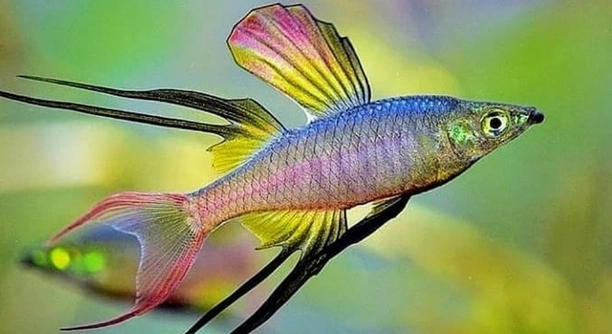
Have you ever noticed a threadfin group in your tank behaving differently after a long separation? Reintroducing them can feel unpredictable, and understanding what to expect helps ensure the fish remain healthy and stress-free.
A threadfin group reintroduction involves careful monitoring of social interactions, gradual acclimation to the shared environment, and attention to territorial behaviors. Proper planning reduces aggression and promotes cohesion, allowing the fish to adjust safely while maintaining overall tank harmony.
Observing the subtle changes and interactions during this process provides valuable insights into the fish’s behavior and well-being.
Preparing Your Tank for Reintroduction
Before reintroducing a threadfin group, make sure the tank environment is stable and well-maintained. Check water parameters such as temperature, pH, and salinity to match the previous conditions of all fish. Clear excess debris and ensure the tank is clean, as sudden changes in water quality can stress fish. Provide plenty of hiding spots using rocks, plants, or decorations to allow the fish to retreat if they feel threatened. Gradually rearranging decorations can help prevent territorial disputes, giving the fish a fresh sense of space. Feeding a varied and balanced diet for a few days before reintroduction can also reduce stress. Observing the fish individually for signs of illness or aggression beforehand ensures that the group is healthy and ready to interact safely. Consistent monitoring after reintroduction is essential to detect early signs of stress or conflict.
Proper preparation reduces risks and encourages smoother social integration within the group.
Having a calm and predictable environment allows the threadfin to explore freely and settle without unnecessary stress, improving their overall adjustment to the tank.
Monitoring Behavior Post-Reintroduction
Keep a close eye on interactions between the threadfin after they are reintroduced.
Aggressive behavior, such as chasing or nipping, is common at first but should gradually decrease. Observing how fish establish territories and interact helps you understand their social hierarchy. Providing additional hiding spots can ease tension, and feeding small amounts frequently may keep them occupied.
Monitor for any signs of prolonged stress, such as loss of appetite, hiding excessively, or unusual swimming patterns. If one fish becomes overly dominant, consider temporary separation to prevent injury. Social dynamics can shift over time, and patience is key. Recording behaviors daily can help identify patterns and intervene early if problems arise. By maintaining stable water conditions and keeping feeding consistent, you support the group’s health and reduce conflicts. Ensuring the tank remains spacious and well-structured allows the threadfin to explore and adjust naturally, minimizing stress while encouraging peaceful coexistence.
Feeding and Nutrition
A balanced diet is crucial during a threadfin group reintroduction. Provide a mix of high-quality pellets, frozen foods, and occasional live treats to support energy levels and reduce stress.
Feeding smaller amounts multiple times a day helps prevent competition and aggression. Threadfins can be timid when first reintroduced, so spreading food in different areas ensures all fish get enough without being bullied. Include foods rich in vitamins and proteins to boost immunity and support healing if minor scrapes occur during social interactions. Observing feeding behavior also helps identify if any fish are stressed or not adjusting well, allowing for timely intervention. Consistent feeding routines create a sense of security and stability in the tank environment.
Avoid sudden diet changes during this period, as this can upset digestion and increase stress. Monitor the fish closely and adjust portions based on appetite and activity levels to maintain health.
Signs of Stress and Illness
Watch for physical changes and unusual behaviors that indicate stress or sickness.
Stress signs include rapid gill movement, hiding excessively, loss of appetite, or unusual swimming patterns. Illness may show as discoloration, fin damage, or visible spots. Early detection is key to preventing serious health problems.
If a fish shows persistent stress or illness, isolate it in a quarantine tank for treatment. Maintain water quality, temperature, and salinity to reduce environmental stressors. Treat minor injuries promptly and avoid overcrowding, as this can exacerbate tension. Keeping a daily log of behaviors and feeding patterns helps track progress and detect early issues. Supporting the fish with a stable routine and proper diet enhances recovery and promotes long-term well-being, ensuring the group remains harmonious in the shared tank space.
Gradual Acclimation
Introducing threadfins slowly reduces stress and aggression. Start by keeping the new fish in a separate tank or using a divider for several days.
Gradually allow visual contact before full release. This helps them recognize each other and reduces territorial disputes once they share the same space.
Observing Social Hierarchies
Monitor how fish interact after acclimation. Threadfins will naturally establish a pecking order, with dominant and subordinate individuals. Understanding this hierarchy helps prevent constant fighting and allows for timely interventions if aggression becomes severe. Adjust decorations and hiding spots to accommodate their social structure and reduce conflict.
Environmental Stability
Keep water parameters consistent. Sudden changes in temperature, pH, or salinity can stress the group and trigger aggression or illness. Regular testing and slow adjustments are essential for maintaining a safe environment.
FAQ
How long does it take for a threadfin group to settle after reintroduction?
The adjustment period can vary depending on the number of fish, tank size, and their personalities. Generally, most threadfins show calmer behavior within one to two weeks. Dominance displays like chasing and minor nipping often decrease after a few days if the environment is stable. Patience and observation are key during this period, as pushing interactions or overcrowding the tank can extend stress. Gradual acclimation and consistent feeding routines help the fish feel secure and speed up social stabilization.
What is the best way to prevent aggression during reintroduction?
Providing hiding spots and visual barriers is the most effective method. Rocks, plants, and decorations allow fish to retreat when threatened, reducing conflict. Feeding smaller portions in different tank areas ensures that all fish can eat without competition. Observing their interactions during the first few days helps identify overly aggressive individuals. If one fish is constantly dominating, temporary separation or rearranging decorations can balance the social dynamic. Keeping water conditions stable and avoiding sudden changes also helps minimize stress-induced aggression.
Can I reintroduce fish of different ages or sizes?
Mixing ages or sizes is possible but requires extra caution. Larger or older fish may assert dominance over smaller or younger ones, increasing stress. In such cases, extra hiding spots and careful monitoring are essential. Feeding should be adjusted so smaller fish can access food without being bullied. Introducing smaller fish gradually allows them to acclimate and find safe spaces. Avoid overcrowding the tank, as this can worsen tensions. Over time, most fish adjust if their environment supports natural behavior and provides enough space for each individual to establish territory safely.
How do I know if a fish is too stressed?
Signs of stress include hiding excessively, loss of appetite, rapid gill movement, or erratic swimming. Physical changes such as faded color, fin clamping, or minor injuries can also indicate stress. Observing daily behavior and noting deviations helps detect early issues. Prolonged stress can lead to illness, so acting quickly is important. Adjusting tank conditions, adding hiding spots, or temporarily isolating aggressive fish can reduce stress. Maintaining consistent feeding and water parameters creates a stable environment, helping fish recover faster and feel more comfortable within the group.
What should I do if aggression becomes severe?
Severe aggression may require temporary separation of dominant fish or rearranging the tank to disrupt established territories. Monitor interactions closely and ensure all fish have access to food and hiding spaces. In some cases, it may be necessary to permanently remove an aggressive individual to prevent injury. Maintaining environmental stability, consistent feeding, and appropriate tank size can reduce the likelihood of recurring aggression. Keeping a log of behaviors helps track progress and identify patterns, allowing timely interventions. With careful management, the group can achieve balance and coexist peacefully over time.
How often should I check water parameters during this period?
Daily monitoring is ideal during the first week after reintroduction. Track temperature, pH, salinity, and ammonia levels to ensure stability. Any sudden changes can stress the fish and trigger aggressive behavior. After the initial adjustment period, monitoring every few days is sufficient. Maintaining stable conditions supports natural behaviors, reduces health risks, and helps the fish settle faster. Consistency in water quality is just as important as providing hiding spots and proper nutrition for a smooth reintroduction process.
Can I add more fish immediately after a reintroduction?
It is best to wait until the initial group has settled, usually one to two weeks, before adding new fish. Adding more too soon can disrupt social hierarchies and increase stress. Gradual introductions with proper acclimation techniques allow newcomers to integrate more smoothly. Ensure the tank has adequate space and resources to support additional fish without overcrowding. Monitoring behavior during this period helps prevent aggression and ensures all fish maintain access to food and hiding spots. Proper timing is essential for maintaining harmony within the tank.
Are there specific signs that indicate the group has successfully settled?
A calm, balanced group shows minimal chasing or nipping, with fish exploring the tank freely. All fish feed normally, color appears vibrant, and they use hiding spots naturally rather than out of fear. Social hierarchies stabilize, with dominant and subordinate behaviors becoming predictable. Consistent behavior over several days indicates the group has adapted well to the shared environment. Maintaining water quality, feeding routines, and tank structure helps sustain this harmony. Once these signs appear, stress levels are low, and the group can coexist peacefully with minimal intervention.
Final Thoughts
Reintroducing a threadfin group requires patience and careful planning. It is not something that can be rushed, and taking the time to prepare the tank properly is important. Ensuring water conditions are stable and consistent helps prevent stress and promotes healthy behavior. Providing hiding spots and rearranging decorations can make a big difference, giving fish places to retreat and explore safely. Gradual acclimation, where fish have time to see each other before full contact, reduces tension and helps them adjust naturally. Watching their behavior closely in the first days is essential, as minor aggression is normal but should not escalate into serious conflict. By preparing carefully, you set the stage for a smoother, safer reintroduction process that supports both the fish’s physical health and their social well-being.
Feeding routines play a crucial role during this period. Offering small, frequent meals in different parts of the tank ensures that all fish have access to food without being bullied. High-quality pellets, frozen foods, and occasional live treats provide the nutrition they need and help maintain energy levels while they adjust. Observing how they eat also helps identify any fish that may be stressed or struggling. Balanced nutrition supports immune systems and can prevent illness during times of social stress. By keeping feeding consistent and watching interactions closely, you create a sense of stability in the tank, which helps the group settle more quickly and reduces tension among individuals.
Even after the initial adjustment, ongoing observation is important. Social hierarchies may shift, and occasional minor disputes are normal, but prolonged stress or injury should not be ignored. Monitoring water quality, feeding behavior, and physical condition regularly ensures that problems are identified early. Adjustments to tank layout, additional hiding spots, or temporary separation may be needed in some cases. Understanding the natural behavior of threadfin fish and supporting a calm, stable environment allows them to coexist peacefully over the long term. With careful attention, patience, and consistency, a threadfin group can thrive together, and the process of reintroduction becomes a manageable and rewarding part of maintaining a healthy aquarium.

Hello,
If you enjoy the content that we create, please consider saying a "Thank You!" by leaving a tip.
Every little bit helps us continue crafting quality advice that supports the health, happiness, and well-being of pets around the world, for pets of all shapes, sizes, and species.
We really appreciate the kindness and support that you show us!