
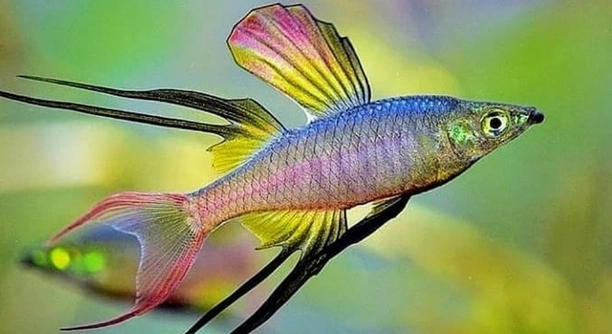
Threadfins are popular in aquariums for their elegant appearance and active swimming habits. They thrive in well-maintained environments but can react differently when water circulation and filtration are unusually strong. Their behavior can change noticeably.
In an overfiltered setup, threadfins may exhibit stress behaviors such as reduced swimming near the surface, erratic movement, or hiding. Excessive water flow can impact their ability to feed properly and maintain normal social interactions with tank mates.
Observing threadfins closely in such setups can reveal important signs of stress. Understanding these behaviors helps ensure a balanced and healthy aquarium environment for them.
How Threadfins React to Strong Water Flow
Threadfins are built for open water, but an overfiltered aquarium can create unusually strong currents. In such conditions, they often struggle to maintain their usual swimming patterns. You may notice them staying low near decorations or surfaces, trying to find calmer areas. Feeding can also become a challenge, as the water movement disperses food quickly. Some threadfins may dart rapidly from one spot to another, appearing restless or anxious. Over time, consistent exposure to high flow can lead to fatigue, reduced appetite, and even long-term health problems. Adjusting filter output or creating buffer zones in the tank can make a noticeable difference. Observing their positions, speed, and interaction with other fish gives insight into their comfort levels. Regularly monitoring behavior in response to flow changes helps maintain a stable and healthy environment. Small adjustments often lead to significant improvements in their activity and overall well-being.
High flow can make threadfins hide more often, which limits their normal swimming and social activity.
Creating calmer areas with plants or rocks helps threadfins navigate without constant struggle. It also encourages feeding and social interaction.
Managing Filtration for Balanced Behavior
Excessive filtration may seem helpful, but it can interfere with threadfins’ natural tendencies. Reducing flow or diverting strong currents ensures they can swim without unnecessary effort.
A careful balance is essential. Threadfins need clean, oxygen-rich water, but not at the cost of constant resistance. Placement of filters, the use of flow-diffusing sponges, and the strategic positioning of decorations can break up strong currents. This allows threadfins to swim freely while still benefiting from proper filtration. Observing how they use calmer zones indicates whether the setup supports their natural behavior. Additionally, tankmates play a role, as stressed threadfins may become less social or aggressive. Adjusting flow gradually rather than abruptly prevents shock and encourages steady adaptation. Regular water changes and monitoring parameters like oxygen levels, temperature, and debris accumulation are important to avoid creating another source of stress. Overall, subtle modifications can significantly improve their activity, appetite, and interactions in the aquarium.
Signs of Stress in Threadfins
Threadfins under constant strong currents may show unusual hiding, reduced feeding, and erratic swimming. Their fins might clump, and they often avoid the center of the tank. These behaviors indicate discomfort and signal that adjustments are needed to improve their environment.
Stress in threadfins can manifest in multiple ways. They may appear lethargic, swim less, or struggle against the current. Over time, this can affect their immune system and make them more prone to disease. Watching for changes in color, appetite, and interaction with tankmates can help identify stress early. By noticing subtle signs, you can adjust flow, provide resting spots, and ensure the tank environment meets their needs. Small changes often yield noticeable improvements in their behavior.
Another sign of stress is irregular schooling or social behavior. Threadfins typically swim in groups, but overfiltered water may make them scatter. Their movements can become jerky or sudden, indicating fatigue. Consistently observing how they interact with each other helps determine whether the current setup is suitable or requires modifications to keep them healthy and comfortable.
Adjusting Tank Setup for Comfort
Reducing excessive flow is the most effective way to improve comfort for threadfins. Introducing buffer areas or gentle currents allows them to swim without constant resistance.
Creating zones of calm water supports natural behavior while maintaining adequate filtration. Using decorations, plants, or foam baffles can break up strong currents and offer resting spots. Gradual adjustments prevent shock and help threadfins adapt smoothly. Additionally, monitoring feeding behavior and activity levels confirms whether changes are effective. Ensuring that tankmates do not create additional stress is also important, as crowded conditions combined with strong currents amplify discomfort. Regular observation and small modifications can significantly enhance their well-being and overall health, allowing them to thrive in the aquarium without unnecessary stress.
Feeding Challenges in Overfiltered Tanks
Threadfins may struggle to eat when water flow is too strong. Food can be swept away quickly, making it harder for them to catch and consume meals. This can lead to inconsistent feeding and nutritional deficiencies.
Adjusting feeding techniques, such as targeting calmer areas or using sinking pellets, helps threadfins access food more easily. Consistent observation ensures they are eating enough and maintains their health.
Creating Calm Zones
Adding plants, rocks, or other structures breaks up strong currents and provides areas where threadfins can rest. These zones reduce stress and allow natural swimming behavior. They also support feeding by offering sheltered spaces where food collects.
Monitoring Long-Term Health
Over time, stress from excessive flow can affect growth and immunity. Observing color, appetite, and activity helps track their overall well-being. Regular adjustments to tank conditions prevent long-term health issues and ensure threadfins thrive in a more balanced environment.
FAQ
How can I tell if my threadfins are stressed by the filter?
Threadfins under constant strong currents may hide frequently, swim erratically, or avoid the center of the tank. They might also show clumped fins, reduced feeding, or changes in color. Observing their positions, swimming patterns, and interactions with other fish helps identify stress early.
What is the best way to reduce strong currents for threadfins?
Using flow-diffusing sponges, adjusting filter output, or repositioning filter outlets can reduce strong water currents. Adding plants, rocks, or decorations also helps break up water flow. Creating calmer zones allows threadfins to rest and swim naturally without constant resistance.
Do threadfins need resting areas in the tank?
Yes, resting areas are essential. Calm spots near plants, rocks, or other structures give them a place to recover from strong currents. These areas support feeding, reduce fatigue, and allow them to display normal social behavior without stress.
How should I adjust feeding in an overfiltered setup?
Targeting calmer zones with sinking pellets or slowly releasing food helps threadfins access meals. Observing where they eat ensures they are receiving enough nutrition. Frequent small feedings may work better than one large feeding, as food isn’t quickly swept away by strong currents.
Will overfiltering affect their long-term health?
Yes, prolonged stress from strong currents can weaken immunity, reduce growth, and cause abnormal behavior. Monitoring activity levels, appetite, and overall appearance helps track health. Regular adjustments to flow and tank layout prevent long-term problems and maintain a thriving environment.
Can tankmates worsen stress from high flow?
Absolutely. Aggressive or highly active tankmates combined with strong currents can increase stress levels. Ensuring compatible species and providing enough space and hiding spots helps threadfins remain comfortable and reduces conflicts caused by excessive water movement.
How quickly will threadfins adapt after adjusting the filter?
Adaptation depends on individual fish and the degree of stress experienced. Some may show improvement in a few days, while others need a week or more. Gradual adjustments prevent shock and allow steady acclimation to calmer conditions. Regular observation ensures adjustments are effective.
Is water quality still important if I reduce the flow?
Yes, maintaining clean, oxygen-rich water remains critical. Reducing flow should not compromise filtration efficiency. Proper maintenance, including regular water changes and monitoring parameters, ensures threadfins stay healthy while enjoying calmer conditions.
Can decorations alone reduce stress from overfiltering?
Decorations help, but they may not fully compensate for excessive flow. Combining decorations with reduced filter output and targeted flow diffusion provides the best results. This balanced approach supports natural behavior, feeding, and overall well-being.
How often should I monitor their behavior?
Daily observation is ideal, especially after making adjustments. Watching for swimming patterns, feeding, and social interaction helps detect stress early. Consistent monitoring allows timely interventions and ensures that threadfins thrive in a balanced, comfortable aquarium.
Are there signs that indicate permanent damage from overfiltering?
Persistent lethargy, faded color, chronic hiding, or stunted growth can suggest long-term effects. Prompt action to adjust flow and provide resting zones can improve conditions, but some damage may be irreversible if stress is prolonged. Early detection is key to preventing permanent health issues.
Does water temperature interact with strong currents?
Yes, higher temperatures can increase metabolic stress, making strong currents more exhausting. Keeping water within optimal temperature ranges reduces fatigue and complements efforts to create calmer swimming areas. Both factors together improve comfort and behavior.
Can I use multiple smaller filters instead of one strong one?
Using several smaller filters often distributes flow more evenly, reducing stress on threadfins. It allows for adequate filtration without creating strong currents in a single direction. Strategic placement ensures clean water while maintaining a comfortable swimming environment.
How do I know if the adjustments are working?
Threadfins will swim more naturally, feed consistently, and interact normally with tankmates. Reduced hiding, smoother movements, and restored coloration are good indicators that the tank is supporting their health and behavior effectively.
Is it safe to adjust filter flow suddenly?
Sudden changes can shock threadfins. Gradual reduction or stepwise modifications are safer. Observe their response at each stage and continue only if behavior improves. This approach helps them adapt without additional stress, ensuring long-term comfort and stability.
Can overfiltering affect breeding behavior?
Yes, excessive flow may inhibit courtship or egg-laying behavior. Providing calmer areas is essential for natural breeding displays. Adequate hiding spots and reduced currents create a more secure environment, encouraging reproductive activity in threadfins.
What else can I do to reduce stress besides adjusting the filter?
Ensuring compatible tankmates, providing hiding areas, maintaining proper water quality, and monitoring temperature all contribute to reducing stress. A combination of these strategies creates an environment that supports normal behavior, feeding, and social interactions.
How do I balance filtration efficiency with calm areas?
Using flow diffusers, redirecting outlets, and splitting filtration between multiple devices allows water to stay clean without overwhelming threadfins. Proper placement of decorations and plants creates pockets of calm while maintaining overall circulation and oxygenation in the tank.
Should I worry if only one threadfin shows stress?
Individual sensitivity varies. Observing the affected fish closely helps determine if flow adjustments are needed for the entire tank or just localized areas. Ensuring all fish have access to calm zones prevents further stress and promotes harmony in the aquarium.
How long will it take for behavior to normalize after adjustments?
Behavioral recovery depends on previous stress levels, tank conditions, and individual fish. Some threadfins may respond within days, while others take a few weeks. Continuous monitoring, proper feeding, and gradual flow adjustments support steady improvement and overall well-being.
Final Thoughts
Threadfins are beautiful and active fish that can add a lot of movement to an aquarium. However, they are sensitive to environmental conditions, and overfiltered tanks can create challenges for their comfort and health. Strong water currents make it difficult for threadfins to swim naturally and may force them to expend more energy than usual. This can lead to fatigue, stress, and changes in behavior that are noticeable even to careful observers. For example, they may hide more often, avoid the center of the tank, or struggle to catch food. Paying attention to these subtle signals is important, because early adjustments can prevent long-term issues and ensure the fish maintain their natural behavior. Even small changes in tank setup, flow management, and feeding techniques can have a meaningful impact on how well threadfins adapt to their environment.
Creating a balanced aquarium environment involves more than just reducing water flow. It requires consideration of all elements that contribute to the fish’s well-being. Decorations, plants, and rocks can be positioned strategically to break up currents and provide resting zones. Tankmates also influence their comfort, as overly active or aggressive species can amplify stress in an overfiltered setup. Monitoring feeding habits is another key factor. Sinking pellets or targeted feeding in calmer areas allow threadfins to eat properly without fighting the current. Regular observation helps ensure that each adjustment is effective and that the fish are comfortable. Even routine maintenance, such as partial water changes and keeping track of water parameters, supports their health. By combining flow management, tank layout, and consistent monitoring, the aquarium can become a safe and stable environment where threadfins thrive.
Patience and attention are essential when caring for threadfins in any setup. It may take time for them to adapt to changes, especially after experiencing strong currents for extended periods. Gradual adjustments in filtration, the addition of calm zones, and careful observation of their behavior help them regain confidence and energy. Over time, consistent care can restore normal swimming patterns, feeding behavior, and social interactions with tankmates. While overfiltering is a common issue, it can be managed effectively with thoughtful modifications. Maintaining this balance benefits not only threadfins but the entire aquarium ecosystem. By focusing on creating a calm yet clean environment, you support their overall health and longevity, ensuring they continue to display the elegance and activity that make them a striking addition to any tank.

Hello,
If you enjoy the content that we create, please consider saying a "Thank You!" by leaving a tip.
Every little bit helps us continue crafting quality advice that supports the health, happiness, and well-being of pets around the world, for pets of all shapes, sizes, and species.
We really appreciate the kindness and support that you show us!