
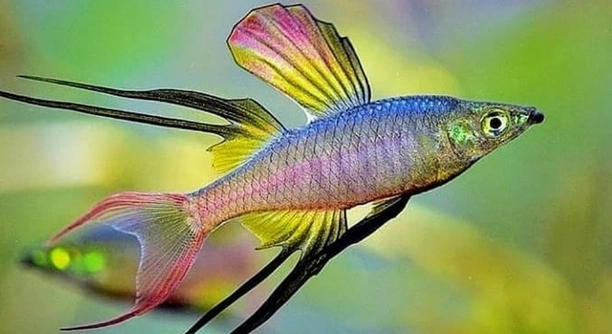
Have you ever noticed your Threadfin Rainbowfish staying in one spot for a long time, almost like they are floating without moving? This behavior can seem unusual, especially if you are new to keeping these colorful fish.
Threadfin Rainbowfish hover in place primarily due to environmental and physiological factors. Common causes include maintaining position in water currents, reducing stress, conserving energy, and responding to tank conditions, ensuring stability and optimal interaction within their aquatic surroundings.
Observing this behavior more closely can reveal patterns in their environment, health, and interactions with other fish, helping you better support their well-being and natural instincts.
Water Currents and Positioning
Threadfin Rainbowfish often hover in place to maintain their position in the tank’s water currents. In aquariums with strong or uneven currents, these fish use subtle fin movements to stay stable without expending too much energy. They are naturally adapted to river environments, where holding a position in flowing water is necessary for feeding and avoiding hazards. Observing them closely, you might notice small adjustments in their body and fin angles as they respond to the water flow. This behavior is completely normal and indicates the fish are actively engaging with their environment. By providing areas with calmer water, like plants or decorations, the fish can choose where to hover comfortably. The balance between strong currents and resting areas allows the Threadfin Rainbowfish to feel secure while staying active. Proper filtration and flow management will support natural hovering behaviors, helping them thrive in your tank.
Hovering due to water currents is usually a sign of healthy adaptation and energy conservation.
Managing water flow in the tank ensures Threadfin Rainbowfish can maintain stability, reducing stress and promoting natural activity. Observing their preferred positions offers insight into their comfort and environmental preferences, guiding better tank arrangement and care practices.
Stress and Environmental Factors
Threadfin Rainbowfish hover in place when they feel stressed or uneasy in their surroundings. Changes in lighting, sudden movements, or the introduction of new fish can trigger this behavior. They often hover near plants, decorations, or the tank’s corners, seeking a sense of security. Stress can affect feeding, swimming patterns, and even long-term health if not addressed. Keeping a consistent routine, maintaining water quality, and avoiding sudden changes can reduce hovering caused by stress. Over time, they will become more confident and explore the tank more actively. Observing their reactions to environmental changes provides valuable feedback on tank conditions and allows you to adjust lighting, decorations, or companions to create a calmer habitat. Ensuring a stable environment supports both their physical and mental well-being.
Stress-related hovering reflects their need for safety and adjustment to new or changing surroundings.
Addressing environmental stressors is key to supporting Threadfin Rainbowfish. Tank cleanliness, stable temperatures, gentle lighting, and gradual introductions of new fish all help reduce anxiety. Providing hiding spots, floating plants, and calm areas encourages natural movement. Overcrowding or aggressive tankmates can exacerbate hovering, so careful observation is essential. By understanding their sensitivity, you can create a tank where these fish feel secure, allowing them to hover comfortably without fear, maintain their health, and display vibrant colors. Regular monitoring and adjustments make a noticeable difference in their activity levels and overall happiness. Hovering becomes a natural, healthy part of their behavior rather than a sign of distress.
Feeding and Foraging Behavior
Threadfin Rainbowfish often hover while searching for food. This position allows them to scan the water column efficiently, spotting small particles, insects, or flakes. Hovering reduces energy use compared to constant swimming, making feeding more effective.
Hovering during feeding is an adaptive behavior. It allows the fish to remain in one spot, waiting for food to drift by. In the wild, Threadfin Rainbowfish often feed on tiny insects or plankton that float with the current. In aquariums, flakes, pellets, or live foods mimic this experience. By holding position mid-water, they can focus on available food without wasting energy swimming back and forth. Feeding at specific times also trains them to anticipate meals while maintaining a calm hovering posture. Proper feeding practices encourage healthy growth and natural behaviors.
Hovering while foraging also reduces stress by keeping them aware of surroundings. They can quickly react to threats while feeding. Observing how they position themselves during feeding helps identify their preferred spots and ensures food reaches all fish evenly. Adjusting feeding locations and amounts supports their natural instincts and prevents overeating or competition.
Breeding and Mating Behavior
Threadfin Rainbowfish hover in mid-water as part of their mating routine. Males often display colors while remaining stationary, attracting females without chasing them aggressively. This behavior increases breeding success while minimizing energy use.
Hovering is critical for courtship displays. Males remain in one position, spreading fins and showing bright colors to impress females. Females respond by hovering nearby, inspecting potential mates. In a community tank, this stationary display prevents unnecessary conflict and maintains calm. Timing and environmental cues, such as lighting and temperature, influence how often they engage in these behaviors. Providing ample plants and open spaces allows the fish to perform these displays naturally, which can encourage successful spawning without causing stress to other tank inhabitants. Hovering during breeding also signals health and vitality.
Observing this behavior helps in understanding tank dynamics and pair compatibility. Hovering patterns during mating indicate readiness and confidence. Supporting this with suitable tank conditions, minimal disturbances, and appropriate nutrition can enhance reproductive success. Consistent monitoring ensures both males and females are comfortable, reducing aggression and fostering a stable environment where natural breeding behaviors can occur safely.
Resting and Conserving Energy
Threadfin Rainbowfish hover to rest without lying on the tank bottom. Staying mid-water lets them conserve energy while remaining alert to movements around them. This position is natural and allows quick reactions if needed.
Hovering quietly helps them maintain body functions efficiently. It reduces unnecessary swimming and supports overall health.
Social Interaction
Threadfin Rainbowfish often hover in groups to maintain social bonds. Staying in place allows them to communicate visually and establish hierarchy without chasing each other.
Water Temperature Influence
Temperature affects activity levels. Hovering increases when the water is slightly cooler, as fish reduce energy use. Maintaining stable temperatures supports normal swimming and prevents stress-related hovering.
Health and Disease Indicators
Unusual or prolonged hovering can signal health issues. Watch for changes in appetite, color, or fin movement to identify potential problems early.
FAQ
Why do Threadfin Rainbowfish hover more at certain times of the day?
Threadfin Rainbowfish adjust their activity based on lighting and feeding schedules. Early mornings or evenings often see more hovering because the fish are conserving energy while remaining alert for food. Midday activity tends to increase when light and temperature stimulate natural swimming patterns. These fluctuations are normal and indicate healthy behavior.
Can hovering indicate a problem with water quality?
Yes. Water conditions directly impact Threadfin Rainbowfish behavior. Poor water quality, including high ammonia, nitrite, or nitrate levels, can stress the fish, causing them to hover excessively or stay still. Regular testing, partial water changes, and maintaining a stable filtration system prevent stress-related hovering and support overall health.
Do all Threadfin Rainbowfish hover the same way?
Not always. Individual personalities, age, and size influence hovering behavior. Younger or smaller fish may hover more to avoid stronger currents or competition. Dominant males might hover to display colors for females. Observing each fish helps you understand their preferences and social interactions.
Is hovering related to feeding habits?
Hovering is often linked to foraging strategies. Fish hold position mid-water to spot drifting food or wait for flakes to reach them. This reduces energy expenditure while maintaining vigilance. In aquariums, distributing food evenly and varying feeding locations encourages natural hovering patterns and ensures all fish receive nutrition.
Can tank layout affect hovering behavior?
Yes. Open spaces allow free swimming, while plants, rocks, or decorations provide calm zones for hovering. Threadfin Rainbowfish use these areas for safety, resting, or feeding. A balanced tank layout with hiding spots and open areas supports natural hovering behavior and reduces stress caused by overcrowding or strong currents.
Does hovering change during breeding season?
Absolutely. During breeding, males hover in specific spots to display colors and attract females. Females often hover nearby, evaluating potential mates. Providing plenty of space and visual barriers encourages successful courtship and prevents aggressive encounters. Hovering becomes part of their reproductive strategy rather than a sign of stress.
How can I tell if hovering is a health issue?
Unusual patterns, such as staying in one spot for hours, loss of appetite, clamped fins, or faded colors, may indicate illness. Diseases like swim bladder problems, parasites, or bacterial infections can cause abnormal hovering. Regular observation and timely intervention, including water testing and veterinary advice if needed, are essential.
Does tank temperature influence hovering frequency?
Yes. Threadfin Rainbowfish are sensitive to temperature changes. Slightly cooler water slows metabolism, increasing hovering and reducing swimming activity. Stable, appropriate temperatures for the species support natural movement, feeding, and social interactions. Sudden temperature fluctuations can trigger stress and abnormal hovering.
Can other fish affect hovering behavior?
Other tank inhabitants impact behavior. Aggressive or territorial fish can make Threadfin Rainbowfish hover near safe areas. Conversely, calm community members encourage natural swimming patterns. Observing interactions and ensuring compatible species helps minimize stress-induced hovering and promotes a balanced tank environment.
Should I adjust feeding or lighting to reduce hovering?
Adjusting feeding schedules and light cycles can influence hovering. Feeding at predictable times encourages controlled activity, while gradual changes in lighting prevent sudden stress. Balanced light exposure, combined with proper nutrition and tank conditions, supports healthy energy use and natural hovering behavior.
How long is normal hovering?
Normal hovering periods vary depending on activity, feeding, and environmental conditions. Short pauses between swimming, feeding, or displaying colors are natural. Continuous, unchanging hovering may signal stress or illness. Monitoring patterns over days helps distinguish between normal behavior and potential concerns.
Can I prevent excessive hovering?
Yes. Maintaining optimal water quality, stable temperatures, proper tank layout, compatible tankmates, and consistent feeding reduces excessive hovering. Providing plants, open swimming zones, and hiding spots allows Threadfin Rainbowfish to choose where and how they hover naturally, promoting overall well-being.
Final Thoughts
Threadfin Rainbowfish are fascinating fish, and their hovering behavior is a natural part of how they interact with their environment. This behavior allows them to conserve energy, stay alert, and maintain position in the water. Hovering can indicate many things, from resting and feeding to social interaction and breeding behavior. Observing them carefully over time helps you understand the reasons behind their behavior and ensures that they are healthy and comfortable in the tank. Every fish may hover differently based on personality, age, and environmental factors, so paying attention to individual patterns is important.
Maintaining proper tank conditions plays a big role in supporting natural hovering behavior. Clean water, stable temperature, and balanced filtration help reduce stress, which can otherwise lead to abnormal hovering. A well-planned tank layout with open swimming areas and hiding spots encourages the fish to hover naturally without feeling threatened. Feeding schedules also influence behavior, as hovering often occurs when fish are waiting for food or scanning for small particles in the water. By keeping a consistent routine and providing an environment that meets their needs, you allow Threadfin Rainbowfish to express their natural habits while staying healthy and active.
Hovering can sometimes signal potential issues, but it is usually a normal and healthy behavior. Watching for other signs like changes in color, appetite, or swimming patterns helps detect problems early. Supporting their social needs is also important, as these fish often hover near others to communicate or establish hierarchy. By observing, adjusting the environment, and maintaining good care practices, you can ensure that Threadfin Rainbowfish thrive in your aquarium. Their hovering is just one way they navigate their surroundings, conserve energy, and interact with their tankmates, showing that even small behaviors can provide insight into their overall well-being.

Hello,
If you enjoy the content that we create, please consider saying a "Thank You!" by leaving a tip.
Every little bit helps us continue crafting quality advice that supports the health, happiness, and well-being of pets around the world, for pets of all shapes, sizes, and species.
We really appreciate the kindness and support that you show us!