
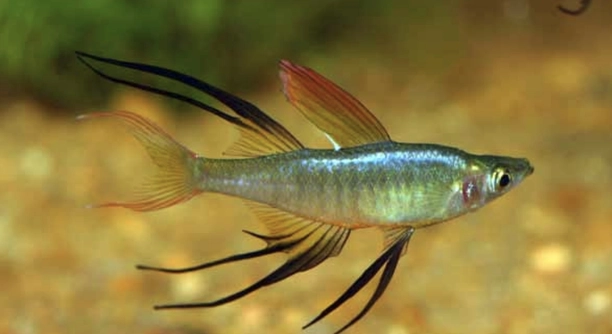
Threadfins are known for their schooling behavior, moving gracefully together while feeding. Sometimes, these fish will refuse to group feed, leaving aquarists puzzled and unsure how to encourage normal behavior in their tank.
When threadfins refuse group feeding, it is often due to stress, water quality issues, or insufficient food distribution. Ensuring stable water parameters, minimal disturbances, and providing evenly dispersed food can help restore natural feeding patterns effectively.
Understanding why these fish act differently can make maintaining your tank easier. Observing their habits and adjusting care routines can help promote healthier group feeding behavior.
Common Causes of Refusal in Group Feeding
Threadfins sometimes stop feeding together due to environmental stress or changes in their tank. Sudden movements, loud noises, or overcrowding can make them hesitant. Water quality also plays a big role; high nitrate levels or incorrect temperatures can upset their routine. Even the type of food matters. If flakes or pellets are too large, float too slowly, or sink unevenly, some fish may avoid eating while others compete. Lighting can also affect feeding patterns, as threadfins are sensitive to bright or inconsistent lights. Observing their behavior closely helps identify specific issues. Adjusting water flow and ensuring oxygen levels remain consistent encourages more relaxed feeding. Separating aggressive feeders or providing multiple feeding spots can reduce stress and allow shy fish to eat without pressure. By understanding these factors, you can create an environment that supports healthy group feeding and reduces daily stress for your threadfins.
Recognizing the source of feeding refusal helps prevent long-term health problems and encourages natural behavior.
Adjusting feeding techniques is often necessary. Distributing food evenly across the tank ensures all fish access it. Smaller portions given frequently are better than one large amount. Using floating food can attract reluctant feeders, and placing food near hiding spots may coax shy threadfins. Regular observation lets you spot changes quickly, preventing avoidance patterns from becoming persistent. Environmental tweaks, like reducing water flow or dimming lights during feeding, can make a significant difference. Maintaining stable water parameters and a calm tank atmosphere encourages the fish to return to group feeding naturally.
Strategies to Encourage Group Feeding
Small changes in feeding routines can make a noticeable difference. Offering food at consistent times helps threadfins anticipate meals and feel more secure.
Creating a structured feeding plan involves consistent timing and portion control. Start by offering food at the same times each day to establish predictability. Distribute food evenly across the tank to reduce competition and prevent dominant fish from monopolizing meals. Incorporate a mix of floating and sinking food to accommodate all feeding levels. Observing which areas attract fewer fish can help you adjust placement for better access. Adjust tank conditions, such as water flow and light intensity, during feeding periods to reduce stress and encourage participation. Gradually introducing these changes allows fish to adapt without sudden disruption. Over time, a consistent routine, thoughtful food distribution, and careful environmental adjustments will restore group feeding behavior. Monitoring health, behavior, and appetite ensures threadfins stay active and well-nourished while enjoying meals together, creating a more balanced and harmonious tank environment.
Adjusting Tank Conditions
Even small changes in water temperature can affect threadfins’ willingness to feed. Maintaining a stable temperature and proper pH reduces stress and promotes natural behavior. Regular water testing ensures conditions stay within safe limits for all tank inhabitants.
Proper lighting, flow, and oxygen levels are essential. Threadfins prefer moderate currents and soft lighting during feeding. Too strong a flow can scatter food, causing reluctance, while dim or uneven lighting may make fish hesitant. Ensuring adequate oxygenation prevents competition and panic at feeding times. Adding aeration near feeding areas or adjusting filters helps maintain calm conditions. Combining these adjustments with consistent feeding times encourages threadfins to feed together naturally.
Substrate and tank layout also influence feeding. Open spaces allow easier access to food, while hiding spots reduce stress for shy fish. Avoid overcrowding decorations that block swimming paths. Observing how threadfins interact with tank elements lets you reposition items for better accessibility. Simple modifications, like moving a plant or adjusting a rock formation, can make reluctant feeders feel more secure and more likely to join the group during meals.
Monitoring Fish Behavior
Watching your threadfins during feeding provides valuable insight into their habits. Changes in behavior can indicate stress, illness, or tank issues.
Note which fish consistently avoid food and where they stay during feeding. Dominant or aggressive individuals may intimidate others, preventing group feeding. Observing interactions helps identify patterns and decide whether adjustments are needed. Keep a simple log of feeding times, food type, and behavior to track improvements.
Consistency in monitoring allows timely intervention. Spotting early signs of refusal, like slower swimming or hiding, helps prevent health problems. Adjusting feeding techniques or tank conditions based on observation encourages all fish to participate. Regular checks improve overall tank management and ensure threadfins maintain balanced nutrition. Over time, this attentive approach fosters calmer, more cooperative feeding behavior throughout the group.
Food Variety and Presentation
Threadfins often respond better to varied food types. Rotating between flakes, pellets, and frozen options can stimulate appetite. Texture and size play a role, as smaller, softer pieces are easier for all fish to access.
Presentation affects feeding behavior too. Spreading food across the tank or using multiple feeding points ensures shy or smaller fish get their share without competing with more aggressive tank mates.
Using Feeding Tools
Feeding tools like tongs or pipettes allow precise placement of food. This can encourage hesitant fish to approach and eat without fear.
Targeted feeding reduces stress and helps maintain balanced nutrition. Introducing food directly near isolated or shy threadfins can gradually encourage them to join group feeding. Consistency in using these tools ensures fish grow accustomed to routine, helping normalize behavior.
Maintaining Water Quality
High water quality keeps threadfins healthy and more likely to feed together. Regular testing and partial water changes prevent buildup of harmful compounds.
Patience and Observation
Consistent monitoring is key. Gradual adjustments and careful observation help identify what encourages group feeding behavior.
FAQ
Why are my threadfins refusing to feed in a group?
Threadfins may refuse group feeding due to stress, poor water conditions, or competition. Sudden changes in the tank, loud noises, or overcrowding can make them hesitant. Ensuring stable water parameters, reducing disturbances, and evenly distributing food often encourages them to resume normal feeding.
How can I encourage shy threadfins to eat?
Using smaller portions and spreading food across different areas of the tank helps. Feeding near hiding spots or using tongs or pipettes to deliver food directly can gradually build confidence. Over time, shy threadfins often start joining the group without feeling threatened.
Does water temperature affect feeding behavior?
Yes, threadfins are sensitive to temperature changes. Even small fluctuations can stress them and reduce appetite. Maintaining a stable temperature within the recommended range for your species is essential. Consistent water conditions promote calm behavior and more reliable group feeding.
What role does lighting play in feeding?
Lighting affects visibility and comfort. Bright or uneven lights may make some fish hesitant to feed. Moderate, consistent lighting encourages threadfins to move freely and access food without feeling exposed. Adjusting light intensity during feeding can improve participation.
How often should I feed my threadfins?
Multiple small feedings are better than one large feeding. Offering food two to three times a day prevents competition and ensures all fish receive nutrition. Consistent feeding times help threadfins anticipate meals and feel secure.
Can tank decorations impact feeding behavior?
Yes, crowded decorations or obstructed swimming paths can stress shy fish. Open areas allow easier access to food, while hiding spots reduce anxiety. Rearranging plants or rocks to create clear feeding spaces encourages more uniform participation.
Should I worry about dominant fish preventing others from eating?
Dominant fish can intimidate smaller or shy threadfins. Observing feeding patterns and providing multiple feeding spots helps prevent competition. In some cases, temporarily separating aggressive fish can ensure weaker ones get their share.
What types of food work best for group feeding?
A mix of flakes, pellets, and frozen foods appeals to different fish preferences. Smaller, softer pieces are easier for hesitant fish to eat. Rotating food types also keeps the group interested and encourages participation.
How long does it take for threadfins to return to normal feeding?
The timeline varies depending on the cause. Adjusting water conditions, feeding techniques, and tank setup may take days to weeks. Consistent observation and gradual changes help speed recovery without causing additional stress.
Can stress from the environment cause long-term feeding issues?
Yes, prolonged stress can lead to decreased appetite, weakened immunity, and behavioral changes. Minimizing disturbances, maintaining water quality, and providing a calm, stable environment reduces long-term impacts and encourages natural feeding patterns.
Is it necessary to monitor fish during every feeding?
Regular observation is important, especially when correcting feeding issues. Watching interactions and behavior helps detect early signs of stress, aggression, or illness. Over time, you’ll learn patterns and can adjust care to maintain healthy group feeding.
Do threadfins prefer floating or sinking food?
Threadfins respond to both, depending on their feeding level in the tank. Offering a mix ensures all fish can access food. Floating food often attracts hesitant fish, while sinking food reaches those lower in the water column.
Can overfeeding cause refusal in group feeding?
Yes, overfeeding can create competition and discourage shy fish from approaching. Smaller, frequent portions reduce stress and ensure that all fish can eat comfortably. Avoid leaving uneaten food in the tank, as it can degrade water quality.
How can I tell if feeding refusal is due to illness?
If fish avoid food consistently, appear lethargic, or show physical symptoms like clamped fins, unusual spots, or rapid breathing, illness may be the cause. Treating the underlying condition and isolating affected fish when necessary prevents further disruption to group feeding.
What is the best way to track improvements?
Keep a simple log of feeding times, food types, and fish behavior. Noting which fish eat and where helps identify progress or ongoing problems. Tracking over weeks allows for adjustments and ensures consistent participation from all threadfins.
Can adjusting water flow improve feeding participation?
Yes, reducing strong currents during feeding prevents food from scattering and allows shy fish to eat comfortably. Moderate water flow mimics natural conditions and encourages calm, group feeding behavior.
Are there signs that feeding behavior is returning to normal?
Improved participation, reduced hiding, and more synchronized swimming toward food indicate progress. All fish gradually accessing food and less competition suggest group feeding patterns are being restored.
Should I change tank mates if feeding issues persist?
Sometimes, aggressive or territorial fish prevent others from feeding. If behavior doesn’t improve despite adjustments, consider rearranging or separating tank mates to support group feeding. This ensures calmer, more balanced meals for all threadfins.
How important is consistency in routines?
Consistency in feeding times, portion sizes, and tank conditions builds confidence. Threadfins thrive on predictable routines, which reduce stress and reinforce natural group feeding habits. Irregular practices often prolong refusal or cause new behavioral issues.
What other minor adjustments can help encourage feeding?
Small tweaks like repositioning plants, adjusting light intensity, or providing multiple feeding zones can have a big impact. Observing the fish and making gradual changes ensures shy threadfins feel secure and willing to join others at mealtime.
How do I prevent refusal from happening again?
Maintaining stable water quality, consistent feeding routines, and a calm environment is key. Regular observation and timely adjustments prevent future disruptions. By addressing small stressors early, you can ensure threadfins continue feeding as a group naturally and consistently.
Final Thoughts
Threadfins can sometimes refuse to feed in groups, and it can be frustrating to see. These fish are sensitive to changes in their environment, and even small disruptions can affect their behavior. Water quality, temperature, and pH all play a role in their willingness to eat together. If any of these factors are off, the fish may become stressed, shy away from food, or even compete aggressively for the portions they can reach. Maintaining stable conditions is key. Regular water testing and partial water changes help keep nitrate and ammonia levels in check. Adjusting temperature gradually, rather than making sudden shifts, can prevent shock and make the fish more comfortable during feeding times. Observing the tank closely gives insight into what might be causing hesitation.
Feeding practices also impact how threadfins behave. Using smaller, more frequent feedings is often more effective than offering one large portion a day. Distributing food evenly across the tank allows all fish to access it, reducing stress and competition. Different types of food, like flakes, pellets, or frozen options, can appeal to varied preferences and encourage reluctant fish to join. Placement matters as well. Floating food can attract more hesitant fish, while sinking food reaches those lower in the water column. Using tools like tongs or pipettes to target shy fish near hiding spots can also help. Over time, gradual and consistent feeding practices help rebuild confidence and normalize group feeding.
Patience and observation are just as important as adjustments in water quality or feeding techniques. Changes may take days or weeks, depending on the severity of stress or the adjustments being made. Keeping a simple log of behavior, feeding times, and food types can show progress and highlight areas that still need improvement. Minor modifications, like adjusting tank decorations, reducing water flow during feeding, or dimming lights, can have a big effect on encouraging participation. By taking a consistent, careful approach, threadfins usually return to normal feeding patterns. The effort ensures they stay healthy, reduces stress, and allows you to enjoy a more harmonious tank environment with fish feeding together naturally.

Hello,
If you enjoy the content that we create, please consider saying a "Thank You!" by leaving a tip.
Every little bit helps us continue crafting quality advice that supports the health, happiness, and well-being of pets around the world, for pets of all shapes, sizes, and species.
We really appreciate the kindness and support that you show us!