
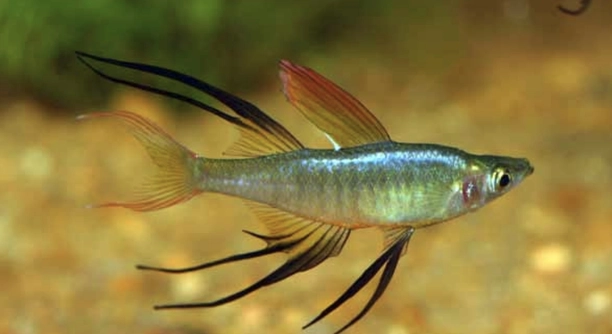
Do your aquarium filter noises seem louder than usual, making your threadfins act restless or avoid certain areas? Even subtle sounds can impact fish behavior, creating stress and altering their natural swimming patterns in the tank.
Seven common filter noises that may upset threadfins include constant humming, irregular bubbling, motor vibrations, rapid water gurgling, high-frequency whines, uneven flow sounds, and sudden starts or stops. Each of these noises can induce stress and disrupt normal behavior in threadfins.
Understanding how these noises affect threadfins is essential for maintaining a calm and healthy aquarium environment for your fish. Proper adjustments can significantly improve their comfort and well-being.
Constant Humming
Many aquarium filters produce a continuous humming sound that can be unsettling for threadfins. This sound often comes from the motor or pump working nonstop to circulate water. Although it may seem harmless to humans, fish are more sensitive to vibrations and continuous low-frequency noises. Threadfins may react by hiding behind decorations, slowing their swimming, or showing signs of stress like rapid gill movement. Over time, prolonged exposure to constant humming can impact feeding habits and reduce overall activity levels. Adjusting the filter placement, using vibration-dampening pads, or selecting a quieter model can help reduce this noise. Even minor changes in filter operation can improve the environment and reduce stress for your fish. Observing their behavior after adjustments is essential, as threadfins respond differently based on age, size, and tank conditions. A quieter tank helps maintain healthier fish and a more peaceful environment overall.
Constant humming can cause persistent stress, so reducing vibration is crucial for maintaining threadfins’ well-being.
Reducing constant humming requires attention to motor placement and tank setup. Using foam pads or rubber mounts beneath the filter can absorb vibrations and decrease the intensity of the hum. Choosing a filter designed for quiet operation can also make a noticeable difference. Maintaining the filter regularly prevents irregular motor operation, which may worsen humming. Threadfins often respond positively to these adjustments, resuming normal swimming and feeding patterns. Paying attention to the intensity and duration of the hum allows you to fine-tune solutions. Positioning the filter away from direct contact with the tank glass can further reduce noise transmission. A quieter environment promotes better overall health, encourages natural behaviors, and helps the fish feel secure in their space. Over time, these small adjustments can significantly improve the comfort and activity levels of threadfins. Consistent observation ensures that the filter settings continue to support a calm, stable habitat.
Irregular Bubbling
Irregular bubbling occurs when air enters the filter or water flow is inconsistent. This can startle threadfins, causing sudden darting or hiding.
Adjusting the intake and ensuring proper water levels reduces irregular bubbling. Regular cleaning also prevents trapped air and improves smooth operation, creating a calmer environment for threadfins to swim comfortably.
Irregular bubbling often results from uneven suction, partial clogs, or air trapped in the filter tubing. These disruptions produce unpredictable noise patterns that threadfins perceive as potential threats. Correcting this involves checking the tubing for leaks or loose connections, maintaining proper water levels, and cleaning impellers or intake screens. Installing an air trap or diffuser can also prevent sudden bursts of bubbles. Smooth, consistent water flow is essential to reduce stress and support normal feeding behavior. Threadfins thrive in stable environments, so removing erratic noises allows them to maintain natural swimming rhythms. By carefully observing their reactions after adjustments, it is possible to create a more predictable and comfortable tank environment. Reducing irregular bubbling contributes to healthier fish, improved oxygenation, and a visually pleasing aquarium. Attention to these details ensures that threadfins remain active, alert, and less prone to stress-related health issues.
Motor Vibrations
Motor vibrations can transmit through the tank, creating a constant disturbance for threadfins. Even small tremors can make them swim anxiously or hide.
Vibrations usually come from unbalanced motors or loose mounts. Securing the filter with rubber pads or foam beneath it can reduce the intensity. Over time, motor wear can worsen vibrations, so regular maintenance is necessary. Observing how threadfins respond after adjustments helps determine effectiveness. Even minor reductions in vibration improve swimming patterns and feeding behavior, helping the fish feel more comfortable and stable in their environment.
Some filters produce more vibrations due to design. Replacing older motors with quieter, balanced models is often the most effective solution. Consistently checking for loose screws, impeller misalignment, or damaged parts prevents excess movement. Positioning the filter slightly away from the tank glass also reduces transmitted vibrations. Threadfins respond positively to these changes, often becoming more active and showing calmer behavior. Regular maintenance and careful monitoring ensure vibrations remain minimal, contributing to a more secure and healthy tank environment.
Rapid Water Gurgling
Rapid gurgling occurs when water moves too quickly through the filter or air is trapped in the system, producing uneven sounds. This sudden noise can startle threadfins and disrupt their swimming.
Slowing down water flow or adjusting the filter intake reduces gurgling. Regularly checking tubing for air bubbles and cleaning the impeller ensures smooth operation. Consistent observation allows you to identify if the gurgling persists or if further adjustments are necessary to maintain a calm tank.
Rapid water gurgling can also result from blockages or uneven water levels. Debris buildup in the filter intake or tubing can create inconsistent suction, producing bursts of gurgling. Maintaining the filter by cleaning screens, impellers, and tubes prevents these sudden noises. Ensuring water levels remain stable also reduces air intake that contributes to gurgling. Threadfins prefer steady, predictable water movement, so minimizing these disturbances encourages natural swimming patterns and feeding behavior. Addressing these issues improves their overall comfort and reduces stress. Over time, a stable filter system contributes to healthier, more active fish and a more peaceful aquarium atmosphere.
High-Frequency Whines
High-frequency whines from a filter motor can be irritating to threadfins. These sounds are often caused by worn bearings or electrical issues within the motor.
Replacing old motors or lubricating moving parts can reduce whines. Choosing filters designed for quiet operation ensures a calmer environment for threadfins to swim and feed without constant stress.
Uneven Flow Sounds
Uneven flow sounds occur when water passes inconsistently through the filter. Threadfins may react by darting nervously or avoiding certain areas of the tank. Proper adjustment of flow rates and maintenance of the impeller helps smooth out water movement and reduces unpredictable noises. Regular observation ensures threadfins adapt comfortably to the changes.
Sudden Starts or Stops
Filters that start or stop abruptly can shock threadfins. Sudden changes in water movement or noise disrupt their routine and create stress, making consistent operation critical for a stable and comfortable aquarium environment.
FAQ
What causes my threadfins to hide near the filter?
Threadfins often hide near the filter because of loud or irregular noises. Constant humming, gurgling, or vibrations can make them feel unsafe. Positioning the filter correctly, using vibration-dampening pads, and maintaining smooth water flow helps reduce stress and encourages natural swimming behavior.
How can I reduce motor vibrations in my aquarium?
Motor vibrations come from unbalanced components or loose mounts. Securing the filter with rubber pads, foam bases, or adjusting its placement can minimize transmitted tremors. Regular maintenance of the motor, including cleaning and checking screws, also helps keep vibrations low and the tank stable for threadfins.
Why do my threadfins react to high-frequency whines?
Threadfins are sensitive to high-pitched sounds. Worn bearings or electrical issues in the motor can produce these whines. Replacing aging motors, lubricating moving parts, or choosing filters designed for quieter operation reduces this stress and allows threadfins to swim and feed comfortably.
What is the effect of irregular bubbling on threadfins?
Irregular bubbling can startle threadfins and interrupt their swimming patterns. It often results from trapped air, uneven water levels, or partial clogs in the filter. Cleaning tubing, adjusting intake, and using air diffusers can smooth out water flow and minimize sudden noise bursts.
Can sudden starts or stops of a filter harm threadfins?
Yes, abrupt changes in water movement or filter noise can shock threadfins. Ensuring the filter runs consistently, avoiding frequent power cycles, and choosing reliable equipment are key to maintaining a calm environment. Smooth operation helps fish maintain normal behavior and reduces stress levels.
How do uneven flow sounds affect threadfins?
Uneven flow produces unpredictable water movement that threadfins may perceive as a threat. Adjusting flow rates, cleaning the impeller, and ensuring tubing is free from blockages creates consistent water circulation, allowing threadfins to swim confidently without frequent startle responses.
Is it better to use quieter filters for threadfins?
Yes, quieter filters reduce stress and promote natural behavior. Filters with low-decibel motors, smooth water output, and stable operation prevent disturbances that might cause hiding, erratic swimming, or reduced feeding. Consistent observation ensures the filter continues supporting a peaceful environment.
How often should I maintain my filter to protect threadfins?
Regular maintenance is essential. Cleaning impellers, intake screens, and tubing weekly or biweekly prevents noise from blockages or trapped air. Checking for worn parts and lubricating motors as needed reduces vibrations and whines, ensuring a calm habitat for threadfins to thrive.
Can filter placement affect noise levels in the tank?
Absolutely. Direct contact with glass or tank edges amplifies vibrations and humming. Placing the filter slightly away from walls, using foam pads, or adjusting mounting points reduces sound transmission, creating a quieter environment for threadfins to swim comfortably.
Are threadfins sensitive to all filter noises equally?
Sensitivity varies among threadfins, but most respond negatively to constant humming, high-frequency whines, irregular bubbling, rapid gurgling, and sudden motor starts. Observing behavior helps identify which noises cause stress, allowing targeted adjustments to reduce specific disturbances.
What is the best way to monitor threadfins’ reaction to filter noises?
Observe their swimming patterns, hiding behavior, and feeding habits after filter adjustments. Gradual changes in water flow, noise reduction, and proper placement allow threadfins to acclimate while ensuring the tank remains comfortable and stress-free.
Can using air diffusers help reduce filter noise?
Yes, air diffusers can minimize irregular bubbling and reduce sudden water sounds. By distributing air evenly, diffusers prevent bursts that startle threadfins and support a calmer, more predictable tank environment.
How do I choose a filter that is less stressful for threadfins?
Look for filters with quiet motors, adjustable flow rates, and smooth water output. Stability, minimal vibration, and consistent operation are essential. Reading product reviews and observing test tanks helps ensure the chosen filter maintains a peaceful environment for threadfins.
Are older filters more likely to upset threadfins?
Older filters often produce more noise due to worn parts, motor fatigue, and debris buildup. Regular maintenance or upgrading to newer, quieter models ensures threadfins experience less stress and promotes healthier, more active behavior in the aquarium.
How can I tell if a filter noise is affecting threadfins’ health?
Signs include hiding, reduced activity, erratic swimming, decreased feeding, and rapid gill movement. Observing consistent patterns over time helps identify stress from filter noise, prompting maintenance or equipment adjustments to improve their comfort.
What simple steps can reduce multiple filter noises at once?
Use vibration-dampening pads, adjust placement, clean all parts regularly, check tubing for air, and choose filters designed for quiet operation. Combined, these steps address humming, gurgling, vibrations, and irregular flow, creating a calmer environment for threadfins to thrive.
Maintaining a calm environment for threadfins is essential for their overall health and well-being. Filter noises, even small ones, can create stress and disrupt natural behaviors like swimming and feeding. Over time, prolonged exposure to constant humming, motor vibrations, irregular bubbling, or sudden starts and stops can make threadfins hide more often or become less active. Observing these behaviors allows aquarists to identify which noises are affecting the fish and take steps to reduce them. Simple adjustments, like placing the filter on foam pads or slightly away from tank walls, can significantly reduce transmitted vibrations and sound. Regular maintenance, including cleaning impellers, tubing, and intake screens, ensures the filter operates smoothly, preventing unpredictable noises that can startle threadfins. Choosing filters designed for quieter operation can also make a notable difference, especially in tanks where fish are more sensitive. Over time, small improvements in filter setup and care create a stable, less stressful environment, encouraging threadfins to maintain natural behaviors and overall health.
It is important to understand that threadfins respond differently to each type of noise. High-frequency whines may affect some fish more than others, while irregular bubbling or rapid gurgling can create immediate stress. Monitoring behavior closely after making adjustments helps determine which steps are most effective. Reducing noise does not require major changes but involves consistent attention and minor modifications. Maintaining stable water flow, keeping air trapped in tubing to a minimum, and avoiding sudden starts or stops in filter operation all contribute to a calmer tank. Regular observation of feeding patterns and swimming behavior can provide clear indicators of whether the environment has improved. Ensuring the filter functions smoothly and quietly allows threadfins to feel safe, promoting more predictable and relaxed behavior in their habitat. In combination, these adjustments support long-term fish health, reduce stress-related illnesses, and create a more enjoyable aquarium environment.
Ultimately, a quiet and stable filter system enhances the experience of keeping threadfins while supporting their natural behavior and growth. Small, consistent steps like monitoring water levels, cleaning parts, using vibration-dampening materials, and selecting suitable filters have a meaningful impact on fish comfort. Threadfins thrive in environments where noise levels are controlled and water movement is predictable, which reduces stress and promotes better feeding, swimming, and social interactions. Being attentive to their reactions after changes allows aquarists to fine-tune the tank setup for optimal results. Over time, implementing these strategies leads to a healthier, more active, and comfortable population of threadfins. Maintaining this balance requires regular observation, careful maintenance, and thoughtful equipment choices, ensuring the fish can thrive naturally in a supportive environment. These steps create a calmer tank, allowing both the fish and the aquarist to enjoy a more peaceful and harmonious setting.

Hello,
If you enjoy the content that we create, please consider saying a "Thank You!" by leaving a tip.
Every little bit helps us continue crafting quality advice that supports the health, happiness, and well-being of pets around the world, for pets of all shapes, sizes, and species.
We really appreciate the kindness and support that you show us!