
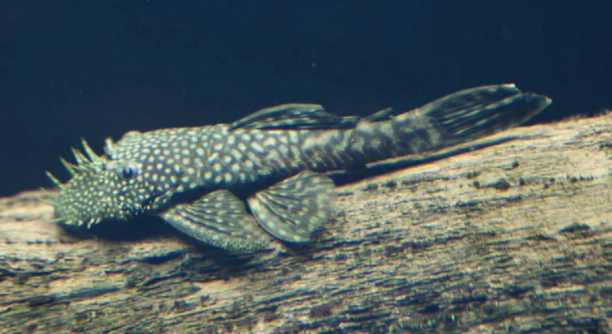
Have you ever bought a cave for your pleco, only to find it completely ignored? Many fish owners face this issue, leaving their tank decor unused. It can be puzzling and frustrating to watch your fish avoid its new space.
The main reason a pleco avoids its cave is often due to size, placement, or environmental stressors. Adjusting the location, ensuring proper hiding space dimensions, and maintaining water quality can encourage the pleco to explore and settle comfortably.
Learning simple adjustments can make a big difference in your pleco’s comfort and behavior within the tank. Small changes often lead to noticeable improvements in how it interacts with its environment.
Choosing the Right Cave for Your Pleco
Plecos are particular about their hiding spots, and the type of cave you select can make a significant difference. Some plecos prefer smooth surfaces, while others like rough textures that mimic natural rock. Size matters too—too small, and the fish cannot enter comfortably; too large, and it may feel exposed. Materials like resin, ceramic, or natural stone can all work, but they must be safe for aquarium use. The shape of the cave also influences acceptance. Rounded, enclosed caves give a sense of security, whereas open structures may be ignored. Placement within the tank is equally important. Plecos favor spots with low light and minimal disturbances. Adding gentle decorations or plants around the cave can create a more inviting environment. Temperature and water flow near the cave should also be considered, as plecos avoid areas that are too cold or have strong currents. Observing your pleco’s behavior helps refine your choices.
Choosing the right cave involves more than looks; it requires attention to comfort, security, and tank placement.
Experimenting with different textures, sizes, and positions helps ensure your pleco feels safe and willing to use its cave. Watching small reactions can guide adjustments, making the tank more suitable.
Adjusting Tank Conditions
Water quality and temperature have a strong influence on pleco behavior.
Plecos prefer stable conditions, so frequent fluctuations in temperature, pH, or ammonia levels can make them avoid their cave. Maintaining clean water, proper filtration, and regular monitoring keeps the environment comfortable. Lighting should also be gentle, avoiding direct brightness near the hiding spot. Stress from tankmates can influence hiding preferences, so ensuring compatible companions is important. Providing a quiet and stable space encourages the pleco to explore and settle into its cave naturally.
Proper tank conditions go beyond basics, including water chemistry, tank decor, and overall layout. Water hardness and pH can subtly affect comfort levels, influencing where a pleco chooses to hide. Observing behavior over days can reveal preferences for shaded or protected areas. Temperature gradients should be mild; sudden shifts may push your pleco away from its cave. Consider the flow of water too—strong currents near the cave entrance may deter usage. Even minor adjustments, such as adding a few plants or repositioning rocks, can make a significant difference. Plecos also respond to tank activity. Placing the cave in a quiet corner reduces stress, helping the fish feel secure. By combining these small steps with regular maintenance, your pleco is more likely to accept and use its designated cave, creating a healthier and more balanced aquarium environment.
Encouraging Your Pleco to Use Its Cave
Providing hiding incentives can help your pleco explore the cave. Adding food near or inside the cave, such as algae wafers or fresh vegetables, can create positive associations. Plecos often respond to these small encouragements.
Consistency is important. Place food near the cave at the same time daily, gradually moving it slightly further inside. This helps the pleco associate the cave with safety and nourishment. Observing reactions carefully allows you to adjust placement without causing stress. Avoid sudden changes that may scare your pleco, and keep decorations around the cave stable. Over time, patience and small incentives typically lead to acceptance of the new hiding spot, improving overall comfort and behavior.
Environmental cues can also influence usage. Gentle lighting, minimal disturbances, and small plant arrangements around the cave create a more inviting area. Plecos are naturally cautious, so combining food, subtle adjustments, and a quiet tank environment encourages them to feel secure and explore their new space more willingly.
Recognizing When Changes Are Needed
Plecos give clear signals if a cave is uncomfortable.
Watch for avoidance, hiding elsewhere, or agitation near the cave. These signs indicate that adjustments in size, placement, or tank conditions are required. Small modifications can have significant effects on acceptance.
Repositioning the cave can make it more appealing. Consider tank corners or shaded areas where the pleco feels safe. Adjusting water flow or adding subtle decorations nearby may also improve comfort. If the cave is too tight or has rough edges, replacing it with a smoother, appropriately sized option is better. Regularly monitoring behavior ensures the pleco’s needs are met and reduces stress. Observing feeding habits near the cave and general activity can reveal additional preferences, guiding further changes to enhance habitat satisfaction. Balancing environmental stability with minor adjustments often encourages consistent use of the cave, supporting natural hiding instincts and overall well-being.
Checking Cave Placement
Place the cave where the pleco feels safest, often in a quiet corner or behind decorations. Avoid areas with strong currents or frequent disturbances.
Low lighting near the cave encourages usage. Plecos prefer shaded, calm spots that feel secure. Adjust placement gradually to observe responses without stressing the fish.
Cleaning and Maintenance
A clean cave is more inviting. Algae buildup, debris, or waste can make a pleco avoid its hiding spot. Regularly rinse the cave in tank water, removing any dirt or residue, and ensure no harsh chemicals are used. Maintaining cleanliness improves comfort and encourages consistent use, supporting the pleco’s natural behavior.
Observing Behavior
Monitoring your pleco near the cave helps identify preferences. Note where it rests, hides, or explores. These observations inform adjustments in placement, décor, or tank conditions to better suit its needs and improve comfort.
FAQ
Why does my pleco ignore its cave completely?
Plecos often avoid caves due to size, placement, or environmental factors. A cave that is too small or too open can feel unsafe. High light, strong currents, or frequent disturbances may also discourage usage. Observing behavior and making small adjustments usually helps.
How can I make my pleco more comfortable with the cave?
Gradually introducing incentives, like placing food near or inside the cave, can create positive associations. Ensure the cave is in a quiet, shaded area and maintain stable water conditions. Gentle lighting and minimal tank disturbances encourage exploration and eventual use of the cave.
What type of material is best for a pleco cave?
Safe aquarium materials such as ceramic, resin, or smooth natural stone work well. Rough textures may appeal to some plecos but must not have sharp edges. Avoid untreated wood or painted decorations that can leach harmful substances into the tank.
Does cave size matter for plecos?
Yes, size is crucial. Plecos need enough space to enter and turn comfortably. Too small makes them feel trapped, while too large may feel exposed. A snug, enclosed space generally provides security, mimicking natural hiding spots in rivers and streams.
How do I know if the cave placement is wrong?
Signs include avoidance, hiding elsewhere, or general agitation around the cave. If your pleco consistently avoids the cave, try moving it to a quieter corner or a lower-lit area. Slight adjustments in position or orientation can make the environment more inviting.
Can tankmates affect cave use?
Yes, active or aggressive tankmates may intimidate your pleco. If other fish frequently swim near or disturb the cave, the pleco may avoid it. Providing multiple hiding options or rearranging tank decor can reduce stress and increase cave usage.
How often should I clean the cave?
Regular maintenance is important. Rinse the cave in tank water every few weeks to remove algae and debris. Avoid harsh chemicals that can harm your fish. A clean cave improves comfort, encourages use, and reduces risk of disease.
What if my pleco still refuses the cave?
Some plecos are naturally cautious or picky. Consider changing the cave type, size, or texture, or adding gentle plants around it for extra security. Patience is key, and gradual changes often lead to eventual acceptance.
Do lighting and water flow affect cave usage?
Yes, plecos prefer shaded, calm areas. Strong currents or direct bright light near the cave can make it unappealing. Adjust lighting levels and check water flow to create a stable, comfortable environment that encourages hiding and resting.
Is it normal for plecos to only use the cave occasionally?
Yes, plecos may rotate between hiding spots and open areas depending on activity, feeding, or comfort. Occasional cave use does not indicate a problem. Observing patterns helps identify preferred hiding spots and ensures the tank meets their needs.
Can decorations near the cave help?
Adding gentle decorations or plants around the cave can increase a pleco’s sense of security. Barriers or visual cover reduce stress and make the cave more inviting. Avoid overcrowding, as too much clutter can discourage exploration and movement.
How long does it take for a pleco to accept a new cave?
Acceptance varies by individual fish. Some adapt within days, while others take weeks. Gradual introduction with small adjustments and consistent care encourages confidence. Monitoring behavior ensures the cave meets safety, comfort, and environmental needs.
Can food placement encourage cave use?
Yes, placing food near the cave entrance initially and gradually moving it inside helps the pleco associate the cave with safety and nourishment. Use favorite foods like algae wafers or vegetables to make the space more appealing.
Should I adjust tank temperature for cave use?
Stable temperatures are more important than drastic changes. Sudden shifts may discourage cave exploration. Plecos thrive in moderate, consistent temperatures, and maintaining this stability supports overall comfort, encouraging regular cave usage.
Is it necessary to provide multiple caves?
Multiple caves can reduce stress, especially in tanks with several fish. Offering options lets plecos choose the most comfortable hiding spot. Observing preferences helps determine the best locations and ensures all fish have a secure retreat.
Can water chemistry affect cave preference?
Yes, pH, hardness, and ammonia levels influence pleco comfort. Poor water quality may lead them to avoid the cave. Maintaining stable parameters supports overall health and encourages consistent use of designated hiding spots.
How do I monitor cave success?
Watch your pleco daily for resting, hiding, or feeding patterns near the cave. Note changes in behavior after adjustments to placement, decor, or tank conditions. Consistent observation helps identify improvements or further changes needed for comfort and security.
Are plecos more likely to use caves at certain times?
Plecos are generally nocturnal, so usage may increase at night or during low-light periods. Observing behavior during these times helps assess the cave’s appeal and whether further adjustments are necessary.
Can stress from moving the tank affect cave acceptance?
Yes, relocation or sudden changes can make plecos wary. After moving a tank or rearranging décor, allow time for adjustment. Gradually reintroduce the cave in a calm, stable environment to encourage exploration.
Does the type of pleco matter for cave preferences?
Different species have varied hiding habits. Some prefer open shelters, while others like deep, enclosed spaces. Researching the specific species’ natural tendencies ensures the cave suits their instinctual behavior and comfort needs.
Final Thoughts
Understanding your pleco’s behavior is key to ensuring it uses its cave comfortably. Plecos are naturally cautious and selective about their hiding spots, so patience is essential. A cave is more than just a decoration—it provides security and reduces stress, which can influence overall health. Observing your pleco’s daily routine helps identify what it likes and dislikes. Placement, size, and material all affect whether the fish will accept the cave. Adjustments should be made gradually, allowing the pleco to explore at its own pace. Sudden changes can cause stress and lead to avoidance. Offering a quiet, shaded area in the tank is often enough to encourage the fish to use its cave consistently.
Maintaining proper tank conditions also plays a significant role in pleco cave acceptance. Water temperature, pH, and cleanliness impact comfort levels more than many fish owners realize. A pleco may avoid a perfectly sized cave if the water flow is too strong, the lighting too bright, or the surrounding area too busy. Small decorations or plants around the cave can provide a sense of safety, making the space more inviting. Regular maintenance, such as rinsing the cave to remove algae or debris, ensures it remains appealing. Food placement near the cave can also help, as plecos respond well to positive reinforcement. These combined steps create an environment where the pleco feels secure, increasing the likelihood of consistent cave use over time.
Each pleco is different, so flexibility is important. Some fish may take days to accept a cave, while others need weeks of gradual encouragement. Observing their behavior, responding to their preferences, and making subtle changes in placement or environment are all part of the process. Multiple hiding spots can also be helpful in community tanks to reduce competition and stress. Remember that occasional avoidance does not indicate a problem; plecos may choose to explore other areas depending on comfort, lighting, and activity levels. By paying attention to these details and providing a calm, safe environment, you can support your pleco’s natural instincts and overall well-being. With patience, observation, and small adjustments, your pleco will likely grow more confident and regularly enjoy its cave, making the tank a more balanced and secure habitat.

Hello,
If you enjoy the content that we create, please consider saying a "Thank You!" by leaving a tip.
Every little bit helps us continue crafting quality advice that supports the health, happiness, and well-being of pets around the world, for pets of all shapes, sizes, and species.
We really appreciate the kindness and support that you show us!