
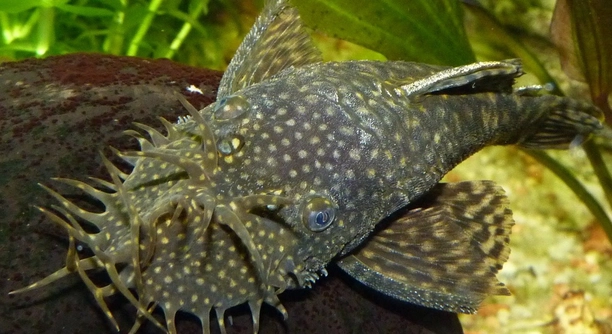
Have you ever noticed your pleco acting differently and started wondering if it might be getting ready to lay eggs? Subtle changes in behavior can often signal that something exciting is about to happen in your aquarium.
Plecos typically show clear signs before laying eggs, including increased nesting behavior, territorial aggression, and time spent near flat surfaces or inside caves. These behaviors often indicate that the female pleco is preparing a safe spot for her eggs.
Recognizing these patterns can help you create a comfortable environment and ensure your pleco’s breeding process goes smoothly and safely.
1. Increased Activity Around the Nesting Area
When a pleco is getting ready to lay eggs, you may notice her spending more time near caves, driftwood, or flat rocks. These areas are potential nesting sites where she feels comfortable and secure. She might start cleaning these surfaces carefully, brushing away debris or sand. The male pleco often participates by preparing the chosen area, making sure it’s suitable for egg attachment. This behavior can last several days before actual spawning begins. During this time, your pleco may appear restless or more focused than usual, rarely wandering far from her chosen spot.
As the cleaning continues, you may see the pair working together, ensuring the area remains spotless. It’s best not to disturb them or rearrange decorations during this stage, as doing so may disrupt their progress.
Creating a calm and stable environment during this time helps maintain your pleco’s confidence and encourages her to proceed with laying eggs successfully.
2. Changes in Appearance and Behavior
Plecos often show noticeable physical changes before laying eggs. The female’s abdomen becomes rounder and more pronounced as she fills with eggs, while the male might become more territorial, especially toward other tankmates.
In this period, it’s common to observe the male guarding certain spots or chasing away intruders. This protective behavior ensures that the female can lay her eggs in peace. You may also notice a slight change in their appetite; females sometimes eat less as they prepare for spawning. Keeping the water conditions stable is important, as stress can delay or prevent egg-laying. Clean, warm water around 78°F, with slightly increased oxygen levels, can promote healthy breeding behavior. Observing these small signs will help you understand your pleco’s readiness and support them through the process. Recognizing these subtle differences can make all the difference when it comes to a successful egg-laying experience.
3. Territorial and Protective Behavior
Before laying eggs, plecos often become territorial, especially the males. You might notice more chasing, flaring, or guarding of certain spots within the tank. This is their natural instinct to protect the chosen area from potential intruders or disturbances.
During this stage, the male may claim a cave or surface and spend long periods guarding it. The female will approach occasionally, inspecting the site before returning to her usual spot. Aggressive displays toward other fish are common, but they rarely cause harm. It’s best to avoid adding new fish during this time, as this could increase stress and delay spawning. Monitoring these behaviors helps you recognize the exact moment when your plecos are close to breeding. Keeping the environment calm and consistent will make them feel secure enough to proceed with laying eggs.
Providing adequate hiding spaces can also minimize tension between tankmates.
4. Frequent Cleaning and Nest Preparation
Plecos are known for their cleaning habits, but this behavior intensifies before egg-laying. You’ll often see them brushing rocks, caves, or driftwood with their mouths, removing algae or debris to create a clean, smooth surface for their eggs.
This cleaning phase is important because plecos lay adhesive eggs that stick to hard surfaces. A clean site ensures the eggs remain secure and free from bacteria or fungus. The female focuses on cleanliness, while the male oversees the process and maintains the chosen spot. During this time, it’s important to maintain good water quality and avoid disturbing their setup. Providing suitable materials, like flat stones or pleco caves, encourages them to find the right nesting location. Watching their careful preparation offers a glimpse into their natural instincts and signals that egg-laying is only a short time away.
5. Reduced Appetite
It’s common for plecos to eat less before laying eggs. The female often becomes less interested in food as her body focuses on producing and preparing to release the eggs. This behavior usually lasts a few days and shouldn’t be mistaken for illness.
During this period, maintain their regular feeding schedule but avoid overfeeding. Extra food can pollute the water, causing unnecessary stress. Once the eggs are laid, the female’s appetite typically returns to normal, and the male may also resume regular feeding after guarding the eggs.
6. Increased Interaction Between Pair
As spawning approaches, you may notice the male and female plecos spending more time together. The male often follows the female closely, guiding her toward the chosen nesting site. This interaction can look like gentle nudging or synchronized swimming, which strengthens their breeding bond. Communication between the pair becomes more consistent as they prepare for egg-laying. Once the site feels secure, the female will lay the eggs, and the male will fertilize and guard them. Observing this process shows the trust and coordination between the pair during this delicate phase.
7. Male Guarding Behavior
After the eggs are laid, the male pleco becomes the main protector. He stays close, fanning the eggs with his fins to keep them oxygenated and clean until they hatch. This stage confirms successful egg-laying has taken place.
FAQ
How long does it take for pleco eggs to hatch?
Pleco eggs usually hatch within five to ten days, depending on the species and water temperature. Warmer water tends to speed up the process, while cooler water can slow it down slightly. During this period, the male pleco remains close to the eggs, fanning them constantly to maintain oxygen levels and prevent fungus from forming. You might notice the eggs gradually changing color from a bright yellow to a more transparent shade, indicating that hatching is near. Once the fry emerge, they will stay close to the nesting site for a few days before exploring.
What should I do after my pleco lays eggs?
Once your pleco lays eggs, avoid disturbing the tank setup or trying to move the eggs. The male will take full responsibility for guarding them until they hatch. It’s best to reduce tank maintenance and avoid adding new fish during this time. Keeping the lighting dim and the environment calm helps reduce stress for both parents. Regularly check the water parameters to ensure stability, especially temperature and oxygen levels. When the fry hatch, you can begin introducing small foods like crushed algae wafers or baby brine shrimp.
Do all plecos breed in captivity?
Not all plecos will breed in captivity, even under good conditions. Many species need specific environmental triggers, such as temperature changes, water current adjustments, or the presence of particular materials like caves or driftwood. Some plecos, especially larger or wild-caught ones, might not adapt well to captive breeding. However, common species such as bristlenose plecos are much easier to breed and often do so naturally once they feel secure. Providing the right conditions, stable water parameters, and suitable nesting sites increases your chances of successful breeding.
How can I tell if my pleco eggs are fertilized?
Fertilized pleco eggs usually appear bright yellow or orange and remain firm in texture. Unfertilized eggs, on the other hand, often turn white or cloudy within a day or two. The male pleco typically removes or eats these unfertilized eggs to prevent fungal spread. You can gently observe the clutch from outside the tank without disturbing the fish. Over time, fertilized eggs may darken slightly, and you might see tiny movements inside as the fry develop. If all eggs begin to look white or fuzzy, water quality or fertilization issues might be the cause.
Should I separate the fry from adult fish?
It’s usually best to separate the fry once they begin swimming freely. While the male pleco generally guards them initially, other fish in the tank may see them as food. Moving the fry to a small, filtered grow-out tank ensures better survival rates. Provide hiding spaces and feed them soft, nutrient-rich foods suitable for their size. Frequent water changes and stable conditions are essential to support their growth. Once they are large enough to avoid being eaten, they can be safely introduced back into the main tank.
Why didn’t my pleco lay eggs even though she showed all the signs?
Sometimes, a pleco may show all the typical pre-spawning behaviors but not actually lay eggs. Stress, unstable water conditions, or an inexperienced breeding pair can delay or prevent egg-laying. Another reason could be an unsuitable nesting site or interference from other tankmates. Try making small adjustments, such as slightly raising the water temperature, improving water flow, or offering more hiding areas. Be patient, as plecos can take time to feel comfortable enough to spawn. With the right setup and calm conditions, egg-laying often happens naturally later on.
How can I protect pleco eggs from fungus?
Fungal growth can be a common issue, especially if water quality isn’t ideal. The male pleco’s fanning behavior helps prevent this by increasing oxygen flow. However, if fungus still appears, you can add a small amount of aquarium-safe methylene blue to protect the eggs. Make sure filtration remains gentle to avoid disturbing the clutch. Avoid overfeeding during this time, as leftover food can cause bacterial issues. Clean water, good circulation, and low stress levels are key to preventing fungus and ensuring healthy fry development.
Do female plecos eat their eggs?
In most cases, the female pleco doesn’t eat her eggs, as she typically leaves the male to guard them after laying. However, if she feels stressed, threatened, or lacks proper nutrition, she might consume some. This is a natural response to protect her health or conserve energy. To reduce the risk, provide a quiet, stable environment and ensure she’s well-fed before breeding. Removing overly aggressive tankmates also helps. If you notice egg disappearance, it’s often best to let the male handle the guarding process alone.
Final Thoughts
Watching your pleco prepare to lay eggs can be an interesting and rewarding experience. These fish have calm personalities most of the time, but their behavior changes completely during breeding. Understanding these changes helps you recognize when your pleco is ready to spawn and how to create the right conditions for it. Observing signs like cleaning, guarding, and nesting can tell you a lot about what’s happening below the surface. By learning to notice these details, you can support your pleco during this sensitive time and help ensure the breeding process goes smoothly. Taking the time to observe rather than interfere allows the fish to follow their natural instincts.
Caring for plecos during breeding requires patience and consistency. It’s important to maintain stable water conditions, limit disruptions, and provide enough hiding spaces for both the male and female. These simple steps can make a big difference in whether the eggs survive and hatch successfully. Many new fish owners feel anxious when they see unusual behavior, but in most cases, these actions are normal signs of preparation. The male’s protective nature might seem aggressive, but it’s part of how plecos safeguard their eggs. When given space and calm surroundings, the pair usually completes the process without needing much help. Observing this natural cycle can give you a deeper appreciation for the complexity of even the most peaceful aquarium fish.
Once the eggs hatch, it’s all about gentle care and observation. The tiny fry will depend on stable conditions and clean water to grow strong. Feeding them soft, high-quality foods helps support their development during the first few weeks. As they grow, you’ll begin to see their features become more defined, reflecting the characteristics of their parents. This stage is often the most rewarding for aquarium keepers, as it represents the result of patience and proper care. Whether or not you plan to breed plecos regularly, understanding the signs of egg-laying can help you be a more attentive and confident fish keeper. It reminds us that even in a small aquarium, nature continues its quiet, fascinating rhythm, and our role is simply to maintain balance and provide a safe environment where life can thrive naturally.

Hello,
If you enjoy the content that we create, please consider saying a "Thank You!" by leaving a tip.
Every little bit helps us continue crafting quality advice that supports the health, happiness, and well-being of pets around the world, for pets of all shapes, sizes, and species.
We really appreciate the kindness and support that you show us!