
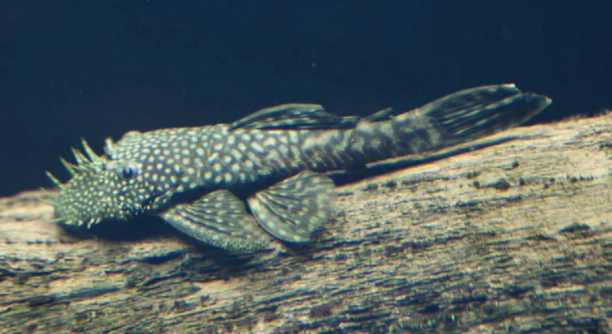
Have you ever wondered how much care a bristlenose pleco really needs to thrive in a home aquarium? Many people assume these fish are low-maintenance, but there is more to their care than meets the eye.
Bristlenose plecos require specific water conditions, a balanced diet, and regular tank maintenance. Misunderstandings about their feeding habits, tank size, and social behavior often lead to improper care, stressing the fish and impacting their overall health and lifespan.
Understanding the common myths about bristlenose plecos will help you provide a healthier environment and enjoy a more rewarding aquarium experience.
Myth 1: Bristlenose Plecos Only Eat Algae
Many people think bristlenose plecos survive solely on algae in the tank. In reality, while algae is part of their diet, it is not enough to sustain them. These fish need a mix of vegetables like zucchini, cucumber, and spinach, as well as sinking pellets or wafers designed for herbivorous fish. Without proper nutrition, their growth slows, their fins may become damaged, and their immune system weakens. I remember when I first got a pleco and relied only on algae; it didn’t grow as expected. Over time, I added fresh vegetables and saw a noticeable improvement. It’s important to remove uneaten vegetables to prevent water quality issues. A balanced diet ensures your pleco remains healthy and active. Observation is key—if your fish seems lethargic, consider adjusting its diet immediately. Their needs may change as they age, so flexibility is essential in their care routine.
Providing vegetables alongside algae helps meet their nutritional requirements and promotes healthy growth, ensuring a thriving fish.
Including a variety of plant-based foods and proper sinking pellets is essential. This combination prevents nutrient deficiencies and encourages natural foraging behavior. Consistent feeding schedules and monitoring leftover food maintain tank cleanliness, supporting both fish health and water quality.
Myth 2: Plecos Don’t Need Large Tanks
Many assume plecos can thrive in small tanks due to their size as juveniles.
Bristlenose plecos can grow up to six inches and need space to explore. Keeping them in small tanks can stress them, reduce activity, and cause health issues. A minimum of 30 gallons is recommended. They benefit from hiding spots like caves, driftwood, or plants. Without proper space, aggression toward other bottom-dwelling fish may increase. I noticed a neighbor’s pleco seemed withdrawn in a tiny tank, but after moving it to a larger setup, it became more active. Tank layout matters as much as size; hiding spots reduce stress and mimic their natural habitat. Filtration is also important, as larger volumes help maintain stable water quality. Regular water changes prevent toxin buildup, keeping plecos healthy. Ultimately, giving them enough room ensures longer life, better behavior, and overall vitality. Proper tank design and space reflect a commitment to responsible care.
Myth 3: Bristlenose Plecos Are Always Nocturnal
While plecos are more active at night, they are not strictly nocturnal. They will often move around during the day, especially when feeding or exploring their tank. Lighting and tank activity influence their behavior, and some individuals may be more active than others.
I noticed my pleco swims near the surface occasionally, even in the daytime. It comes out when I place vegetables or pellets in the tank, showing that they respond to food availability more than strict day-night cycles. Plecos enjoy quiet, low-stress periods but will adjust their activity based on the tank environment and feeding schedule. Observing them regularly helps me understand their patterns and anticipate when they need attention or care. Each fish is unique, so assuming all plecos hide during the day can lead to misinterpretation of their behavior. Understanding this helps maintain a calmer, more predictable tank environment.
Encouraging daytime activity can improve their health. Offering food at consistent times and creating varied hiding spots allows plecos to explore without stress, improving their physical condition and reducing boredom.
Myth 4: Plecos Don’t Need Decorations
Decorations are often seen as optional, but they are essential for plecos. Hiding spots, caves, and driftwood provide security and mimic their natural environment, reducing stress and aggression.
Driftwood is particularly important because plecos rasp on it, which helps their digestion and keeps their teeth healthy. I started adding small caves and driftwood after noticing my pleco scraping its mouth on the glass. Over time, it preferred the wood, and I realized decorations are not just aesthetic—they support physical and mental health. Plants, whether real or artificial, provide cover and break up open spaces, making plecos feel safe. When decorations are missing, plecos may become skittish, hide excessively, or even show signs of aggression. Maintaining a balanced tank layout with hiding spots and open swimming areas encourages natural behaviors and improves overall wellbeing. Observing how they use these spaces can guide further adjustments to the tank design.
Myth 5: Plecos Don’t Need Regular Water Changes
Regular water changes are necessary to keep plecos healthy. Even hardy fish like bristlenose plecos produce waste that can build up toxins, stressing them and causing health problems.
I used to delay water changes, thinking my filter was enough. Over time, I noticed cloudy water and my pleco became less active. Consistent partial water changes remove waste, maintain stable water parameters, and prevent algae overgrowth. It also reduces ammonia and nitrite spikes that can harm the fish. Observing water clarity and testing parameters regularly helps ensure the tank remains safe. Small, frequent changes are better than occasional large changes, keeping plecos comfortable.
Myth 6: Plecos Can Be Kept Alone
Bristlenose plecos can live alone, but social interaction benefits their wellbeing. They often enjoy sharing space with other non-aggressive fish.
I added a small school of peaceful tetras, and my pleco seemed more active. It explored more of the tank and showed natural behaviors. Tank mates should be compatible, avoiding aggressive species that may stress the pleco. Proper hiding spots reduce competition, allowing plecos to establish their preferred areas. Observing interactions ensures harmony. While they survive alone, a well-planned community tank encourages more engagement and prevents boredom.
Myth 7: Plecos Don’t Require Sinking Food
Bristlenose plecos need sinking food to eat naturally at the bottom of the tank.
Sinking wafers or pellets prevent them from competing with surface feeders. I learned this when my pleco ignored floating flakes and seemed malnourished. Offering proper food supports healthy growth, proper digestion, and natural foraging habits, improving overall wellbeing.
FAQ
How often should I feed my bristlenose pleco?
I feed my pleco once a day in the evening, giving it enough vegetables and sinking pellets. Overfeeding can lead to poor water quality and obesity, while underfeeding can slow growth and reduce activity. Observing how quickly the food disappears helps adjust portion size.
Can bristlenose plecos live with other fish?
Yes, they can coexist with peaceful species. I keep mine with small tetras and rasboras. Aggressive tank mates should be avoided, as plecos may become stressed or hide excessively. Providing caves and driftwood ensures they have their own space.
Do plecos need a heater in the tank?
Bristlenose plecos prefer water between 74–78°F. I use a heater to maintain stable temperatures. Sudden changes can stress them and lead to illness. Consistency in temperature keeps them healthy and active.
How big should the tank be for one pleco?
A minimum of 30 gallons is recommended. My pleco thrived after moving from a smaller tank. Adequate space reduces stress, prevents aggression, and allows for hiding spots. Larger tanks improve water stability and overall fish health.
What type of water filter is best?
Plecos benefit from a strong filter that handles waste efficiently. I use a canister filter for better circulation and cleanliness. Regular maintenance of the filter prevents buildup of toxins and keeps the tank environment healthy.
How do I know if my pleco is healthy?
Healthy plecos are active, have smooth fins, clear eyes, and consistent eating habits. I notice changes in color or lethargy immediately. Early detection of problems allows for quick treatment and prevents serious health issues.
Do bristlenose plecos need hiding spots?
Yes, they need caves, driftwood, or plants for shelter. My pleco uses multiple hiding spots during the day and rests comfortably. These decorations reduce stress and mimic natural conditions, improving overall wellbeing.
What should I feed my pleco besides algae?
Vegetables like zucchini, cucumber, and spinach, along with sinking pellets or wafers, are essential. I rotate vegetables to provide variety. This diet supports growth, digestion, and keeps the fish active. Algae alone is not sufficient for long-term health.
Can plecos live in soft or hard water?
They tolerate a range of water hardness but prefer moderate hardness. I test my tank regularly to maintain stable parameters. Sudden changes in pH or hardness can stress the fish and lead to health problems.
How do I encourage my pleco to eat?
Offering fresh vegetables or sinking wafers usually works. I sometimes slightly blanch vegetables to make them more appealing. Observing their eating habits helps determine preferences and ensures proper nutrition.
Do plecos need water changes if the filter is strong?
Yes, regular partial water changes are important. I do weekly changes to remove waste and maintain water quality. Even with a good filter, water parameters can fluctuate, affecting pleco health.
Can plecos live long in a community tank?
Absolutely, if tank mates are compatible and space is sufficient. I keep mine with small, peaceful fish, and they remain active and healthy. Proper diet, hiding spots, and water maintenance are key to longevity.
What signs indicate stress in plecos?
Lethargy, hiding excessively, clamped fins, or loss of appetite are common signs. I noticed my pleco stressed when water quality dropped. Immediate adjustments, like cleaning the tank or improving hiding spots, usually resolve the problem.
Do plecos need a specific pH level?
A slightly acidic to neutral pH, around 6.5–7.5, works best. I monitor pH regularly to prevent sudden shifts. Maintaining stable pH reduces stress and supports long-term health.
Is it normal for plecos to rasp on wood?
Yes, rasping on driftwood is natural. My pleco spends hours scraping the wood, which helps with digestion and keeps teeth healthy. Providing appropriate wood is essential for their diet and activity.
How long do bristlenose plecos live?
With proper care, they live 5–10 years. I have seen mine thrive for over seven years with consistent feeding, water maintenance, and a well-decorated tank. Good care directly impacts their lifespan and wellbeing.
Are plecos compatible with plants?
Yes, but some soft plants may be eaten. I use hardy plants and provide driftwood and vegetables to protect delicate species. Plants improve water quality and give plecos hiding spots, enhancing the tank environment.
Can plecos handle different water temperatures?
Moderate changes are tolerated, but stability is best. I keep the tank heater on to prevent sudden fluctuations. Stable temperatures reduce stress and prevent disease, keeping plecos healthy.
Do plecos need special lighting?
No special lighting is needed, but subdued light helps them feel secure. I use a standard aquarium light with shaded areas from plants and decorations. Proper lighting supports activity without stressing them.
How often should I clean the tank?
Weekly partial water changes and occasional gravel vacuuming work well. I remove leftover food and monitor algae growth. A clean tank prevents toxins, supports health, and keeps plecos active and comfortable.
Final Thoughts
Bristlenose plecos are often seen as easy fish to care for, but there is more to their needs than many people realize. They require a balanced diet, proper tank size, and regular water maintenance to thrive. Observing their behavior, such as activity patterns and eating habits, helps you understand their needs better. Providing vegetables, sinking pellets, and occasional algae ensures they get the nutrition they need. Without variety in diet, plecos may become lethargic, lose color, or develop health problems over time. Paying attention to what and how they eat allows you to make small adjustments that have a big impact on their overall health and longevity. I learned early on that even hardy fish like plecos benefit greatly from thoughtful care and attention to detail.
Tank setup is just as important as diet. Adequate space, hiding spots, and decorations help plecos feel secure and reduce stress. Driftwood is essential because they rasp on it, aiding digestion and keeping their teeth in good condition. Caves, plants, and shaded areas give them places to rest during the day and feel safe. Even if plecos can survive alone, adding compatible tank mates and creating a natural environment encourages normal behavior. Filters and heaters maintain stable water quality and temperature, which are vital for their well-being. Neglecting these elements can cause stress, reduce activity, or make the fish more prone to disease. I noticed a big difference once I rearranged my tank to include multiple hiding spots and added a few hardy plants—it made my pleco much more confident and active.
Consistency is key in pleco care. Regular water changes, monitoring water parameters, and observing fish behavior prevent problems before they become serious. Understanding common myths, such as assuming they only eat algae or can live in tiny tanks, helps prevent mistakes that could harm the fish. Each pleco is slightly different, so paying attention to its unique habits and preferences is important. By combining proper diet, tank setup, and routine maintenance, plecos can live long, healthy lives and remain active throughout the day. Taking the time to understand their needs and adjust care as necessary makes keeping bristlenose plecos more rewarding. Over the years, I’ve learned that small, consistent efforts in feeding, cleaning, and observing behavior create a thriving environment that benefits both the fish and the enjoyment of maintaining a well-balanced aquarium.

Hello,
If you enjoy the content that we create, please consider saying a "Thank You!" by leaving a tip.
Every little bit helps us continue crafting quality advice that supports the health, happiness, and well-being of pets around the world, for pets of all shapes, sizes, and species.
We really appreciate the kindness and support that you show us!