
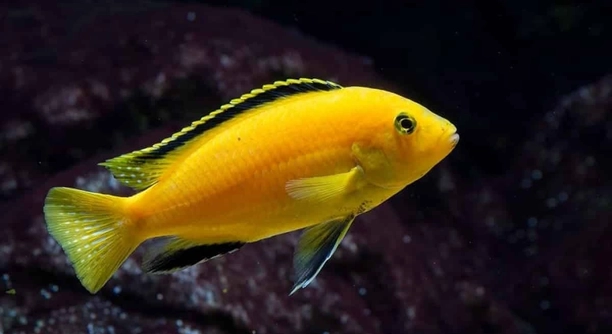
Cichlids are known for their striking colors and complex behaviors in aquariums. Observing them closely reveals subtle ways they interact with each other, shaping social hierarchies and teaching younger or less experienced fish how to behave.
Cichlids employ a range of micro-aggressions, such as nudging, chasing, fin displays, and territorial posturing, to influence and train others. These behaviors serve as subtle social cues that communicate dominance, enforce boundaries, and promote proper social integration within their group.
Understanding these interactions can improve your aquarium management and help maintain harmony among your fish. Recognizing these small behaviors reveals much about their social intelligence and communication.
Nudging and Pushing
Cichlids often use gentle nudges or pushes to assert dominance or guide other fish in the tank. This behavior may seem minor, but it carries clear social signals. Younger or less confident fish learn quickly which areas are safe to explore and which spaces are claimed by more dominant individuals. Nudging can also serve as a warning, signaling that a boundary is being approached. Over time, fish in the tank adjust their movements to avoid conflicts, showing how small, consistent behaviors can shape social order. Observing this closely can reveal which fish are establishing control and which are learning to navigate the hierarchy. Even minor pushes convey a lot about confidence levels, territorial claims, and interaction styles, providing insight into each fish’s personality. Understanding these interactions helps maintain a peaceful tank and prevents unnecessary stress among the fish, promoting healthier and more balanced behaviors.
Nudging is subtle but effective in teaching others boundaries and tank etiquette.
Fish adapt quickly to repeated nudges, learning safe zones and acceptable behavior from these small interactions.
Chasing and Cornering
Chasing is a more obvious micro-aggression cichlids use to assert control over space or resources. Fish that are chased often retreat or hide, learning which areas to avoid and how to respond appropriately. Repeated chasing reinforces the dominant fish’s position and encourages subordinate fish to respect boundaries.
Chasing establishes hierarchy and teaches younger fish spatial awareness in the tank.
Repeated chasing may seem aggressive, but it functions as a teaching tool. Dominant cichlids use this tactic to communicate their presence and enforce social order. Subordinate fish gradually recognize patterns, adjusting their swimming paths and feeding habits to reduce confrontations. Cornering often accompanies chasing, restricting movement and creating clear cues about dominance. These behaviors help maintain balance, ensuring that stronger or more confident fish can secure territory while others learn appropriate responses. Observing these interactions provides insight into tank dynamics and social learning. Consistency in these behaviors is key for the group’s stability, allowing cichlids to coexist peacefully while reinforcing their roles within the hierarchy. Properly managing tank size and hiding spots can reduce stress and support natural social interactions.
Fin Flaring
Fin flaring is a common way cichlids display dominance without physical contact. They spread their fins wide, making themselves look larger and more intimidating. This gesture signals authority and helps prevent unnecessary fights while instructing others to respect their space.
Fin flaring communicates social rank clearly and efficiently. Fish observing this behavior quickly recognize the dominant individual. Subordinate fish learn to avoid confrontation, adjusting their swimming patterns and interactions. This visual cue reduces aggression by offering a warning before physical engagement occurs. Over time, it shapes how fish coexist in shared spaces, maintaining order and minimizing stress.
Repeated flaring reinforces dominance and teaches younger fish about acceptable behavior. It serves as both a deterrent and a guide, allowing cichlids to navigate social hierarchies safely. Observing this behavior highlights the subtle, yet powerful ways fish communicate and manage territory.
Splashing and Water Disturbance
Cichlids sometimes splash or create water currents to unsettle others or assert control. This behavior disrupts movement and forces fish to react quickly, teaching them spatial awareness and caution.
Splashing can be targeted or incidental, but both forms serve as social lessons. When dominant fish disturb the water near a subordinate, it encourages vigilance and strategic movement. Younger fish learn to anticipate such disruptions, avoiding vulnerable positions and reducing risk of aggression. The tactic reinforces boundaries and communicates control without direct confrontation, shaping daily interactions and group dynamics.
Water disturbance also helps subordinate fish recognize safe zones and high-risk areas. Over time, repeated experiences teach them when to approach food, mates, or territory. This subtle form of training ensures everyone adapts to the hierarchy efficiently. Managing tank environment, like adding hiding spaces, can help balance these interactions and minimize stress while allowing natural behavior to continue.
Staring and Blocking
Cichlids often stare at other fish to assert dominance or assess reactions. This behavior communicates authority without physical aggression and encourages subordinate fish to adjust their movements or stay cautious around the dominant individual.
Blocking involves positioning themselves between others and food, territory, or hiding spots. This teaches fish to respect boundaries and reinforces the dominant fish’s role in the tank hierarchy.
Mouth Opening and Threat Displays
Mouth opening is used to intimidate others and establish dominance. By gaping their mouths wide, cichlids signal readiness to defend territory or compete for resources. Subordinate fish recognize this display and retreat, learning to respect space and hierarchy. This behavior reduces physical conflicts while reinforcing social order. It is a clear, visual signal that communicates authority, making interactions predictable and structured. Observing these displays reveals how cichlids teach one another proper behavior without direct confrontation. Over time, repeated mouth opening shapes daily interactions, feeding patterns, and positioning within the tank, helping maintain balance among all fish.
Tail Slapping
Tail slapping is a quick, sharp movement used to warn others or establish control. This action communicates dominance and reinforces boundaries in a subtle yet effective way.
How do I know if my cichlids are using micro-aggressions?
Micro-aggressions in cichlids can be subtle, but there are consistent signs. Watch for behaviors like nudging, chasing, fin flaring, or tail slapping. Staring, blocking, and mouth opening are also common. Observing patterns over time helps identify which fish are asserting dominance and which are responding to social cues. Even small disturbances in water or splashes may indicate training behavior. Keeping notes on interactions can make these patterns clearer. Recognizing micro-aggressions allows you to understand the tank hierarchy and prevent unnecessary stress.
Are these behaviors harmful to other fish?
Most micro-aggressions are natural and not inherently harmful. They serve as communication tools, helping fish establish boundaries and learn proper behavior. However, excessive chasing, repeated cornering, or constant tail slapping can stress subordinate fish. Stress may lead to reduced appetite, hiding, or illness. Providing hiding spaces and sufficient tank size can help mitigate stress. By observing interactions and adjusting the environment, you can ensure these behaviors remain part of normal social training rather than becoming harmful.
Do micro-aggressions only happen among certain cichlid species?
Micro-aggressions are common across many cichlid species. Aggressive or territorial species like African cichlids and mbuna are especially active in displaying dominance. Even less aggressive species may use subtle nudges or fin flares. Social dynamics vary depending on species temperament, size, and tank composition. Understanding the natural behaviors of each species helps anticipate interactions. Providing appropriate space and visual barriers can reduce conflict and allow fish to practice these behaviors without undue stress. Micro-aggressions are part of how cichlids naturally communicate and train others.
Can tank size influence micro-aggressions?
Yes, tank size directly affects these behaviors. Smaller tanks often lead to more frequent chasing, blocking, and tail slapping because fish have limited space to avoid each other. Larger tanks allow fish to establish territories and reduce constant confrontations. Adding hiding spots, plants, or rocks can create natural boundaries, giving subordinate fish safe areas and reducing tension. A properly sized tank ensures that micro-aggressions function as social teaching tools rather than persistent sources of stress.
How can I reduce stress from micro-aggressions?
Stress can be reduced by providing adequate space, visual barriers, and hiding spots. Observing tank hierarchy and separating overly aggressive individuals if necessary helps maintain balance. Feeding in multiple areas reduces competition, preventing fights over food. Regular monitoring allows you to adjust the environment before stress becomes harmful. Understanding that most micro-aggressions are part of social learning helps you manage them effectively, keeping your fish healthy and interactions natural.
Are micro-aggressions necessary for cichlids?
Yes, they are important for social development. Subordinate fish learn boundaries, feeding order, and safe territories through these behaviors. Dominant fish reinforce their position, which helps maintain structure in the tank. Without these cues, fish may be confused, leading to disorganized interactions or unexpected aggression. Micro-aggressions ensure social stability and are essential for proper behavioral development in cichlid groups.
Should I intervene when micro-aggressions occur?
Intervention is only needed when interactions become harmful. Mild nudging, flaring, or chasing is normal. Intervene if fish show signs of extreme stress, injury, or persistent harassment. Adjusting tank layout, adding hiding spaces, or temporarily separating aggressive individuals can help. Observing before acting ensures interventions support natural social learning rather than disrupting it.
Do juvenile cichlids experience micro-aggressions differently?
Juvenile cichlids are often targets of more dominant fish. They learn boundaries, feeding order, and social roles through these interactions. Micro-aggressions teach them to navigate hierarchy safely. Younger fish are more likely to retreat or hide, and their response to these behaviors is a crucial part of their development. Providing extra cover and shallow areas can help juveniles adapt without excessive stress.
Can micro-aggressions affect breeding behavior?
Yes, social hierarchy impacts breeding. Dominant pairs may control prime nesting sites, while subordinate fish adjust their behavior to avoid conflict. Understanding these dynamics helps ensure successful breeding. Proper tank management, including territory allocation and hiding areas, supports healthy social structure, allowing fish to display natural reproductive behavior without unnecessary stress.
How do I observe micro-aggressions without disturbing the tank?
Observation should be calm and consistent. Watch from a distance or outside the tank to avoid influencing behavior. Take notes on recurring patterns, aggressive individuals, and subordinate responses. Recording behavior at different times of the day provides a complete view. Avoid rapid movements or tapping, as this can cause artificial stress and distort natural interactions. Regular, unobtrusive observation helps you understand and manage micro-aggressions effectively.
What environmental factors influence micro-aggressions?
Factors like tank size, hiding spots, water quality, and population density all influence these behaviors. Overcrowding increases conflicts, while clean, well-decorated tanks reduce tension. Lighting, substrate, and water flow also affect comfort and behavior. Adjusting the environment allows natural micro-aggressions to remain part of healthy social learning rather than creating chronic stress, keeping the group balanced and cohesive.
Cichlids are fascinating fish, not only because of their colors and patterns but also because of their complex social behaviors. Observing their daily interactions reveals a lot about how they communicate, establish dominance, and train each other through subtle actions. Micro-aggressions like nudging, chasing, fin flaring, and tail slapping might seem harsh at first glance, but they are part of a natural system that helps maintain order in the tank. Each fish learns its place over time, and dominant fish use these behaviors to teach boundaries and social rules without resorting to constant fighting. Understanding these interactions can make managing a cichlid tank easier and more enjoyable, allowing each fish to thrive in a structured environment that mimics their natural social dynamics.
Recognizing and interpreting these behaviors is key to providing a balanced and healthy habitat. Subtle actions like staring, blocking, and mouth opening communicate social hierarchy without physical harm, while activities like splashing or creating water disturbances teach younger or less confident fish how to navigate space and avoid conflict. While some micro-aggressions can appear aggressive, they often serve as lessons rather than true attacks. By observing these patterns, fishkeepers can learn when interventions are necessary and when the behaviors are simply part of normal social learning. Providing proper tank size, adequate hiding spots, and multiple feeding areas reduces stress and ensures that these behaviors remain constructive. Over time, fish become more confident and socially aware, which contributes to overall tank harmony and reduces unexpected aggression.
Maintaining a cichlid tank requires attention to both behavior and environment. Social structure is reinforced through repeated micro-aggressions, helping fish understand hierarchy, territory, and proper interaction. Adjusting the tank layout to include rocks, plants, or other barriers can help subordinate fish find safe spaces and reduce tension among the group. Understanding the purpose of these behaviors allows fishkeepers to support natural interactions while preventing stress or injury. Observing and appreciating the subtleties of cichlid communication provides insight into their intelligence and adaptability. With proper management, micro-aggressions become a helpful tool for teaching and maintaining order, allowing fish to coexist peacefully, grow, and display their full range of natural behaviors.

Hello,
If you enjoy the content that we create, please consider saying a "Thank You!" by leaving a tip.
Every little bit helps us continue crafting quality advice that supports the health, happiness, and well-being of pets around the world, for pets of all shapes, sizes, and species.
We really appreciate the kindness and support that you show us!