
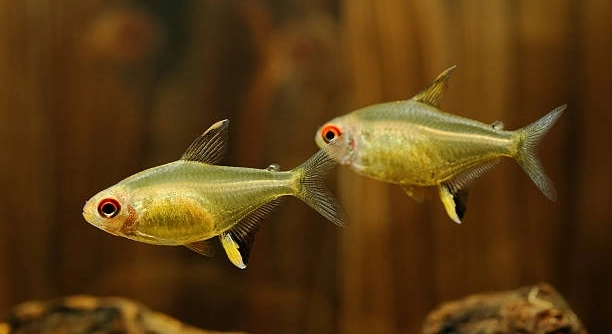
Are your lemon tetras swimming quietly in the tank but refusing to interact with one another? Many fish owners notice that these small, vibrant creatures sometimes avoid socializing, creating an unusual and concerning dynamic in their aquarium.
Lemon tetras may ignore each other due to stress, inadequate group size, or unsuitable tank conditions. Ensuring proper water parameters, providing hiding spaces, and maintaining a group of at least six individuals can promote natural schooling and interaction.
Understanding these simple adjustments can help your lemon tetras feel more comfortable and social. Observing subtle changes in their behavior will guide you toward effective solutions.
Common Reasons Lemon Tetras Ignore Each Other
Lemon tetras may ignore one another for several reasons, most of which relate to their environment or social structure. Stress from sudden changes in water temperature or poor water quality can make them retreat and avoid interaction. Insufficient hiding spaces or overly bright lighting may also cause discomfort, prompting them to scatter instead of swimming together. Social dynamics play a role as well. Lemon tetras are schooling fish, and small groups may result in hesitation or avoidance behavior. A group of fewer than six can make the fish feel insecure, reducing natural interaction. Additionally, aggression from a dominant fish can create tension, causing others to hide or ignore each other. Observing the tank closely allows you to identify environmental or social triggers. By understanding these factors, adjustments can be made to encourage a calm, cohesive group, ensuring that all fish feel secure and active within the aquarium.
Providing a proper-sized group and stable tank conditions usually restores normal social behavior in lemon tetras.
When addressing this behavior, it is important to evaluate both water quality and group size carefully. Minor adjustments like adding plants, rearranging decor, or increasing the school size can significantly improve interactions and reduce stress.
How to Encourage Interaction
Ensuring stable water parameters is crucial for healthy, social lemon tetras. Temperature, pH, and cleanliness all influence comfort and willingness to swim together. Stress-free environments allow fish to explore and bond naturally.
Beyond water quality, arranging the tank to offer hiding spots, open swimming areas, and gentle lighting helps tetras feel secure. Providing at least six individuals allows natural schooling behavior to emerge, reducing isolation or avoidance. Feeding routines also matter; scattered feeding can stimulate movement and engagement among the fish. Observing their behavior over time can reveal which adjustments have the greatest effect. Additionally, minimizing sudden noises, rapid movements, or excessive tank rearrangements maintains stability and reduces tension. By combining proper environmental care with attention to social needs, lemon tetras are more likely to interact positively, display natural schooling patterns, and exhibit the lively, coordinated behavior that makes them enjoyable to observe. Consistent observation and small, incremental improvements are key to maintaining a healthy, harmonious aquarium.
Adjusting Tank Environment
Proper tank setup directly affects lemon tetras’ willingness to interact. Providing plants, hiding spots, and open swimming areas creates a comfortable space for schooling behavior. Avoid overcrowding or placing decorations that block movement, as fish may become stressed and isolate themselves.
Lighting, water flow, and tank layout all influence fish behavior. Strong currents or overly bright lights can make tetras retreat, while gentle water movement and diffused lighting encourage swimming together. Regular maintenance, such as partial water changes and checking for ammonia or nitrite spikes, keeps the environment healthy. Rearranging decor occasionally can stimulate curiosity, but sudden changes may increase stress. Monitoring temperature and pH stability ensures comfort and reduces avoidance behaviors. Small, consistent adjustments help maintain a calm, social aquarium where lemon tetras feel secure.
Feeding practices also impact interaction. Scattering food throughout the tank encourages movement and mingling, while placing it in one spot can cause competition. Balanced nutrition strengthens fish health, boosting energy and sociability. Observing patterns during feeding times can indicate comfort levels and reveal which areas of the tank are preferred for interaction.
Introducing New Tetras
Adding new fish can improve social dynamics if done carefully. Quarantining newcomers for at least two weeks prevents disease and allows safe observation.
Introduce new tetras slowly, ideally with a divider at first. This allows the existing group to become accustomed to the newcomers’ presence without triggering stress or aggression. Gradually removing the divider over several days encourages natural interaction while maintaining stability. Choose fish of similar size and temperament to reduce dominance conflicts. Maintaining consistent water conditions during introduction prevents additional stress. Observing behavior closely during this period helps identify any signs of bullying or hiding. Properly timed introductions can strengthen schooling behavior, making the group more cohesive and lively. Consistency in monitoring and minor environmental adjustments supports long-term social balance.
Monitoring Behavior Patterns
Observing your lemon tetras daily helps identify reasons for ignoring each other. Note which fish are hiding, avoiding, or showing aggression, and track changes after adjustments to tank conditions or group size.
Behavior patterns often indicate stress or discomfort. Fish that consistently avoid the group may need extra hiding spots or a calmer environment. Changes in lighting, water flow, or temperature can also affect interactions. Tracking these details over time helps determine which factors influence social behavior and guides adjustments to improve cohesion among tetras.
Feeding Strategies to Encourage Interaction
Scattering food throughout the tank promotes movement and mingling. Feeding at consistent times helps establish routine and reduces stress among lemon tetras.
Providing small portions multiple times a day allows all fish to access food without competition. Mixing floating and sinking foods encourages natural foraging behavior and stimulates activity. Observing feeding behavior helps identify shy or isolated individuals, allowing adjustments to promote interaction and balance. Proper nutrition also supports overall health, increasing energy and social activity, which naturally strengthens schooling behavior and reduces avoidance.
Avoiding Overcrowding
Keeping too many tetras in a small tank increases stress and reduces interaction. Space should allow free swimming and hiding areas.
FAQ
Why are my lemon tetras ignoring each other?
Lemon tetras may ignore each other due to stress, inadequate group size, or environmental issues. Poor water quality, sudden temperature changes, or lack of hiding spots can make fish retreat. Small groups of fewer than six may feel insecure, reducing natural schooling behavior. Observing their tank carefully can reveal patterns and triggers. Adjusting group size, improving water quality, and adding plants or decor often encourages interaction and normal social behavior.
How many lemon tetras should I keep together?
A minimum of six lemon tetras is recommended to maintain natural schooling behavior. Smaller groups can cause hesitation, isolation, or avoidance. Larger groups improve social dynamics but require a tank size that supports swimming space and reduces competition. Ensuring enough space and hiding spots is crucial to prevent stress and allow healthy interaction.
What water conditions are best for lemon tetras?
Lemon tetras thrive in stable water with a temperature range of 72–78°F and a pH of 6.5–7.5. Low ammonia, nitrite, and nitrate levels are essential. Regular partial water changes and consistent monitoring help maintain comfort and reduce stress. Soft to moderately hard water is ideal for their overall health and encourages schooling behavior.
How can I encourage my lemon tetras to interact?
Providing at least six individuals, scattered food, and a balanced diet encourages natural movement and social interaction. Tank decorations that create open swimming space and hiding spots make fish feel secure. Stable lighting, gentle water flow, and minimal sudden disturbances also support normal behavior. Observing fish daily helps identify what changes improve interaction.
Should I rearrange my tank decorations to help my tetras interact?
Minor rearrangements can stimulate curiosity and movement, but sudden or frequent changes may increase stress. Add plants, hiding spots, and open areas gradually. This approach allows fish to explore safely and interact more naturally. Ensuring enough space for swimming and maintaining stable water parameters is essential when adjusting the tank layout.
What do I do if one fish is always hiding?
A single hiding fish may be stressed or unwell. Check water conditions and ensure the tank has adequate hiding spaces. Observe feeding behavior and social interactions to see if the fish is being bullied or excluded. Adjusting group dynamics, adding more hiding spots, or isolating the fish temporarily may help restore comfort and social participation.
Can feeding practices affect schooling behavior?
Yes, feeding plays a significant role. Scattering food encourages movement and interaction. Small, frequent meals reduce competition and allow shy fish to participate. Offering floating and sinking foods stimulates natural foraging behavior, increasing activity and promoting a cohesive group. Observing feeding sessions can help identify shy or stressed individuals.
How long does it take for lemon tetras to start interacting after changes?
Behavior changes may take several days to weeks. Consistency in water parameters, group size, and tank layout is crucial. Small, gradual adjustments are better than sudden changes. Monitoring daily allows you to see improvements or new issues. Over time, fish should show natural schooling, reduced hiding, and more social behavior.
Are lemon tetras aggressive if they ignore each other?
Ignoring each other does not always indicate aggression. However, a dominant fish may intimidate others, causing avoidance. Observing behavior closely is important. If aggression is present, separating the dominant individual temporarily or adjusting the group size can restore balance and promote peaceful interaction.
Do tank size and space matter for interaction?
Absolutely. Lemon tetras need enough space to swim and maintain social structures. Crowded tanks increase stress and reduce interaction. Open swimming areas, along with plants and decor for security, support healthy schooling behavior. Ensuring adequate tank volume is essential for both physical activity and natural social patterns.
Can lemon tetras ever become fully isolated?
Yes, stress, illness, or bullying can lead to prolonged isolation. Monitoring water quality, tank layout, and social dynamics is key. Addressing these factors early prevents long-term social problems and supports overall health. Adjustments like adding hiding spots, increasing group size, or reducing aggression help reintegrate isolated fish.
How often should I check water parameters?
Weekly checks for pH, temperature, ammonia, nitrite, and nitrate are recommended. Regular monitoring ensures a stable environment and reduces stress, which encourages social behavior. Minor fluctuations can be corrected promptly, preventing avoidance or hiding. Consistent care maintains a healthy, interactive group of lemon tetras.
Is it normal for lemon tetras to ignore each other sometimes?
Yes, occasional periods of minimal interaction are normal, especially during feeding or rest. Prolonged avoidance usually signals environmental, social, or health issues. Tracking patterns and adjusting tank conditions can help maintain regular schooling and reduce stress. Minor fluctuations are natural, but consistent observation ensures overall well-being.
How can I tell if changes are working?
Look for increased movement, reduced hiding, and coordinated swimming. Fish should explore open areas, respond to food, and interact more with the group. Behavioral improvements indicate comfort and stability in the tank. Consistent observation over days or weeks confirms which adjustments are most effective for promoting social interaction.
Can tank mates affect lemon tetra behavior?
Yes, aggressive or overly active tank mates can stress lemon tetras, causing avoidance. Compatible species with similar temperament and size reduce stress. Ensuring proper space and hiding areas for all inhabitants supports positive interactions and maintains healthy schooling behavior among lemon tetras.
Lemon tetras are small, vibrant fish that can bring life and color to a home aquarium. Their natural behavior is to swim in schools, which helps them feel secure and display their social instincts. When they begin ignoring each other, it can be worrying for any fish owner. Often, this behavior is a response to stress, environmental conditions, or the size of the group. Small changes in water quality, temperature, or tank layout can significantly affect how these fish interact. By paying attention to their environment and observing their behavior closely, it is possible to identify what might be causing avoidance and take steps to correct it. Lemon tetras thrive in stable conditions, and even minor adjustments can make a noticeable difference in their activity and social behavior.
Providing a suitable group size is one of the simplest ways to encourage interaction. Lemon tetras are schooling fish, and having fewer than six individuals can make them feel insecure, causing them to isolate or avoid one another. A properly sized group allows them to swim together naturally and form bonds within the school. Along with group size, the arrangement of the tank itself plays a critical role. Open spaces for swimming, hiding spots among plants or decorations, and gentle lighting create a comfortable environment. Scattered feeding routines and small, frequent meals can also stimulate movement and interaction among the fish. When all these elements come together, lemon tetras are more likely to engage in normal social behavior, explore their environment confidently, and maintain their health.
Consistency and patience are key to resolving avoidance behavior. Changes should be made gradually, whether it is adding new tank mates, rearranging decorations, or adjusting water parameters. Sudden or extreme alterations can increase stress and further reduce interaction. Daily observation of fish behavior allows owners to see how adjustments are affecting the group and identify any remaining issues. Over time, with stable conditions, sufficient group size, and proper care, lemon tetras typically regain their natural schooling behavior. Ensuring their environment meets both social and physical needs not only improves interaction but also supports their overall well-being. By carefully monitoring their tank, providing a balanced routine, and maintaining consistent conditions, lemon tetras can thrive, creating a lively and harmonious aquarium.

Hello,
If you enjoy the content that we create, please consider saying a "Thank You!" by leaving a tip.
Every little bit helps us continue crafting quality advice that supports the health, happiness, and well-being of pets around the world, for pets of all shapes, sizes, and species.
We really appreciate the kindness and support that you show us!