
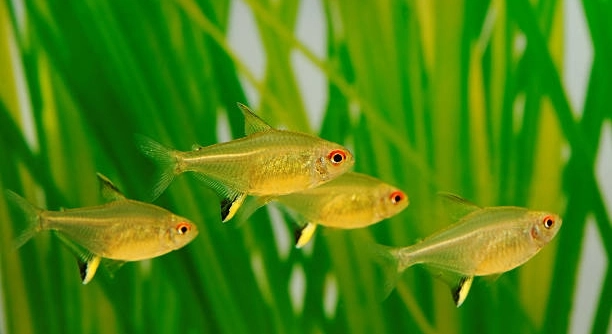
Lemon tetras are small, lively fish that bring bright color to any aquarium. Watching them swim gracefully can be relaxing, and caring for them properly ensures they remain healthy and active in their environment.
Lemon tetras should be fed small amounts two to three times daily. Overfeeding can lead to water quality issues and health problems, so it is important to provide a balanced diet in controlled portions.
Knowing the right feeding schedule will help your fish thrive and maintain a vibrant, healthy appearance in your tank.
Understanding Lemon Tetra Diets
Lemon tetras are small fish with simple dietary needs, but feeding them properly requires attention. They thrive on a varied diet including high-quality flake food, micro-pellets, and occasional live or frozen foods such as brine shrimp or daphnia. Fresh vegetables like blanched spinach can also supplement their nutrition. Overfeeding can lead to obesity and poor water quality, which stresses the fish and increases the risk of disease. Observing their behavior during feeding helps determine if they are eating enough or if adjustments are needed. Portion control is key; it is better to feed smaller amounts multiple times a day rather than one large meal. Ensuring a balanced diet will keep their coloration vibrant and help them maintain energy for swimming and social interaction. Lemon tetras often feed in the middle and upper areas of the tank, so placing food in accessible spots encourages natural feeding patterns.
Small, frequent meals are best for maintaining healthy fish and clear aquarium water.
Feeding at regular intervals also reduces stress. Fish are creatures of habit, and keeping a consistent schedule helps them feel secure. Skipping meals occasionally is less harmful than overfeeding. Observing how quickly they consume food allows you to adjust portions. Over time, you will notice their behavior and preferences, making it easier to provide exactly what they need. Live foods should be given sparingly, as they are richer and can upset water balance if overused. Frozen foods are convenient and nutritious, and flakes or micro-pellets form the base of their diet. Water quality is closely linked to feeding habits, so keeping uneaten food to a minimum is essential. Feeding at consistent times and amounts creates a stable environment for the tetras, helping them thrive. Lemon tetras also enjoy some variation, which keeps them interested in eating and prevents boredom. With proper care and attention, your tetras will remain lively and healthy, showing off their bright lemon-yellow color.
Portion Sizes and Feeding Frequency
Feeding lemon tetras too much can harm the tank environment. Small portions reduce waste and maintain cleaner water.
Overfeeding is a common problem. Many people assume small fish need constant feeding, but their digestive systems are limited. Giving them the right amount prevents leftover food from decaying and affecting water quality. Observing the fish during feeding shows if all food is consumed within a few minutes. Adjust portions according to their appetite, age, and activity level. Younger fish may require slightly more frequent feedings, while adults do well with two to three small meals. Regular monitoring of water parameters is also important, as leftover food can raise ammonia and nitrite levels. A proper schedule ensures that all fish get adequate nutrition without overcrowding the tank with excess food. Rotating food types, such as flakes, micro-pellets, and occasional live or frozen options, supports overall health. A balanced feeding routine will encourage active swimming, proper growth, and long-term well-being, making your aquarium a stable and vibrant environment for all its inhabitants.
Signs of Overfeeding
Uneaten food, cloudy water, and lethargic fish are clear indicators that lemon tetras are being overfed. Overfeeding can harm water quality and fish health, so it’s important to monitor both feeding habits and tank conditions closely to prevent these issues.
Consistently giving more food than your tetras can eat leads to leftover particles sinking to the bottom, decomposing, and increasing ammonia levels. This affects water clarity and stresses the fish, making them more vulnerable to disease. Overfed fish may also develop bloating or swim awkwardly, signaling digestive problems. Adjusting portion sizes and feeding frequency can resolve these problems and promote healthier behavior.
Observing your fish daily helps prevent overfeeding. When food disappears within a few minutes, the portions are correct. Rotating food types and occasionally skipping a feeding day can help regulate appetite. Monitoring water parameters like ammonia and nitrite is essential, as overfeeding often coincides with rising toxins. Maintaining a clean environment and consistent feeding routine ensures that lemon tetras remain active, healthy, and display their natural bright coloration. Awareness and simple adjustments make a noticeable difference.
Best Feeding Practices
Feed your lemon tetras in small, controlled amounts two to three times daily to maintain health and water quality. Avoid leaving excess food in the tank.
Providing meals in measured portions prevents waste and keeps the tank clean. Small, frequent feedings mimic natural conditions and reduce stress. Using a variety of high-quality flakes, micro-pellets, and occasional live or frozen foods ensures balanced nutrition. Blanched vegetables like spinach can supplement their diet and support overall vitality. Adjust portions according to their activity and appetite, observing how quickly the food is eaten. Proper feeding also prevents aggressive behavior that can arise when food is scarce.
Regular monitoring and adjustment of feeding practices are essential. Over time, you will notice patterns in appetite and behavior, making it easier to provide the right amount consistently. Keeping uneaten food to a minimum protects water quality and prevents ammonia spikes. Rotating food types maintains interest and ensures nutritional balance. Following these practices helps lemon tetras grow, swim actively, and maintain vibrant coloration. Consistency, observation, and moderation create a stable environment, supporting both the fish’s health and the tank’s ecosystem.
Feeding Adult Lemon Tetras
Adult lemon tetras require smaller, more controlled portions than juveniles. Overfeeding adults can quickly lead to water quality issues and health problems, so it’s important to observe how much they actually consume at each meal.
Feeding adults two to three times daily is sufficient. Small amounts ensure proper digestion and prevent leftover food from decaying in the tank, keeping the environment stable and healthy.
Feeding Juvenile Lemon Tetras
Juvenile lemon tetras are growing rapidly and need slightly more frequent feedings. They can eat small amounts three to four times per day, ensuring they receive enough nutrients to support healthy growth and strong immune systems.
Using Live and Frozen Foods
Live and frozen foods are excellent for supplementing a lemon tetra’s diet. Brine shrimp, daphnia, and bloodworms provide extra protein and encourage natural hunting behaviors, contributing to overall health and vitality.
Monitoring Fish Health
Regular observation of behavior, appetite, and appearance helps detect feeding or health issues early. Healthy tetras swim actively, eat promptly, and display vibrant colors.
FAQ
How often should I feed my lemon tetras?
Lemon tetras should be fed two to three times a day in small portions. Adults need less food per feeding than juveniles. Frequent, small meals prevent leftover food from decaying and help maintain stable water quality, which keeps the fish healthy.
What types of food are best for lemon tetras?
A varied diet is essential. High-quality flake food and micro-pellets form the base of their diet. Supplementing with live or frozen foods like brine shrimp, daphnia, and bloodworms provides extra protein. Occasionally offering blanched vegetables, such as spinach, adds fiber and supports overall vitality.
Can lemon tetras be overfed?
Yes, overfeeding is a common issue. Uneaten food decomposes, increasing ammonia and nitrite levels in the tank. Overfed fish may develop bloating, swim awkwardly, or appear lethargic. Observing how quickly food disappears helps adjust portions. Feeding small amounts multiple times a day reduces risk.
How do I know if my lemon tetras are getting enough food?
If your fish consume all food within a few minutes and remain active, they are eating the right amount. Appetite and behavior are good indicators. Juveniles will eat more frequently than adults, so adjust portion sizes based on age and activity.
Should I use live food every day?
Live food should not be given daily. While nutritious, it is richer and can upset water balance if overused. Frozen foods are easier to control and safe for daily feeding. Using live or frozen options a few times a week provides variety without compromising water quality.
How much should juvenile lemon tetras eat?
Juveniles need slightly more frequent feedings than adults, usually three to four small meals per day. This ensures proper growth, strong immune systems, and active swimming. Portion control remains important to prevent leftover food from contaminating the tank.
Can lemon tetras eat vegetables?
Yes, blanched vegetables like spinach or zucchini can be offered occasionally. Vegetables provide fiber and nutrients that flakes and pellets may lack. Chop them finely or blanch them to make them easier for small tetras to consume. Offer sparingly to avoid water quality issues.
What is the best way to prevent water problems related to feeding?
Feed small, controlled portions and remove any uneaten food promptly. Consistent feeding schedules reduce stress and maintain water quality. Regular monitoring of ammonia, nitrite, and nitrate levels helps catch potential problems before they affect your fish.
Do lemon tetras eat at specific spots in the tank?
Lemon tetras typically feed in the middle and upper areas of the tank. Placing food near these zones encourages natural feeding patterns and ensures all fish can access their meals without overcrowding or competition.
Can feeding habits affect fish coloration?
Yes, diet influences the brightness of lemon tetras’ yellow coloring. A balanced diet with protein from live or frozen foods, supplemented with high-quality flakes and vegetables, helps maintain vibrant coloration and overall health.
Is skipping a feeding day harmful?
Occasionally skipping a meal is generally safe, especially for adults. Their digestive systems can handle it better than overfeeding. Skipping a day can even prevent overeating and improve water quality, as long as skipped meals remain occasional rather than routine.
How do I adjust feeding amounts as my tetras grow?
Monitor appetite and consumption closely. Juveniles need more frequent feedings, while adults thrive on smaller amounts. Adjust portions according to tank size, number of fish, and how quickly food is eaten. Maintaining consistent observation ensures proper growth and avoids overfeeding.
Are there signs of nutritional deficiencies in lemon tetras?
Pale coloration, reduced activity, or poor growth can indicate nutritional deficiencies. A varied diet with flakes, pellets, live or frozen foods, and occasional vegetables prevents imbalances. Monitoring behavior and appearance allows for early intervention.
What role does feeding schedule play in fish behavior?
Consistent feeding schedules reduce stress and promote natural routines. Lemon tetras are creatures of habit, and predictability helps them feel secure. Irregular feeding can lead to aggression, decreased appetite, or increased hiding, especially in smaller or more timid fish.
How do I safely introduce new foods?
Introduce new foods gradually, mixing small amounts with regular meals. Observe fish reactions over a few days. Sudden changes can cause rejection or digestive issues, so patience is key. Gradual introduction also helps maintain water quality while diversifying their diet.
Can lemon tetras eat at night?
Feeding at night is not recommended. These fish are most active during daylight, so feeding should coincide with their natural activity periods. Night feedings may go uneaten and decompose, affecting water quality. Stick to morning and afternoon feedings for optimal health.
How do I balance flake food and live or frozen options?
Flakes and micro-pellets should form the daily diet, while live or frozen foods supplement protein needs two to three times a week. This balance ensures nutrition without overloading the tank with excess nutrients or causing water problems.
What should I do if fish refuse food?
Refusal to eat may indicate stress, illness, or water quality problems. Check tank parameters, observe behavior, and ensure food is appropriate for size. Offering varied options or slightly smaller portions often encourages feeding. Persistent refusal may require closer attention to health and environment.
Are feeding trays or tools necessary?
Feeding tools are optional but can help control portions and prevent food from scattering. Small tongs, spoons, or feeding rings make it easier to deliver food precisely and reduce waste, keeping the tank cleaner and the tetras healthier.
How long does it take for food to be consumed?
Food should be eaten within two to three minutes. If leftovers remain after this period, portions are likely too large. Adjusting amounts accordingly helps maintain water quality and prevents overfeeding issues.
Can lemon tetras eat together with other fish species?
Yes, lemon tetras can share a tank with peaceful species that occupy different areas. Feeding should be monitored to ensure all fish receive adequate portions and no one species dominates the food supply, preventing stress or malnutrition.
What are common mistakes in feeding lemon tetras?
Overfeeding, inconsistent schedules, feeding inappropriate foods, or ignoring leftover food are the most frequent mistakes. Each can harm water quality, fish health, or coloration. Observing behavior, measuring portions, and providing a balanced diet prevents these problems and promotes a thriving aquarium.
How does water temperature affect feeding?
Temperature impacts metabolism. Colder water slows digestion, so fish eat less. Warmer water increases activity and appetite. Adjust portion sizes and feeding frequency based on the tank’s temperature to avoid overfeeding or underfeeding.
Are there seasonal changes in feeding habits?
Fish may eat less in cooler months when activity slows. During warmer periods, metabolism increases, and they may require slightly more food. Observing appetite and behavior allows adjustments while keeping water quality and nutrition balanced.
Can I feed my tetras while away for a few days?
Automatic feeders can be used for short absences. Portion settings should match regular feedings, and any uneaten food should be monitored upon return. Avoid overloading the feeder, as decomposing food can quickly harm water quality.
How do I ensure all fish get food in a community tank?
Distribute food in multiple areas, particularly near the middle and upper tank regions where lemon tetras feed. Observe that smaller or timid fish have access. Adjust portions to prevent dominant fish from consuming most of the food.
Is feeding more often better for growth?
More frequent feeding is only beneficial for juveniles. Adults thrive on two to three small meals daily. Overfeeding adults increases waste, harms water quality, and can negatively affect health and coloration, making moderation key.
How do I clean the tank after feeding?
Remove uneaten food after two to three minutes. Use a siphon or net to collect debris from the substrate. Regular water changes and monitoring ammonia, nitrite, and nitrate levels maintain a healthy environment, reducing stress and disease risk for lemon tetras.
What is the impact of overfeeding on breeding?
Excess food can pollute water and stress fish, reducing breeding success. Proper feeding supports healthy adults, increasing chances of successful spawning. Balanced nutrition and controlled portions are essential for reproductive health.
How do I track feeding habits effectively?
Keeping a log of feeding times, amounts, and fish behavior helps identify patterns, overfeeding, or health issues. Monitoring water parameters alongside feeding habits provides a complete picture of the tank’s health and ensures the tetras thrive.
Can lemon tetras eat commercial freeze-dried foods?
Yes, freeze-dried foods such as bloodworms or brine shrimp can supplement their diet. Soak them briefly to prevent digestive issues. Use sparingly, as flakes and pellets should remain the main diet for balance and water stability.
Do lemon tetras require fasting days?
Occasional fasting can prevent overeating and improve water quality. One day without food per week is safe for adults and can help regulate appetite. Juveniles should not fast frequently, as they need consistent nutrition for growth.
How does tank size influence feeding?
Larger tanks require careful portioning to ensure all fish receive food. Uneaten food can spread more easily and affect water quality. Feeding in multiple locations and observing consumption helps maintain balance in bigger aquariums.
Can feeding schedules affect aggression?
Yes, irregular feeding or insufficient food can lead to competition and aggression. Consistent schedules and properly measured portions reduce stress and maintain peace among tank mates.
Are there signs that indicate too little food?
Slow growth, pale color, and lack of energy indicate insufficient feeding. Juveniles are more affected, as they need frequent meals. Adjust portions and frequency to support healthy development while monitoring water quality.
What is the ideal portion size per feeding?
Feed amounts that can be eaten in two to three minutes. This is usually a pinch of flakes or a small spoon of micro-pellets per tank, depending on the number of fish. Portion control prevents overfeeding and water problems.
How important is variety in the diet?
Variety ensures complete nutrition and prevents boredom. Flakes, pellets, live or frozen foods, and occasional vegetables provide protein, fiber, and vitamins. Rotating foods maintains interest and supports growth, health, and vibrant coloration.
Should food be spread across the tank or dropped in one spot?
Spreading food encourages natural swimming and feeding patterns, ensures all fish get access, and reduces competition. Concentrating food in one spot can lead to overcrowding and uneaten debris, affecting water quality and fish health.
Can feeding routines help reduce stress?
Yes, predictable feeding times create stability. Lemon tetras are sensitive to sudden changes, and consistent routines make them feel secure. This encourages normal behavior, active swimming, and regular eating habits, contributing to overall health.
How do I balance nutrition with water quality concerns?
Provide small, frequent meals, remove uneaten food promptly, and rotate diet types. Monitor water parameters and adjust portions as needed. Balanced feeding supports growth, vitality, and coloration while keeping ammonia and nitrite levels safe for the fish.
Are there special considerations for breeding lemon tetras?
During breeding, increase protein intake slightly with live or frozen foods. Avoid overfeeding, as poor water quality can harm eggs and fry. Consistent schedules, clean water, and a varied diet support reproductive health and successful hatching.
Can lemon tetras eat sinking pellets?
Yes, but they primarily feed in the middle and upper water layers. Sinking pellets can be eaten but may encourage waste accumulation at the bottom if not consumed promptly. Observe feeding behavior to ensure all food is eaten.
How long can lemon tetras go without food?
Adults can go a few days without food, but juveniles require more consistent meals. Extended fasting is not recommended, as it can affect growth, coloration, and immune function. Occasional one-day fasting is safe for adults.
How does tank population affect feeding?
A densely populated tank requires careful monitoring. More fish mean more food and a higher risk of leftovers. Adjust portions to ensure all fish eat adequately without overfeeding, and maintain water quality through cleaning and monitoring.
Are homemade foods safe for lemon tetras?
Some homemade foods, like finely chopped vegetables or prepared protein sources, are safe if clean and free of seasoning. Ensure pieces are small enough for tetras to eat and offer sparingly to avoid water quality issues.
What tools help measure portions accurately?
Small spoons, feeding rings, or tongs are useful for portion control. Measuring helps prevent overfeeding, reduces waste, and maintains cleaner water. Observation remains key to fine-tuning amounts for your specific tank setup.
Does feeding location affect water quality?
Yes, dropping food in one concentrated spot can lead to accumulation and decay. Distributing food evenly across the tank ensures quicker consumption and reduces waste buildup, keeping water cleaner and fish healthier.
Can feeding schedules impact growth rates?
Proper, frequent feedings support healthy growth, especially for juveniles. Overfeeding does not increase growth and can harm water quality. Consistent small meals with a balanced diet optimize development and coloration.
How do I handle picky eaters?
Offer varied food types, including live, frozen, or finely chopped vegetables. Mix small amounts with regular feedings and observe reactions. Gradually introducing new foods encourages acceptance while preventing nutritional gaps.
Is it okay to feed more during active swimming periods?
Yes, increased activity may indicate higher energy needs. Slightly larger portions can be offered, but never so much that leftovers remain. Monitor consumption and water quality to avoid overfeeding.
How long does it take for fish to adjust to a new feeding routine?
Fish generally adapt within a few days to a week. Consistency in timing and portion size helps them anticipate meals, reduces stress, and encourages normal feeding behavior.
Can stress affect appetite?
Yes, stressed fish may eat less or refuse food. Stressors include poor water quality, aggressive tank mates, or sudden changes. Monitoring behavior, water parameters, and tank conditions helps address underlying causes.
Do lemon tetras benefit from supplemental vitamins?
High-quality flake and pellet foods usually provide adequate vitamins. Occasional live or frozen foods add natural nutrients. Supplementation is rarely needed if the diet is balanced and varied.
Can feeding too little harm adult tetras?
Occasional small reductions are generally safe, but consistent underfeeding can cause slow growth, dull coloration, and weakened immunity. Proper portioning ensures health without compromising water quality.
How do I ensure juvenile tetras get enough food in a community tank?
Feed in multiple areas, observe consumption, and adjust portions. Juveniles are less competitive, so distributing food ensures they receive adequate nutrition while adults eat their share.
Are there differences between morning and evening feedings?
Morning feedings align with natural activity levels, while evening meals should be smaller. Avoid feeding at night, as leftover food can decay and harm water quality. Consistency is more important than the specific time.
How can I prevent leftover food from accumulating?
Feed only what fish can eat in two to three minutes, remove uneaten food, and distribute it across the tank. Using small portions and monitoring feeding behavior minimizes waste and maintains water quality.
Do lemon tetras need different foods during breeding season?
Protein-rich live or frozen foods can support reproductive health. Avoid overfeeding, as poor water quality can harm eggs and fry. A balanced diet combined with proper tank maintenance encourages successful breeding.
Can feeding habits affect social behavior?
Yes, irregular feeding or inadequate portions can increase competition and stress. Consistent schedules and proper portions help maintain peaceful interactions and support normal schooling behavior.
Are there any foods lemon tetras should avoid?
Avoid seasoned human foods, large particles, or foods that decay quickly in water. These can cause digestive issues, pollute the tank, and harm the fish. Stick to high-quality flakes, pellets, and safe live or frozen foods.
How important is observation during feeding?
Observation is critical. It helps detect health issues, overfeeding, or aggressive behavior. Watching how quickly food is eaten and how fish respond ensures they receive the right amount and maintain vibrant health.
Can feeding techniques affect long-term health?
Yes, consistent, balanced feeding supports growth, coloration, immune function, and water quality. Overfeeding, underfeeding, or neglecting diet variety can lead to long-term health problems and decreased vitality.
What is the best approach for a new tank setup?
Start with small, frequent feedings and observe consumption. Adjust portions as fish acclimate. Maintaining water quality and monitoring behavior ensures a healthy start for lemon tetras.
How do I integrate new fish into a feeding routine?
Feed in multiple locations and observe new fish closely. Adjust portions to ensure all fish, new and established, receive adequate nutrition. Gradual integration prevents stress and supports healthy growth.
Does tank decoration affect feeding?
Dense plants or ornaments may hide food, causing uneven distribution. Place food where fish can easily access it to reduce waste and maintain water quality. Monitoring ensures all fish eat properly.
Are there seasonal considerations for feeding?
Fish metabolism can slow in cooler temperatures and increase in warmer conditions. Adjust feeding portions and frequency according to activity levels while maintaining water quality to support health year-round.
How do I handle uneaten food in small tanks?
Remove uneaten food promptly to prevent ammonia spikes. Small tanks are more sensitive to overfeeding, so portion control and careful monitoring are essential for water stability and fish health.
Can lemon tetras survive on flake food alone?
Flakes can sustain them, but a varied diet including micro-pellets, live or frozen foods, and occasional vegetables ensures complete nutrition, promotes natural behavior, and maintains vibrant coloration and energy.
How do I know when to adjust feeding amounts?
Monitor appetite, growth, behavior, and water quality. Quick consumption indicates portions are correct, while leftover food or bloated fish signals overfeeding. Adjust gradually and consistently to meet the tank’s needs.
Is feeding more frequent than recommended harmful?
Yes, feeding too often increases waste, stresses the filtration system, and can harm fish health. Stick to two to three small meals daily for adults and three to four for juveniles to maintain balance.
Can feeding routines influence tank stability?
Consistent feeding schedules reduce spikes in waste and maintain water quality. Predictable routines support fish behavior, growth, and coloration, making it easier to monitor health and adjust care as needed.
Do lemon tetras need different foods for different life stages?
Juveniles require more frequent feedings and slightly higher protein for growth. Adults need smaller, balanced meals. Adjust diet composition and portion size according to life stage to support long-term health and vitality.
Are homemade fish foods necessary?
Homemade foods are optional. Commercial flakes, pellets, and occasional live or frozen foods usually provide all necessary nutrients. Homemade options can supplement diet but are not required if proper commercial foods are offered.
What are signs of digestive issues from feeding?
Feeding lemon tetras properly is an essential part of keeping them healthy and vibrant. These small fish have simple needs, but their care requires attention and consistency. Providing a balanced diet of high-quality flakes or micro-pellets forms the foundation of their nutrition, while occasional live or frozen foods add protein and variety. Even small portions matter because overfeeding can quickly cause water quality problems, stressing the fish and affecting their overall health. Observing how quickly they consume food is a simple way to gauge if portions are appropriate, and adjusting amounts based on activity levels or life stage ensures they receive enough nutrition without creating waste in the tank. Juvenile tetras need slightly more frequent feedings to support growth, whereas adults thrive on two to three small meals a day. Offering blanched vegetables occasionally adds fiber and nutrients that complement their regular diet, keeping them active and colorful.
Maintaining a consistent feeding schedule also contributes to a stable and low-stress environment for lemon tetras. These fish are creatures of habit, and knowing when to expect meals helps them feel secure and encourages normal behavior. Irregular feeding can lead to competition for food, increased stress, or refusal to eat, which in turn affects health and water quality. By feeding small amounts at predictable times, you reduce uneaten food, which prevents ammonia and nitrite spikes. This approach supports the tank’s overall balance, making maintenance easier and reducing the risk of common problems. Watching the fish during feeding also provides insight into their health, revealing signs of illness, bloating, or lethargy early on. Adjusting portions and monitoring behavior regularly allows for small changes before they develop into larger issues, helping the fish live longer and more comfortably. Over time, careful feeding habits create a thriving, active community of tetras that display their natural bright lemon-yellow coloring and swim energetically through the tank.
Even though feeding lemon tetras may seem straightforward, attention to detail makes a significant difference. Small, consistent adjustments to portion size, frequency, and food type ensure they remain healthy and active. Overfeeding, underfeeding, or providing the wrong foods can quickly lead to problems with water quality, disease, or stunted growth, making observation and moderation key. A varied diet that includes flakes, pellets, live or frozen foods, and occasional vegetables helps meet their nutritional needs while supporting natural behaviors. Clean water and proper feeding habits work together to promote vibrant colors, strong immune systems, and energetic swimming patterns. By being mindful of how often and how much you feed your lemon tetras, you provide the best possible environment for them to thrive. Following these basic principles creates a simple but effective routine, allowing your fish to remain healthy, happy, and lively, while maintaining a tank that is easier to care for and more enjoyable to watch.

Hello,
If you enjoy the content that we create, please consider saying a "Thank You!" by leaving a tip.
Every little bit helps us continue crafting quality advice that supports the health, happiness, and well-being of pets around the world, for pets of all shapes, sizes, and species.
We really appreciate the kindness and support that you show us!