
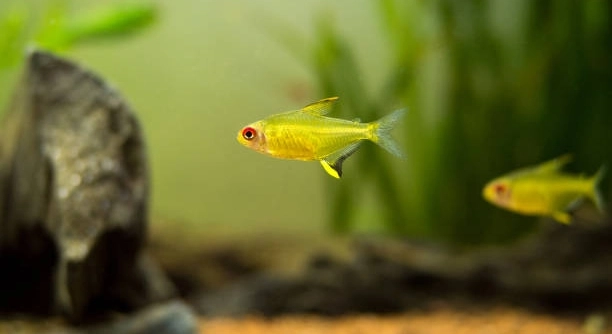
Do you ever notice your lemon tetra swimming repeatedly to the same corner of the tank, even when the water seems clear and the environment looks fine? Observing these small fish can reveal surprising behaviors in their tiny world.
Lemon tetras prefer certain corners due to a combination of environmental comfort and instinctual behavior. They are drawn to areas with lower light, stable water flow, and nearby hiding spots, which provide security and reduce stress in their habitat.
Understanding these preferences can improve how you arrange your aquarium and care for your fish to ensure a calm and healthy environment.
Tank Layout and Light Preferences
Lemon tetras tend to choose corners with dimmer lighting and minimal disturbances. In my own tank, I noticed they often avoid brightly lit areas near the top and middle of the aquarium. They instinctively gravitate toward sections where shadows are cast by plants or decorations. These spots give them a sense of safety while allowing them to observe their surroundings without feeling exposed. Corners usually provide a feeling of enclosure, which helps reduce stress. Water flow also plays a role, as tetras prefer calm areas rather than strong currents, allowing them to swim comfortably and conserve energy. Plants and décor not only create hiding spots but also mimic natural conditions, encouraging more natural behavior. Over time, observing these patterns can help you understand their preferences better and make adjustments to their tank layout, ensuring a balanced and calm environment that meets both their behavioral and environmental needs.
Corners offer shelter from direct light and sudden movements, which helps lemon tetras feel secure in their tank.
Adjusting tank elements like plant placement and light positioning can influence where your tetras feel most comfortable. This can also help reduce stress-related behaviors. By providing consistent conditions and gentle water flow, you create an area where the fish can thrive. I have found that using tall plants or small decorations near corners encourages the fish to explore without feeling threatened. Over time, they become familiar with their safe spots and are less likely to dart or hide constantly. This behavior also allows better observation of social interactions among tetras. Even minor changes, like shifting a decoration or slightly dimming a light, can alter their preferred corners. Understanding their needs and patterns makes maintaining their health easier. With attention to these small details, you create a peaceful tank where lemon tetras feel secure and confident.
Social Behavior and Group Dynamics
Lemon tetras naturally swim in schools, and their corner preferences are influenced by the presence of other fish.
In a group, dominant fish often claim the safest or most comfortable corners, while others adapt to nearby spaces. Observing my own tetras, I noticed that when one fish settles in a shaded corner, others often cluster around it, following its lead. This behavior is linked to both protection and social structure. Fish that feel safe with companions are less likely to experience stress, which improves their overall health and coloration. Conflicts are minimized when the group has multiple secure spots, allowing each fish to retreat if needed. Corners provide visual barriers, which help reduce tension among school members. Even small adjustments in decoration placement can change how the group interacts, emphasizing the importance of tank design. By paying attention to social dynamics and group interactions, you can ensure each tetra has access to a safe area, promoting natural schooling behavior and a calmer tank environment.
Water Conditions and Temperature
Stable water conditions play a key role in lemon tetras’ corner preferences. They often move to areas where the temperature is slightly more consistent and the water flow is gentle, helping them feel secure and comfortable in the tank.
I noticed that my tetras frequently avoid areas with rapid currents or sudden temperature changes. Corners near filters or heaters often provide more stable water conditions, making them preferred spots. Consistent temperature helps maintain their energy levels and reduces stress, which is visible in their calmer swimming patterns. They also use these areas to rest or interact quietly with other fish. Adjusting water flow and monitoring temperature carefully ensures they remain healthy. Small changes, like relocating a heater or adding a flow diffuser, can make certain corners more appealing and create a stable microenvironment that supports their natural instincts.
Corners with stable water conditions also help with schooling behavior. Fish can gather safely without fighting over territory. The calmer environment encourages interactions like synchronized swimming and gentle feeding routines. By ensuring temperature and flow stability in the tank’s corners, each tetra has a reliable spot to feel secure. Over time, this reduces stress and enhances their natural coloration and activity. Even minor fluctuations in water conditions can disrupt their preferred spots, so I make it a habit to check daily. Observing these patterns helps me understand how environmental stability shapes their behavior and keeps the school cohesive.
Tank Decoration and Hiding Spots
Plants, rocks, and ornaments in corners provide lemon tetras with secure hiding spots and reduce stress, making these areas highly attractive for resting and retreat.
I often arrange tall plants or small caves in corners to create multiple safe spaces for my tetras. These decorations mimic natural habitats, giving the fish both privacy and a place to explore. Hiding spots are crucial during feeding times, as fish can avoid competition or aggression from more dominant individuals. Corners with decorations also reduce reflections from the glass, which can startle them. Over time, I observed that fish return repeatedly to these areas, indicating their comfort. Careful placement of décor ensures enough space for swimming while maintaining accessible shelters. This approach promotes natural behavior, encourages exploration, and helps maintain a calm tank environment.
Decorations also influence social dynamics within the school. Corners with multiple hiding spots allow fish to maintain distance when needed, preventing disputes. By observing my tetras, I noticed that these areas help balance interactions, giving dominant and shy individuals alike a sense of security. Each tetra can retreat or rest without feeling exposed, reducing stress and promoting a healthier, more peaceful tank atmosphere. Well-placed décor supports schooling behavior while offering quiet retreats, making corners consistently preferred spots for the group.
Feeding Areas and Comfort
Lemon tetras often choose corners near slow-flowing water for feeding. These areas feel safer, allowing them to eat without feeling threatened or stressed by stronger currents or sudden movements.
I have observed that fish gather in corners with floating plants or small décor during feeding. These spots offer protection and help them focus on eating.
Interaction with Tank Mates
Social interactions influence corner preference. Fish tend to cluster with companions in familiar corners, creating a sense of security while maintaining group cohesion.
Stress Reduction
Corners with plants and gentle water flow provide a calm retreat. These areas help lemon tetras feel safe and reduce stress naturally.
Why do lemon tetras always go to the same corner?
Lemon tetras often pick a corner because it feels safe and comfortable. I’ve noticed in my own tank that corners with plants or decorations are where they naturally gather. These spots have gentler water flow, lower light levels, and a sense of enclosure that helps them feel secure. Stability matters a lot, so corners near a heater or filter often become favorites because the water temperature remains steady. The fish also use these areas to rest without being disturbed by more active tank mates, which reduces stress and encourages calm behavior over time.
Is it normal for lemon tetras to hide most of the day?
Yes, it’s normal, especially if the tank has bright lights or strong currents. In my experience, hiding doesn’t always mean something is wrong. Lemon tetras naturally seek shelter in dense plants or behind decorations. Providing multiple hiding spots allows them to choose areas that feel safest. Over time, as they get used to the tank conditions, they become more confident and spend time swimming in open spaces. Corners often act as a secure base, and the fish will return there between short swimming sessions. This behavior is a sign of instinctual safety rather than illness.
How can I make my lemon tetras feel safer in the tank?
Adding plants, rocks, or small decorations in corners helps create safe zones. I like using tall plants or small caves that provide both shelter and visual cover. Gentle water flow and consistent temperature also make a big difference. Fish feel safer when they can retreat to familiar areas without being exposed. Arranging multiple safe spots encourages exploration while reducing stress. Avoid sudden changes in lighting or decoration placement, as this can make them feel insecure. Watching their preferred corners can also guide adjustments to improve their environment, ensuring each tetra has a reliable retreat.
Can water conditions affect their corner preferences?
Absolutely. Lemon tetras are sensitive to temperature, flow, and water quality. In my own tank, corners with slightly calmer currents and stable temperature are always more popular. High flow or fluctuating temperatures can push fish to seek refuge in calmer areas. Regular monitoring and gentle filtration make corners more inviting and allow fish to maintain natural behavior. Even minor changes in water chemistry can influence where they feel comfortable. Providing consistent water conditions ensures the fish can thrive and use their preferred corners confidently, supporting both social behavior and individual well-being.
Do lemon tetras prefer planted corners over open areas?
Yes, they often do. Dense plants provide shade, hiding spots, and a feeling of enclosure that open areas cannot. In my experience, fish repeatedly return to planted corners for safety and rest. Open areas may be used for swimming or feeding, but corners act as secure zones. The presence of multiple plants or décor also encourages social clustering, helping the school stay cohesive. Observing which corners are chosen most often can help guide plant placement, ensuring each fish has access to a preferred safe area.
Will adding more hiding spots reduce stress?
Yes, adding hiding spots can reduce stress and encourage natural behavior. I like placing decorations in corners and along tank walls to create multiple retreats. Fish can rest, escape aggression, or feel secure while feeding. Providing options prevents competition for a single safe spot and helps maintain harmony within the group. Over time, the school becomes calmer, and fish use corners more confidently. Multiple retreats also allow for exploration and activity without fear, which improves overall health and coloration. Consistent placement ensures that the fish can rely on these areas daily.
Can their corner preference indicate illness?
Sometimes, but not always. Lemon tetras naturally favor corners, so frequent hiding doesn’t automatically mean sickness. I pay attention to other signs like lack of appetite, unusual swimming, or faded coloration. If these symptoms appear, it may be related to water quality or health issues. Otherwise, their corner preference is usually about security and comfort. Regular monitoring of tank conditions, along with observation of behavior patterns, helps determine if the preference is normal or a sign of stress or illness. Maintaining stable water conditions and providing adequate hiding spots supports their natural behavior and reduces health risks.
How can I encourage them to explore the tank?
Adding gentle water flow, creating open swimming areas, and alternating feeding locations encourages exploration. In my tank, I place food in different corners and mid-tank areas. Decorations and plants arranged thoughtfully allow fish to move safely between hiding spots and open spaces. Gradual changes in the environment, like shifting plants slightly, can stimulate curiosity without causing stress. Observation helps identify which corners are preferred and where the fish are comfortable venturing. Encouraging movement improves exercise, reduces boredom, and supports social interactions, while still providing reliable safe zones for resting and retreat.
Are all lemon tetras in a school likely to choose the same corner?
Not always. Dominant individuals often pick the safest or most comfortable corners first, while others find nearby spots. I’ve noticed in my tank that fish tend to cluster together but maintain slight distances to avoid conflicts. Multiple safe corners allow each fish to feel secure without fighting over a single area. Social dynamics, group size, and tank layout all influence where fish gather. Observing these patterns helps optimize decoration placement and tank setup to meet the needs of every tetra. Proper spacing ensures stress is minimized and schooling behavior remains natural and harmonious.
How does lighting affect corner selection?
Lighting plays a major role. Lemon tetras prefer dimmer corners to bright, exposed areas. In my experience, bright lights make them seek shaded spots behind plants or decorations. Adjusting light intensity or creating shaded corners encourages them to use different areas of the tank while still feeling secure. Gradual changes in lighting help fish adapt without stress. Corners with partial shade provide both protection and a sense of stability, which promotes calm swimming patterns and healthy schooling behavior. Careful light placement ensures the tank meets both behavioral and comfort needs for all the fish.
This FAQ section covers the main reasons lemon tetras prefer corners, addressing behavior, environment, and social dynamics.
Lemon tetras are small, lively fish, but they are sensitive to their surroundings. Their preference for certain corners in the tank is not random. These areas provide a sense of safety, stability, and comfort. In my experience, corners with plants, decorations, or gentle water flow are always the spots they return to the most. Fish often pick the same corners repeatedly because these areas offer protection from light, water currents, and potential disturbances. Even small details, like a slightly lower temperature or a tiny shadow from a plant, can make a corner more appealing. Observing where they gather can help you understand their needs and improve how you set up the tank. Knowing their habits also makes it easier to notice changes that could indicate stress or health issues.
Providing multiple safe areas in the tank encourages natural behavior and reduces stress. Lemon tetras use corners to rest, hide, or interact with other fish. I have found that when corners are well-decorated with plants, rocks, or small caves, the fish feel secure and display calmer, more confident movements. Stable water conditions and gentle currents make these areas even more appealing. Over time, they also become social hubs, where fish school together or interact quietly. When each tetra has access to a comfortable corner, aggression and tension within the group decrease. Even minor adjustments in plant placement or light intensity can influence how fish use different corners. By paying attention to these details, you can create an environment that balances safety, activity, and social interaction.
Understanding the reasons behind corner preferences can help you maintain a healthier and happier tank. Lemon tetras are naturally cautious, and their behavior reflects instinctual needs for protection and stability. Their choice of corners is influenced by lighting, water flow, temperature, decorations, and the presence of other fish. By observing these habits and providing suitable conditions, you support their natural tendencies while ensuring they remain active and healthy. I have found that taking small steps, like rearranging plants or adding gentle hiding spots, can make a noticeable difference in their comfort levels. Over time, corners become reliable retreats that encourage exploration, feeding, and schooling behavior, making the tank a more balanced and peaceful environment for everyone.

Hello,
If you enjoy the content that we create, please consider saying a "Thank You!" by leaving a tip.
Every little bit helps us continue crafting quality advice that supports the health, happiness, and well-being of pets around the world, for pets of all shapes, sizes, and species.
We really appreciate the kindness and support that you show us!