
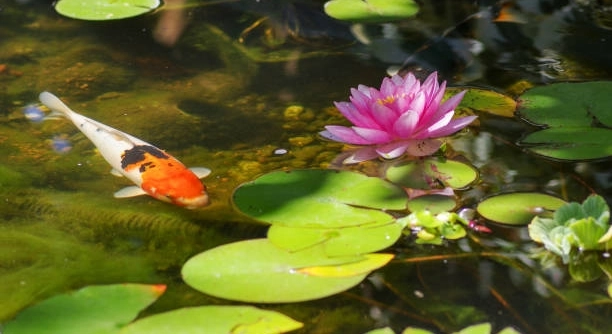
Koi fish jumping out of the pond at night can be surprising and concerning for many pond owners. This behavior may indicate stress, discomfort, or environmental problems affecting the fish. Understanding the causes helps in preventing injuries or losses.
Koi jumping at night is usually caused by poor water quality, sudden disturbances, or parasites. Immediate actions include checking water parameters, removing stressors, and ensuring a secure pond environment to protect the fish from harm and reduce jumping behavior.
Addressing these issues promptly can improve koi health and prevent future incidents of jumping, creating a safer and more stable pond environment.
Causes of Koi Jumping at Night
Koi often jump at night due to discomfort caused by water quality issues. Poor oxygen levels, high ammonia, or sudden temperature changes can stress the fish, prompting them to leap. Another cause is parasites or external irritants attached to their bodies, which cause itching and make koi try to jump out to escape. Loud noises or sudden movements near the pond at night may startle koi, triggering jumping behavior. Sometimes, inadequate pond covers or predators can make koi feel threatened, causing nighttime escapes. Overcrowding or insufficient hiding spots also add to stress, pushing koi to jump. Monitoring pond conditions regularly helps identify these issues early and prevents jumping incidents. It is essential to maintain stable, clean water and a calm environment for koi to feel secure during nighttime hours.
Testing water parameters like ammonia, nitrites, and oxygen levels helps ensure safe pond conditions. Removing sources of stress reduces jumping and protects koi health.
Maintaining proper filtration, aeration, and pond structure is vital. Addressing parasites with appropriate treatments also improves koi comfort. Adding plants and shelters offers safe areas, reducing stress. Observing koi behavior regularly allows timely action before problems worsen. These steps create a stable pond where koi can thrive quietly through the night.
How to Prevent Koi from Jumping
Keeping water clean and stable is key to preventing koi from jumping. Regular water testing and adjustments ensure a healthy environment.
Providing enough space and hiding spots helps koi feel secure. Plants, rocks, and shelters reduce stress by mimicking natural habitats. Aeration is important to maintain oxygen levels, especially during warm weather. A secure pond cover can protect koi from predators and prevent escapes. Limiting loud noises or sudden movements near the pond at night minimizes disturbances. Routine parasite checks and treatments prevent irritation that causes jumping. Avoid overcrowding to reduce competition and stress among koi. Feeding koi appropriately supports their health and behavior. A calm, well-maintained pond reduces jumping incidents, keeping koi safe and comfortable.
A combination of good water quality, physical shelter, and reduced stress creates a safer environment. These actions ensure koi remain healthy and less likely to jump at night. Consistent care and observation are essential for long-term pond stability.
Identifying Stress Factors in Your Pond
Stress causes koi to jump frequently. Factors such as poor water quality, overcrowding, or predators create discomfort. Noticing changes in behavior early helps prevent serious issues.
Testing water regularly is critical. High ammonia or low oxygen levels can stress fish quickly. Overcrowded ponds increase competition for food and space, raising stress. Presence of predators, even at night, makes koi uneasy and prone to jumping. Environmental changes like temperature swings also affect stress levels. Removing or mitigating these factors reduces jumping incidents and improves koi well-being.
Providing hiding spots and calm areas helps koi relax. Adding floating plants or underwater shelters can lessen stress. Keeping the pond environment stable by avoiding sudden changes is important. Minimizing noise and disturbances near the pond at night also contributes to calmer fish. Observing koi daily lets you spot stress signs early and respond promptly, maintaining a healthier pond.
Immediate Actions When Koi Are Jumping
Quickly test water conditions for ammonia, nitrites, and oxygen levels. Correcting water imbalances reduces stress and jumping.
Removing any obvious sources of disturbance is important. Secure the pond with netting or covers to protect koi from predators and prevent escapes. Avoid loud noises or sudden movements near the pond during nighttime hours. If parasites are suspected, apply appropriate treatments carefully following product instructions. Ensure aeration systems are working well to maintain oxygen. Reducing feeding temporarily can also help, as overfeeding causes waste buildup, degrading water quality. These immediate steps address the root causes of jumping and protect koi health.
Acting quickly prevents injury or loss and stabilizes the environment. Regular maintenance afterward ensures the pond remains safe and comfortable for koi. Keeping a close watch on their behavior helps catch problems early.
Monitoring Water Quality Consistently
Regular water testing prevents sudden changes that stress koi. Monitoring key parameters helps maintain a healthy pond environment.
Testing for ammonia, nitrites, pH, and oxygen levels weekly identifies potential problems early. Keeping these factors balanced reduces koi discomfort and jumping.
Using Pond Covers Effectively
Pond covers provide protection from predators and prevent koi from jumping out. Secure covers improve nighttime safety. Choosing the right cover material and ensuring proper installation are important to maintain pond health while keeping koi safe.
Recognizing Parasite Infestations
Parasites cause irritation and sudden koi jumping. Look for flashing behavior, clamped fins, or visible spots. Early parasite detection allows timely treatment, reducing stress and preventing further damage to koi health.
Adjusting Feeding Habits
Overfeeding can deteriorate water quality and increase stress. Feed koi in moderation and remove uneaten food promptly to keep the pond clean and reduce jumping behavior.
FAQ
Why are my koi jumping out at night?
Koi often jump at night due to stress caused by poor water quality, sudden noises, parasites, or predators. Low oxygen or high ammonia levels make them uncomfortable. Nighttime disturbances, like animals or loud sounds, can startle koi, causing them to leap out of the pond.
How can I test water quality for my koi pond?
Testing involves checking ammonia, nitrites, nitrates, pH, and oxygen levels. Use a reliable test kit weekly or whenever koi behavior changes. Keeping these parameters stable is key to preventing stress. High ammonia or low oxygen often causes koi to jump or become lethargic.
What are signs of parasites on koi?
Koi with parasites often flash, rubbing their bodies against surfaces. You may see clamped fins, redness, or white spots. Parasites irritate the skin and gills, making koi jump in an attempt to relieve discomfort. Early treatment reduces harm and controls outbreaks.
Can predators cause koi to jump?
Yes. Predators like raccoons, birds, or cats cause koi stress, especially at night. Koi may jump to escape or avoid attack. Using pond covers or netting reduces predator access and protects koi from injury or loss.
Is poor oxygen a common cause of koi jumping?
Low oxygen is a major factor. Koi need oxygen-rich water, especially at night when oxygen levels drop. Aerators and waterfalls help maintain oxygen. Without enough oxygen, koi become stressed and jump more often.
What immediate steps should I take if koi start jumping?
Test water quality right away. Check for ammonia, nitrites, and oxygen levels. Remove noise or light disturbances near the pond. Inspect for parasites and treat if needed. Secure the pond with covers or netting to prevent escapes. Adjust feeding to avoid waste buildup.
How often should I feed koi to prevent jumping?
Feed koi small amounts once or twice a day. Overfeeding causes leftover food to pollute the water, leading to poor water quality and stress. Remove uneaten food to keep the pond clean and maintain koi health.
Do pond plants help reduce koi jumping?
Yes. Plants provide shelter and reduce stress by creating hiding places. They also improve water quality by absorbing excess nutrients. Floating plants give koi cover and make the environment calmer, reducing jumping behavior.
Can temperature changes cause koi to jump at night?
Sudden temperature drops or rises can stress koi. Temperature swings reduce oxygen levels and affect koi metabolism. Stable temperatures, especially during seasonal changes, help keep koi calm and prevent jumping.
Is overcrowding linked to koi jumping?
Overcrowding increases competition for food and space. Stress from overcrowding makes koi jump more frequently. Ensuring adequate pond size and balanced fish population reduces stress and supports healthy behavior.
What role does pond maintenance play in preventing jumping?
Regular pond cleaning and filter maintenance keep water quality high. Removing debris, sludge, and excess algae prevents harmful conditions. Clean ponds reduce stress factors that cause koi to jump, supporting overall fish health.
How long does it take to stop koi from jumping after fixing pond issues?
Improvement depends on the cause and action taken. Water quality corrections can show results in days. Parasite treatments might take a week or more. Providing shelter and reducing disturbances create lasting calm, but koi may take time to fully settle.
Can koi get injured from jumping out of the pond?
Yes. Jumping can lead to injuries like torn fins, bruises, or infections. If koi land outside the pond, they risk drying out or being attacked by predators. Preventing jumping reduces these risks and protects koi wellbeing.
Is nighttime more dangerous for koi to jump?
Nighttime jumping is riskier because visibility is low. Koi may land on hard surfaces or dry areas, causing injury. Predators are more active at night, increasing stress and the chance of koi escaping or getting hurt.
What type of pond cover is best to prevent jumping?
A strong, secure mesh netting or rigid cover works well. It should allow light and air to pass but block predators and prevent koi from jumping out. Covers must be properly installed to avoid gaps where koi could escape.
Can koi learn to stop jumping?
Koi behavior improves when environmental stressors are removed. They do not jump for fun; stress triggers this action. Providing good water quality, shelter, and protection encourages calm behavior over time.
Are there signs koi are about to jump?
Koi may swim near the surface nervously, flash against pond edges, or exhibit rapid movements before jumping. Noticing these signs early allows intervention, such as reducing disturbances or checking water quality.
How do I safely treat parasites in my pond?
Use medications designed for koi ponds, following the label instructions carefully. Remove activated carbon from filters during treatment. Maintain aeration and monitor koi closely. Repeat treatments may be necessary to fully eliminate parasites.
Is it possible to prevent koi jumping completely?
While not always fully preventable, reducing stressors greatly lowers jumping frequency. Stable water quality, secure covers, predator control, and proper care create a safe environment. Consistent attention keeps koi healthy and less prone to jumping.
Can koi jumping indicate serious health problems?
Yes. Persistent jumping may signal infections, parasites, or toxic water. It is important to investigate and treat underlying issues promptly to avoid worsening health and potential loss of fish.
Final thoughts on managing koi jumping focus on maintaining a stable and comfortable pond environment. Koi jumping is often a sign of stress caused by factors such as poor water quality, parasites, predators, or sudden changes in the surroundings. Addressing these issues promptly can help reduce jumping behavior and protect the health of the fish. Keeping the water clean and balanced by regularly testing for ammonia, nitrites, nitrates, pH, and oxygen levels is essential. Consistent pond maintenance prevents harmful conditions that may cause koi discomfort.
Providing adequate shelter and reducing disturbances also play important roles in preventing koi from jumping. Plants, pond covers, and secure netting offer koi places to hide and feel safe. This helps minimize stress caused by predators or loud noises, especially at night. Additionally, feeding koi in moderation helps maintain water quality and reduces leftover food that can pollute the pond. Stable temperatures and sufficient oxygen levels further contribute to a calm pond environment, reducing the chances of koi jumping.
Ultimately, patience and consistent care are necessary when addressing koi jumping. It may take time for koi to adjust after improvements in water quality and pond conditions. Observing koi behavior closely allows for early detection of potential problems such as parasites or oxygen drops. Taking swift action to resolve these issues will support koi health and reduce jumping incidents. A well-maintained pond with balanced water parameters, proper feeding, and effective protection measures creates an environment where koi can thrive peacefully.

Hello,
If you enjoy the content that we create, please consider saying a "Thank You!" by leaving a tip.
Every little bit helps us continue crafting quality advice that supports the health, happiness, and well-being of pets around the world, for pets of all shapes, sizes, and species.
We really appreciate the kindness and support that you show us!