
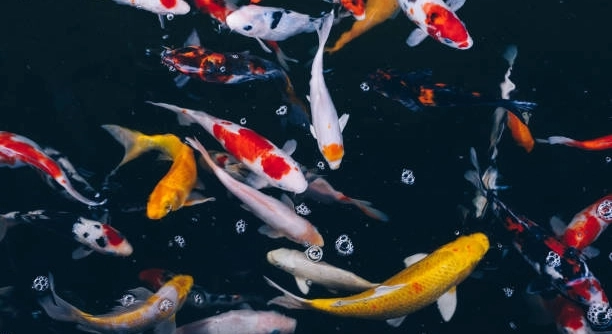
Koi fish are often admired for their graceful movements in ponds and shallow water. Observing them swim can be calming, yet sometimes they appear to drift sideways. This behavior can seem unusual, especially in shallow environments where movement is more restricted.
Koi drift sideways in shallow water primarily due to balance and buoyancy adjustments caused by water depth and body positioning. Shallow water alters their usual swimming dynamics, making lateral drifting a natural response to maintain stability and navigate their environment effectively.
Understanding why koi exhibit this sideways drifting helps clarify their behavior and care needs. This knowledge can improve how we maintain their habitats and ensure their health in confined spaces.
Why Koi Drift Sideways in Shallow Water
Koi fish rely heavily on their swim bladder to maintain buoyancy and balance in water. In shallow water, the pressure on their swim bladder changes, affecting how they float and move. This difference in pressure can cause koi to lose some control over their orientation, leading them to drift sideways more often than they would in deeper water. The limited depth restricts their natural swimming patterns, forcing them to adjust by using their fins differently to stabilize themselves. These adjustments may look like sideways drifting but are actually attempts to maintain balance.
This sideways movement is a natural adaptation to shallow conditions and does not always indicate a health problem.
Sideways drifting in shallow water often results from koi compensating for uneven pressure on their swim bladder. Unlike deeper environments where pressure is more uniform, shallow water causes fluctuations that affect stability. Additionally, obstacles and varying water currents in shallow ponds contribute to this behavior. Over time, koi learn to adapt their movements, using their fins and body to navigate these challenges. Understanding this behavior is important for koi keepers, as it signals how the fish respond to their environment rather than a sign of distress or illness. Adjusting pond depth and ensuring proper water quality can help reduce excessive drifting and promote healthier swimming habits.
Maintaining Koi Health in Shallow Ponds
Regular water quality checks are essential for koi living in shallow environments.
Koi in shallow ponds are more vulnerable to temperature fluctuations, oxygen levels, and contaminants due to limited water volume. Poor water quality can worsen balance issues and lead to other health problems. Maintaining stable conditions through frequent monitoring and water changes supports their swim bladder function and overall well-being. Additionally, providing hiding spots and gentle water flow helps koi feel secure and move more naturally, reducing sideways drifting caused by stress or discomfort. Attention to these details ensures koi stay healthy and active despite shallow pond conditions.
Common Causes of Sideways Drift
Sideways drifting can sometimes indicate swim bladder issues or minor injuries. It’s important to observe the koi closely for other symptoms.
Swim bladder problems often arise from overfeeding, poor diet, or infections. These conditions disrupt the fish’s ability to control buoyancy, causing them to tilt or drift sideways. Minor injuries from sharp pond decorations or aggressive tank mates can also affect their balance. Monitoring feeding habits and ensuring a clean, safe environment reduces the risk of these issues. If sideways drifting persists, consulting a specialist may be necessary to rule out underlying health problems.
Stress from overcrowding or sudden changes in water conditions can also cause koi to drift oddly. Reducing stress through proper care helps restore normal swimming behavior and balance over time.
Adjusting Pond Conditions for Better Movement
Proper pond depth is crucial for koi to swim comfortably without drifting excessively.
A shallow pond limits the space koi have to move freely and affects their buoyancy control. Increasing pond depth or creating deeper sections allows koi to regulate their swim bladder better. Adding plants or structures can improve water flow and oxygen levels, creating a more stable environment. Regularly checking water temperature and maintaining consistent conditions also reduce stress and support healthy movement. These adjustments can significantly decrease sideways drifting and improve koi’s overall activity and well-being.
Monitoring Koi Behavior
Consistent observation helps identify if sideways drifting is temporary or a sign of health issues. Note any changes in appetite or activity.
Keeping a log of behavior patterns can assist in detecting early signs of swim bladder problems or stress. Early intervention improves chances for recovery and better management.
Feeding Tips to Prevent Swim Bladder Issues
Feeding koi a balanced diet with high-quality pellets and occasional fresh vegetables supports digestive health. Overfeeding can cause swim bladder problems by leading to constipation or gas buildup, which affects buoyancy. Feeding smaller portions more frequently helps prevent these issues. Avoid feeding floating foods that encourage gulping air, which can worsen balance problems. Ensuring a proper diet reduces the risk of sideways drifting linked to swim bladder dysfunction.
Using Pond Aeration Effectively
Good aeration increases oxygen levels and promotes healthy koi activity. It also supports swim bladder function by improving overall water quality.
When to Seek Professional Help
If sideways drifting continues despite adjustments, consulting a veterinarian or aquatic specialist is recommended to diagnose and treat possible health problems.
FAQ
Why do koi sometimes drift sideways only in shallow water?
Koi drift sideways in shallow water mainly because of changes in pressure affecting their swim bladder. In shallower depths, the pressure is less uniform compared to deeper water, making it harder for koi to maintain balance. This causes them to adjust their posture by drifting sideways as they try to stabilize themselves.
Is sideways drifting a sign of illness in koi?
Not always. Sideways drifting can be a natural behavior in shallow water. However, if it’s accompanied by other symptoms like lethargy, loss of appetite, or visible physical issues, it might indicate swim bladder problems or infections. In such cases, close observation and possibly veterinary care are needed.
How can I tell if my koi’s swim bladder is unhealthy?
Signs of swim bladder issues include persistent sideways or upside-down swimming, difficulty staying upright, and reduced activity. You may also notice bloating or abnormal buoyancy. If these signs appear, evaluate diet, water quality, and stress levels immediately.
Can diet affect koi’s swimming behavior?
Yes. Overfeeding or feeding inappropriate foods can cause constipation or gas buildup, leading to swim bladder problems. Feeding high-quality pellets and fresh vegetables in moderate amounts helps maintain healthy digestion and buoyancy.
How often should I feed my koi to prevent swim bladder issues?
Feeding smaller amounts two to three times a day is better than one large meal. This reduces the risk of overeating and digestive problems that affect buoyancy.
Does water temperature impact koi balance?
Water temperature affects koi metabolism and swim bladder function. Sudden temperature changes can stress koi, sometimes causing them to drift or swim oddly. Maintaining a stable temperature suitable for koi reduces these risks.
Will increasing pond depth help with sideways drifting?
Increasing pond depth or creating deeper areas gives koi more room to swim and better pressure regulation for their swim bladder. This usually reduces sideways drifting and allows more natural swimming patterns.
Can stress cause koi to drift sideways?
Yes. Stress from overcrowding, poor water quality, or predators can affect koi behavior, including causing sideways drifting. Minimizing stressors supports healthier, more stable swimming.
What water conditions are best to prevent drifting?
Clear water with stable temperature, proper oxygen levels, and minimal pollutants helps koi maintain good health and balance. Regular testing and maintenance are essential.
How does aeration help koi with balance issues?
Aeration increases oxygen levels and improves water circulation, which supports koi health and swim bladder function. Well-oxygenated water reduces stress and encourages normal swimming behavior.
Should I isolate a koi that drifts sideways?
Isolation is advisable if the koi shows signs of illness or injury to prevent spreading disease and to monitor its condition closely. Otherwise, minor drifting alone does not usually require isolation.
What are common causes of swim bladder disorders in koi?
Common causes include poor diet, infections, constipation, injuries, and environmental stress. Identifying and addressing these factors promptly can prevent worsening symptoms.
Can I treat swim bladder problems at home?
Mild cases caused by diet or constipation can sometimes be managed at home by adjusting feeding practices and improving water quality. However, severe or persistent cases require professional care.
Do koi ever outgrow swim bladder problems?
Some koi may improve over time with proper care and environment adjustments, but chronic or severe issues might persist without treatment.
How do I know if sideways drifting is temporary?
If the koi returns to normal swimming after a short period or environmental changes, the drifting is likely temporary. Persistent drifting for days or weeks signals a deeper issue.
Are there any signs that show koi are recovering from drifting issues?
Increased activity, normal swimming posture, and regular feeding are good signs of recovery. Watching for these helps gauge health progress.
Can water plants help reduce drifting behavior?
Yes. Plants create natural hiding spots and improve water quality. They also reduce stress by mimicking natural habitats, which can decrease drifting caused by discomfort.
Is sideways drifting more common in certain koi breeds?
No specific breed is more prone, but individual health and environmental factors play larger roles in drifting behavior.
How important is regular pond cleaning for koi balance?
Regular cleaning prevents buildup of harmful substances that can stress koi and affect their swim bladder. Clean ponds contribute directly to healthier, balanced fish.
Can I use medication to fix sideways drifting?
Medication is only helpful if an infection or parasite is causing the problem. Using medication without diagnosis can harm koi or worsen conditions.
What should I do if my koi suddenly starts drifting sideways?
Check water quality, temperature, and feeding routine immediately. Observe for other symptoms and consider isolating the fish. If it persists, seek advice from an aquatic veterinarian.
Final Thoughts
Sideways drifting in koi is a behavior that can stem from several factors, many of which relate to their swim bladder and the environment they live in. It is important to recognize that koi use their swim bladder to maintain balance and control their buoyancy. When this organ is affected by pressure changes, diet, injury, or illness, koi may drift sideways or show unusual swimming patterns. Understanding these causes helps ensure koi remain healthy and comfortable in their pond environment.
Proper pond conditions play a significant role in preventing sideways drifting. A pond with adequate depth allows koi to regulate their swim bladder more effectively. In addition, maintaining stable water temperature and high oxygen levels reduces stress, which often contributes to balance issues. Feeding koi a balanced diet in appropriate portions also supports their swim bladder health by preventing digestive problems like constipation or gas buildup. Regular observation of koi behavior is essential to identify any changes early and take corrective action if necessary.
If sideways drifting becomes frequent or is accompanied by other symptoms such as loss of appetite, lethargy, or visible physical changes, it is advisable to consult a specialist. Swim bladder problems may require medical treatment, especially if caused by infections or injuries. However, many cases can be prevented or improved by adjusting feeding routines, improving water quality, and reducing stress factors. Paying attention to these details ensures koi maintain normal swimming behavior and overall well-being in their pond habitat.

Hello,
If you enjoy the content that we create, please consider saying a "Thank You!" by leaving a tip.
Every little bit helps us continue crafting quality advice that supports the health, happiness, and well-being of pets around the world, for pets of all shapes, sizes, and species.
We really appreciate the kindness and support that you show us!