
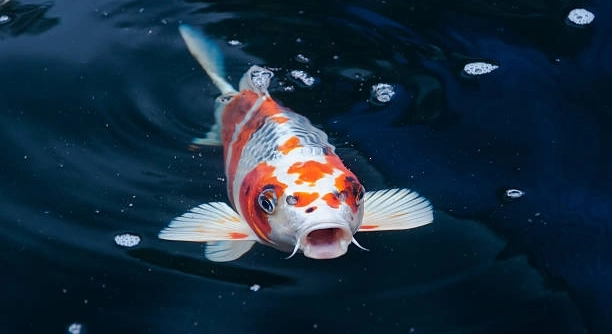
Koi fish are popular in many ponds for their vibrant colors and calm nature. Many koi owners develop a bond with their fish and wonder if these animals can recognize them. Understanding this behavior can deepen the connection.
Koi fish have the ability to recognize their owners through visual and auditory cues. They respond to familiar voices, feeding routines, and movements, indicating a learned association rather than instinctive behavior. Recognition is often linked to positive interactions.
Knowing how koi recognize you helps improve care and interaction, fostering a stronger, more rewarding relationship with these aquatic pets.
How Koi Fish Recognize Their Owners
Koi fish use several senses to recognize their owners. They rely primarily on sight and sound. Over time, they learn to associate a specific person’s appearance, voice, and routine with feeding and care. Koi can distinguish between different humans based on visual cues like shape, movement, and color contrast. When you approach the pond, your koi may swim closer or come to the surface, signaling recognition. Sound also plays a role, as koi respond to familiar voices and tapping noises associated with feeding. This behavior shows that koi develop memory and can link positive experiences with specific people. Repeated interactions reinforce this recognition. Consistency in how you interact with koi encourages them to remember and respond to you. These fish are not just passive animals; they show signs of social learning, which builds trust between koi and their owners.
Koi fish recognize owners mainly through visual memory and auditory cues linked to feeding and care routines.
Koi recognition improves with regular interaction. Approaching the pond in a similar way every day helps koi learn who you are. Consistent feeding times and sounds make them more likely to respond when you are near. This connection is a result of their ability to learn and remember, rather than instinct. Koi respond to positive reinforcement, so gentle movements and feeding encourage their trust. Avoid sudden actions or loud noises to maintain this calm interaction. Over time, koi will associate your presence with food and safety, strengthening the bond between you. This understanding benefits both owner and fish, creating a smoother care routine and a more enjoyable experience when observing koi behavior.
Signs Your Koi Recognize You
When koi recognize you, their behavior changes noticeably. They may swim toward you eagerly or follow your movements in the pond. Some koi will come to the surface quickly when you approach, expecting to be fed. They might even beg for food by nudging the water or showing increased activity. This is a clear sign that they have learned to identify you and associate your presence with positive outcomes. Recognized koi tend to be more comfortable around humans and show less fear. They may also respond to specific sounds or gestures used during feeding. Watching these signs can confirm that your koi remember you. This recognition shows the intelligence and social capacity of koi, highlighting why they are cherished by many pond owners.
Koi recognizing owners display eager swimming and surface activity when approached.
Koi recognition is a sign of learning and trust. Fish that recognize you show calmer behavior compared to those unfamiliar with people. This reduces stress for the koi, improving their overall health. You will notice koi swimming closer without hesitation, responding to feeding cues, and following your presence. The more you interact, the stronger this recognition becomes. It is important to maintain a routine and avoid sudden changes in behavior around the pond. Recognized koi also tend to explore more actively and exhibit playful movements. This responsiveness enhances the enjoyment of koi keeping, as the fish clearly interact with their environment and owner. Such behavior reflects their ability to adapt and remember, which is key to long-term care and satisfaction.
How to Build Recognition with Your Koi
Consistency is essential in building recognition with koi fish. Regular feeding times and familiar sounds create a predictable environment that koi can learn to associate with you. Repetition helps koi link your presence with food and safety, strengthening their recognition over time.
Feeding koi at the same place and time daily trains them to expect you. Using the same voice tone or gentle tapping on the water surface before feeding helps signal your approach. Over weeks, koi will start swimming to the feeding spot when they sense these cues. Avoid sudden movements or loud noises during this process, as koi are sensitive and can become scared. A calm, predictable routine makes koi more comfortable and responsive to your presence.
Physical interaction, like hand-feeding or gentle touching, also reinforces recognition. Koi that experience positive touch and feeding from an owner often become more social and less fearful. This interaction builds trust and strengthens the bond. Always move slowly and be patient to maintain their comfort. Over time, koi will clearly respond to your presence, showing signs of recognition.
Environmental Factors Affecting Recognition
The pond environment influences how well koi recognize you. Clear water and a quiet setting help koi see and hear cues from their owners more easily. Turbid water or noisy surroundings can interfere with their ability to identify you.
A clean pond with good visibility allows koi to observe your movements and signals clearly. Noise from nearby machinery, traffic, or loud voices can distract or stress koi, making recognition harder. Proper pond maintenance improves water clarity and reduces stress, supporting better interactions. Providing hiding spots and gentle water flow helps koi feel secure, encouraging more confident behavior. When koi feel safe and comfortable, they are more likely to respond positively to their owners and recognize familiar cues, deepening the connection.
Training Koi to Recognize You
Training koi relies on patience and repetition. Feeding them consistently at the same time and place helps establish routine. Using a calm voice and gentle tapping on the water surface signals your presence and encourages recognition.
Positive reinforcement strengthens this learning. Rewarding koi with food when they respond to your approach builds their confidence. Avoid sudden movements to keep koi comfortable during training sessions.
Common Mistakes When Trying to Gain Recognition
Rushing interactions or changing routines often confuses koi and slows recognition. Inconsistent feeding times, loud noises, or abrupt movements can stress koi, making them wary of people. Maintaining a calm, steady approach is essential for building trust and recognition.
Koi Memory and Recognition Abilities
Koi fish have shown an ability to remember and recognize their owners over long periods. Their memory is linked to routine and positive associations, such as feeding times. Studies reveal koi can learn to respond to specific cues and distinguish between different people. This capacity allows owners to develop meaningful interactions with their koi. Consistent care and positive experiences enhance this recognition, leading to stronger bonds and less stressed fish.
Benefits of Koi Recognizing You
Koi recognizing their owner can reduce their stress and improve their health. Recognized koi are calmer and more comfortable around humans.
FAQ
Can koi fish really recognize their owners?
Yes, koi fish can recognize their owners through repeated exposure to visual and auditory cues. They learn to associate specific people with feeding and care, which leads to familiar behavior when those people approach the pond. This recognition is based on memory and positive reinforcement rather than instinct.
How long does it take for koi to recognize someone?
Recognition varies but usually takes several weeks of consistent interaction. Feeding koi at the same time, place, and using familiar sounds or gestures speeds up the process. Patience and routine are important, as koi gradually learn to associate specific cues with positive experiences.
What signs show that koi recognize their owner?
Signs include koi swimming toward you eagerly, coming to the surface when you approach, and responding to feeding sounds or gestures. Recognized koi may also display less fear and more curiosity, following your movements calmly and showing increased activity around feeding times.
Can koi recognize different people?
Yes, koi can distinguish between different individuals. They respond more positively to those who regularly feed and interact with them. Visual differences, voice tones, and specific behaviors help koi differentiate among people, showing recognition mainly for those who provide consistent care.
Does the environment affect koi’s ability to recognize owners?
Water clarity, noise levels, and pond conditions impact recognition. Clear water and a quiet environment help koi see and hear their owners better, improving recognition. Poor visibility or loud noises can cause stress and reduce the fish’s ability to respond to familiar cues.
How can I train koi to recognize me faster?
Maintain a consistent feeding schedule and use the same sounds or gestures each time you feed. Approach calmly, avoid sudden movements, and reward koi with food when they respond. Gentle hand-feeding or light touching can also build trust, helping koi learn to associate you with positive experiences.
Do koi remember their owners after time apart?
Koi have good memory and can remember their owners even after weeks or months apart. Their recognition depends on previous positive interactions and routine. However, extended absence without interaction may slow recognition when you return.
Is koi recognition beneficial for their health?
Yes, koi that recognize their owners are usually less stressed and more comfortable around people. Reduced stress improves immune function and overall health. Recognition encourages koi to come up for food regularly, helping maintain proper nutrition and growth.
What should I avoid when trying to build recognition with koi?
Avoid inconsistent feeding times, loud noises, and sudden movements near the pond. These actions can scare koi and slow down recognition. Keeping a calm, steady routine with positive reinforcement is key to building trust and familiarity.
Can koi recognize their owner’s voice?
Koi respond to familiar sounds, including their owner’s voice. They learn to associate the tone and volume of voice with feeding or care. Soft, gentle speaking and consistent sounds improve this recognition, while loud or abrupt noises can cause stress.
Does hand-feeding improve recognition?
Hand-feeding koi often strengthens recognition and trust. Physical contact paired with feeding helps koi associate you with positive experiences. Move slowly and gently when hand-feeding to avoid startling the fish.
Will koi recognize me if I wear different clothes or hats?
Koi recognize a combination of visual cues, including movement, shape, and color contrast. Changes in clothing or hats may delay recognition slightly, but consistent behavior and routine usually allow koi to adjust and still recognize you.
Can koi learn to recognize more than one person?
Yes, koi can learn to recognize multiple individuals who regularly interact with them. They respond better to those who feed or care for them consistently. Recognition is based on repeated positive interactions, so koi may distinguish between several people.
Do koi recognize their owners at night or in low light?
Koi rely mainly on sight and sound, so recognition is limited in low light or at night. They may respond to familiar sounds but cannot clearly see visual cues. Daytime interaction is more effective for building recognition.
Is koi recognition the same as bonding?
Recognition is part of building trust and familiarity, which leads to a stronger relationship. While koi do not bond like mammals, recognizing their owners reduces fear and promotes comfortable, social behavior, enhancing the connection between fish and caretaker.
Final Thoughts
Koi fish are more intelligent than they often get credit for. Their ability to recognize owners comes from repeated interactions and positive experiences. Consistency in feeding and gentle, calm behavior help koi associate specific people with safety and food. This recognition is a result of their memory and learning capacity, which improves over time with patience. Understanding this helps owners appreciate how much effort and care koi need to build that trust and familiarity.
The environment plays an important role in how well koi recognize their owners. Clear water, minimal noise, and a stable pond setting make it easier for koi to see and hear cues from people. Stress caused by poor water conditions or loud disturbances can reduce their responsiveness. Maintaining a clean and quiet pond supports better communication between koi and their caretakers. It also promotes overall koi health, which is essential for positive interactions and recognition to develop naturally.
Building recognition with koi is a gradual process that requires time, patience, and a calm approach. Avoid sudden movements or inconsistent routines, as these can frighten the fish and slow the process. Regular feeding times combined with familiar sounds or gestures help koi learn to identify their owners. Over time, koi will show clear signs of recognition, such as swimming toward their caretaker and responding quickly to feeding cues. This connection improves the koi’s well-being and makes caring for them a more rewarding experience.

Hello,
If you enjoy the content that we create, please consider saying a "Thank You!" by leaving a tip.
Every little bit helps us continue crafting quality advice that supports the health, happiness, and well-being of pets around the world, for pets of all shapes, sizes, and species.
We really appreciate the kindness and support that you show us!