
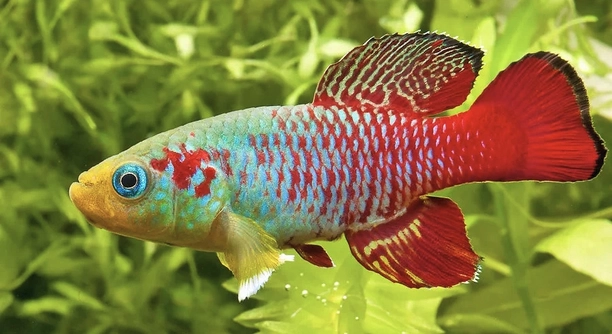
Killis are small, colorful fish often kept in home aquariums. Sometimes, these peaceful creatures suddenly start fighting, which can be concerning for any keeper. Understanding what causes this behavior is important for their care and well-being.
If killis begin to fight suddenly, immediate action is needed to prevent injury. This includes separating aggressive individuals, checking tank conditions such as water quality and space, and adjusting environmental factors to reduce stress and territorial disputes.
Knowing how to handle these situations ensures your killis stay healthy and safe in their environment. This article will guide you through effective steps to manage unexpected fighting.
Understanding Why Killis Start Fighting
Killis may suddenly become aggressive due to several reasons. One common cause is limited space in the aquarium, which increases territorial behavior. When their environment feels crowded, they are more likely to defend their area aggressively. Another factor is the lack of hiding spots or decorations where fish can retreat. Stress from poor water quality or sudden changes in temperature can also trigger fighting. Additionally, introducing new killis or mixing incompatible species can lead to conflicts. Killis have different temperaments depending on their species, and some are naturally more aggressive. Observing their behavior closely can help identify triggers. Making adjustments such as increasing tank size or adding plants can reduce aggression and restore peace. Proper maintenance of the aquarium environment plays a crucial role in keeping killis calm and healthy.
Keeping the tank clean and providing enough space often prevents fights from starting. Simple changes can make a big difference in their behavior.
Stress and space issues are the most common reasons for killis to fight. Regular monitoring and environmental improvements are essential for peaceful coexistence. Adjusting tank conditions can help your killis live more harmoniously.
How to Safely Separate Fighting Killis
When killis start fighting, the first step is to separate the aggressive fish immediately to avoid injury. Using a temporary tank or a divider within the main aquarium can provide a quick solution. Make sure the separated fish have enough space to reduce stress. Observe both groups to assess their behavior and health during separation. It’s important to keep water conditions stable in both tanks, maintaining proper temperature, filtration, and oxygen levels. Avoid sudden changes during this process, as this can worsen stress and aggression.
Separating fighting killis quickly reduces harm and allows time to identify underlying causes.
To safely separate fighting killis, prepare a temporary holding area with similar water conditions to the main tank. Use a clear divider or a separate tank to isolate the aggressive individuals. Monitor their behavior closely to decide when reintroduction is possible. During separation, check water parameters and clean the tanks regularly to keep stress levels low. Adding plants or hiding places in both tanks can help fish feel secure. After some time, if the fish show calmer behavior, gradually reintroduce them while watching for signs of renewed aggression. If fighting continues, permanent separation may be necessary to protect all fish. Taking these steps ensures their safety and supports long-term peaceful aquarium life.
Adjusting Tank Conditions to Reduce Aggression
Maintaining proper water quality is essential for reducing aggression in killis. Poor water conditions increase stress, which often leads to fighting. Regular water changes and testing are necessary.
Keep water temperature stable within the species’ preferred range, usually between 72°F and 78°F. Sudden temperature shifts cause stress, leading to aggressive behavior. Check ammonia, nitrite, and nitrate levels frequently to ensure the water remains clean and safe. Adding plants or decorations provides hiding spots and breaks up sightlines, helping reduce territorial disputes. Proper filtration keeps the environment healthy and oxygenated. Avoid overcrowding, as too many fish in a small tank increase tension and fighting. These adjustments create a calmer environment where killis can thrive peacefully.
Improving water quality and tank setup directly affects killis’ behavior. Small changes in maintenance and decoration can greatly reduce their aggression and stress levels.
Recognizing Species-Specific Behavior
Different killis species display varying levels of aggression, so knowing their specific behavior helps manage conflicts better. Some species are naturally more territorial and less tolerant of tank mates.
For example, species like Nothobranchius can be quite aggressive and require larger tanks with plenty of hiding places. Others, such as Aphyosemion, are generally peaceful but may show occasional territorial behavior. Researching the specific species you keep helps tailor the aquarium setup and social grouping. Mixing incompatible species or sexes may lead to more frequent fights. Separating species known for high aggression or providing enough space prevents constant conflict. Understanding these differences aids in creating a balanced community tank where killis coexist without stress.
Species-specific knowledge is key to preventing fights. Adapting care based on the killis you have makes a peaceful environment achievable.
Providing Hiding Places and Territory Boundaries
Hiding places help killis feel secure and reduce fights. Plants, rocks, and decorations create safe spots where fish can retreat. These also break lines of sight, minimizing territorial disputes.
Territory boundaries are important to prevent constant fighting. Dividing the tank visually with plants or objects helps fish respect each other’s space, lowering aggression.
Feeding Practices to Avoid Aggression
Overfeeding or uneven feeding can cause killis to compete aggressively. Feed small amounts several times a day rather than one large meal. Distribute food evenly across the tank to reduce competition. Use sinking pellets or frozen foods to cater to different feeding habits. Proper feeding helps maintain calm and prevents fights over food.
Monitoring Behavior Regularly
Regularly watching your killis allows you to spot early signs of aggression or stress. Early detection lets you intervene before fights escalate, ensuring a peaceful tank environment.
When to Consult a Specialist
If aggression persists despite all efforts, consulting an aquarium specialist or experienced breeder can provide tailored advice. Some behaviors may require expert solutions to ensure fish health and safety.
FAQ
Why do killis suddenly start fighting?
Killis can start fighting suddenly due to stress, overcrowding, or changes in their environment. Lack of hiding places and poor water quality also increase aggression. Sometimes, introducing new fish or mixing incompatible species triggers territorial disputes. Addressing these factors helps prevent fights and keeps killis calmer.
How can I stop killis from fighting immediately?
Separate aggressive fish using a divider or temporary tank to avoid injuries. Make sure both tanks have stable water conditions to reduce stress. Observe their behavior closely and avoid sudden changes. After some time, if they calm down, you may try reintroducing them gradually while monitoring.
Is it normal for killis to be aggressive?
Some killis species are naturally territorial and display aggression, especially males during breeding. However, consistent or severe fighting is not normal and usually signals stress or poor tank conditions. Providing enough space and hiding spots can reduce natural aggression.
Can tank size affect killis aggression?
Yes, small tanks increase territorial conflicts as killis feel cramped. A larger tank with adequate space allows them to establish their territories without constant confrontation. Overcrowding should be avoided to maintain peace.
What water conditions help reduce killis fighting?
Stable temperature, clean water, and balanced pH are key. Regular water changes and good filtration keep the environment healthy. Avoid sudden temperature shifts or high ammonia levels, as these cause stress and provoke aggression.
How many killis should I keep together?
It depends on the species and tank size. Generally, avoid overcrowding and keep a ratio that reduces male competition, like one male with multiple females. Research the species’ social behavior to plan properly.
Do hiding places really reduce fighting?
Yes, hiding places break up sightlines and give killis spots to retreat. This reduces territorial disputes by allowing fish to avoid direct confrontation. Plants, rocks, and decorations work well.
Can diet influence killis behavior?
Poor feeding habits can increase competition and aggression. Feeding small amounts multiple times a day, distributing food evenly, and providing varied diets help keep killis calm and healthy.
What should I do if aggression continues after separating fish?
If fighting persists, permanent separation may be needed. Consult an expert to evaluate species compatibility or tank setup. Sometimes, certain killis simply cannot be housed together safely.
Are there signs killis are stressed before fighting?
Signs include hiding excessively, rapid breathing, loss of color, or erratic swimming. Noticing these early allows for changes in care to prevent fights before they start.
Can adding plants calm aggressive killis?
Yes, plants create natural barriers and shelter, helping to reduce tension. Floating plants can also soften lighting, which lowers stress for killis.
How often should I test my tank water?
Test water parameters weekly or after any major change. Keeping ammonia and nitrite at zero and nitrates low is essential for fish health and reducing aggression caused by stress.
Is it better to keep killis in species-only tanks?
Species-only tanks can reduce fighting caused by incompatible tank mates. However, proper space, hiding places, and social groupings are still necessary to prevent aggression within the species.
What are the risks of ignoring killis fighting?
Ignoring fights can lead to injuries, stress, weakened immune systems, and even death. Early intervention improves their health and quality of life.
How long does it take for killis to stop fighting after changes?
It varies but usually takes a few days to weeks. Patience is important while monitoring behavior and maintaining ideal tank conditions to see improvement.
Final Thoughts
Keeping killis can be very rewarding, but sudden fighting can cause worry. Understanding why these fish fight is important for anyone who cares for them. Often, fights start because of stress, overcrowding, or changes in their environment. Killis are sensitive to their surroundings, so even small problems like poor water quality or lack of hiding places can trigger aggression. Knowing how to recognize these signs early can prevent serious injuries and help maintain a peaceful tank. Proper care involves paying close attention to tank conditions and the behavior of your fish.
Taking steps to reduce fighting is usually straightforward. Separating aggressive individuals quickly is one of the most effective ways to protect the fish. Making sure the tank is clean, the water quality is stable, and there is enough space are also key factors. Adding decorations and plants creates hiding spots that help reduce territorial disputes. Feeding killis properly, with small, even portions, supports calm behavior and lowers competition. Each of these adjustments contributes to a healthier, less stressful environment. By consistently managing these factors, many common causes of fighting can be avoided.
It is also important to remember that different killis species have different temperaments. Some are naturally more territorial, while others are more peaceful. Knowing the species you keep allows you to create a suitable tank environment and social grouping. If problems continue despite your best efforts, seeking advice from an experienced aquarist or specialist can be very helpful. Overall, maintaining a stable and comfortable environment is the best way to support your killis’ health and happiness. With patience and attention, most fighting issues can be resolved, leading to a peaceful and enjoyable aquarium.

Hello,
If you enjoy the content that we create, please consider saying a "Thank You!" by leaving a tip.
Every little bit helps us continue crafting quality advice that supports the health, happiness, and well-being of pets around the world, for pets of all shapes, sizes, and species.
We really appreciate the kindness and support that you show us!