
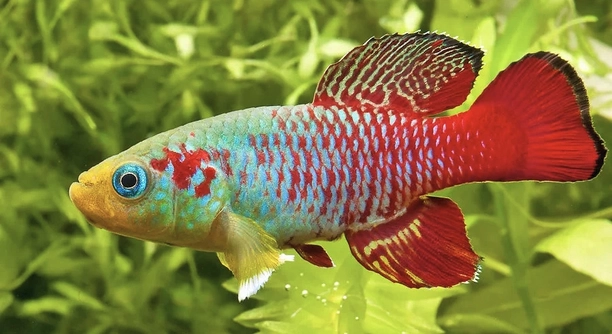
Killis are small, colorful fish often kept by hobbyists who enjoy unique aquatic pets. Many wonder if these delicate fish can live outdoors in barrels safely throughout the year. Understanding their needs is key to providing a healthy environment.
Killifish can be kept in outdoor barrels under certain conditions, such as stable temperatures and clean water. Proper care involves monitoring water quality and protecting them from extreme weather to ensure their survival and well-being in outdoor setups.
Keeping killis outdoors requires attention to detail and seasonal changes. This article will explain how to create the right environment and care routine for these fascinating fish.
Understanding Killifish and Their Habitat
Killifish are small freshwater fish that often come from tropical or subtropical regions. They usually live in shallow waters like ponds, marshes, or temporary pools. These environments tend to have stable conditions, such as warm temperatures and clean, oxygen-rich water. When keeping killifish in outdoor barrels, replicating these conditions is essential. If the water gets too cold or dirty, killis can become stressed or sick. They are hardy but still sensitive to drastic changes in their environment. Many killifish species also prefer planted areas or places with hiding spots, which help them feel secure. Using natural plants or artificial shelters inside the barrel can improve their living conditions. Regular water changes and monitoring pH levels also keep the water healthy. This way, killis can thrive in outdoor barrels during warmer months, but special care is needed during colder seasons to protect them.
Maintaining water temperature and cleanliness is crucial for keeping killis outdoors.
Outdoor barrels provide a flexible option for housing killifish, especially in mild climates. They allow for a natural environment and easier maintenance compared to indoor tanks. However, these setups require close attention to weather and water conditions. Barrels must be placed in shaded or partially shaded areas to avoid overheating. Using rainwater or filtered water is recommended to keep the water free from harmful chemicals. Seasonal changes are a challenge, as killis cannot tolerate freezing temperatures. In winter, bringing the fish indoors or providing insulation to barrels can help protect them. Overall, outdoor barrels can be a practical home for killifish, but they demand commitment to monitoring and care.
Seasonal Care for Killifish in Barrels
Keeping killis in outdoor barrels means adjusting care with the seasons.
In spring and summer, water temperatures are usually suitable, but regular cleaning and water changes are necessary to prevent buildup of waste and algae. Killifish benefit from a well-aerated environment, so adding an air pump can help keep oxygen levels stable. During fall, watch for dropping temperatures and prepare to move the fish indoors if needed. Winter is the hardest time; most killis cannot survive freezing or near-freezing water. Bringing the fish inside to a heated tank or setting up a temperature-controlled environment will ensure their safety. Some hardy species tolerate cooler temperatures better, but it’s best to research your specific killifish type before deciding. Planning ahead for seasonal changes is essential to keeping killis healthy year-round in outdoor barrels.
Setting Up the Outdoor Barrel
Choosing the right barrel is important. It should be clean, sturdy, and large enough to hold stable water conditions. A barrel with a capacity of at least 20 gallons works well for a small group of killifish.
Before adding water, rinse the barrel thoroughly to remove any residues. Avoid using barrels that previously stored chemicals or harmful substances. Fill it with rainwater or dechlorinated tap water to create a safe environment. Adding some aquatic plants or gravel at the bottom provides hiding spots and helps balance the water. It also mimics the killifish’s natural habitat, making them feel more secure. Finally, monitor water temperature and quality regularly to keep the setup healthy.
Placing the barrel in a shaded spot is essential to avoid overheating. Avoid direct sunlight during the hottest parts of the day, which can raise the water temperature and harm the fish. Partial shade also helps prevent excessive algae growth, which can deplete oxygen levels. Using a simple cover or netting can protect the fish from predators like birds or cats, especially if the barrel is outdoors.
Feeding Killifish in Outdoor Barrels
Killifish require a varied diet to stay healthy. Providing a mix of live, frozen, and high-quality flake or pellet foods meets their nutritional needs.
Feeding small amounts once or twice a day is best, as overfeeding can pollute the water quickly. Live foods like brine shrimp or daphnia encourage natural hunting behavior and are highly nutritious. Frozen foods can be a convenient alternative but should be thawed before feeding. Regular feeding supports growth and vibrant colors, but always remove uneaten food to keep the water clean. In outdoor barrels, monitoring feeding habits helps prevent waste buildup and maintains water quality.
Water Quality Management
Regular water testing is vital to keep killifish healthy. Check pH, ammonia, nitrite, and nitrate levels often.
Perform partial water changes weekly to maintain clean water and remove toxins. This helps prevent stress and illness in the fish.
Protecting Killifish from Predators
Covering the barrel with a mesh or net keeps birds and other predators away. This simple step reduces risk without blocking airflow or sunlight.
Temperature Control in Outdoor Barrels
Maintaining stable water temperature is critical for killifish survival. Use shade and insulation to protect against heat and cold. Sudden changes can cause stress or death, so watch the weather and adjust care accordingly.
Breeding Killifish in Barrels
Breeding killifish outdoors requires careful attention to water quality and environment. Providing spawning mops or plants encourages egg-laying. Removing eggs or fry to a separate tank improves survival rates and allows better monitoring of young fish.
FAQ
Can killifish survive freezing temperatures in outdoor barrels?
Killifish are generally tropical or subtropical fish and do not tolerate freezing temperatures well. When water temperature drops near or below 50°F (10°C), their metabolism slows, and prolonged exposure can be fatal. If you live in a colder climate, it’s best to bring them indoors or provide a heated environment during winter months. Some hardy species may survive cooler water for short periods, but freezing conditions will almost always harm or kill the fish.
How often should I change the water in an outdoor barrel?
Performing a partial water change of about 20-30% once a week is ideal. This helps remove waste, toxins, and excess nutrients that can build up quickly in a closed system like a barrel. Avoid changing all the water at once, as sudden shifts in water chemistry can stress the killifish. Regular partial changes keep the environment stable and reduce algae growth.
What kind of plants work best in outdoor barrels for killifish?
Floating plants like duckweed or water lettuce are great because they provide shade and help reduce algae by limiting sunlight. Submerged plants like Java moss or hornwort offer hiding spots and improve water quality by absorbing nitrates. Plants should be hardy and able to survive temperature changes in your area.
Can I use tap water directly in the barrel?
Tap water often contains chlorine or chloramines, which are harmful to fish. Always treat tap water with a water conditioner before adding it to the barrel. Using rainwater or filtered water is also a good option. Regularly testing water parameters helps ensure a safe environment for your killifish.
What should I feed my killifish if live food is not available?
If live food like brine shrimp or daphnia isn’t accessible, high-quality frozen or freeze-dried options are good alternatives. Flake or pellet foods formulated for small carnivorous fish can also work, but they should not be the sole diet. A varied diet helps maintain vibrant colors and good health.
How can I tell if my killifish is stressed or sick?
Signs of stress include faded colors, lethargy, loss of appetite, or erratic swimming. Physical symptoms might include clamped fins, white spots, or damaged scales. Regular observation helps catch issues early. Maintaining clean water and stable conditions prevents most common health problems.
Is it necessary to aerate the water in an outdoor barrel?
Aeration is beneficial, especially in warm weather when oxygen levels can drop. A simple air pump or fountain helps keep the water oxygenated, which supports the fish’s breathing and overall health. Still water can quickly become low in oxygen, stressing killifish.
How many killifish can I keep in one barrel?
A good rule of thumb is one gallon of water per inch of fish. For a 20-gallon barrel, about 10-15 killifish is reasonable depending on species size. Avoid overcrowding, as it can lead to poor water quality and increased stress or aggression among fish.
What are common predators of outdoor killifish?
Birds, such as herons or kingfishers, are the most common predators. Cats, raccoons, and even larger fish if barrels are connected to ponds can also pose threats. Using a mesh cover and placing barrels in sheltered locations help reduce these risks.
Can killifish live with other fish in outdoor barrels?
Killifish vary in temperament, but many species can coexist with small, peaceful fish. Avoid aggressive or much larger fish that may bully or eat killifish. Mixing species also increases bioload, so water quality management becomes more challenging. Research your killifish species and tank mates carefully before combining them.
Keeping killifish in outdoor barrels can be a rewarding experience if done with care. These small, colorful fish add life and movement to any outdoor water setup. However, their health and safety depend on maintaining stable water conditions, clean environments, and proper care throughout the year. It is important to understand that killifish come from warm, tropical regions, so cold weather can be harmful to them. For those living in areas with colder winters, bringing the fish indoors or providing temperature control is necessary to keep them safe.
Outdoor barrels offer a natural and convenient space for killifish to live, but they require regular attention. Monitoring water quality by testing pH, ammonia, and other parameters helps prevent problems before they start. Routine partial water changes are needed to keep the water fresh and reduce harmful waste buildup. Adding aquatic plants can improve the environment by providing hiding spots and helping balance water chemistry. Shade is also important to avoid overheating, which can stress the fish and encourage excessive algae growth. A simple cover or mesh can protect killifish from predators like birds and cats.
Feeding killifish a balanced diet supports their growth and bright colors. Offering live or frozen foods, along with quality flakes or pellets, meets their nutritional needs. Overfeeding should be avoided to keep the water clean and prevent health issues. Overall, keeping killifish in outdoor barrels is possible and can be enjoyable if you prepare the space well and adjust care as the seasons change. Paying attention to water temperature, cleanliness, and protection from predators will help these fish thrive in an outdoor setting.

Hello,
If you enjoy the content that we create, please consider saying a "Thank You!" by leaving a tip.
Every little bit helps us continue crafting quality advice that supports the health, happiness, and well-being of pets around the world, for pets of all shapes, sizes, and species.
We really appreciate the kindness and support that you show us!