
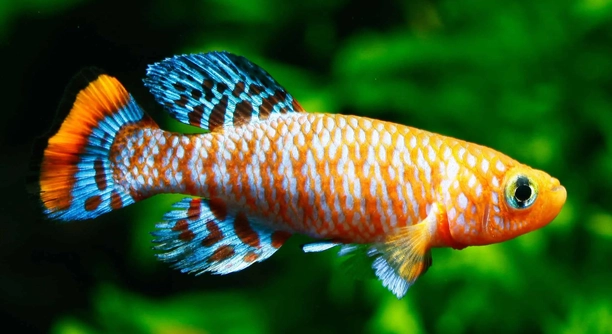
Breeding killifish, often called killis, can be a rewarding experience for aquarium enthusiasts. These colorful fish are popular among hobbyists for their vibrant patterns and interesting behaviors. Many wonder if it is possible to breed them successfully in community tanks alongside other fish.
Breeding killis in community tanks is challenging but not impossible. Successful breeding depends on tank conditions, compatible tank mates, and providing proper spawning sites. Often, separating killis into species-specific tanks increases the chances of successful reproduction and fry survival.
Understanding the conditions and challenges of breeding killis in community tanks can help hobbyists make informed decisions about their aquarium setups. The following information will guide you through the essentials of killifish breeding in mixed environments.
Challenges of Breeding Killis in Community Tanks
Breeding killifish in community tanks faces several challenges. Killis often require specific water conditions, such as slightly acidic pH and soft water, which may not match the needs of other tank inhabitants. Many community fish can eat killifish eggs or fry, reducing breeding success. Additionally, killis sometimes display territorial or aggressive behavior during spawning, which can stress both the killis and other fish. Finding the right balance between peaceful tank mates and suitable breeding conditions is essential. Providing dense plants or spawning mops helps protect eggs, but overcrowding or incompatible species can still interfere. Monitoring water quality and temperature is crucial because killis tend to breed best in stable, optimal environments. Community tanks with active, larger fish often increase the risk of predation on eggs and fry, making it difficult for killis to reproduce successfully without extra care. Overall, the presence of other species demands more effort to maintain conditions that support killifish breeding.
Careful tank management and selecting compatible species can improve breeding chances while minimizing stress for killis and their tank mates.
Creating a community tank with killis means carefully choosing species that coexist peacefully. Smaller, non-aggressive fish like small tetras or rasboras often work well because they do not prey on eggs or fry. Dense plants or spawning mops provide hiding spots, helping protect eggs. Avoiding larger or aggressive species reduces risks to young killifish. It is important to observe behavior closely, as killis may show increased aggression when breeding. Some keepers find success by setting up separate breeding tanks, then introducing fry back into the community after they grow larger. Maintaining ideal water parameters—like stable temperature and soft water—also supports breeding success. Though challenging, with proper planning, killis can coexist and reproduce in community tanks.
Selecting Tank Mates for Killifish Breeding
Choosing the right tank mates is essential for killifish to breed well. Peaceful species that do not target eggs or fry work best.
Tank mates must be small, calm, and non-aggressive to avoid disturbing killifish during spawning. Species like small danios, peaceful tetras, or certain shrimp can coexist without harming killifish eggs or fry. Avoiding larger fish, cichlids, or aggressive species is important because they may eat the eggs or stress killis. The tank should offer plenty of hiding places, such as plants or decorations, to help fry find shelter. Monitoring interactions between species helps prevent unexpected aggression. It may also be helpful to separate fry until they grow large enough to avoid predation. Selecting compatible species allows killifish to breed with less risk, improving overall success in community setups. With the right choices, killifish can thrive and reproduce alongside other peaceful fish.
Providing Suitable Spawning Conditions
Killifish need specific spawning conditions to breed successfully. This includes soft, slightly acidic water and plenty of hiding places like plants or spawning mops.
Creating an environment that mimics their natural habitat encourages spawning. Killis often lay eggs on plants or in substrate. Using peat moss or spawning mops provides ideal surfaces for egg deposition. Maintaining stable water parameters, such as temperature around 72-78°F, supports egg development. Frequent water changes with soft water can also improve conditions.
Lighting should be moderate, as too much light stresses killifish. Providing gentle water flow avoids disturbing eggs and fry. These details may seem small but greatly influence breeding success. By replicating natural conditions closely, killifish are more likely to spawn even in a community tank setting.
Monitoring and Caring for Fry
Killifish fry are vulnerable and require special care for survival. They need clean water, stable conditions, and safe hiding spots.
Feeding fry small live foods, like baby brine shrimp or microworms, supports healthy growth. Fry are sensitive to water quality changes, so frequent water changes and gentle filtration are necessary. In community tanks, fry risk being eaten by other fish, so plants or dense vegetation provide important shelter. Some keepers transfer fry to separate tanks until they grow larger, reducing predation risk. Observing fry behavior and growth helps determine if conditions are suitable. Proper care during this stage greatly increases the chances that killifish will mature and continue breeding in the tank.
Common Killifish Breeding Mistakes
One common mistake is not providing proper water conditions. Killifish need soft, slightly acidic water to breed well.
Another error is keeping aggressive or large fish with killis, which can stress them and eat eggs or fry.
Importance of Separate Breeding Tanks
Using a separate breeding tank often improves killifish breeding success. It allows full control over water parameters and protection of eggs and fry. Without other fish present, stress is reduced, and survival rates increase. This controlled environment makes it easier to manage feeding and monitor the health of both adults and fry. Breeding tanks can be small but should include hiding places and spawning sites. After fry reach a safer size, they can be reintroduced to the community tank. This method is widely recommended for hobbyists aiming for consistent breeding results.
Tank Setup Tips for Killifish
Keep the tank well-planted with fine-leaved plants or spawning mops to encourage egg laying.
Feeding Killifish During Breeding
Provide live or frozen foods like daphnia, bloodworms, and brine shrimp to improve breeding condition.
What is the best water condition for breeding killifish in community tanks?
Killifish prefer soft, slightly acidic water with a pH around 6.0 to 7.0 and low hardness. Maintaining stable temperature between 72°F and 78°F is also important. Frequent water changes using soft, clean water help keep conditions ideal. In community tanks, matching these parameters for all species can be challenging but is necessary for successful breeding.
Can killifish breed successfully with other fish in the same tank?
They can, but it is difficult. Killifish eggs and fry are vulnerable to predation by most community tank fish. Aggressive or larger fish may stress killifish, reducing their willingness to spawn. Success depends on careful species selection, good hiding spots, and suitable water conditions. Many keepers still prefer separate breeding tanks for better control.
How do I protect killifish eggs and fry in a community tank?
Providing dense plants, spawning mops, or peat moss allows eggs and fry to hide from other fish. Using slow filtration and gentle water flow prevents eggs from being disturbed. Some hobbyists separate fry into nursery tanks until they are large enough to avoid predation. Observing tank dynamics closely helps prevent losses.
What are the signs that killifish are ready to breed?
Males often display brighter colors and more active behavior during breeding readiness. Females appear fuller when carrying eggs. Increased chasing or courtship behavior is common. Spawning usually happens early in the day. Recognizing these signs helps time interventions, such as adding spawning mops or preparing fry protection.
Is it necessary to use a separate tank for breeding killifish?
While not strictly necessary, separate breeding tanks increase success. They allow controlled water conditions and protection from predators. It also reduces stress on breeding pairs. Once fry are large enough, they can be introduced back to the community tank. This approach is common for hobbyists aiming for higher fry survival rates.
How often should I feed killifish during breeding?
Feeding high-quality live or frozen foods twice a day supports breeding condition. Foods like daphnia, bloodworms, and brine shrimp provide essential nutrients. Avoid overfeeding to maintain water quality. A varied diet improves health and encourages spawning.
Can killifish spawn on artificial spawning mops?
Yes, spawning mops are effective and widely used. They mimic natural plant surfaces for egg deposition. Mops are easy to clean and move between tanks if needed. Regular replacement or rinsing prevents fungal growth on eggs. Using mops simplifies egg collection and monitoring.
What temperature range encourages killifish spawning?
Most killifish spawn best between 72°F and 78°F. Maintaining stable temperature is critical, as fluctuations can cause stress and reduce breeding success. Use a reliable heater and thermometer to keep conditions steady.
How long does it take for killifish eggs to hatch?
Egg incubation time varies by species but generally ranges from 7 to 21 days. Warmer water speeds up hatching but can reduce egg viability if too hot. Cooler water slows development. Monitoring eggs daily helps detect any issues early.
What should I do if killifish fry are being eaten in the community tank?
Consider adding more hiding places or transferring fry to a separate nursery tank. Dense plants and floating vegetation offer shelter. If predation persists, removing aggressive tank mates or lowering their numbers may be necessary. Protecting fry during their most vulnerable days is key to success.
How do I care for killifish fry after hatching?
Feed newly hatched fry with tiny live foods like baby brine shrimp or microworms. Keep water clean with gentle filtration and frequent changes. Avoid strong currents and provide shelter. As fry grow, gradually introduce finely crushed flakes or pellets. Proper care during this stage ensures healthy development.
Are all killifish species suitable for community tanks?
No. Some species are more aggressive or have special water needs. Annual killifish often prefer separate breeding setups. Non-annual species with peaceful behavior are better community candidates. Researching the specific killifish species helps determine if they fit well in a mixed aquarium.
Can stress from community tank mates prevent killifish from breeding?
Yes, stress from aggressive or overly active fish can inhibit spawning. Killifish may hide more and show less courtship behavior. Ensuring peaceful tank mates and sufficient hiding spots reduces stress. Stress management is essential for breeding success.
Is it possible to breed killifish without live foods?
Live foods improve breeding condition but are not absolutely required. High-quality frozen foods can also work. Some killifish may spawn on a varied diet of frozen bloodworms, daphnia, and brine shrimp. However, live foods typically yield better results.
What role does lighting play in killifish breeding?
Moderate lighting encourages natural behavior without causing stress. Too bright light may deter spawning or cause hiding. Providing a regular day-night cycle supports breeding rhythms. Using floating plants can diffuse light and create shaded areas.
How often should I clean a community tank during killifish breeding?
Regular partial water changes, about 20-30% weekly, maintain water quality without stressing fish. Avoid deep substrate cleaning during spawning to protect eggs. Gentle cleaning supports healthy conditions while preserving delicate breeding sites.
These FAQs address common concerns and practical tips for breeding killifish in community tanks. Following these guidelines helps improve chances for successful spawning and fry survival.
Breeding killifish in community tanks requires careful planning and attention to detail. These fish have specific needs that may not always align with other tank inhabitants. Factors such as water conditions, tank mates, and spawning sites all play important roles in determining breeding success. While it is possible to breed killis in a mixed environment, it is not always the easiest or most reliable method. Many keepers find better results by providing separate breeding tanks, where conditions can be closely controlled and eggs or fry are protected from potential predators. Still, with the right setup and patience, breeding killifish in community tanks can be rewarding.
It is important to understand that killifish breeding success depends heavily on the tank’s environment. Soft, slightly acidic water and stable temperature create ideal conditions. Additionally, choosing peaceful, compatible tank mates minimizes stress on the breeding pairs and reduces the chance of eggs or fry being eaten. Providing plenty of hiding places such as plants, spawning mops, or moss ensures eggs and fry have shelter. Careful observation and regular maintenance of water quality are also necessary. These factors work together to support killifish reproduction in community tanks, but any weak link can make breeding difficult.
Ultimately, breeding killifish in community tanks takes effort and careful management. Success is not guaranteed, but understanding the species’ needs and the challenges involved helps improve outcomes. Many hobbyists choose to use separate breeding tanks to increase fry survival and reduce stress on adult fish. However, if you prefer a community setup, maintaining ideal water parameters, selecting compatible species, and providing adequate protection for eggs and fry are essential. With patience and proper care, breeding killifish can become a fulfilling part of maintaining a community aquarium.

Hello,
If you enjoy the content that we create, please consider saying a "Thank You!" by leaving a tip.
Every little bit helps us continue crafting quality advice that supports the health, happiness, and well-being of pets around the world, for pets of all shapes, sizes, and species.
We really appreciate the kindness and support that you show us!