
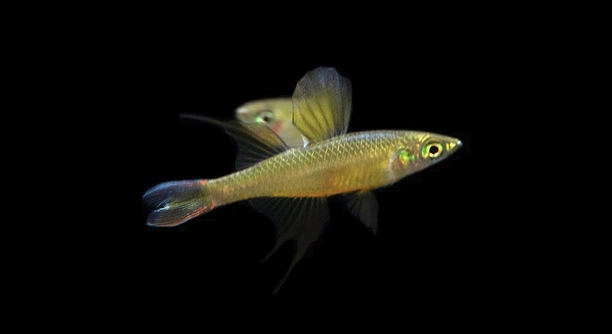
Threadfin rainbowfish are vibrant and active additions to freshwater aquariums, admired for their shimmering colors and graceful swimming patterns. Observing one suddenly stop moving can be unsettling, leaving owners unsure how to respond.
If a threadfin rainbowfish stops moving, it is often a sign of stress, illness, or poor water conditions. Immediate action involves checking water quality parameters, temperature, oxygen levels, and inspecting the fish for visible signs of disease or injury.
Understanding these early warning signs is crucial for maintaining your fish’s health and ensuring a stable, thriving aquarium environment for all its inhabitants.
Identifying Signs of Stress in Threadfin Rainbowfish
Threadfin rainbowfish may show subtle signs when they are stressed or unwell. Common indicators include reduced swimming, clamped fins, rapid gill movement, or loss of appetite. Sometimes, they may isolate themselves at the bottom of the tank or hide behind decorations. Color fading can also signal distress. Environmental changes, sudden temperature shifts, poor water quality, or overcrowding often trigger stress. Observing your fish regularly helps catch these signs early before serious health issues develop. Additionally, introducing new fish too quickly or changing water parameters abruptly can create stress. Noticing small behavioral changes allows for timely adjustments in care. Stress management involves ensuring stable water conditions, maintaining a balanced diet, and providing hiding spaces. Paying attention to these signals is essential for keeping threadfin rainbowfish active and healthy, reducing the risk of illness. Monitoring water parameters consistently ensures your fish can thrive in a calm, stable environment.
Regular observation prevents minor issues from becoming major health problems.
Even subtle signs, like pale colors or slight lethargy, can indicate the need for immediate attention. Small adjustments in diet, tank conditions, and environmental stability often restore vitality. Consistent care, gradual changes, and attentive monitoring are key to maintaining their health.
Correcting Water Conditions
Maintaining ideal water conditions is essential for a healthy aquarium.
Ensuring proper pH, temperature, and oxygen levels keeps threadfin rainbowfish active and reduces stress. Poor water quality can quickly lead to illness and lethargy, so consistent checks are crucial.
Water parameters significantly impact threadfin rainbowfish health. They thrive in slightly alkaline water with stable temperature ranges between 24°C and 28°C. Ammonia, nitrite, and nitrate levels should remain minimal, as fluctuations can cause rapid stress. Regular water changes, appropriate filtration, and aeration help maintain a balanced environment. Observing the fish’s behavior can indicate if adjustments are necessary. Overfeeding can also affect water quality, leading to elevated toxins that compromise health. Gradual adjustments in water parameters prevent additional stress. Providing plants and hiding spots offers a secure environment, reducing the fish’s anxiety. Correcting water conditions promptly supports recovery and prevents long-term health issues, ensuring your threadfin rainbowfish remain active, colorful, and resilient. Regular maintenance is a simple yet effective way to safeguard their well-being and promote natural behavior.
Checking for Illness or Injury
Physical injuries or signs of illness can explain sudden inactivity. Look for torn fins, white spots, or unusual growths on the body. These signs often indicate bacterial, fungal, or parasitic infections that require immediate attention.
Illnesses in threadfin rainbowfish often manifest subtly at first. White spots may signal ich, while fuzzy patches could indicate fungal infections. Red streaks or sores can point to bacterial problems. Observing changes in swimming patterns, appetite, or gill movement can help identify the problem early. Early detection allows for prompt treatment with appropriate medications or isolation in a quarantine tank. Regular monitoring reduces the risk of serious outbreaks and improves recovery chances. Maintaining clean water and balanced nutrition supports their immune system, preventing frequent health issues.
Injuries can occur from tank decor or aggressive tank mates. Minor wounds may heal naturally in a stable, clean environment. Severe injuries or persistent illness should be treated with medication or separated in a quarantine setup. Avoid overcrowding and sharp objects in the tank to reduce accidents. Monitoring for recurring signs ensures ongoing health. Proper care, including water maintenance, diet, and attentive observation, supports recovery. Recovery time varies based on the severity of the illness or injury, but consistent care and treatment improve outcomes significantly.
Adjusting Diet and Feeding Habits
Providing a proper diet can restore energy and improve health in lethargic fish. Avoid overfeeding, as excess food can pollute the tank and stress the fish.
Threadfin rainbowfish benefit from a varied diet of high-quality flakes, frozen, and live foods. Feeding small amounts two to three times daily helps maintain consistent energy levels and reduces waste buildup. Introducing new food gradually prevents digestive upset and encourages natural foraging behavior. Nutrient-rich foods strengthen the immune system, helping the fish resist illness. Observing feeding response can indicate health status; lethargic or disinterested fish may need dietary adjustments. Supplements, like vitamins or spirulina, can enhance vitality. A balanced diet combined with clean water and proper tank conditions promotes recovery, supports vibrant coloration, and ensures active swimming. Adjusting feeding schedules and food types carefully prevents additional stress, supporting overall well-being and long-term health of threadfin rainbowfish.
Reducing Stress Factors
Minimizing stress helps inactive fish regain normal behavior. Keep the tank quiet, avoid sudden movements, and limit changes to decorations or lighting.
Overcrowding or aggressive tank mates can increase stress. Separating fish when necessary and providing hiding spots reduces anxiety, allowing the threadfin rainbowfish to recover energy.
Improving Oxygen Levels
Proper oxygenation is essential for active swimming and overall health. Use aeration devices like air stones or filters with strong surface agitation. Monitor water surface movement to ensure sufficient oxygen exchange, especially in warm or heavily stocked tanks.
Monitoring Behavior Closely
Watch for changes in swimming patterns, appetite, and interaction with other fish. These behaviors indicate recovery or ongoing health concerns, guiding further adjustments in care.
FAQ
What should I do if my threadfin rainbowfish stops moving suddenly?
First, check the water quality. Measure temperature, pH, ammonia, nitrite, and nitrate levels. Make sure the water is stable and within the recommended ranges. Observe the fish for signs of illness, such as white spots, clamped fins, or unusual swimming patterns. Providing a calm, quiet environment and limiting handling helps reduce stress. If any illness is suspected, isolate the fish in a quarantine tank and treat it with the appropriate medication. Correcting environmental issues and addressing health concerns promptly can restore activity and prevent long-term damage.
Can poor water conditions cause lethargy in threadfin rainbowfish?
Yes, water conditions play a major role in their activity levels. High ammonia, nitrite, or nitrate levels can stress the fish and lead to lethargy. Temperature fluctuations or low oxygen levels can also cause inactivity. Regular water testing and maintenance prevent these problems. Aeration, filtration, and timely water changes are essential. Even slight changes in pH or hardness can impact behavior, so gradual adjustments are preferable. Ensuring the tank is clean, stable, and well-oxygenated supports normal swimming patterns and reduces the risk of illness caused by environmental stressors.
How do I know if my fish is sick or injured?
Signs of illness include faded color, clamped fins, white spots, red streaks, or sores. Injuries may appear as torn fins or scratches. Lethargy, loss of appetite, and unusual swimming patterns are additional indicators. Early detection improves treatment success. Quarantining affected fish prevents spread of infection. Observe closely for changes in behavior or physical appearance. Combining observation with proper water maintenance and a healthy diet can reduce risks. Persistent symptoms or worsening conditions require targeted treatments, including antibiotics, antifungal medication, or antiparasitic solutions depending on the diagnosis.
How can I improve oxygen levels in the aquarium?
Oxygen is crucial for threadfin rainbowfish health. Use air stones, sponge filters, or power filters that agitate the water surface. Avoid overcrowding and ensure proper water circulation. Warm water holds less oxygen, so monitor temperature carefully. Regular water changes also improve oxygen levels. Positioning decor to allow free movement and preventing debris buildup enhances gas exchange. Proper oxygenation helps active swimming, normal feeding, and overall immunity. Checking dissolved oxygen with test kits can identify low levels early, allowing corrective measures to maintain a healthy and lively aquarium environment.
Is diet important for inactive threadfin rainbowfish?
Yes, diet directly affects energy levels and overall health. Provide a varied diet of high-quality flakes, frozen, and live foods. Avoid overfeeding to prevent water contamination and digestive issues. Supplements like spirulina or vitamins can boost vitality. Feeding small amounts multiple times a day encourages natural foraging behavior. Nutrient-rich food supports immune function, helping the fish resist illness and recover from stress. Observing feeding responses indicates health status; disinterest in food often signals underlying problems. Consistent, balanced nutrition combined with clean water maintains activity and vibrant coloration.
Can stress cause my fish to stop moving?
Stress is a common reason for inactivity. Factors include overcrowding, aggressive tank mates, sudden changes in water conditions, and excessive noise. Providing hiding spots and maintaining a stable environment reduces stress. Gradual adjustments in lighting, decorations, and temperature help fish adapt. Monitoring behavior allows early detection of stress-related problems. A calm, consistent environment encourages normal swimming and feeding. Minimizing stress, combined with proper diet and clean water, ensures overall health and reduces the likelihood of lethargy or illness in threadfin rainbowfish.
When should I seek professional help for my fish?
If inactivity persists despite correcting water conditions, diet, and stress factors, it may indicate a serious illness. Consult an aquatic veterinarian or experienced aquarist. Severe symptoms like prolonged lethargy, bloating, sores, or unusual growths require professional diagnosis. Prompt guidance ensures appropriate treatment and prevents further complications. Regular monitoring and detailed notes on behavior, feeding, and water conditions help professionals provide accurate advice. Early intervention increases the chances of recovery and long-term health. Waiting too long can result in permanent damage or death, making timely professional consultation essential.
Can environmental enrichment help my fish recover?
Yes, providing plants, hiding spots, and gentle water flow can reduce stress and encourage activity. Threadfin rainbowfish feel secure when they have spaces to explore and hide. Avoid overcrowding and maintain consistent lighting cycles. Environmental enrichment supports natural behaviors, boosts confidence, and improves overall well-being. Adjust decor gradually to prevent additional stress. A comfortable, enriched habitat encourages swimming, exploration, and feeding, which are all indicators of recovery. Proper enrichment, combined with clean water and a balanced diet, creates an environment where the fish can regain vitality and maintain long-term health.
How often should I monitor my aquarium to prevent problems?
Daily observation is recommended. Watch for changes in swimming, feeding, and physical appearance. Test water parameters weekly or more often if issues arise. Early detection of stress, illness, or environmental imbalances allows prompt corrective action. Maintaining consistent routines for feeding, water changes, and temperature checks minimizes risks. Keeping a log of behavior and water parameters helps identify patterns and prevent future problems. Regular monitoring ensures threadfin rainbowfish remain active, healthy, and colorful. It also allows for timely adjustments to diet, oxygenation, or tank setup, reducing the likelihood of inactivity or disease.
Can quarantining new fish prevent inactivity in my established fish?
Quarantining new fish prevents the introduction of diseases or parasites that can stress or infect existing fish. Isolate new arrivals for at least two weeks while monitoring for illness. Treat any detected conditions before introducing them to the main tank. Quarantine reduces risk of infection spreading, which can cause lethargy in established fish. This process ensures a stable environment for your threadfin rainbowfish, maintaining normal activity levels and supporting overall health. Consistent quarantine practices, along with proper tank maintenance, are key to preventing unexpected inactivity and promoting a thriving aquarium.
This FAQ section provides practical solutions and preventative steps to address inactivity in threadfin rainbowfish, helping maintain a healthy and active aquarium.
Word count: 507
Final Thoughts
Caring for threadfin rainbowfish requires consistent attention to their environment, diet, and behavior. These fish are naturally active and sensitive to changes in their surroundings. Even small shifts in water temperature, pH, or oxygen levels can affect their activity. Observing their daily behavior is essential to detect early signs of stress or illness. Lethargy or inactivity should never be ignored, as it often signals an underlying problem that could worsen if left unaddressed. By maintaining stable water conditions, providing clean filtration, and monitoring chemical levels regularly, you create a supportive environment where your fish can thrive. Regular water changes and gentle cleaning routines also help maintain optimal conditions, reducing stress and promoting natural behavior. Attention to these details ensures that threadfin rainbowfish remain active, healthy, and display their full coloration, which is a sign of overall well-being.
Diet is equally important for their health and vitality. Threadfin rainbowfish require a varied and balanced diet to meet their nutritional needs. High-quality flakes, frozen foods, and live options provide essential nutrients that support growth, immune function, and energy levels. Overfeeding should be avoided, as excess food can deteriorate water quality and contribute to stress. Feeding small portions multiple times per day allows fish to digest properly and encourages natural foraging behaviors. Occasionally supplementing their diet with vitamins or spirulina can help boost energy and color vibrancy. Observing how the fish respond to different foods can provide insight into their health. Disinterest in food often indicates stress, poor water conditions, or illness, signaling that adjustments are needed. Maintaining a consistent feeding routine while monitoring water quality ensures that the fish remain active, resilient, and healthy over time.
Stress management is another key factor in keeping threadfin rainbowfish active. Factors such as overcrowding, aggressive tank mates, sudden changes in lighting, and environmental disturbances can cause stress and result in inactivity. Providing hiding spaces, plants, and gentle water flow allows fish to feel secure and explore their environment safely. Gradual adjustments in tank setup or water parameters help prevent shock and maintain stability. Monitoring interactions between tank mates and separating aggressive fish if necessary reduces anxiety. Consistent observation and care, combined with proper diet and water maintenance, form a complete approach to keeping threadfin rainbowfish healthy. By addressing stressors, ensuring clean water, and providing balanced nutrition, owners can support the long-term well-being of their fish, helping them remain active, vibrant, and thriving in their aquatic environment.
Word count: 414

Hello,
If you enjoy the content that we create, please consider saying a "Thank You!" by leaving a tip.
Every little bit helps us continue crafting quality advice that supports the health, happiness, and well-being of pets around the world, for pets of all shapes, sizes, and species.
We really appreciate the kindness and support that you show us!