
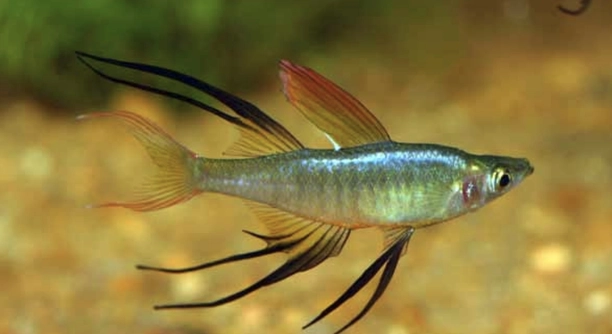
Do you ever notice your Threadfin Rainbowfish swimming in patterns that seem almost choreographed? Watching them can be strangely calming, yet there is always a subtle shift in how they move when they sense an observer nearby.
Threadfin Rainbowfish exhibit minor behavioral changes when watched, often becoming more cautious and altering swimming patterns. These changes include tighter group formations, slower movements, and reduced exploratory behavior, indicating a natural response to perceived attention or potential threats in their environment.
Observing these subtle shifts can reveal more about their instincts and social habits than casual observation alone might suggest. Understanding their behavior helps improve care and tank management for these lively fish.
How Watching Affects Their Swimming Patterns
Threadfin Rainbowfish often respond to movement outside their tank by subtly changing how they swim. I’ve noticed that when I sit nearby, they tend to form tighter groups, moving in a more synchronized way than usual. Their usual leisurely zigzag patterns become slightly more cautious, and they often stick closer to the middle of the tank rather than exploring edges. Even small gestures, like tapping on the glass or standing near the tank, seem to influence their speed and direction. While the changes are not drastic, they are consistent enough to be noticeable over time. It feels like they are aware of being observed, adjusting their behavior in ways that suggest instinctual vigilance. For someone who spends time caring for them, these patterns become easier to predict and understand. Observing without disturbing helps maintain their normal activity while still allowing you to learn from their reactions.
Watching them closely can help you notice these subtle shifts in movement and behavior.
Understanding these swimming adjustments is important because it reflects their comfort level and stress. Fish that alter their swimming often are reacting to environmental cues, which can include light, noise, or human presence. Recognizing these signals allows tank owners to create a more stable environment. Adjusting feeding schedules, tank placement, or lighting based on their observed behavior can reduce stress. Over time, this attentiveness builds a stronger sense of connection with the fish, making care routines smoother. Observing how they regroup or slow down when noticed is a small but meaningful way to monitor their well-being. These responses are part of their natural instincts, showing that even fish have ways to manage perceived attention or threats. Being mindful of these behaviors ensures that the aquarium remains a safe and comfortable habitat. It also provides a chance to learn more about their social dynamics, helping you anticipate reactions to other changes within the tank.
Social Behavior in Groups
Threadfin Rainbowfish interact in ways that become more noticeable when observed closely. They often huddle or mirror each other’s movements.
Group dynamics shift based on how the fish perceive attention. When they are aware of an observer, dominant individuals may take the lead more often, while others follow closely, reducing random swimming or sudden movements. This makes their social hierarchy clearer. Sometimes, subtle signals like fin flicks or body tilts are more frequent, which are part of their communication patterns. Observing these interactions over days shows a rhythm to their social behavior that is usually hidden when they feel unobserved. Understanding this can improve how tanks are arranged, ensuring each fish has space while maintaining healthy group interaction. Paying attention to these behaviors can also help detect early signs of stress or illness, as changes in interaction often precede other symptoms. Adjusting the environment to support natural behaviors enhances their well-being and keeps the aquarium balanced. It also allows for a calmer, more predictable atmosphere, reducing unnecessary tension among the fish.
Stress Responses
Threadfin Rainbowfish show small signs of stress when they feel observed. These include quick darting, hiding near plants, or staying near the tank bottom. Recognizing these signals helps maintain a calm environment.
Stress behaviors can be subtle. I’ve noticed that even slight movements outside the tank, like walking past or shifting in a chair, make them tighten their group and reduce exploratory swimming. Their fins may flatten, and they sometimes pause abruptly before moving again. Over time, watching closely without disturbing them allows me to anticipate these reactions and avoid causing unnecessary tension. It’s clear that they rely on instincts to assess safety, and human presence can trigger cautious responses even in familiar surroundings.
Monitoring stress is essential for healthy care. Consistently noticing these reactions helps adjust lighting, feeding times, or tank placement to minimize triggers. Small adjustments, like gentle movements and maintaining a quiet area near the tank, can greatly reduce stress. Ensuring the environment feels secure supports natural behavior, improving overall well-being. Additionally, understanding stress patterns can help identify early signs of illness, since stressed fish may become more vulnerable to disease. Observing without interfering teaches patience and awareness, allowing a more harmonious relationship with the fish.
Feeding Behavior
Threadfin Rainbowfish often react faster to feeding when someone is watching, showing anticipation and more competitive swimming. Their movements become sharper and more focused.
They respond to feeding cues differently when observed. I’ve noticed that they swim toward the feeding area quicker, sometimes bumping each other gently while trying to reach the food. Their group formation becomes tighter, and dominant fish assert themselves more, showing clear leadership during feeding. Watching this pattern repeatedly has taught me the subtle ways they communicate hunger and assert hierarchy. Even small hand gestures can speed up their approach, which suggests they associate movement with feeding time. These reactions are consistent across multiple tanks, making observation a useful tool to understand and manage feeding dynamics.
Paying attention to how they feed under observation helps in adjusting portions and timing. Overfeeding or uneven distribution can be prevented by watching group behavior, ensuring all fish get adequate food. Recognizing which individuals dominate allows for slight adjustments, like placing food in multiple spots. Feeding observation also reveals energy levels, as lethargic fish stand out immediately. Tracking these patterns improves overall tank management and helps maintain balance within the group, supporting healthier, more predictable feeding routines while minimizing stress during mealtime.
Reaction to Movement
Threadfin Rainbowfish often respond immediately to movement outside the tank. Even subtle gestures can cause them to swim faster or cluster together, showing heightened alertness.
When I move near the tank, they sometimes pause mid-swim, scanning the area before resuming. This response is a natural instinct to stay safe while in an open environment.
Light Sensitivity
They react noticeably to changes in lighting. Sudden bright lights make them seek shaded areas or swim closer to plants, while dim lighting encourages more relaxed, exploratory swimming.
Light levels influence activity and comfort. I’ve observed that consistent, gentle lighting helps them maintain normal swimming patterns. Abrupt light changes, even from a nearby lamp, can trigger hiding or tighter group formations. Maintaining stable lighting routines reduces stress and supports predictable behavior. Over time, these adjustments have made daily observation easier and more rewarding, allowing a better understanding of their natural rhythms and preferences.
Interaction with Reflections
Reflections in the glass can confuse or excite Threadfin Rainbowfish. They sometimes swim toward their own reflection, mistaking it for another fish, which can increase activity temporarily.
Noise Sensitivity
Loud sounds or vibrations often cause sudden darting or brief freezes. They are highly responsive to environmental noise, which can influence swimming and group behavior.
How do Threadfin Rainbowfish behave when they are being watched?
Threadfin Rainbowfish often show subtle changes when observed. They tend to swim in tighter groups, move more cautiously, and sometimes pause mid-swim to assess their surroundings. I’ve noticed that even small movements near the tank, like walking past or shifting a chair, can trigger these behaviors. Their fins may flatten slightly, and dominant fish may take the lead in the group. These changes are natural and reflect their instinct to stay alert. Over time, paying attention without disturbing them helps maintain normal behavior while allowing observation of their social interactions.
Do these fish get stressed when watched?
Yes, Threadfin Rainbowfish can experience mild stress if they feel constantly observed. Signs include darting quickly to plants, staying at the tank bottom, or reducing exploratory swimming. I have seen them freeze briefly, then slowly resume movement once they feel safe. Stress is not harmful in short bursts, but repeated triggers can affect health. Keeping the area calm, minimizing sudden gestures, and avoiding tapping on the glass helps reduce tension. Monitoring these stress signals also allows for better tank management and ensures the fish remain comfortable while maintaining natural behaviors.
Does watching affect their feeding habits?
Threadfin Rainbowfish often respond faster and more competitively when someone is nearby. They swim toward food quicker and sometimes jostle each other lightly. I’ve observed that dominant fish take the lead, while others follow closely, showing their hierarchy. Small hand movements near the tank can also signal feeding, which speeds up their approach. Observing feeding helps me notice which fish are less assertive and ensures everyone receives adequate food. Adjusting placement or portion sizes based on these patterns can prevent overfeeding and maintain group harmony. Watching without interfering improves understanding of their mealtime behavior.
Are they sensitive to light and reflections?
Yes, they respond strongly to both. Sudden bright lights often make them retreat to shaded areas or near plants, while dim lighting encourages relaxed swimming. Reflections in the glass can confuse them, causing temporary excitement or increased activity as they mistake it for another fish. I noticed that consistent, gentle lighting helps maintain normal behavior and reduces hiding. Monitoring reflections helps avoid unnecessary stress, especially in tanks with highly reflective surfaces. Small adjustments like repositioning lights or covering reflective parts of the tank make a noticeable difference in how calm they remain during observation.
Do noise and vibrations affect their behavior?
Threadfin Rainbowfish are sensitive to sounds and vibrations. Sudden noises can trigger darting, freezes, or tight group formations. I’ve found that even small household sounds like closing doors or dropping objects near the tank can elicit noticeable responses. Keeping the environment quiet and stable reduces stress and allows more natural movement. Observing them during these moments helps understand how external factors influence behavior and informs adjustments to tank placement, equipment, and daily routines.
How long should you watch them without disturbing them?
Short observation periods work best. I usually watch for ten to fifteen minutes at a time to study swimming patterns, social interactions, or feeding behavior. Extended presence or repeated gestures can increase stress, so intermittent observation is ideal. Gradually, the fish may become accustomed to human presence, allowing longer periods without significant behavioral changes. Balancing attention and space ensures they remain healthy and comfortable while providing meaningful insights into their natural instincts and interactions.
Can watching help detect health issues early?
Absolutely. Observing subtle changes in swimming, feeding, or social behavior can reveal stress, illness, or injury before visible symptoms appear. I’ve noticed that slower movement, reduced appetite, or frequent hiding often signals a potential problem. Regular monitoring allows adjustments in water quality, diet, or tank setup to address issues promptly. Watching without disturbing them provides clearer insights, as stressed fish may hide or alter behavior, making early detection more challenging if observation is inconsistent or intrusive. Consistent observation is an effective tool for maintaining long-term health.
Do they ever ignore human presence completely?
Yes, some Threadfin Rainbowfish eventually adapt to being watched. Over time, they may resume normal swimming, feeding, and social behaviors despite nearby movement. I’ve seen fish that initially froze or darted gradually become indifferent to my presence. This adaptation depends on consistent, calm observation without sudden gestures. Patience is key, and gradual familiarity allows them to maintain natural behavior while still providing opportunities to observe their patterns, social hierarchy, and overall well-being.
Threadfin Rainbowfish are fascinating to observe because they show small but meaningful reactions to their environment. Over time, I’ve noticed that even subtle movements near the tank can change how they swim, feed, and interact with each other. These behaviors are not extreme, but they are consistent enough to notice. They often tighten their groups, move cautiously, or pause to assess their surroundings. It’s clear that these fish are aware of potential changes in their environment, and their instincts guide their responses. Observing without disturbing them is key to understanding these patterns. I’ve found that sitting quietly, keeping movements slow, and minimizing noise helps the fish maintain normal behavior while still allowing for close observation. This makes it easier to notice their natural swimming patterns, social dynamics, and reactions to feeding or changes in lighting.
Watching Threadfin Rainbowfish also provides insight into their social behavior. When observed, dominant individuals often take the lead, while others follow closely. This hierarchical behavior is more noticeable when someone is nearby because the group becomes tighter and movements are more synchronized. Over time, I’ve been able to identify which fish are more assertive and which are more passive. Paying attention to these details can help manage feeding more effectively, ensuring that all fish get adequate food and that no one is left out. Light and reflections, as well as noise, play a significant role in how they behave. Sudden bright lights or loud sounds can trigger hiding or quick movements, while consistent lighting and a quiet environment help maintain calm, normal behavior. Understanding these factors allows for better tank management and improves the overall well-being of the fish.
Finally, observing these subtle behaviors can also help with monitoring health and stress. Fish that are stressed may hide more, reduce movement, or act differently during feeding. Over time, I’ve learned that early detection of these changes can prevent bigger problems, like illness or chronic stress. Adjusting the environment, including lighting, feeding methods, and tank placement, can make a noticeable difference. Consistent, calm observation allows the fish to get used to human presence, reducing stress and letting their natural behavior show more clearly. These experiences make caring for Threadfin Rainbowfish both rewarding and informative. Watching them helps maintain a healthy, balanced tank and provides a better understanding of their needs, instincts, and social patterns, which is important for their long-term care and happiness.

Hello,
If you enjoy the content that we create, please consider saying a "Thank You!" by leaving a tip.
Every little bit helps us continue crafting quality advice that supports the health, happiness, and well-being of pets around the world, for pets of all shapes, sizes, and species.
We really appreciate the kindness and support that you show us!