
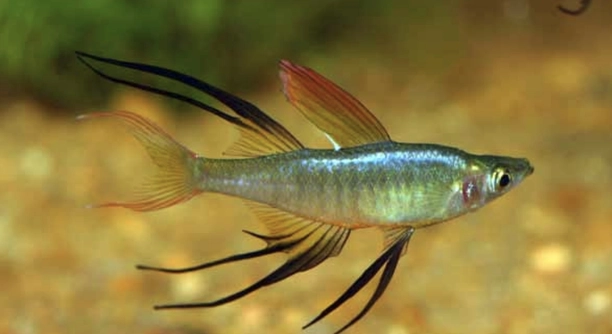
Do your threadfins seem more active than usual, leaving you wondering if they might be preparing for something special in their tank?
Threadfins show clear breeding signs through changes in behavior, appearance, and interactions. Recognizing these patterns helps aquarists prepare the right conditions, ensuring successful spawning and healthier offspring in a controlled aquatic environment.
Learning these signals makes it easier to support their natural cycle and create the perfect conditions for breeding success in your aquarium.
Increased Activity Levels
When threadfins are preparing to breed, their energy often increases noticeably. You may see them darting around the tank with more frequency, showing greater interest in their surroundings, and even chasing one another in playful bursts. These movements aren’t random; they reflect natural instincts kicking in. Males especially tend to display stronger bursts of activity, often circling or nudging the females to grab their attention. Observing these changes is one of the earliest ways to tell that breeding might be on the horizon. Providing ample space in the tank allows them to express these behaviors more freely and safely.
This shift in activity is usually accompanied by heightened alertness, making them appear more focused and aware of their environment.
Encouraging healthy activity involves maintaining good water quality and offering balanced nutrition. These factors not only support breeding behavior but also ensure your threadfins remain strong and capable throughout the spawning process.
Brighter Coloration
Threadfins often display brighter, more intense colors when they are ready to breed. This vibrant appearance is a visual cue that signals maturity and readiness to potential mates.
During this time, males especially take on more striking hues as a way of attracting females. Their fins may shimmer under light, and subtle changes in body tones can become much more noticeable. This coloration is not simply decorative—it’s a sign of health and reproductive vitality. A well-fed male in a clean, stable tank will display these enhancements more vividly, giving him an advantage in courtship. Females may also show subtle shifts, though less pronounced than males. Supporting this stage involves providing nutrient-rich foods like live or frozen options that help enhance color vibrancy naturally. By keeping conditions steady and avoiding sudden changes in water parameters, aquarists can help threadfins maintain these vivid appearances. Strong coloration paired with increased activity often marks the beginning of successful breeding.
Courtship Displays
Threadfins ready to breed often show distinct courtship behaviors. Males may spread their fins wide, shimmer under the light, and position themselves directly in front of females, performing short, deliberate movements to gain attention.
These displays usually involve quick but controlled bursts of swimming, often accompanied by circling and gentle nudging. The male’s goal is to prove his strength and readiness, while also encouraging the female to respond. In a tank with multiple males, you may notice competition, with each one trying to outshine the other through brighter coloration and stronger fin displays. This natural behavior is not aggressive but purposeful, signaling breeding readiness clearly. Providing plants or hiding spaces gives females the option to retreat when they need a break from constant attention.
Successful courtship often leads to synchronized movements, where both male and female swim closely together. This harmony shows mutual readiness and strengthens their pairing before spawning begins.
Nesting Behavior
When breeding is close, males begin choosing or defending a small territory, often near plants or fine structures within the aquarium. This spot becomes their focal area where courtship and eventual spawning will take place.
In this phase, males may spend long periods hovering near their chosen site, occasionally rearranging fine plants or inspecting surfaces carefully. Their protective behavior grows stronger, and they might chase away other fish that come too close. Females, once interested, will begin to linger around the site, observing the male’s efforts. Aquarists can encourage this stage by providing leafy plants, fine-leaved structures, or spawning mops, which give threadfins an ideal surface for egg-laying. Consistent tank conditions are important, as sudden disturbances may disrupt this delicate process. A balanced environment with minimal stress supports the pair in reaching the final stage, where spawning occurs naturally in the safe, prepared area.
Female Readiness
Females preparing to spawn often appear fuller in the belly as eggs develop. This physical change is one of the clearest signs, making them look slightly rounder than usual, especially when viewed from above.
Alongside this, females may start showing more interest in males’ displays, responding by staying nearby or swimming alongside them. Their calmer, receptive behavior contrasts with the males’ more energetic actions, creating a balance that signals breeding is near.
Pair Bonding
As readiness increases, males and females begin spending more time together. They often swim side by side, matching pace and movements in a synchronized way. This visible bond shows trust and mutual readiness, making spawning more likely to occur successfully in the prepared environment.
Protective Instincts
Once breeding behavior progresses, males often show protective instincts. They may guard certain areas more firmly, keeping other fish at a distance. This territorial behavior ensures a safe, stable environment where spawning can occur without disruption from tankmates.
FAQ
How can I tell if my threadfins are showing breeding behavior?
Threadfins preparing to breed display brighter colors, higher energy levels, and distinct courtship movements. Males often flare their fins, swim more actively, and focus attention on females. Females become rounder as eggs develop and may respond positively by staying near males. Together, these signs indicate clear readiness.
Do threadfins need special water conditions to breed?
Yes, stable water conditions are very important. Threadfins thrive when water is clean, slightly acidic to neutral, and kept at a stable temperature between 75°F and 82°F. Gentle filtration is also helpful, as it reduces stress while keeping the environment calm. Consistency encourages natural breeding activity.
What foods help prepare threadfins for breeding?
Live and frozen foods like daphnia, brine shrimp, and bloodworms are ideal. These high-protein options enhance color, strengthen the immune system, and support egg production. Balanced flake or pellet food can be given alongside, but live or frozen choices stimulate breeding instincts more effectively. Variety is key.
Do I need a separate breeding tank?
A separate breeding tank is not always necessary, but it makes the process safer. In a dedicated space, males and females can interact without competition or disruption from other fish. It also makes it easier to monitor their behavior and protect eggs after spawning.
How do I protect threadfin eggs?
Threadfin eggs are delicate and often scattered among plants or spawning mops. Adults sometimes eat the eggs, so removing them after spawning can help. Alternatively, provide plenty of fine plants where eggs can fall out of reach. Keeping the water clean ensures better survival rates.
When should I separate the adults from the eggs?
It’s best to remove adults shortly after spawning. Threadfins do not provide parental care, and leaving them in the tank increases the risk of eggs being eaten. Once adults are removed, eggs have a better chance of hatching undisturbed in stable water conditions.
How long does it take for threadfin eggs to hatch?
Under stable conditions, threadfin eggs usually hatch within 24 to 36 hours. Temperature and water quality play a role in timing. Once hatched, fry are tiny and delicate, needing infusoria or specially prepared fry foods until they grow large enough for baby brine shrimp.
What is the best way to feed threadfin fry?
Newly hatched fry need microscopic foods like infusoria, which can be cultured at home. As they grow, baby brine shrimp or finely powdered fry food works well. Feeding small amounts several times daily helps them develop steadily without fouling the water. Clean water is essential.
Can threadfins breed regularly in captivity?
Yes, with proper care they can breed frequently. A consistent supply of protein-rich food, steady water quality, and stress-free conditions allow them to spawn multiple times. However, giving females time to recover between spawns prevents exhaustion and keeps them healthy over the long term.
What signs show that spawning is successful?
Successful spawning is confirmed when you spot tiny eggs clinging to plants or substrates. Males may also guard the area briefly before adults are removed. Within a day or two, small fry begin appearing, marking the start of the rearing process in your aquarium.
Final Thoughts
Breeding threadfins can feel rewarding, especially when you begin to notice the clear signs that they are ready. Their brighter colors, active swimming, and courtship behaviors make the process both fascinating and educational. By paying attention to these changes, you can better understand their needs and provide a supportive environment. Simple adjustments like stable water conditions, nutritious foods, and safe breeding spaces allow threadfins to thrive while giving you a closer look into their natural instincts. Observing these delicate stages helps deepen your appreciation for the care they require.
Supporting threadfins through breeding does not need to feel overwhelming when you approach it step by step. Preparing the tank with plants or spawning mops, keeping the water clean, and watching for subtle behavioral shifts are all practical ways to encourage success. Separating adults after spawning and ensuring eggs remain protected are small actions that make a big difference. With careful attention, fry have a better chance of surviving and growing strong. The process also teaches patience, since it takes time for eggs to hatch and for fry to mature enough for more traditional feeding. Consistency and observation are key factors that guide the experience toward positive results.
While breeding brings excitement, it is also important to keep balance in mind. Not every spawning attempt will succeed, and that is a natural part of the process. Maintaining realistic expectations helps reduce frustration and ensures the focus stays on providing proper care rather than achieving instant results. Giving females enough recovery time between spawns, continuing to offer high-quality food, and maintaining calm conditions will keep your threadfins healthy over time. Watching them display their natural behaviors and eventually seeing fry grow in a safe, well-prepared space offers a sense of fulfillment. It is a reminder that even small actions in aquarium care can create lasting rewards, both for you and for the fish. Ultimately, breeding threadfins is not just about producing new life in the tank—it is about creating a healthy environment that supports their natural cycle and allows you to witness it up close in a meaningful way.

Hello,
If you enjoy the content that we create, please consider saying a "Thank You!" by leaving a tip.
Every little bit helps us continue crafting quality advice that supports the health, happiness, and well-being of pets around the world, for pets of all shapes, sizes, and species.
We really appreciate the kindness and support that you show us!