
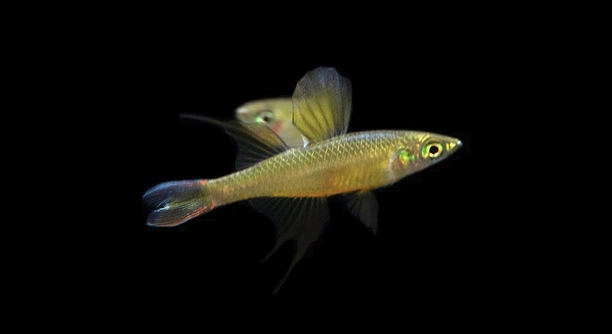
Threadfin rainbowfish are lively and colorful additions to any freshwater aquarium, but sometimes they may suddenly stop moving. Observing this unusual behavior can be alarming, leaving you unsure of how to respond to their inactivity.
If a threadfin rainbowfish stops moving, the first step is to assess water quality, temperature, and oxygen levels. Stress, illness, or poor tank conditions are common causes. Immediate action to correct these factors can help restore the fish’s activity.
Knowing how to recognize and address the underlying issues can make a significant difference in your fish’s recovery and long-term well-being.
Identifying the Signs of Stress in Threadfin Rainbowfish
Threadfin rainbowfish may stop moving due to stress, which can be caused by sudden changes in their environment. Signs include clamped fins, faded colors, or hiding at the bottom of the tank. Observing these behaviors early is important because stress can lead to illness if not addressed. Stress often results from water temperature fluctuations, overcrowding, or sudden loud noises. Even changes in lighting or tank decorations can affect sensitive fish. It’s essential to monitor the fish daily and maintain consistent conditions to minimize stress. Healthy fish are usually active, swim freely, and interact with others in the tank. Adjusting the tank environment gradually helps them adapt better. Small changes like gentle water flow or providing hiding spots can make a big difference. Stress management is a continuous task that ensures your threadfin rainbowfish remain vibrant and active over time.
Regular observation allows you to spot stress before it escalates into more serious problems.
Creating a stable and predictable environment for your rainbowfish can prevent stress-related inactivity. Maintaining proper water parameters, keeping the tank clean, and minimizing sudden changes helps the fish stay healthy. Providing spaces for hiding and avoiding overcrowding ensures they feel safe. Even small adjustments, like lowering noise around the aquarium, can improve their comfort. A calm and stable tank encourages normal activity and healthy behavior.
Water Quality and Its Impact
Water quality is one of the most critical factors for threadfin rainbowfish health. Poor water conditions can quickly lead to illness and inactivity.
Maintaining optimal pH, ammonia, nitrate, and nitrite levels is essential. Regular water testing and partial water changes keep the environment safe for your fish.
Dirty or unbalanced water can stress the fish and weaken their immune system. High ammonia or nitrite levels are toxic and can cause rapid deterioration in health. Ensuring proper filtration and monitoring chemical levels prevents sudden declines. Temperature fluctuations can also affect metabolism and activity, so maintaining a stable, appropriate temperature range is important. Oxygen levels must be adequate, as low oxygen can cause lethargy and difficulty breathing. Even the accumulation of uneaten food or decaying plant matter can degrade water quality. By staying consistent with maintenance routines, you reduce risks that can stop a fish from moving. Healthy, clean water supports natural behavior, proper feeding, and overall vitality, giving your threadfin rainbowfish the best chance to recover if they become inactive.
Common Illnesses Affecting Threadfin Rainbowfish
Parasites and bacterial infections are common reasons a threadfin rainbowfish may stop moving. Early detection is important, as prompt treatment increases recovery chances and prevents spread to other fish in the tank.
Bacterial infections often show as faded colors, frayed fins, or unusual spots on the body. Parasites may cause scratching against decorations or rapid gill movement. Identifying symptoms early allows for targeted treatments, including medicated foods or water treatments. Quarantining affected fish helps prevent contamination of the main tank. Maintaining cleanliness, proper feeding, and stable water conditions lowers the risk of disease.
Fungal infections are less common but can also cause inactivity. White or cottony growths on the body indicate a fungal presence. Treatments include antifungal baths or specialized aquarium medications. Affected fish may need isolation to recover fully. Monitoring behavior, appetite, and appearance daily helps catch issues quickly and improves survival chances for threadfin rainbowfish.
Adjusting Diet and Feeding Practices
Inadequate or improper feeding can lead to lethargy and stopped movement. High-quality, balanced food supports energy levels and immune function.
Overfeeding can pollute the tank, while underfeeding weakens the fish. Feeding small portions multiple times a day helps maintain consistent nutrition. Foods should include a mix of flakes, frozen, and live options suitable for rainbowfish. Avoid sudden diet changes, as these can stress the fish. Feeding at regular times establishes a routine, encouraging activity and exploration.
Supplementing diet with vitamins or occasional protein-rich treats improves vitality. Observing feeding behavior can reveal underlying issues: a fish that refuses food may indicate stress, illness, or water problems. Consistency in diet, portion control, and monitoring ensures that your rainbowfish remain active and healthy. Proper feeding directly affects energy levels, immunity, and overall well-being. Adjustments to diet and careful observation provide a straightforward way to improve activity and prevent prolonged inactivity.
Tank Environment Adjustments
Overcrowding or lack of hiding spots can cause threadfin rainbowfish to stop moving. Ensuring enough space and providing plants or decorations encourages natural behavior and reduces stress.
Strong currents or sudden water flow changes can also overwhelm the fish. Adjusting filters or flow settings helps them feel secure and swim comfortably.
Monitoring Behavior Daily
Regular observation helps detect early signs of illness or stress. Note changes in swimming patterns, appetite, or coloration to act quickly.
Keeping a log of behavior and feeding habits allows you to track progress and identify potential problems before they escalate. Consistency in monitoring supports timely interventions and better overall care.
Using Aquarium Treatments Carefully
Medications and water treatments can help inactive fish recover but must be used precisely. Follow dosage instructions carefully to avoid harming other tank inhabitants.
Proper treatment routines target specific issues while maintaining tank stability. Observing fish during treatment ensures they respond positively and recover effectively.
Maintaining Clean Water
Consistent water changes prevent waste buildup that can stress or harm fish. Regular cleaning supports a healthy tank environment.
FAQ
Why is my threadfin rainbowfish not moving at all?
A lack of movement can result from stress, illness, poor water quality, or sudden environmental changes. Check temperature, oxygen levels, and water chemistry first. Illnesses like bacterial or parasitic infections can also cause inactivity. Observing symptoms such as faded colors, clamped fins, or erratic swimming can help identify the cause.
Can water quality alone make my fish stop moving?
Yes. High ammonia, nitrite, or nitrate levels can be toxic. Low oxygen or improper pH can also weaken the fish. Regular water testing and partial water changes maintain a safe environment. Filtration and aeration adjustments can improve water quality quickly, helping your fish regain activity.
What signs indicate illness versus stress?
Stress often shows as hiding, clamped fins, or color fading, usually caused by environmental changes. Illness may involve abnormal growths, spots, frayed fins, or difficulty breathing. Parasites can make fish scratch against surfaces. Careful observation over a few days helps differentiate stress from disease.
Should I isolate a fish that has stopped moving?
Isolation is recommended if you suspect disease or parasite infection. Quarantining prevents the spread to other tank inhabitants and allows targeted treatment. Use a separate tank with clean water and monitor behavior closely. Provide hiding spots and stable conditions to reduce stress during isolation.
Can diet impact my fish’s activity level?
Absolutely. Poor nutrition can weaken fish, making them lethargic. Provide a balanced diet with flakes, frozen foods, or live options. Avoid overfeeding, which can pollute the tank, and underfeeding, which reduces energy. Observing feeding behavior can reveal underlying issues affecting activity.
Are temperature changes harmful?
Yes. Threadfin rainbowfish are sensitive to rapid temperature fluctuations. Even small changes can stress them and cause inactivity. Maintain a stable range suitable for tropical freshwater fish. Gradual adjustments are safer if you need to change water temperature.
How quickly should I act if my fish stops moving?
Immediate action is important. Start by checking water parameters, oxygen, and temperature. Look for visible signs of disease or injury. Addressing issues quickly improves recovery chances. Delays can worsen stress, weaken immunity, and lead to serious illness.
Can tank decorations or overcrowding affect movement?
Yes. Lack of hiding spots, excessive decorations, or too many fish can stress rainbowfish. Providing adequate space, plants, or caves encourages natural swimming and reduces stress-related inactivity. Monitor tank population and rearrange decorations if fish avoid certain areas.
Is it normal for threadfin rainbowfish to rest at the bottom?
Occasional resting is normal, especially at night or after feeding. Prolonged inactivity, floating sideways, or lying motionless signals a problem. Consistent observation helps determine if it’s rest or a sign of stress, illness, or poor water conditions.
What treatments are safe for inactive fish?
Medications should target the specific problem, such as bacterial, fungal, or parasitic infections. Follow dosage instructions carefully. Maintain clean water during treatment, and monitor fish closely. Overmedicating or using the wrong product can harm both affected and healthy tank mates.
How do I prevent my threadfin rainbowfish from stopping again?
Consistent water quality, proper diet, stable temperature, adequate space, and monitoring behavior daily help prevent inactivity. Avoid sudden environmental changes and provide hiding spots. Maintaining a balanced tank environment reduces stress and keeps fish active and healthy over time.
Can stress cause permanent damage?
Prolonged stress can weaken the immune system, making fish more susceptible to disease. Quick interventions reduce long-term effects. Maintaining stable tank conditions, gentle handling, and proper nutrition minimizes the risk of permanent harm.
How often should I check my rainbowfish?
Daily observation is ideal. Look for changes in swimming patterns, appetite, and coloration. Early detection of problems allows for timely interventions and improves survival and recovery chances.
Are there signs that indicate a fish will recover?
Gradual resumption of normal swimming, eating, and color restoration are positive signs. Increased curiosity, interaction with tank mates, and consistent energy levels indicate recovery. Patience and careful monitoring are essential during this period.
Can poor filtration cause inactivity?
Yes. Inefficient filtration leads to waste buildup, low oxygen, and unstable water parameters. Properly functioning filters maintain clean water and healthy conditions, encouraging normal movement and activity. Adjusting filter flow may also improve comfort for sensitive fish.
What is the safest way to introduce new fish?
Quarantine new fish before introducing them to the main tank. Gradual acclimation to water temperature and chemistry reduces stress and prevents disease spread. Proper introduction protects both existing fish and newcomers.
How important is oxygenation for activity?
Very important. Low oxygen levels make fish lethargic and can be life-threatening. Ensure proper aeration with filters, air stones, or surface agitation. Monitoring dissolved oxygen helps maintain an environment where rainbowfish can swim actively.
Are there environmental cues that help rainbowfish stay active?
Yes. Moderate lighting, gentle water flow, and natural hiding spots encourage normal behavior. Stable routines for feeding and maintenance reduce stress and support consistent activity throughout the day.
Can inactivity be a sign of aging?
Older fish may slow down naturally, but sudden or prolonged inactivity is usually a health or environmental issue. Monitoring behavior and maintaining optimal conditions ensures aging fish remain as active and healthy as possible.
How do I know if inactivity is serious enough for professional help?
If inactivity persists despite optimal water quality, proper diet, and stable conditions, or if physical symptoms appear, consult an aquarium professional or veterinarian. Early intervention improves recovery chances and protects other tank inhabitants.
What preventive measures keep rainbowfish moving regularly?
Consistent feeding, clean water, stable temperature, adequate space, and daily observation are key. Avoid sudden changes, maintain proper filtration, and provide hiding spaces to reduce stress and encourage normal activity. Regular attention ensures long-term health and vitality.
How can I make minor adjustments without stressing the fish?
Introduce changes gradually, such as adjusting water flow, temperature, or decorations slowly over several hours or days. Sudden alterations can trigger stress and cause inactivity. Patience and observation ensure the fish adapt safely.
Can water additives help?
Certain water conditioners or supplements improve water quality and fish health. Use them as directed to avoid overdosing. While not a replacement for proper maintenance, additives can support immune function and recovery in stressed or inactive fish.
Is it normal for rainbowfish to stay still during molting or shedding?
Rainbowfish do not molt like invertebrates, but occasional reduced activity can occur after feeding or minor stress. Persistent stillness usually signals water, health, or environmental issues. Monitor closely to distinguish normal rest from potential problems.
How long can a fish be inactive before it’s dangerous?
Even a few hours of inactivity under poor conditions can be harmful. Prolonged stillness for a day or more usually indicates serious stress, illness, or poor water quality. Immediate intervention is recommended to prevent severe health consequences.
Can inactive fish recover fully?
Yes, if underlying issues are identified and corrected promptly. Stable water conditions, proper diet, isolation if needed, and careful observation significantly improve recovery chances. Patience is crucial, as recovery may take several days to weeks depending on the cause.
Are some rainbowfish more prone to inactivity than others?
Individual sensitivity varies, but threadfin rainbowfish are generally active. Stress, poor diet, illness, or environmental issues are the primary reasons for inactivity rather than inherent traits. Consistent care supports activity across all individuals.
What role does tank lighting play?
Proper lighting encourages regular activity and feeding cycles. Sudden changes or excessively bright lights can stress fish. Gradual transitions and moderate lighting levels help rainbowfish maintain normal swimming behavior.
Can social interactions affect movement?
Yes. Rainbowfish are social and often swim in groups. Isolation or aggressive tank mates can cause stress and reduce movement. Maintaining compatible groups and adequate space encourages natural, active behavior.
Are there seasonal factors affecting activity?
Temperature and daylight duration can influence activity. Stable indoor aquariums mitigate these seasonal variations, ensuring consistent behavior and reducing stress-related inactivity.
Should I adjust feeding if the fish is inactive?
Yes. Offering small, easily digestible portions can help stimulate appetite. Avoid overfeeding, which worsens water quality, and underfeeding, which reduces energy levels. Regular, balanced feeding supports recovery and normal activity.
Can stress from tank maintenance cause inactivity?
Yes. Rough handling, sudden water changes, or frequent disturbances can stress rainbowfish. Performing maintenance calmly and gradually minimizes stress and encourages normal swimming behavior.
Are there long-term habits to prevent inactivity?
Maintaining water quality, balanced diet, stable temperature, proper tank size, and daily observation creates an environment that keeps rainbowfish active. Consistent routines reduce stress and improve overall health.
How do I balance tank aesthetics and fish comfort?
Ensure decorations and plants provide hiding spaces without overcrowding. Adequate open swimming areas are important. A balanced tank layout reduces stress and promotes active behavior.
Is it necessary to have a backup oxygen source?
Having an air stone or secondary aeration system is beneficial, especially during power outages or high-density tanks. Proper oxygenation prevents lethargy and supports overall fish health.
Can minor injuries cause prolonged inactivity?
Yes. Small cuts or fin damage can make fish hide or move less. Isolate and treat injuries promptly, maintain clean water, and provide hiding spots to encourage healing and normal activity.
How does water hardness affect rainbowfish activity?
Threadfin rainbowfish prefer moderately soft to slightly hard water. Extremes in hardness can stress them, reduce movement, and make them more susceptible to illness. Maintaining recommended parameters supports vitality and natural behavior.
What’s the first step if I notice a fish stop moving suddenly?
Check water quality, temperature, and oxygen levels. Observe for signs of disease or injury. Quick assessment and intervention significantly improve recovery chances.
Final Thoughts
Threadfin rainbowfish are delicate and vibrant creatures that require consistent care to thrive. When a fish stops moving, it can be worrying, but understanding the main causes helps in addressing the problem quickly. Poor water quality, stress, improper diet, or illness are the most common factors affecting activity. Observing your fish daily allows you to notice small changes in behavior, color, or swimming patterns, which can indicate that something is wrong. Even minor shifts in the environment, such as changes in temperature, lighting, or tank layout, can impact their activity levels. By keeping a close eye on these details, you give your fish a better chance of staying healthy and active over time. Simple measures like maintaining stable water parameters, providing hiding spaces, and keeping the tank clean can prevent many issues before they develop.
When inactivity occurs, immediate and measured action is crucial. Begin by checking water quality, including pH, ammonia, nitrite, and nitrate levels. Ensure that oxygenation is adequate and the water temperature is within the appropriate range for tropical freshwater fish. If environmental factors are fine, examine your fish for signs of illness, such as unusual spots, frayed fins, or erratic swimming behavior. Parasites, bacterial infections, and fungal growths are treatable if detected early, but delays can worsen the situation. Feeding habits should also be considered, as malnutrition or sudden dietary changes can cause lethargy. Offering a balanced diet with flakes, frozen foods, or live options supports energy and immunity. Sometimes isolating the affected fish for treatment or observation is necessary to prevent further stress or the spread of disease. By following these steps calmly and consistently, recovery is much more likely, and your fish will return to normal behavior sooner.
Preventive care is the key to minimizing inactivity in threadfin rainbowfish. Establishing a routine for daily observation, regular water testing, and proper feeding creates a stable environment that reduces stress and supports overall health. Avoid overcrowding, provide sufficient hiding spaces, and maintain a moderate water flow to encourage natural swimming. Gradual adjustments in lighting, tank layout, or temperature help the fish adapt without stress. Remember that even small improvements in water quality or nutrition can have a significant impact on your fish’s vitality. Consistency is more important than dramatic changes, as sudden shifts often cause more harm than good. By maintaining attention to detail and responding quickly to signs of inactivity, you ensure your rainbowfish remain active, healthy, and vibrant in the tank. These practices not only promote immediate recovery when problems arise but also support long-term well-being, giving your threadfin rainbowfish the best chance for a stable and comfortable environment.

Hello,
If you enjoy the content that we create, please consider saying a "Thank You!" by leaving a tip.
Every little bit helps us continue crafting quality advice that supports the health, happiness, and well-being of pets around the world, for pets of all shapes, sizes, and species.
We really appreciate the kindness and support that you show us!