
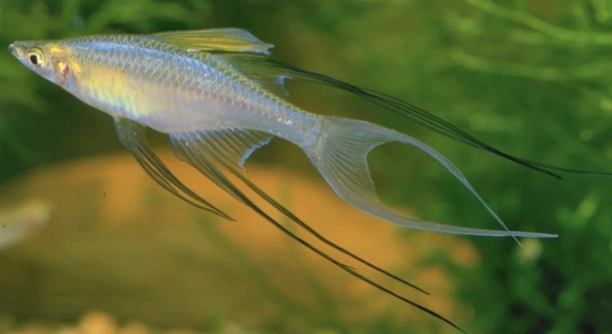
Have you ever noticed how threadfins seem to carry a certain charm in the water, moving gracefully with subtle but deliberate energy that draws attention?
Threadfins exhibit distinct personality traits that set them apart from other fish species. They are known for their social behavior, curiosity, and adaptability, often forming coordinated groups while maintaining a calm and observant nature within their aquatic environments.
Their behavior reveals a quiet intelligence and balance that make them fascinating to observe and understand more closely.
Social and Observant by Nature
Threadfins often display a calm but engaging presence in their environment. They tend to move in small groups, maintaining a natural rhythm with others around them. Their movements are deliberate and graceful, reflecting a gentle confidence that seems to come effortlessly. This social behavior allows them to interact with one another in subtle but meaningful ways, forming a connection that benefits their safety and coordination. Their ability to read their surroundings helps them stay alert, making them aware of even the smallest shifts in the water. Observing them can feel almost meditative, as they glide with purpose and unity, expressing a collective awareness that defines their species.
Threadfins are not aggressive fish. Instead, they prefer harmony within their space, showing interest without intrusion. This balance between curiosity and restraint makes them peaceful yet engaging to watch.
Their gentle presence and tendency to remain alert suggest an intuitive nature. They rely on awareness more than dominance, using calm observation to respond to changes around them. This reflective behavior shows how they maintain order and adaptability without conflict, highlighting their natural intelligence and sensitivity to their environment.
Adaptive and Intelligent Traits
Threadfins adapt well to shifting conditions, whether it’s water temperature, salinity, or flow. Their resilience allows them to maintain comfort where many species might struggle.
They exhibit a strong sense of adjustment that comes from instinct and learned behavior. When faced with environmental changes, threadfins alter their swimming depth or feeding pattern to match the situation. This flexibility helps them survive in both coastal and estuarine waters, where conditions are often unpredictable. Their intelligence is subtle but visible in how they react to movement, light, and the presence of other fish. They observe before acting, making calculated decisions that conserve energy and maintain balance. These actions demonstrate awareness beyond mere instinct. Threadfins also show communication through synchronized movements, a behavior that enhances their protection and coordination. Their ability to adapt without stress reflects a quiet strength, rooted in observation, cooperation, and thoughtful response to their surroundings.
Curious Yet Cautious
Threadfins often balance their curiosity with caution, exploring their surroundings carefully before acting. They approach new objects or movements with quiet interest, showing a blend of boldness and restraint that keeps them safe in unpredictable conditions.
Their curiosity reflects awareness rather than recklessness. They investigate through movement, swimming close enough to observe but rarely taking unnecessary risks. This behavior shows emotional intelligence, a way of measuring safety before engagement. Threadfins often study their environment, noting patterns that help them react efficiently when danger arises. Their cautious curiosity allows them to explore without losing focus, giving them a natural advantage in complex ecosystems.
This balance between curiosity and awareness also strengthens their adaptability. It keeps them from being startled easily while still letting them learn from new experiences. By observing first and responding second, they demonstrate thoughtful decision-making, shaped by experience and a deep instinct for preservation.
Subtle Displays of Confidence
Threadfins move with a quiet confidence that sets them apart. Their steady rhythm and graceful posture reveal a calm assurance that doesn’t rely on dominance but on balance and awareness of their environment.
Their confidence comes through in how they maintain stability even when conditions shift. They don’t panic or scatter easily, instead adjusting with smooth, measured movements that reflect control. This behavior helps them navigate both open waters and dense schooling formations without losing composure. Their consistency is part instinct, part learned behavior—an expression of self-assurance built from survival. In observing them, this composure appears almost elegant, as though every motion carries intent. Their subtle confidence not only defines their presence but reinforces the sense of harmony they bring to their habitat, creating an atmosphere of calm strength and quiet resilience.
Cooperative Behavior
Threadfins thrive in social settings, often moving in synchronized groups that display a strong sense of cooperation. This coordination helps them stay protected, share resources, and maintain balance within their habitat without competition or chaos disrupting their rhythm.
Their teamwork is instinctive and precise. Each fish follows subtle signals from others, creating a collective flow that feels seamless. This communication ensures safety and efficiency, especially during feeding or when avoiding predators. Their cooperation reflects an unspoken understanding built on awareness, timing, and trust among their kind.
Sensitivity to Environment
Threadfins react quickly to environmental changes, adjusting their pace and direction in response to light, temperature, and water movement. Their sensitivity keeps them stable and helps them maintain comfort, no matter how unpredictable their surroundings become.
Grace in Simplicity
Threadfins carry an understated grace that captures attention without effort. Their fluid movements and balanced nature reveal a quiet beauty rooted in simplicity, reflecting harmony and awareness within every measured motion they make.
FAQ
What kind of personality do threadfins usually have?
Threadfins are naturally calm and observant, showing a balance between curiosity and caution. They are social without being aggressive, often moving in coordinated groups. Their intelligence is quiet but noticeable, as they assess their environment before acting and adjust their behavior based on surrounding conditions.
Are threadfins friendly with other fish species?
Threadfins generally coexist peacefully with other non-aggressive species. Their social instincts help them maintain harmony, avoiding conflict while still asserting presence in shared spaces. They often mirror movements of nearby fish, creating a rhythm that keeps interaction smooth and predictable, which reduces tension in mixed-species environments.
How do threadfins communicate?
Threadfins use subtle body language and synchronized swimming to communicate. Changes in speed, direction, or spacing convey information about food, danger, or social signals. These non-verbal cues allow them to maintain group coordination without overt displays of aggression, showing that their intelligence extends to both observation and action.
Do threadfins get stressed easily?
They are sensitive to environmental changes, but their cautious nature helps manage stress. Sudden shifts in water flow, light, or temperature can cause alertness, yet they adapt quickly when able to monitor their surroundings. Their stress response is more about observation and careful adjustment rather than panic.
Can threadfins recognize individual fish?
While not as obvious as in mammals, threadfins show signs of recognizing familiar companions in their group. They respond differently to known versus new fish, maintaining proximity or synchronized patterns with familiar individuals while observing newcomers more cautiously. This selective behavior supports their social cohesion.
Do threadfins show curiosity toward humans?
Yes, they often investigate new objects or movements, including humans, with quiet curiosity. They approach slowly, observing before reacting. This cautious interest allows them to explore without compromising safety, reflecting their combination of intelligence and awareness.
How do threadfins behave in captivity compared to the wild?
In captivity, threadfins maintain much of their natural behavior if the environment mimics natural conditions. They display social coordination, curiosity, and sensitivity, though limited space can sometimes reduce opportunities for synchronized swimming. Proper care and space help retain their calm, observant nature.
Are threadfins territorial?
They are not strongly territorial. Threadfins prefer cooperation over confrontation, relying on group movement for protection rather than defending a fixed area. Their social instincts focus on harmony, reducing aggressive behavior while maintaining presence within shared space.
Do threadfins have learning abilities?
Threadfins exhibit simple learning through observation and repetition. They adjust feeding habits, swimming patterns, and reactions based on experience. This adaptive behavior shows that intelligence is present beyond instinct, allowing them to thrive in varying environments through careful assessment and adjustment.
How long do threadfins usually live?
Lifespan varies with species and environment. In favorable conditions, they can live several years, maintaining their social and adaptive traits throughout. Proper care in captivity or stable conditions in the wild help preserve their health, allowing full expression of their personality traits over time.
Do threadfins form bonds with each other?
Yes, they show group cohesion and preferred companions. Their synchronized movement and social awareness create a sense of connection within the group, enhancing cooperation, safety, and comfort, which can resemble bonding behavior.
What should I know when observing threadfins?
Patience and quiet observation are key. Threadfins respond best to calm, predictable environments and do not react well to sudden disturbances. Noting their patterns, social interactions, and cautious curiosity provides insight into their personality and intelligence, making them rewarding to watch closely.
Are threadfins active during certain times of day?
Their activity often aligns with feeding and environmental conditions. They move in measured patterns throughout the day but show heightened alertness and coordination during feeding periods or when environmental shifts occur, reflecting their adaptive and responsive nature.
How do threadfins respond to threats?
Threadfins rely on observation and group coordination to manage threats. Rather than aggressive confrontation, they adjust spacing, change swimming patterns, and stay alert. Their collective awareness provides protection, showing a strategy based on intelligence and cautious response rather than sheer force.
Do threadfins need special care in aquariums?
Yes, they thrive best in spaces that mimic natural conditions with stable water quality, adequate room for group movement, and compatible tank mates. Proper care ensures they maintain their calm, social, and adaptive behaviors, reflecting their full range of personality traits.
Can threadfins adapt to new environments easily?
They are highly adaptable but rely on observation before fully exploring new surroundings. Their cautious curiosity allows them to assess risks and adjust behaviors, ensuring they remain safe and maintain balance while learning to navigate unfamiliar spaces.
How do threadfins interact with food?
They approach feeding with both curiosity and caution, often exploring before eating. Their social coordination ensures that group feeding is efficient, and they adjust behavior to minimize conflict while maximizing intake. This reflects their intelligence and awareness in practical, everyday actions.
Do threadfins have unique habits?
Yes, subtle movement patterns, synchronized swimming, and quiet investigation of surroundings are distinctive. These habits show intelligence, social awareness, and a balance of curiosity with caution, marking them as observant and responsive inhabitants of their environment.
Are threadfins easy to observe in natural settings?
They can be observed without interference if approached calmly. Their cautious nature allows for prolonged observation, revealing a mix of social behavior, curiosity, and adaptability that highlights their personality traits clearly in both wild and controlled settings.
How important is social structure for threadfins?
Very important. Their coordination and group dynamics enhance safety, feeding efficiency, and environmental awareness. Social structure is central to their personality, demonstrating that their intelligence and adaptability are strengthened by interaction and cooperation within the group.
Threadfins are fascinating creatures that reveal much about how personality can manifest in fish. Observing them closely, one can notice the balance they maintain between curiosity and caution, social behavior and individual awareness, as well as adaptability and consistency. Each threadfin carries a subtle intelligence that guides its interactions, movements, and responses to its environment. Their personality traits are not overt or dramatic, but they are clear in the ways these fish adjust to changing conditions, coordinate with others, and navigate their surroundings. By noticing these small but consistent behaviors, it becomes evident that threadfins possess a quiet yet distinct character that makes them unique among aquatic species.
The social nature of threadfins is one of their most defining features. They often swim in coordinated groups, demonstrating an instinctive understanding of timing, spacing, and movement. This cooperation allows them to stay safe while maintaining balance and order within their environment. Their social intelligence is complemented by a natural sensitivity to changes in their surroundings, whether it is shifts in light, water flow, or the presence of other species. Threadfins demonstrate how observation, caution, and adaptability work together to form a behavioral framework that supports both individual survival and group stability. These traits are subtle, but they highlight the intelligence and awareness threadfins bring to daily interactions, whether in the wild or in captivity. Their combination of calm confidence and reflective behavior provides an example of how even small aquatic species can display intricate personality traits that are worth noting.
Understanding threadfins’ personality traits offers insight into their care, behavior, and interactions. Their curiosity allows them to explore new elements in their environment, yet their caution ensures they avoid unnecessary risks. Their graceful movements and synchronized patterns reveal a sense of composure and quiet confidence that is rare in many fish species. Paying attention to these behaviors can enhance how one observes, interacts with, or cares for threadfins, allowing for a deeper appreciation of their nature. While they are adaptable, social, and intelligent, each fish still retains an individuality that makes observation rewarding and engaging. These traits collectively show that threadfins are not just fish moving in water—they are sentient beings with patterns, preferences, and behaviors that reflect personality in a tangible, observable way. Taking time to notice these details helps provide better care and fosters a greater understanding of their natural instincts and social dynamics. In observing their movements, habits, and interactions, one gains a more complete sense of what makes threadfins such intriguing creatures to watch and study.

Hello,
If you enjoy the content that we create, please consider saying a "Thank You!" by leaving a tip.
Every little bit helps us continue crafting quality advice that supports the health, happiness, and well-being of pets around the world, for pets of all shapes, sizes, and species.
We really appreciate the kindness and support that you show us!