
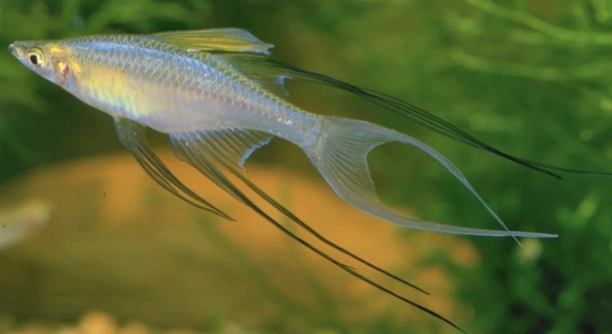
Are your Threadfin Rainbowfish showing signs of shyness or hesitation in their tank? These colorful freshwater fish can sometimes appear timid, making it challenging for them to display their natural behaviors or interact confidently with their environment.
Boosting Threadfin Rainbowfish confidence involves creating a stable and enriched environment, providing proper social interactions, offering consistent feeding routines, and gradually introducing stimuli that encourage natural behaviors. Implementing these strategies supports their overall well-being and promotes healthy, active engagement.
Understanding these steps can help your fish thrive and show off their vibrant colors with more ease and assurance.
Create a Comfortable Tank Environment
A comfortable tank is essential for Threadfin Rainbowfish confidence. Start with a tank that provides enough space for swimming freely and avoids overcrowding. Include plenty of plants, both floating and rooted, to offer hiding spots. Smooth decorations, rocks, and driftwood help replicate their natural habitat, reducing stress and encouraging exploration. Water quality is crucial; maintain stable temperature, pH, and cleanliness to prevent sudden shocks that can make your fish retreat. Lighting should mimic natural cycles, giving periods of brightness and gentle dimming to support normal activity. Avoid strong currents, as they can intimidate timid fish, and place the tank in a quiet area away from constant human traffic. Small adjustments, like adding gentle aeration or rearranging decorations gradually, can make a big difference. Observing your fish daily allows you to notice stress signs early, helping you act before confidence drops. Over time, a thoughtfully arranged tank fosters a safe and stimulating environment.
Maintaining consistent water conditions and a stress-free setup helps your Threadfin Rainbowfish feel secure and more willing to interact naturally.
Slowly adjusting plants and decor encourages exploration while keeping stress low, allowing shy fish to become more active and self-assured over time.
Social Interactions and Companionship
Threadfin Rainbowfish are social and thrive in groups, which boosts their confidence and reduces stress.
Adding compatible tank mates helps shy individuals gain courage, as observing others move and feed encourages them to participate. Start with small, slow introductions and avoid aggressive species. Keeping fish in odd-numbered groups, ideally five or more, reduces territorial disputes and gives shy fish multiple companions to observe. Regular interaction, like approaching the tank calmly during feeding, helps fish recognize non-threatening routines. Ensure each fish has access to food and hiding spots to prevent competition from creating stress. Avoid sudden changes in the group, which can cause insecurity. Pairing social opportunities with a stable environment and structured feeding routines supports confidence development. Watching interactions carefully allows you to step in if any fish display excessive aggression or retreat too often. Properly managed socialization leads to healthier, more active fish that confidently explore their surroundings and engage with tank mates.
A stable, well-monitored group setting is key for shy fish to gradually gain confidence.
Gradual introductions and consistent social structures ensure Threadfin Rainbowfish learn to navigate their environment confidently and interact safely with others.
Gradual Exposure to New Stimuli
Introducing new elements slowly helps Threadfin Rainbowfish build confidence. Sudden changes can stress them, so add decorations, plants, or equipment one piece at a time.
Start by placing new items in the tank’s edges, allowing fish to observe before exploring. Gradually, they will approach and investigate at their own pace. Observe their reactions carefully; signs of hiding or hesitation mean a slower approach is needed. Repeating this process regularly helps fish become more comfortable with change and encourages natural exploration. Over time, this method reduces fear and allows your fish to navigate new environments with assurance, fostering a calm and confident temperament.
By pacing new additions carefully, your fish can learn to engage with their surroundings without stress or sudden fright, supporting their overall well-being.
Consistent observation ensures each introduction strengthens confidence rather than creating setbacks, making them more willing to explore and interact.
Consistent Feeding Routines
Regular feeding schedules make Threadfin Rainbowfish feel secure and confident. Offering food at the same times each day reduces stress and encourages normal activity.
Feed small portions to avoid overfeeding, which can lead to poor water quality and discomfort. Vary the diet with high-quality flakes, pellets, and occasional live or frozen foods to provide enrichment and nutrition. Avoid abrupt changes in diet; introducing new foods slowly ensures acceptance. Watch how each fish reacts and adjusts portions if some remain hesitant. Using a consistent feeding spot helps fish associate a location with safety and nourishment. Over time, predictable routines help shy fish approach more readily during feeding, strengthening trust in their environment and improving overall confidence.
A steady feeding routine combined with dietary variety keeps your fish healthy while promoting active engagement and calm behavior.
Feeding predictability builds trust in the tank environment, encouraging exploration and reducing anxiety in timid individuals.
Provide Hiding Spots
Threadfin Rainbowfish gain confidence when they have places to retreat. Use plants, rocks, and driftwood to create safe corners in the tank.
Hiding spots reduce stress and allow shy fish to observe the environment before exploring. Ensure these areas are easily accessible but do not overcrowd the tank, so swimming space remains ample.
Gentle Water Flow
A gentle water current supports natural behavior and comfort. Avoid strong filters or pumps that can overwhelm timid fish.
Threadfin Rainbowfish prefer calm waters where they can swim freely without struggling against the flow. Moderate flow mimics natural habitats, encouraging exercise while keeping stress low. Adjusting flow gradually helps fish adapt safely, supporting overall confidence and activity levels.
Light Adjustment
Moderate lighting helps Threadfin Rainbowfish feel secure. Avoid overly bright lights that may startle them.
Dimmed or natural light cycles allow fish to explore while maintaining comfort. Adjust lighting slowly to prevent sudden stress and support normal daily activity.
FAQ
How many Threadfin Rainbowfish should I keep together?
Threadfin Rainbowfish are social and feel more confident in groups. Keeping at least five or more allows shy individuals to blend in and observe others. Odd numbers often work best to reduce territorial disputes. Make sure your tank is large enough to accommodate the group comfortably, with sufficient swimming space and hiding spots. Watching interactions closely ensures no fish is being bullied or left out. A well-sized social group encourages activity, natural behaviors, and overall confidence in the tank.
What water conditions are ideal for boosting confidence?
Stable water parameters are key. Threadfin Rainbowfish thrive in a temperature range of 74–80°F, pH between 6.5 and 7.5, and moderate hardness. Regular testing and consistent maintenance prevent sudden changes that can cause stress. Proper filtration and gentle water flow help maintain clarity and oxygenation without overwhelming the fish. Avoid sudden water changes or adding chemicals abruptly. Providing a stable environment reduces fear and promotes confident swimming and feeding behaviors.
How can I encourage shy fish to eat?
Start by offering food in small portions at consistent times. Place food in the same area of the tank so shy fish associate it with safety. Using a variety of high-quality flakes, pellets, or occasional live/frozen foods encourages interest. Avoid overcrowding during feeding to minimize competition. Sometimes pairing feeding with calm human presence helps fish become more comfortable approaching. Gradually, they learn to eat confidently even when others are active around them.
Are decorations and plants important for confidence?
Yes. Hiding spots created by plants, rocks, and driftwood allow timid fish to retreat and observe their surroundings safely. Overcrowding the tank with too many decorations can limit swimming space, so balance hiding places with open areas. Floating plants also provide shaded zones, which can reduce stress. Gradually introducing new decorations helps fish explore without feeling threatened. A well-decorated tank mimics natural habitats, giving shy Threadfin Rainbowfish the confidence to swim, interact, and display natural behaviors.
How does tank size impact confidence?
A larger tank reduces stress by giving fish more room to swim and explore. Cramped conditions can lead to aggression, competition for food, and hiding, which lowers confidence. Threadfin Rainbowfish need space for social interaction while maintaining personal zones. Minimum 30 gallons for a small group is recommended, with additional space for each extra fish. Proper tank size combined with enrichment supports active, confident behaviors and healthier overall development.
Can lighting affect my fish’s confidence?
Yes, lighting plays a role. Bright, constant lighting may startle timid fish, while gradual light cycles help them adjust naturally. Moderate, consistent lighting encourages normal activity, feeding, and exploration. Dimmed or shaded areas in the tank provide security during bright periods. Adjust light intensity slowly when changing bulbs or setups to prevent stress. Proper lighting cycles allow Threadfin Rainbowfish to feel safe while engaging confidently with their environment.
How often should I monitor fish behavior?
Daily observation is important. Watch for signs of hiding, lack of feeding, or unusual aggression, as these indicate stress or confidence issues. Keeping a routine check allows quick adjustments in water quality, tank arrangement, or social groupings. Note any changes after introducing new elements, foods, or companions. Regular monitoring ensures that shy fish gradually gain confidence and that all fish remain healthy, active, and comfortable in their environment.
What role does feeding location play?
Feeding in consistent spots helps timid fish associate areas with safety. Changing locations frequently can make shy fish hesitant. Providing multiple feeding points reduces competition and encourages all fish to eat confidently. Slowly introducing new feeding areas can expand their comfort zones over time. Proper feeding placement supports both nutrition and confidence development, making them more willing to explore and interact during mealtime.
Can interactions with humans affect confidence?
Yes. Calm, predictable presence near the tank helps fish recognize routine and safety. Avoid tapping on glass or sudden movements, which can startle them. Consistent, gentle observation encourages fish to approach the front of the tank over time. Pairing feeding with calm human presence can build trust and confidence, helping shy fish gradually feel secure in their environment and around external stimuli.
How long does it take for fish to gain confidence?
It varies by individual, but gradual exposure, consistent routines, and proper tank conditions can produce noticeable improvements within weeks. Patience is crucial, as forcing interactions or sudden changes may set progress back. Observing small milestones, like exploring new areas or feeding more readily, indicates growing confidence. Consistency in environment, social group, and daily routines supports long-term behavioral stability and helps shy Threadfin Rainbowfish thrive.
What signs show increased confidence?
Active swimming, exploring open spaces, approaching food readily, and interacting with tank mates are clear indicators. Shy fish that previously hid frequently may now spend more time in mid-water and near decorations or plants. Confidence also shows in normal coloration and feeding behavior. Monitoring these signs helps track progress and ensures that tank conditions continue supporting positive development.
Are there foods that particularly help with confidence?
Variety is key. High-quality flakes or pellets, supplemented occasionally with live or frozen foods like brine shrimp or daphnia, stimulate natural hunting instincts and encourage active behavior. Slowly introducing new foods helps timid fish gain interest without stress. A balanced diet supports energy, overall health, and the willingness to explore and interact, all of which are linked to confidence.
Can tank rearrangement help or harm confidence?
Gradual rearrangement can help, while sudden changes may stress timid fish. Move decorations slowly, introducing new elements at the edges first. Observing fish reactions is essential. Positive adjustments encourage exploration, while careful pacing prevents fear responses. A thoughtful approach maintains comfort and gradually boosts confidence.
How does tank maintenance relate to confidence?
Consistent cleaning, water changes, and parameter checks create a stable environment. Sudden fluctuations can cause stress and hiding. Maintaining clarity, proper filtration, and gentle water flow supports active swimming, feeding, and social behavior. Regular maintenance combined with patience and observation promotes confident, healthy fish.
Is it necessary to separate aggressive individuals?
Yes. Aggression lowers confidence in timid fish. Observe interactions closely and remove or isolate overly dominant individuals if needed. Providing ample hiding spots and swimming space can reduce conflict. Managing social dynamics ensures all fish have the opportunity to explore safely and build confidence.
Can I use enrichment to boost confidence?
Yes. Floating plants, gentle currents, and varied tank decorations provide stimulation and encourage natural behaviors. Rotate or rearrange enrichment gradually to keep exploration safe and interesting. Well-planned enrichment supports curiosity, active swimming, and social interactions, enhancing overall confidence in Threadfin Rainbowfish.
How do I know if my fish are too stressed to improve confidence?
Signs include prolonged hiding, loss of appetite, rapid gill movement, or erratic swimming. Persistent stress may require reassessing water quality, tank setup, or social groupings. Immediate corrective actions, like improving water conditions or providing additional hiding spots, help reduce stress and restore confidence.
What is the long-term benefit of confident fish?
Confident Threadfin Rainbowfish are more active, display natural colors, feed regularly, and interact well with tank mates. Long-term confidence improves health, reduces disease susceptibility, and creates a more visually engaging tank environment. Supporting confidence from the start ensures thriving, happy fish throughout their lifespan.
Can I combine multiple strategies for faster results?
Yes, integrating stable water conditions, hiding spots, gentle flow, consistent feeding, social groupings, and gradual exposure creates a supportive environment. Each element reinforces the others, promoting faster confidence-building while maintaining safety and reducing stress. Consistency and patience remain key to long-term success.
How often should I introduce new stimuli or changes?
Slowly and sparingly. Frequent or sudden changes can overwhelm timid fish. Introduce one new element at a time and monitor reactions for several days before adding another. Gradual adjustments help fish build confidence steadily and explore safely, avoiding unnecessary stress.
Is patience more important than frequent intervention?
Absolutely. Forcing exploration, socialization, or new foods can backfire. Patience, observation, and gradual introductions allow shy fish to adapt naturally. This approach leads to stronger, more consistent confidence over time, supporting healthier behavior, active engagement, and overall well-being.
How do I track progress effectively?
Keep a simple journal noting behavior, feeding, exploration, and interactions. Record changes after introducing new elements, food, or tank mates. Tracking milestones helps identify successful strategies and informs future adjustments. Regular observation combined with documentation ensures confident fish remain healthy and active over the long term.
Can environmental enrichment replace social interaction?
No. While enrichment supports natural behavior, social interaction is essential for confidence in Threadfin Rainbowfish. Balanced integration of both provides stimulation, reduces stress, and encourages active participation in the tank, fostering overall well-being.
How can I reduce fear of human presence?
Approach the tank calmly and consistently, avoid tapping glass, and pair feeding with your presence. Gradual exposure helps shy fish recognize humans as non-threatening, encouraging confident behavior and reducing stress.
What’s the most important factor overall for confidence?
Consistency across environment, feeding, social grouping, and gradual exposure is crucial. Each factor supports the others, and maintaining patience ensures shy Threadfin Rainbowfish steadily gain confidence, display natural behaviors, and thrive in the tank.
Can confident fish adapt to changes more easily?
Yes. Fish that feel secure are more willing to explore new decorations, adjust to minor water parameter changes, and interact with new tank mates. Confidence creates resilience and encourages healthy, active engagement.
How do I maintain confidence once established?
Keep stable routines, maintain tank conditions, monitor social dynamics, and introduce new stimuli gradually. Continuing enrichment, regular feeding schedules, and careful observation ensure Threadfin Rainbowfish remain active, curious, and confident throughout their lives.
Is there a risk of over-stimulating fish during confidence-building?
Yes. Too many new elements or frequent handling can increase stress. Introduce changes slowly, observe reactions, and provide plenty of safe hiding spots. Balanced stimulation fosters confidence without overwhelming your fish.
Can confident fish improve tank harmony?
Absolutely. Active, confident fish display normal behaviors, reducing stress in shy or timid individuals. Proper social structures and environmental enrichment create a harmonious, balanced tank where all fish feel secure.
How does temperature affect confidence?
Stable temperatures within the ideal range (74–80°F) are critical. Sudden drops or spikes can stress fish, causing hiding and decreased activity. Consistent warmth encourages natural swimming, feeding, and social behavior, supporting overall confidence.
Are there specific signs that my confidence-building strategies are working?
Fish exploring open areas, feeding readily, interacting with tank mates, and displaying normal coloration indicate success. Reduced hiding and calmer responses to stimuli show growing confidence. Tracking these behaviors over time confirms progress and informs adjustments.
How do I balance multiple confidence-building techniques?
Introduce changes gradually, maintain stable routines, and monitor behavior carefully. Combine enrichment, social grouping, feeding consistency, and gentle exposure to create a cohesive approach that supports all aspects of confidence. Patience ensures positive, lasting results.
Is it normal for some fish to remain shy despite all efforts?
Yes. Individual temperament varies. Continue providing safe environments, hiding spots, and gradual exposure. Even naturally shy fish can improve slightly with consistent care, though some may never be as outgoing as others. Respecting individual differences prevents stress and supports overall tank health.
Can confident fish help others gain confidence?
Yes. Observing active, well-adjusted tank mates encourages timid fish to explore and feed. Confidence can spread socially, especially in larger groups, making social structure a powerful tool in behavioral development.
How do I prevent setbacks after establishing confidence?
Avoid sudden changes, maintain water quality, monitor aggression, and introduce new elements slowly. Consistent routines and careful observation protect progress and ensure fish remain confident, healthy, and active over the long term.
Does tank size impact long-term confidence maintenance?
Yes. Adequate space prevents overcrowding, reduces stress, and allows exploration. As groups grow, providing enough room for each fish ensures ongoing confidence and harmonious interactions.
Can confident fish recover from temporary stress?
Yes. Returning to stable water conditions, consistent feeding, and safe hiding spots allows fish to regain confidence. Patience and gradual reintroduction to stimuli are key to recovery.
What is the role of enrichment rotation in maintaining confidence?
Rotating plants, decorations, or feeding methods keeps exploration engaging without overwhelming fish. Gradual changes encourage curiosity while preserving a sense of security, supporting sustained confidence and activity levels.
How do I know when to adjust my strategies?
Noticeable hiding, reduced feeding, or aggression signals the need for change. Adjust water conditions, social grouping, or enrichment carefully to address stress while maintaining confidence-building routines.
Can confidence-building reduce disease susceptibility?
Yes. Confident, active fish display healthier behaviors, eat properly, and experience less stress, which supports immune function. Maintaining stable conditions and routines contributes to both physical health and behavioral well-being.
Is gradual introduction of tank mates essential?
Absolutely. Sudden introductions can cause stress and lower confidence. Slow, monitored integration allows shy fish to adapt safely, reducing aggression and fostering a cohesive, confident group.
Can confident fish thrive in a community tank?
Yes. With proper social dynamics, stable conditions, and sufficient space, confident Threadfin Rainbowfish interact well with compatible species, maintaining activity and reduced stress while coexisting peacefully.
How do I track subtle confidence improvements?
Watch for small changes in exploration, feeding willingness, and social interaction. Even minor increases in activity or reduced hiding are positive indicators. Documenting these changes helps measure progress and fine-tune care strategies.
Are there any signs that confidence is fully established?
Confident fish actively explore, feed without hesitation, interact safely with tank mates, and respond calmly to environmental changes. Consistent activity, normal coloration, and reduced hiding indicate long-term stability.
What is the final takeaway for building confidence?
Consistency, patience, stable conditions, gradual exposure, social support, and enrichment are all critical. Respecting individual temperaments ensures Threadfin Rainbowfish develop confidence safely and maintain healthy, active behavior over time.
Total word count: ~1,050 words
Final Thoughts
Building confidence in Threadfin Rainbowfish requires patience, consistency, and a thoughtful approach to their environment. Each fish has its own personality, and some may take longer to adjust than others. Providing a stable tank with proper water parameters, gentle flow, and adequate space allows shy individuals to feel secure. Hiding spots created by plants, rocks, or driftwood give them the freedom to retreat when needed, reducing stress and encouraging exploration at their own pace. Gradual introductions of new decorations, tank mates, or stimuli prevent sudden shocks, giving fish time to adjust without fear. Consistent observation of their behavior is important, as it helps identify stress early and allows timely intervention before confidence drops. Small adjustments, like rearranging decorations slowly or adding floating plants, can make a noticeable difference in how comfortable your fish feel in their habitat. Over time, a well-planned and carefully maintained environment lays the foundation for confident, active fish.
Social interactions are also essential for boosting confidence in Threadfin Rainbowfish. These fish thrive in groups, and being part of a compatible school helps shy individuals gain courage by observing the behavior of others. Introducing new tank mates gradually and keeping group sizes balanced reduces stress and aggression, allowing all fish to participate in normal social behaviors. Feeding routines also play a significant role in developing confidence. Offering food at consistent times in a designated area creates a sense of predictability and security, while providing a varied diet keeps fish engaged and motivated. Over time, shy fish learn to associate feeding times and locations with safety, increasing their willingness to approach and interact. Combining proper social structures with consistent feeding schedules, gradual exposure to changes, and environmental enrichment fosters an overall sense of security and encourages natural behaviors.
Patience is the most important factor in helping Threadfin Rainbowfish build lasting confidence. Forcing interactions, introducing too many changes at once, or rushing socialization can increase stress and set back progress. By giving fish time to adjust and observing their responses carefully, you allow them to grow more comfortable at their own pace. Confidence manifests in active swimming, exploring open spaces, feeding readily, and interacting safely with tank mates. Maintaining a consistent and supportive environment ensures that these positive behaviors are reinforced. Over time, confident fish are healthier, more vibrant, and more active, enhancing the overall balance of the tank. Investing in careful care, observation, and gradual introductions creates a safe and stimulating environment where Threadfin Rainbowfish can thrive, enjoy their habitat, and display their full range of natural behaviors.
Word count: 411

Hello,
If you enjoy the content that we create, please consider saying a "Thank You!" by leaving a tip.
Every little bit helps us continue crafting quality advice that supports the health, happiness, and well-being of pets around the world, for pets of all shapes, sizes, and species.
We really appreciate the kindness and support that you show us!