
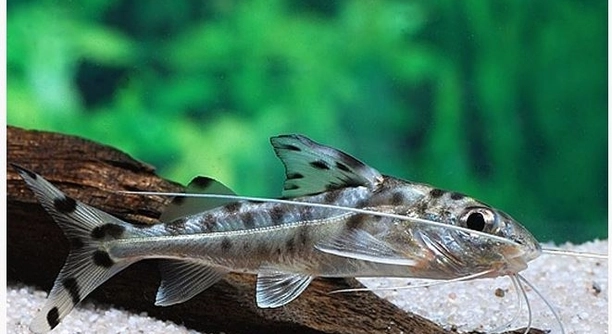
Are your Pictus catfish hiding and refusing to come out? Many owners notice this behavior and wonder how to encourage their fish to be more active. Understanding their habits can make caring for them easier and more enjoyable.
Pictus catfish often stay hidden when stressed, in new environments, or during daylight hours. Providing hiding spots, maintaining proper water conditions, and adjusting lighting can encourage them to emerge more comfortably.
Knowing why your catfish hides and how to help can improve your tank’s atmosphere and your fish’s well-being. This article will guide you through practical steps to encourage your Pictus catfish to come out.
Why Pictus Catfish Hide
Pictus catfish are naturally shy and nocturnal, meaning they feel safest when they have places to hide during the day. When introduced to a new tank, they often retreat to hiding spots until they adjust. Stress from loud noises, sudden movements, or poor water quality can also make them stay hidden. These fish prefer dim lighting, so bright tanks might keep them in hiding. Another factor is their need for stable water parameters; changes in temperature or pH can cause discomfort. Providing caves, plants, or decorations where they can feel secure helps reduce their stress. When they feel safe, they are more likely to come out and explore their surroundings, showing their natural, active behavior mostly during the evening or night. Patience and proper tank setup are key to encouraging your Pictus catfish to be more visible and comfortable.
Keeping the environment calm and stable is essential for these sensitive fish.
Adjusting tank conditions to mimic their natural habitat can make a big difference in their comfort level.
Creating a Comfortable Environment
A good way to help your Pictus catfish come out is by setting up the tank with plenty of hiding spots. Use smooth rocks, caves, or PVC pipes to give them places to retreat. Adding live or artificial plants also offers cover and reduces stress. Make sure the tank lighting is soft or has a timer to mimic natural day and night cycles, as too much light can keep them hidden. Water quality should be checked regularly; clean water with proper filtration helps keep your catfish healthy and relaxed. Maintaining a temperature between 74°F and 79°F (23°C–26°C) suits their needs best. Feeding them in a calm manner, preferably in the evening when they are more active, encourages them to come out. With these simple adjustments, your Pictus catfish will feel safer and gradually become more visible.
A calm and stable tank supports the natural behavior of your Pictus catfish, helping it thrive over time.
Feeding Habits and Timing
Pictus catfish are mostly nocturnal feeders. They tend to come out more at dusk or during the night when they feel safer to search for food. Feeding them at these times encourages activity.
Feeding your catfish in the evening or after the tank lights dim helps them feel secure enough to come out. Offering sinking pellets, live foods like bloodworms, or frozen treats can attract their attention. Avoid overfeeding during the day, which can make them less interested in food at night. Watch their behavior closely and adjust feeding times to when they seem most active. Consistency in feeding schedules also builds trust and comfort, making them more likely to emerge.
Remember, a well-fed Pictus catfish is a more confident and visible one. Their natural instincts encourage movement when hunger meets comfort in their environment.
Monitoring Water Quality
Stable water conditions are essential for Pictus catfish health and activity. Fluctuations in temperature, pH, or ammonia levels can cause stress and hiding behavior.
Regular water testing should be done to ensure parameters stay within safe limits: temperature between 74°F and 79°F, pH around 6.5 to 7.5, and ammonia and nitrite at zero. Frequent partial water changes help maintain cleanliness and reduce harmful chemicals. Using a reliable filter and avoiding sudden changes in the tank environment keep your catfish calm. Stress from poor water quality directly reduces their willingness to come out, so consistent care is crucial. Keeping the water stable creates a healthy home where your catfish can feel secure enough to explore and interact more openly.
Tank Mates Influence
Some fish can intimidate Pictus catfish, causing them to hide more often. Avoid aggressive or very active tank mates.
Choosing peaceful, compatible fish helps reduce stress and encourages your catfish to come out and explore without fear.
Lighting Adjustments
Lowering the tank’s light intensity or using a timer to simulate natural light cycles helps Pictus catfish feel safer. Too much brightness often causes them to stay hidden. Soft, dim lighting during the day and darkness at night mimic their natural environment and encourage activity.
Observing Behavior
Keep an eye on your catfish’s movements and patterns to understand when it feels comfortable and active. This will guide adjustments in care and environment.
FAQ
Why won’t my Pictus catfish come out during the day?
Pictus catfish are naturally nocturnal and prefer to stay hidden during daylight hours. Bright lights or a lack of hiding places can make them feel unsafe. They usually come out to feed and explore when the tank is dim or dark, often in the evening or night.
How can I encourage my Pictus catfish to come out more?
Create a safe and comfortable environment by adding caves, plants, and decorations for hiding spots. Adjust the lighting to be softer or use a timer to simulate natural day-night cycles. Feeding them during low light periods can also encourage them to emerge.
Is it normal for my Pictus catfish to hide all the time?
Yes, it is common for them to stay hidden, especially if they are new to a tank or stressed. They need time to adjust and feel secure. Consistent tank conditions and gentle handling can help them feel more comfortable.
Could water quality affect my catfish’s behavior?
Absolutely. Poor water quality, including incorrect temperature, pH, or high ammonia levels, causes stress and makes catfish hide. Regular water tests and partial water changes maintain stable conditions, promoting healthy and active fish.
What tank mates work best with Pictus catfish?
Choose peaceful and non-aggressive fish to avoid stressing your catfish. Fast or territorial fish can intimidate them and cause hiding. Suitable tank mates include tetras, danios, and peaceful bottom dwellers that won’t compete aggressively for space.
How often should I feed my Pictus catfish?
Feeding once a day, preferably in the evening when they are more active, works best. Offer sinking pellets, frozen or live foods like bloodworms. Avoid overfeeding during the day, as they are less likely to eat and it can foul the water.
Can sudden changes in the tank cause my Pictus catfish to hide?
Yes, sudden changes in water parameters, lighting, or tank setup can stress your catfish. They prefer stable environments. Make gradual adjustments and keep the tank calm to reduce stress and encourage natural behavior.
How long does it take for Pictus catfish to get used to a new tank?
Adjustment time varies but typically takes several days to a few weeks. During this time, they will hide more often until they feel safe. Patience and a well-prepared environment help them settle faster.
Should I be worried if my Pictus catfish never comes out?
If the fish hides constantly but shows no signs of illness or distress, it may just be shy or stressed. However, if hiding is combined with poor appetite or unusual behavior, it’s best to check water quality and health to rule out problems.
What are signs of stress in Pictus catfish?
Signs include staying hidden for long periods, reduced appetite, rapid breathing, clamped fins, or unusual swimming. Maintaining good water quality, proper diet, and a peaceful environment helps reduce stress and promotes well-being.
Pictus catfish are shy and sensitive fish that often take time to adjust to their new homes. Their hiding behavior is natural, especially during the day or when they feel stressed. Providing a safe environment with plenty of hiding spots and soft lighting helps them feel more comfortable. Stable water conditions and careful tank mate choices are also important. When these basic needs are met, your Pictus catfish will gradually become more active and visible.
Understanding their habits is key to caring for Pictus catfish well. They are mostly nocturnal and feel safest in dim light or darkness. Feeding them in the evening encourages natural behavior and helps them come out more often. It is normal for them to hide when they are new or when something in their environment changes suddenly. Patience is important, as they may need several days or weeks to feel secure and confident.
Taking the time to monitor your fish and adjust their environment makes a big difference in their behavior. Regular water tests, gentle handling, and avoiding loud noises create a calm space where your catfish can thrive. Watching for signs of stress or illness helps you respond quickly to their needs. With proper care and understanding, your Pictus catfish will become a lively and enjoyable part of your aquarium.

Hello,
If you enjoy the content that we create, please consider saying a "Thank You!" by leaving a tip.
Every little bit helps us continue crafting quality advice that supports the health, happiness, and well-being of pets around the world, for pets of all shapes, sizes, and species.
We really appreciate the kindness and support that you show us!