
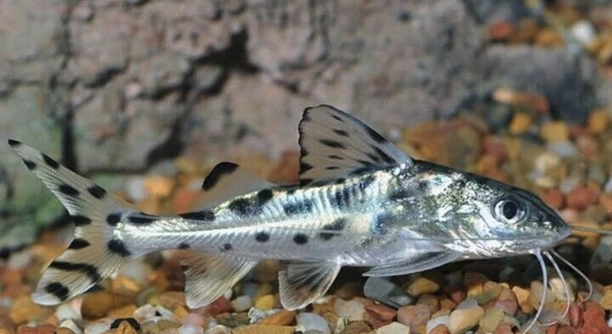
Pictus catfish are popular freshwater fish known for their active nature and distinctive spots. Many aquarium owners enjoy keeping them because of their lively behavior and ease of care. However, feeding them the wrong foods can cause stomach problems that affect their health.
Certain foods can upset a pictus catfish’s stomach, including fatty or oily items, processed human foods, citrus fruits, and foods high in preservatives or artificial additives. These can cause digestive issues, discomfort, and even long-term harm to the fish.
Knowing which foods to avoid will help you keep your pictus catfish healthy and happy in its tank environment. Proper feeding practices are essential for their well-being and longevity.
Fatty and Oily Foods
Feeding pictus catfish fatty or oily foods can lead to stomach problems. These fish naturally eat insects and small aquatic animals, so high-fat foods are hard for their digestive system to process. Items like fried foods or anything greasy should be avoided. Fatty foods can cause bloating and slow digestion, which may lead to discomfort or illness. Over time, a diet high in fats can affect their overall health and energy levels. It’s best to stick to foods designed specifically for their needs, such as sinking pellets or frozen bloodworms. This keeps their diet balanced and helps prevent digestive issues. Avoiding oily snacks means less risk of stomach upset and a happier, healthier fish.
Fatty foods often lead to constipation and reduced appetite in pictus catfish. This can quickly impact their wellbeing.
Choosing proper foods supports their natural digestion and keeps your catfish active and healthy in the aquarium.
Citrus Fruits
Citrus fruits like oranges and lemons contain acids that can irritate a pictus catfish’s sensitive stomach. These acids are not part of their normal diet and can cause discomfort or even damage the digestive tract. Even small amounts of citrus can upset their balance, leading to stress and poor health. It’s important to avoid feeding your catfish anything containing citrus or citrus juice. These fruits may seem harmless to us but are not suitable for their system. Fresh vegetables or specially formulated fish food are much better options. Keeping citrus out of their diet helps maintain a calm and healthy stomach.
Citrus acids disrupt the digestive system of pictus catfish and should be avoided.
Instead, focus on foods that are gentle and natural for their needs, promoting steady digestion and good health.
Processed Human Foods
Processed human foods contain additives, preservatives, and high levels of salt or sugar that can upset a pictus catfish’s stomach. These ingredients are not meant for fish digestion and can cause severe health problems.
Many processed foods have chemicals that interfere with the natural gut flora of pictus catfish. These substances disrupt digestion and may cause long-term damage to their organs. Foods like chips, bread, or canned goods should never be given. Even small amounts can build up toxins and stress the fish’s body. Maintaining a clean, natural diet free from processed items is key to preventing illness and digestive upset.
Feeding processed foods may seem easy but risks the fish’s health. Always choose fresh, species-appropriate options to avoid complications. Their digestive system is delicate and requires simple, natural nutrition.
Foods High in Preservatives and Additives
Preservatives and additives in some fish foods or snacks can harm pictus catfish digestion. These chemicals are artificial and hard to break down inside their stomach.
Certain commercial fish foods may contain synthetic ingredients to extend shelf life or enhance color. While convenient, these additives can cause allergic reactions, inflammation, or digestive discomfort. Over time, constant exposure weakens the fish’s immune system and reduces vitality. Choosing natural or minimally processed food options supports better health and digestion. Reading labels carefully helps avoid products with harmful substances. Feeding a clean diet without preservatives promotes a stable, healthy gut environment and keeps your pictus catfish feeling its best.
Dairy Products
Dairy products are not suitable for pictus catfish because they lack the enzymes needed to digest lactose. Feeding milk or cheese can cause stomach upset and digestive issues.
These foods may lead to bloating and discomfort, so it’s best to avoid them entirely for your catfish’s wellbeing.
Bread and Starches
Bread and other starch-heavy foods are difficult for pictus catfish to digest. These foods can swell in the stomach, causing blockages or constipation. Pictus catfish thrive on protein-rich diets rather than carbohydrates. Offering bread or similar items may fill their stomach but provide little nutrition, leading to poor health and digestive problems over time.
Avoid feeding bread or starchy human foods to keep your catfish’s digestive system working smoothly and efficiently.
Spicy Foods
Spicy foods irritate a pictus catfish’s sensitive stomach lining. Avoid any food containing spices or strong seasonings to prevent discomfort.
FAQ
What are the signs that a pictus catfish has an upset stomach?
Signs of stomach upset in pictus catfish include reduced appetite, lethargy, and unusual swimming behavior. You might notice bloating, swelling around the belly, or difficulty in digesting food. Sometimes the fish may refuse to eat or produce irregular feces. These symptoms suggest digestive distress and should be taken seriously to prevent further health issues.
Can feeding the wrong food cause long-term damage to a pictus catfish?
Yes, feeding inappropriate foods regularly can lead to chronic digestive problems and damage internal organs. Continuous exposure to fatty, processed, or acidic foods weakens the immune system and reduces lifespan. It is important to provide a diet that matches their natural needs to avoid lasting harm.
How often should I feed my pictus catfish?
Pictus catfish do well with small meals twice a day. Overfeeding can cause digestive issues and poor water quality. Feed only the amount they can consume within a few minutes to keep their stomach healthy and avoid leftover food that might spoil.
Are frozen or live foods better than pellets for pictus catfish?
Both have benefits. Frozen and live foods like bloodworms and brine shrimp offer natural nutrition and encourage natural hunting behaviors. Pellets are convenient and nutritionally balanced but should be of high quality and species-specific. Mixing food types helps maintain variety and a balanced diet.
Is it okay to give vegetables to pictus catfish?
Yes, some vegetables such as peas and zucchini can be given occasionally. These help with digestion and provide fiber. However, avoid giving citrus or starchy vegetables. Always blanch vegetables to soften them and avoid causing digestive strain.
What should I do if my pictus catfish shows signs of digestive problems?
Start by stopping all questionable foods and switch to a high-quality diet formulated for carnivorous fish. Ensure clean water conditions and observe the fish closely. If symptoms persist, consider consulting a vet experienced with fish for further diagnosis and treatment options.
Can poor water quality contribute to stomach issues in pictus catfish?
Absolutely. Dirty or poorly maintained water stresses fish and weakens their immune systems, making them more vulnerable to digestive problems. Regular water changes and proper filtration are essential to prevent illness and support digestion.
Are there safe treats I can give my pictus catfish?
Yes, occasional treats like live or frozen bloodworms, brine shrimp, or daphnia are good options. These foods mimic their natural diet and are easy to digest. Avoid giving processed or human foods as treats.
How can I improve the digestive health of my pictus catfish?
Provide a balanced diet rich in protein, avoid harmful foods, and maintain excellent water quality. Adding fiber through occasional vegetables can help digestion. Regular feeding schedules and portion control also support healthy stomach function.
Is it normal for pictus catfish to sometimes refuse food?
Yes, they may occasionally skip meals due to stress, water changes, or illness. However, prolonged refusal can indicate digestive or health problems. Monitoring feeding behavior helps catch issues early.
Final Thoughts
Taking good care of a pictus catfish means paying close attention to its diet. These fish have delicate digestive systems that do not handle certain foods well. Fatty, processed, or acidic foods can cause stomach upset and make your catfish uncomfortable. Avoid feeding your fish human snacks, citrus fruits, or dairy products, as these are not made for them. Instead, choose foods that are natural and suited for their needs. Proper feeding habits help keep your pictus catfish healthy and active in the long run.
It is also important to maintain a clean tank and good water quality. Poor water conditions add stress to your fish, which can lead to digestion problems and lower their immunity. Regular water changes and proper filtration help reduce toxins and keep the environment safe. When the water is clean and the food is right, your catfish is less likely to suffer from stomach issues. This combination supports their overall health and encourages a longer life.
Lastly, watch your pictus catfish closely for any signs of illness or discomfort. If you notice changes in their eating habits, swimming, or appearance, take action quickly. Stomach problems can become serious if ignored. By feeding the right foods, keeping the tank clean, and observing your fish’s behavior, you can prevent many common health problems. Caring for a pictus catfish may require effort, but it is rewarding to see them thrive and enjoy a good quality of life.

Hello,
If you enjoy the content that we create, please consider saying a "Thank You!" by leaving a tip.
Every little bit helps us continue crafting quality advice that supports the health, happiness, and well-being of pets around the world, for pets of all shapes, sizes, and species.
We really appreciate the kindness and support that you show us!