
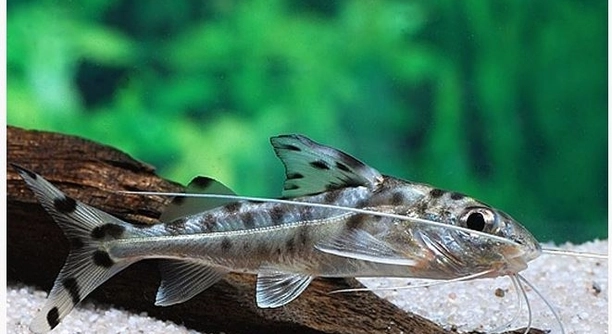
Mold growth in pictus tanks can be a common issue that affects the health of your aquatic environment. It often appears as fuzzy patches or discoloration, which can be unsightly and harmful to your fish. Preventing mold is important for maintaining a clean and safe tank.
Effective mold prevention involves controlling moisture levels, maintaining proper filtration, and ensuring regular cleaning routines. Using suitable tank decorations, avoiding overfeeding, and monitoring water quality can significantly reduce mold growth and promote a healthy habitat for pictus catfish.
Taking simple steps to prevent mold can improve the longevity of your tank and the well-being of your fish. This article outlines practical ways to keep your pictus tank mold-free and thriving.
Keep Humidity and Moisture in Check
Mold thrives in moist environments, so controlling humidity and moisture inside your pictus tank is essential. Excess water on tank surfaces or decorations provides the perfect environment for mold spores to grow. Avoid overfilling the tank or letting water splash outside, as stagnant moisture can build up and encourage mold. Use a lid with ventilation to allow air circulation, helping reduce humidity without drying out the tank. Regularly check for leaks or standing water around the tank base. If possible, place a small fan nearby to improve airflow, especially in humid rooms. Keeping the tank environment dry where possible prevents mold from finding a place to settle and grow.
Consistent moisture control lowers mold risk and contributes to a healthier tank environment overall.
Proper humidity management not only reduces mold growth but also supports the health of your pictus catfish. When moisture is balanced, beneficial bacteria can thrive, promoting better water quality. Excess moisture can also cause decorations and plants to decay, which adds to the problem by providing food for mold. Regularly wiping down tank surfaces and cleaning filters help maintain this balance. In the long run, these steps save time and effort by preventing large mold outbreaks that require heavy cleaning or tank downtime.
Regular Cleaning and Maintenance
Regular cleaning is key to preventing mold buildup. Removing uneaten food, debris, and waste limits organic matter that mold feeds on.
Cleaning your tank weekly keeps mold spores from settling. Use a siphon to vacuum substrate and change part of the water regularly. Clean decorations with warm water and a soft brush, avoiding harsh chemicals that could harm your fish. Filters should be rinsed or replaced as needed to maintain efficient water flow and filtration. Keeping surfaces clean reduces the chance of mold growing unnoticed in corners or behind equipment. Maintaining this routine not only keeps the tank visually clean but also promotes a healthy environment for your pictus catfish to thrive.
Proper Filtration System
A reliable filtration system removes excess waste and debris that contribute to mold growth. Filters keep the water clean and clear, reducing the chance of mold spores settling.
Choosing the right filter depends on tank size and fish load. A filter with mechanical, chemical, and biological components ensures thorough cleaning. Mechanical filtration traps particles, chemical filtration removes impurities, and biological filtration promotes beneficial bacteria growth. Regularly cleaning or replacing filter media maintains its efficiency and prevents clogging, which can cause stagnant water pockets where mold can grow. Good water circulation created by the filter also prevents dead spots and keeps the tank environment balanced.
Filters that run consistently without interruption help maintain water quality, limiting mold’s ability to develop. Monitoring filter performance and making adjustments as needed supports a healthier tank ecosystem for pictus catfish.
Avoid Overfeeding
Feeding the right amount prevents leftover food from accumulating and rotting, which encourages mold growth. Overfeeding is a common issue that can quickly affect water quality.
Excess food decomposes, releasing nutrients that mold and algae thrive on. Pictus catfish prefer small meals, so offer food they can finish within a few minutes. Remove any uneaten food promptly to avoid waste buildup. Feeding schedules should be consistent, but the quantity should be adjusted based on fish activity and tank conditions. Using sinking pellets or tablets designed for bottom feeders helps reduce food floating and going uneaten.
Keeping feeding habits in check reduces organic waste and limits mold’s food source. Proper feeding also promotes healthier fish and cleaner tank water, making maintenance easier.
Choose Appropriate Decorations
Using decorations that do not trap moisture helps prevent mold growth. Avoid porous materials that hold water and are hard to clean.
Smooth surfaces like glass or sealed ceramics are better choices. These materials dry quickly and are less likely to harbor mold spores. Regularly inspect decorations for signs of mold and clean them promptly to keep the tank environment safe.
Monitor Water Quality Regularly
Maintaining stable water parameters is essential for preventing mold. Test for ammonia, nitrites, nitrates, and pH levels regularly to catch imbalances early. Proper water quality discourages mold growth and supports your pictus catfish’s health. Timely water changes help keep these parameters within safe limits, reducing organic waste buildup.
Use Live Plants
Live plants absorb excess nutrients from the water, reducing food sources for mold. They also improve oxygen levels and create a natural tank environment. Incorporating hardy plants like Java fern or Anubias can help maintain a cleaner tank and support a balanced ecosystem.
FAQ
How can I tell if mold is harmful to my pictus catfish?
Not all mold is immediately harmful, but any visible mold in the tank should be addressed quickly. Mold can release spores and toxins that irritate fish gills or skin. If your fish show signs of stress, such as gasping or unusual behavior, mold might be affecting their health. Removing mold promptly and maintaining good water quality reduces risks.
What is the best way to clean mold from decorations?
Remove decorations and scrub them gently with warm water and a soft brush. Avoid soap or chemicals, as they can harm your fish. For tough mold, soaking decorations in a diluted vinegar solution (one part vinegar to three parts water) for 10-15 minutes can help. Rinse thoroughly before placing items back in the tank.
Can mold return after cleaning?
Yes, mold can return if conditions favor its growth. Preventative measures like controlling moisture, regular cleaning, and good filtration are necessary. Keeping the tank environment stable and free from excess waste reduces chances of mold reappearing.
Is it safe to use chemical treatments to remove mold?
Chemical treatments should be used cautiously and only products safe for aquarium use should be considered. Many chemicals can harm fish and beneficial bacteria. Natural prevention and mechanical cleaning are preferred methods to manage mold.
How often should I perform water changes to prevent mold?
Weekly partial water changes of 20-30% are usually sufficient for mold prevention. This helps remove dissolved organic matter and nutrients that mold thrives on. The exact frequency depends on tank size, fish load, and filtration efficiency. Monitoring water parameters helps guide how often changes are needed.
Can mold grow on the glass of the tank?
Yes, mold can grow on glass surfaces, especially in areas where moisture collects and there is limited light or air circulation. Regular cleaning of tank walls with an algae scraper or soft cloth helps prevent buildup.
Are certain types of food more likely to cause mold?
Yes, foods that disintegrate quickly or leave residues are more likely to contribute to mold growth. Avoid overfeeding and choose sinking pellets or wafers formulated for bottom feeders like pictus catfish. These reduce leftover food that can rot and promote mold.
Does the tank location affect mold growth?
Placement in a humid or poorly ventilated area increases the risk of mold. Avoid placing the tank near windows with direct sunlight or in rooms with high humidity. A stable, well-ventilated environment supports healthier tank conditions.
Can live plants completely prevent mold?
Live plants help reduce nutrients mold needs but don’t guarantee mold prevention. They improve water quality and compete with algae and mold for resources. However, maintaining good tank hygiene alongside plants is important.
What are early signs of mold in a tank?
Fuzzy white, green, or black patches on decorations, substrate, or glass indicate mold. A musty or earthy smell can also be a sign. Early detection allows for quicker removal and prevents spread.
Final thoughts on preventing mold in pictus tanks focus on consistent care and attention. Mold can easily develop when moisture, food waste, and poor water quality come together. Taking simple steps like controlling humidity, avoiding overfeeding, and maintaining regular cleaning routines helps keep mold at bay. These practices may seem small, but their combined effect creates a stable environment that discourages mold growth. The health of your pictus catfish depends largely on these everyday actions.
It is important to remember that no single solution will completely stop mold from appearing. Mold spores are naturally present in the environment, so prevention requires ongoing effort. Using a good filtration system to keep water clean and circulating reduces the chances of mold finding a place to grow. Choosing decorations that dry quickly and regularly monitoring water quality also play a key role. Incorporating live plants can further improve tank balance by absorbing excess nutrients that might otherwise feed mold.
Overall, staying consistent with tank care creates a healthier space for your fish and reduces the stress of dealing with mold outbreaks. Taking the time to feed properly, clean regularly, and check water parameters prevents many common problems. The goal is to create a clean, balanced, and stable habitat where mold does not thrive. With patience and good habits, maintaining a mold-free pictus tank is achievable and rewarding.

Hello,
If you enjoy the content that we create, please consider saying a "Thank You!" by leaving a tip.
Every little bit helps us continue crafting quality advice that supports the health, happiness, and well-being of pets around the world, for pets of all shapes, sizes, and species.
We really appreciate the kindness and support that you show us!