
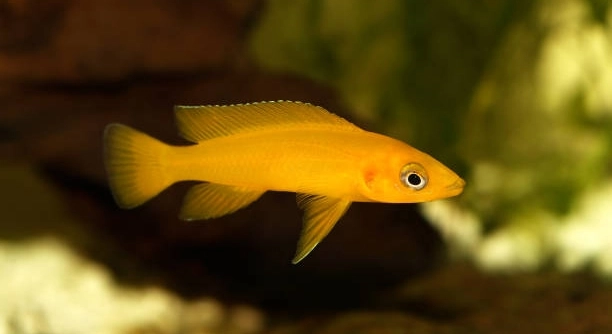
Have you ever noticed your lemon tetras swimming gracefully yet wondered why their movements seem to change throughout the day? Observing their activity patterns can reveal important insights about their natural behaviors and daily rhythms in an aquarium.
Lemon tetras are most active during the early morning and late afternoon hours. These fish display heightened swimming, feeding, and social interactions during these periods, while midday often sees reduced activity as they rest or seek shelter within plants or decorations.
Understanding these activity trends can help optimize feeding schedules and aquarium arrangements, ensuring a healthier and more stimulating environment for your lemon tetras.
Natural Activity Patterns of Lemon Tetras
Lemon tetras follow distinct daily activity rhythms that are influenced by light, feeding schedules, and social dynamics. In the morning, when light levels increase, they become more active, swimming in groups and exploring their environment. This is often the best time to observe playful chasing and feeding behaviors. During midday, activity slows as the fish rest among plants or near hiding spots. These resting periods are essential for conserving energy and reducing stress. In the late afternoon, activity rises again as light begins to soften, prompting feeding behaviors and social interactions. Observing these patterns can help you schedule feedings and monitor health effectively. Consistent lighting and a well-structured tank environment encourage natural activity, promoting both the physical and mental well-being of your lemon tetras.
Daily activity patterns are influenced by light levels and the tank environment, so proper lighting can enhance natural behaviors.
Monitoring these behaviors closely allows you to adjust tank conditions, including plant placement, decorations, and hiding spots. Providing areas where tetras can rest or dart through during active periods supports their instincts. Feeding schedules aligned with natural activity peaks encourage healthy eating and reduce food waste. Stress can be minimized by avoiding sudden changes in light or decorations, maintaining a predictable environment. Understanding group dynamics also matters, as lemon tetras are schooling fish that feel safer in groups, which increases activity and reduces anxiety. Observing subtle shifts in swimming patterns or interactions may indicate health issues, making early detection possible. By supporting natural rhythms, you foster a balanced aquarium ecosystem, ensuring the fish thrive physically and emotionally over time.
Environmental Factors Affecting Activity
Water temperature, tank size, and decorations significantly influence lemon tetra activity. Moderate temperature ranges encourage more movement, while overcrowding reduces swimming.
Adjusting water conditions and providing a stimulating environment can improve activity levels. Plants, open swimming areas, and hiding spots allow tetras to express natural behaviors comfortably. Changes in lighting cycles, water flow, and social groupings also play a role. Small environmental tweaks, like adding new plants or rearranging decorations, often prompt renewed exploration and increased activity. Maintaining stable water parameters ensures the fish do not experience stress, which can suppress movement. Proper filtration and gentle currents simulate natural habitats, supporting healthier swimming patterns. Observing how the fish interact with both the environment and each other provides insight into tank adjustments that enhance their daily routines and overall well-being.
Feeding and Activity Levels
Lemon tetras are more responsive during feeding times, especially in the morning and late afternoon. Offering small, frequent meals encourages movement and interaction, keeping them active while also promoting healthier growth and digestion.
Feeding directly affects activity patterns, as tetras become more alert and swim actively when expecting food. High-quality flake, micro-pellets, or live foods like brine shrimp and daphnia stimulate their natural hunting instincts. Observing how quickly they respond to feeding can also indicate overall health. Overfeeding, however, can lead to lethargy and water quality issues, reducing natural activity. Balancing portion sizes with feeding frequency ensures they remain energetic throughout the day. Monitoring their behavior during and after feeding helps adjust diets and timings to suit their natural rhythms and avoid stress or inactivity.
In addition to food type and schedule, placement of the food affects swimming behavior. Scattering food in different areas encourages exploration and group swimming, keeping all tetras engaged. Feeding in one spot may result in dominance by the more aggressive fish, while others remain inactive. Rotating feeding spots or using floating foods can maintain high activity levels. Consistency in feeding times strengthens their internal rhythms, making them more predictable in behavior. Regularly observing how the school interacts during meals can also highlight social hierarchies or any signs of illness, providing insight into both health and activity patterns.
Light Influence on Lemon Tetra Activity
Light intensity and duration directly impact lemon tetra movement. Moderate lighting encourages active swimming, while sudden bright or dim changes can cause stress and hiding.
Maintaining a consistent lighting schedule simulates natural day-night cycles, helping tetras establish predictable activity peaks. Early morning and late afternoon lighting periods stimulate alertness, feeding, and social interactions, while consistent dim periods encourage rest. Too intense or prolonged lighting may cause fatigue or stress, reducing swimming and group cohesion. Adjusting light placement to avoid direct glare on the tank while ensuring plants receive light can create a comfortable environment for natural behavior. Observing how tetras respond to light adjustments allows you to fine-tune conditions, keeping activity levels stable and supporting overall health.
Schooling Behavior and Movement
Lemon tetras are naturally schooling fish, and their activity levels increase when they swim in groups. A well-sized school encourages synchronized movement, social interaction, and reduces stress-related hiding.
Smaller groups or isolated fish often appear less active. Keeping at least six tetras together ensures natural behavior, promoting exploration and feeding activity while maintaining a balanced social structure.
Water Conditions and Activity
Stable water parameters are essential for active lemon tetras. Temperature, pH, and hardness all influence swimming patterns. Sudden changes can lead to stress, causing reduced movement and hiding. Maintaining consistent conditions supports natural rhythms and keeps the fish alert and engaged throughout the day.
Signs of Reduced Activity
Lethargy, hiding, or slow swimming often indicate stress, illness, or unsuitable tank conditions. Regular observation helps detect issues early.
FAQ
Why are my lemon tetras less active during midday?
Lemon tetras naturally reduce activity during the hottest or brightest parts of the day. This resting period helps them conserve energy and reduce stress. Providing shaded areas or floating plants allows them to feel safe while resting. Consistent feeding and lighting schedules help maintain natural rhythms.
How does tank size affect lemon tetra activity?
Smaller tanks can restrict movement, making tetras appear less active. Larger tanks provide more swimming space, which encourages schooling and exploration. Aim for a minimum of 20 gallons for a small school, with plenty of open areas and plants for hiding and interaction.
Do lighting changes impact their activity?
Yes. Sudden bright or dim lighting can stress tetras, causing them to hide or freeze. Gradual transitions or consistent light schedules simulate natural day-night cycles. Moderate lighting levels help maintain activity during early morning and late afternoon while supporting plant growth.
Can water temperature influence activity?
Absolutely. Lemon tetras are most comfortable between 72–78°F. Temperatures too low slow metabolism, reducing movement. Temperatures too high increase stress and can cause erratic swimming. Maintaining stable, appropriate temperatures encourages consistent activity patterns and supports overall health.
Does diet affect their activity levels?
Feeding schedules and food type directly influence activity. Small, frequent meals encourage movement and social interactions. Live or frozen foods stimulate natural hunting instincts, while overfeeding can cause lethargy. Observing how quickly they respond to feeding provides insight into both health and activity.
Why do some fish hide more than others?
Individual tetras may be more timid, especially in smaller schools. Stress, new environments, or aggressive tankmates increase hiding. Providing plants, decorations, and sufficient space reduces anxiety and encourages all fish to engage in natural behaviors.
How does schooling influence movement?
Lemon tetras are social fish. Larger groups promote synchronized swimming and higher activity. Isolated or very small groups often show less movement. Keeping at least six fish ensures safety and interaction, which boosts overall activity levels.
What signs indicate reduced activity due to illness?
Lethargy, clamped fins, erratic swimming, or staying at the tank bottom may indicate health issues. Checking water quality, temperature, and observing for visible symptoms helps detect problems early, allowing for timely intervention and care.
Can tank decorations affect their activity?
Yes. Plants, hiding spots, and open swimming areas encourage exploration and movement. Rearranging decorations periodically can stimulate curiosity and natural behavior. Avoid overcrowding or placing decorations in ways that block swimming paths, as this can reduce activity and increase stress.
How long should light be on each day?
Lemon tetras thrive with 8–10 hours of light daily, followed by a period of darkness. This mimics natural cycles, helping regulate activity, feeding, and rest periods. Gradual on/off transitions reduce stress and support consistent swimming and social behaviors.
Do water currents impact activity?
Moderate currents encourage movement and simulate natural conditions. Too strong currents can exhaust fish, while no current may reduce stimulation. Adjusting filters or adding gentle flow promotes balanced activity, ensuring tetras remain active without stress.
Is it normal for activity to vary seasonally?
Yes. Even in indoor tanks, tetras may adjust activity in response to temperature changes or lighting variations that mimic seasonal shifts. Observing patterns helps identify deviations from normal behavior, indicating potential issues with tank conditions or health.
How can I increase activity in my lemon tetras?
Providing a balanced diet, stable water parameters, moderate lighting, sufficient swimming space, and proper schooling conditions encourages natural behavior. Introducing minor environmental changes like new plants or rearranged decorations can also stimulate exploration and movement, keeping tetras engaged.
What role does pH play in activity levels?
Lemon tetras prefer slightly acidic to neutral water, around 6.5–7.0 pH. Deviations can stress fish, reduce movement, and affect feeding. Regular testing and adjustment ensure a healthy environment that supports consistent activity throughout the day.
Can introducing new tankmates affect activity?
Yes. Aggressive or overly active species can intimidate lemon tetras, causing hiding or reduced movement. Choosing compatible, peaceful tankmates ensures social comfort and encourages natural swimming, feeding, and schooling behavior.
Lemon tetras are small but lively fish that bring color and activity to any freshwater tank. Observing their daily routines can help you understand their needs and ensure they remain healthy. These fish are naturally more active during the early morning and late afternoon, which aligns with their feeding and social behaviors. During midday, it is normal for them to slow down and rest among plants or decorations. Providing a consistent light schedule and areas for hiding supports these natural activity patterns. Paying attention to their daily movements can also give insight into their overall health, making it easier to notice changes or potential issues early.
Water quality, tank size, and group dynamics all play an important role in maintaining healthy activity levels. Lemon tetras thrive in stable conditions with moderate water flow, temperatures between 72–78°F, and slightly acidic to neutral pH levels. Overcrowding or small tank size can limit movement, while properly spaced decorations and open swimming areas encourage natural behavior. Schooling behavior is particularly important, as tetras are social fish and feel more secure when kept in groups of six or more. A well-structured environment allows them to explore, interact, and feed freely, which supports both mental and physical well-being. Monitoring their swimming patterns and reactions to feeding or environmental changes helps maintain optimal care.
Feeding schedules and diet also influence activity. Offering small, frequent meals with a mix of flake, frozen, or live foods encourages alertness and engagement. Observing their response to feeding can indicate whether they are healthy or stressed. Environmental enrichment, such as rearranging plants or decorations, can stimulate exploration and prevent boredom. Adjusting lighting gradually and providing shaded areas supports natural rhythms and reduces stress. By paying attention to these factors, you can create a balanced aquarium where lemon tetras remain active, healthy, and vibrant. Maintaining consistent routines and monitoring subtle changes ensures a long-lasting, thriving environment for these small, lively fish.

Hello,
If you enjoy the content that we create, please consider saying a "Thank You!" by leaving a tip.
Every little bit helps us continue crafting quality advice that supports the health, happiness, and well-being of pets around the world, for pets of all shapes, sizes, and species.
We really appreciate the kindness and support that you show us!