
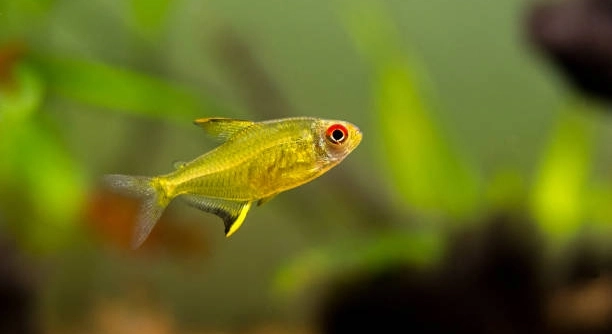
Have you ever watched your lemon tetra swim around and noticed how they react when other fish wander into their space? Their movements and displays can make you wonder about the emotions behind their behavior.
Lemon tetra do not experience jealousy in a human sense. Their reactions toward other fish are rooted in territorial behavior, social hierarchy, and environmental cues. Observable displays often reflect stress or competition rather than emotional rivalry toward tank mates present.
As you explore their interactions with other fish, you may uncover patterns that shape a calmer and balanced aquarium community.
Understanding Lemon Tetra Behavior
Lemon tetra behavior can seem complex when you first start paying closer attention, especially if you notice small shifts in how they interact with other fish. These tiny movements can make you pause, however they often reflect simple patterns rather than emotional reactions. Lemon tetra rely on clear signals to communicate within their group, using body posture, color, and swimming speed to express their needs. When another fish enters their space, they may tighten their formation or change direction, which is a natural response to shared territory. These adjustments help them feel secure and maintain order in the tank. Over time, you may notice that they repeat certain behaviors depending on lighting, feeding times, and the number of nearby fish. Observing these gentle patterns helps you understand what makes them comfortable and what may cause mild tension in their environment, allowing you to support a stable and calm setting daily.
These signals show you how lemon tetra create balance in a shared tank, giving you a clearer sense of what they need. Their reactions may look dramatic however they usually serve a simple purpose, helping them stay organized and aware while moving through the same space as their tank mates.
Learning these behaviors makes it easier to support a peaceful aquarium that suits the natural rhythm of lemon tetra. When you recognize the meaning behind their movements, you can adjust lighting, decorations, and feeding routines in ways that ease small conflicts. Soft hiding areas, steady water conditions, and predictable patterns help them settle into their space without unnecessary pressure. You may notice that they brighten in color or swim more confidently once the tank feels stable. By paying attention to these small details, you encourage a comfortable environment that allows your lemon tetra to move freely and interact with energy.
Creating a Stable Environment
A stable environment reduces stress for lemon tetra and lowers the chance of territorial reactions that might look intense. Simple adjustments like steady lighting, gentle filtration, and roomy swimming areas help them relax. These small changes create a setting that keeps their movements smooth and their interactions softer each day.
Supporting long term comfort for lemon tetra begins with understanding how small environmental shifts influence their behavior. These fish rely on predictable conditions, and even slight disruptions can cause them to adjust their movements in ways that may seem tense. Keeping water parameters steady gives them a reliable foundation that prevents unnecessary reactions. Adding plants and gentle decorations provides clear spaces for swimming while giving them areas to retreat when they feel crowded. Group structure also matters, since lemon tetra are calmer when kept in suitable numbers that allow natural schooling patterns. When their group feels complete, they tend to move with smoother rhythm and show fewer signs of stress. Consistent feeding routines reduce competition, especially when food is spread across the tank to prevent crowding in one area. Soft lighting brings out their color and allows them to navigate without feeling exposed. Over time, you may notice that these simple improvements create a steady atmosphere where your lemon tetra glide comfortably around the tank. Their behavior becomes more predictable, their interactions soften, and their overall presence feels more relaxed. By focusing on stability and gentle care, you encourage a space that supports their needs and enhances their daily comfort.
Social Dynamics in a Community Tank
Lemon tetra rely on steady group structure to feel secure, and changes in their surroundings can influence how they interact with other fish. When their group feels complete and their space is predictable, their movements stay smoother and their reactions remain calm.
Their behavior shifts when the tank becomes crowded or when fast swimmers create sudden movement near them. These moments can cause lemon tetra to tighten their school or speed up briefly, which is simply a way to stay organized. Providing balanced lighting and gentle corners gives them places to pause without feeling pressured. A calm community tank encourages them to move with ease and reduces small displays that may appear tense. Over time, you may notice that predictable patterns help them settle into their own rhythm, making their social interactions feel softer and more coordinated.
Feeding can also influence how they behave around tank mates. Placing food in more than one area lowers competition and stops them from bunching up in a single spot. This helps prevent quick darting behavior that might look like irritation. When meals feel predictable and spread out, lemon tetra glide in and out of the group without pressure. Keeping water conditions stable further supports these calm patterns, helping them stay comfortable while sharing space with other species.
Recognizing Signs of Stress
Stress in lemon tetra often shows through subtle changes in color, schooling formation, or swimming patterns. These signals usually develop when their surroundings shift too quickly, or when the tank feels crowded. Paying attention to these small signs makes it easier to adjust their environment before tension builds further.
When stress becomes noticeable, simple improvements can make a meaningful difference. Gentle filtration, steady temperature, and soft hiding spots help lemon tetra regain confidence. Adding plants creates shaded areas where they can move without feeling exposed. If other fish move too quickly or dominate feeding spots, rearranging decorations can help break up busy areas of the tank. Lemon tetra respond well to steady routines, especially when their group size supports natural schooling behavior. With a calm setting and consistent care, their color brightens and their movement softens, showing that they feel secure again.
How Tank Mates Influence Behavior
Lemon tetra react differently depending on the species they share space with, and calm tank mates help them stay relaxed. Slow swimmers and peaceful bottom dwellers create a gentle atmosphere that keeps their movements steady and prevents sudden shifts in their schooling pattern.
Active or territorial fish can cause lemon tetra to tighten their formation or move more quickly. These reactions help them stay aware of their surroundings. Choosing compatible species reduces tension and supports a smoother environment where they can swim with ease.
Environmental Factors That Shape Their Reactions
Lighting, water flow, and layout all play a role in how lemon tetra behave each day. Bright lights can make them feel exposed, while soft lighting encourages a calmer rhythm. Smooth water flow keeps them active without overwhelming them, and well placed plants create resting spots that help prevent tension. Stable temperature and clean water support consistent behavior, allowing them to move comfortably through their surroundings. Small improvements in these areas make it easier for lemon tetra to maintain steady interactions with the other fish in their tank.
Why Observation Matters
Regular observation helps you notice small changes in their movement that signal tension or comfort. These moments guide you toward simple adjustments that keep their environment supportive and calm.
FAQ
Do lemon tetra feel jealousy like humans?
Lemon tetra do not feel jealousy in a human sense. Their reactions toward other fish are instinctive and based on territory, safety, and hierarchy. When they dart or school tightly, it is a protective or social response rather than an emotional reaction. Their behavior is about structure and survival, not feelings of envy.
Why do lemon tetra chase other fish sometimes?
Chasing in lemon tetra is usually about maintaining space or reinforcing group order. It is not personal or emotional. When they chase, it is often brief and only occurs if another fish comes too close or disrupts their school. Ensuring enough room and hiding spaces reduces this behavior.
Can tank size affect their behavior?
Yes, tank size directly influences how lemon tetra interact. In small tanks, they may crowd and react more strongly to nearby fish. Larger tanks give them space to swim freely and form natural schooling patterns, which lowers stress and reduces abrupt movements.
How many lemon tetra should be kept together?
Lemon tetra are schooling fish and thrive in groups of six or more. Smaller groups may appear nervous or display tighter schooling as a coping mechanism. Keeping them in proper numbers encourages relaxed swimming and smooth interactions with tank mates.
What type of tank mates are best for lemon tetra?
Peaceful, small to medium fish are ideal companions. Bottom dwellers or slow swimmers help maintain a calm environment. Aggressive or very fast species can trigger sudden schooling or stress responses, so compatibility is key to keeping their behavior stable.
Do they react differently during feeding time?
Feeding can temporarily increase activity or crowding. When food is limited or concentrated in one spot, lemon tetra may dart or cluster quickly. Spreading food across the tank reduces competition, letting them feed calmly while maintaining smooth social behavior.
How does lighting impact their behavior?
Lighting influences mood and comfort. Bright, harsh light can make them feel exposed, causing tighter schooling or faster swimming. Soft, diffused light encourages relaxed movements and allows them to explore or rest without stress, helping their overall behavior appear calm and predictable.
Do plants and decorations matter?
Yes, plants and decorations provide hiding spots and break up open space, helping lemon tetra feel secure. These features reduce tension when other fish move nearby, giving them options to retreat or pause, which supports calmer social dynamics and more natural swimming patterns.
What signs show they are stressed?
Signs include faded color, rapid or erratic swimming, or unusually tight schooling. These indicate discomfort from tank mates, water conditions, or insufficient space. Stress is temporary if addressed quickly, and small environmental adjustments often restore calm and regular behavior.
How can I prevent tension among fish?
Maintaining consistent water conditions, a stable school size, peaceful tank mates, and adequate hiding spots helps prevent tension. Observing interactions regularly allows you to notice small changes before they escalate. These steps ensure lemon tetra remain relaxed and their social patterns continue smoothly.
Can changes in water flow affect them?
Yes, strong currents can stress lemon tetra, causing sudden darting or tighter schooling. Gentle, consistent flow encourages normal swimming and reduces abrupt reactions. Adjusting filtration and creating calm areas ensures they can move comfortably without excessive energy or stress.
Do they ever become aggressive?
Lemon tetra are generally peaceful but may show brief aggression during territorial displays within the school or when space is limited. This behavior is rarely directed at other species and usually stops once the group settles. Providing room and stable conditions keeps these moments minimal.
Is regular observation necessary?
Absolutely. Regularly watching lemon tetra helps identify early signs of stress, conflict, or environmental issues. Observation guides adjustments to lighting, layout, or feeding routines, ensuring the tank remains balanced and their interactions stay calm, supporting long-term health and a stable environment.
Lemon tetra are small, peaceful fish that bring color and life to a community tank. Understanding their behavior can help you provide a calm and supportive environment. While their movements may sometimes look like jealousy or aggression, these reactions are mostly about maintaining school order, personal space, or reacting to sudden changes in their surroundings. Observing how they interact with each other and with other fish is the key to recognizing their natural patterns. When they swim in tight groups, dart suddenly, or pause near decorations, it is often a response to safety, territory, or group dynamics rather than emotional feelings like humans experience. Their behavior is predictable when their environment is stable, and small adjustments can make a big difference in their overall comfort. Knowing this can prevent misinterpretation and help you enjoy watching their subtle, interesting social interactions.
Providing a stable and comfortable environment is essential for lemon tetra to thrive. Lighting, water flow, tank size, and decorations all play important roles in shaping how they move and interact. Soft lighting encourages relaxed swimming, gentle water flow keeps them active without overwhelming them, and plants or hiding spots give them places to pause when needed. Tank size is especially important, as overcrowding can lead to tighter schooling and sudden movements. Choosing compatible tank mates also supports a calm community, reducing moments of stress or tension. Feeding routines affect behavior as well; spreading food throughout the tank and maintaining consistent timing allows lemon tetra to feed without crowding or competition. Even small changes in these areas can improve their daily comfort, helping them feel secure while maintaining natural patterns and interactions with other fish in the tank.
Watching lemon tetra closely helps you notice subtle signals of stress or discomfort. Changes in color, schooling patterns, or swimming speed can indicate tension in the tank. By addressing these signs early, you can adjust environmental factors, rearrange decorations, or modify tank mate interactions to restore calm. Lemon tetra respond well to predictability and stability, and maintaining steady conditions supports both their physical health and social behavior. Over time, you can create a peaceful aquarium where lemon tetra move freely, interact comfortably with other fish, and display the bright colors and fluid movements that make them so appealing. Paying attention to these details ensures a balanced tank that supports their natural instincts while minimizing unnecessary stress.

Hello,
If you enjoy the content that we create, please consider saying a "Thank You!" by leaving a tip.
Every little bit helps us continue crafting quality advice that supports the health, happiness, and well-being of pets around the world, for pets of all shapes, sizes, and species.
We really appreciate the kindness and support that you show us!