
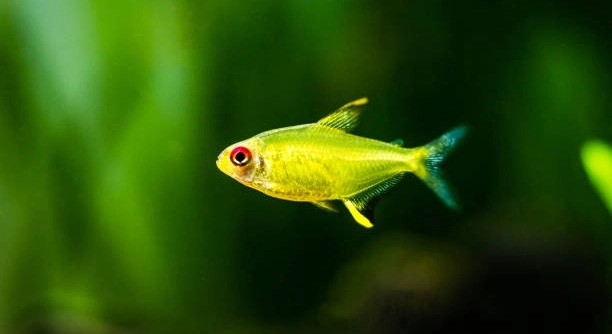
Lemon tetras are lively and colorful fish, often bringing charm to home aquariums. Their small size and active nature, however, make them prone to jumping out of tanks, which can be dangerous for both the fish and the aquarium setup.
Preventing lemon tetras from jumping requires careful tank management and environmental adjustments. Installing a secure lid, maintaining proper water conditions, providing hiding spots, avoiding sudden disturbances, and ensuring a balanced diet are critical measures to reduce escape attempts effectively.
Learning these methods will help keep your lemon tetras safe and healthy while maintaining a stable and enjoyable aquarium environment.
Secure the Tank Lid
A tight-fitting lid is the most direct way to prevent lemon tetras from jumping. These fish are naturally active, especially when startled by sudden movements or changes in light. A properly secured lid keeps them safely inside the aquarium while still allowing for adequate airflow and light penetration. Many standard aquarium lids can be slightly adjusted or reinforced with clips to ensure there are no gaps. Even small openings at the edges or corners can allow a determined tetra to escape. Glass or acrylic lids work well, but make sure they are stable and do not slide easily. Some aquarists also use mesh covers that provide safety without restricting tank ventilation. Additionally, a lid can reduce evaporation and keep water conditions more consistent, which indirectly helps fish remain calmer and less prone to jumping. This small investment in tank security can prevent accidents and stress for your fish.
Using a secure lid prevents most jumping incidents while maintaining water quality and stability inside the aquarium.
A strong lid also protects from external disturbances. Pets, children, or accidental nudges can startle lemon tetras. A solid cover ensures they remain safe, reducing the risk of injury. It also allows you to feed and maintain the tank without worrying about fish leaping out. With proper coverage, you can create a more controlled and calm environment, which helps tetras display natural behaviors without stress. Overall, investing time in securing the lid pays off in the long-term well-being of your fish.
Provide Hiding Spots
Lemon tetras feel safer when there are areas to hide, such as plants, rocks, or decorations.
Adding sufficient hiding places reduces stress and keeps tetras less likely to jump.
Plants, both live and artificial, offer excellent cover while improving the aesthetic of your tank. Tall grasses or dense clusters create vertical and horizontal spaces for tetras to retreat when feeling threatened. Rocks, caves, and driftwood also provide secure spots for resting or avoiding perceived threats. By creating multiple hiding areas, you mimic natural habitats, which helps tetras feel more comfortable. Comfortable fish are calmer and less likely to jump in reaction to sudden changes. Hiding spots also support social dynamics, giving shy individuals a chance to avoid more aggressive tank mates. Regularly arranging decorations or varying plant density can maintain novelty and prevent stress-related behavior. Overall, thoughtful placement of these elements supports safety, mental stimulation, and a healthier environment for your lemon tetras.
Maintain Proper Water Conditions
Stable water conditions are key to keeping lemon tetras calm and less likely to jump. Sudden changes in temperature, pH, or hardness can trigger stress and cause escape attempts.
Regular water testing and partial water changes help maintain consistency. Lemon tetras thrive in slightly acidic to neutral water, with temperatures between 72–78°F. Avoid rapid shifts during cleaning or water additions. Using a heater with a reliable thermostat ensures temperature stability, while proper filtration keeps water clear and oxygenated. Stress from poor water conditions often results in frantic swimming, which increases the risk of jumping. Maintaining stability also supports immune health, reduces disease risks, and encourages normal behaviors. By monitoring and adjusting these parameters regularly, you create a safe and comfortable environment that discourages jumping and promotes long-term well-being for your tetras.
Consistent water conditions reduce stress, support immune health, and help fish remain calm and less likely to attempt escaping.
Proper filtration and aeration further stabilize the environment. Good filters remove toxins and maintain oxygen levels, while gentle water flow prevents sudden currents that could startle fish. When replacing water, use a dechlorinator and match temperature closely to avoid shock. Observation is also important—watch how tetras react after maintenance. Calm, healthy fish are less inclined to leap. Combining these practices with secure lids and hiding spots creates a comprehensive approach to jump prevention, ensuring your lemon tetras stay safe, active, and thriving within their tank environment.
Avoid Sudden Disturbances
Lemon tetras are sensitive to rapid movements around the tank, which can trigger jumping reactions. Sudden noises, tapping, or bright flashes of light create stress instantly.
Minimizing disturbances requires careful handling of the aquarium and its surroundings. Move slowly when feeding or performing maintenance, and avoid loud bangs or vibrations. Position the tank away from high-traffic areas to reduce external stressors. Lights should be turned on gradually if possible, or use a timer to create a predictable day-night cycle. Regular routines help tetras anticipate activity, lowering stress levels and reducing the likelihood of jumps. Even minor disturbances, such as placing objects near the tank or sudden shadows, can startle them, so a calm environment is crucial. Over time, these small adjustments make a noticeable difference in fish behavior and overall safety.
Feed a Balanced Diet
Providing lemon tetras with a balanced diet helps reduce restlessness that can lead to jumping.
Include high-quality flake or pellet food, supplemented with frozen or live options like brine shrimp and daphnia. Consistent feeding times also create routine, reducing stress and overactive behavior.
Avoid Overcrowding
Overcrowding increases competition and stress, which can make tetras more likely to jump.
Keeping an appropriate number of fish per gallon allows them space to swim comfortably. Adequate space lowers aggression and creates a calmer environment, supporting natural behavior and minimizing the risk of escape attempts.
Use Calm Tank Mates
Choosing compatible, peaceful tank mates helps lemon tetras remain calm.
Aggressive or fast-moving species can startle tetras, causing stress and potential jumping. Keeping them with similarly sized, gentle fish maintains a stable social dynamic, encouraging relaxed and secure behavior.
Monitor Health Regularly
Regular health checks ensure tetras are not stressed or ill, which can trigger jumping.
FAQ
Why do lemon tetras jump out of the tank?
Lemon tetras jump mainly due to stress or sudden disturbances. Changes in water conditions, strong currents, bright lights, or loud noises can trigger their natural instinct to escape. Lack of hiding spots and overcrowding can also make them feel unsafe, increasing the likelihood of leaping from the tank.
How can I tell if my tetras are stressed?
Signs of stress include rapid swimming, hiding excessively, loss of color, and unusual aggression or lethargy. Tetras may also bump against tank walls or swim near the surface more often. Monitoring behavior after maintenance or feeding can help detect stress early. Stress weakens the immune system, making prevention crucial.
What is the best lid for a tetra tank?
A tight-fitting glass or acrylic lid works best. Mesh covers are also suitable as long as they fit securely and allow airflow. The lid should have no gaps, especially at corners, to prevent tetras from escaping. Ensure it is stable and easy to remove for maintenance without leaving openings.
How often should I test water parameters?
Water should be tested at least once a week for pH, temperature, ammonia, nitrite, and nitrate levels. Frequent checks help maintain stable conditions, which reduce stress. Any sudden changes should be addressed immediately to prevent panic and jumping behavior in your fish.
What types of plants and decorations help prevent jumping?
Dense plants, tall grasses, driftwood, and rock caves create hiding spots and safe areas. Both live and artificial plants work well. Positioning them around the tank offers shelter and reduces stress. Multiple hiding areas give tetras security, allowing them to feel calm and less likely to attempt escape.
Can feeding routines affect jumping behavior?
Yes, consistent feeding times reduce stress and overactive swimming. Overfeeding can also contribute to hyperactivity, which increases jumping. A balanced diet of flakes, pellets, and occasional frozen or live food keeps tetras healthy and calm, promoting more stable behavior.
Does tank size influence jumping?
Smaller tanks can lead to overcrowding and stress, making tetras more prone to jumping. Providing enough space per fish ensures they can swim freely and reduces aggression. A tank with a minimum of 10 gallons is recommended for a small group, with extra space for additional fish.
Are there tank mates that help reduce jumping?
Peaceful, similarly sized species help maintain calm conditions. Aggressive or fast-moving fish can scare tetras, causing stress and escape attempts. Compatible tank mates encourage normal social behavior and create a stable environment, reducing the likelihood of jumping.
What should I do if a tetra jumps out?
Immediately return the fish to the water carefully. Check for injuries and monitor for stress or illness. Assess what caused the jump, such as water conditions, disturbances, or gaps in the lid, and address the issue to prevent repeated incidents.
How can I make my aquarium environment more secure overall?
Use a fitted lid, maintain stable water conditions, provide hiding spots, avoid sudden disturbances, feed a balanced diet, and ensure compatible tank mates. Combining these measures creates a calm, safe environment, reducing the chance of jumping and supporting overall tetra health.
This FAQ covers the main concerns about lemon tetras jumping and provides practical solutions to keep them safe and comfortable in their aquarium environment.
Final Thoughts
Keeping lemon tetras safe in your aquarium requires consistent care and attention. These small, lively fish are naturally active and can easily jump when stressed or startled. By taking steps to secure the tank, you create a safe environment where they can swim freely without the risk of injury. A fitted lid is the first line of defense, ensuring there are no gaps for tetras to escape. Adding plants, rocks, and decorations not only provides hiding spots but also mimics their natural habitat, helping them feel secure. Calm surroundings and stable water conditions further reduce stress, which is a key factor in preventing jumping.
Maintaining proper water quality is essential for the health of lemon tetras. They are sensitive to sudden changes in temperature, pH, and chemical balance. Regular testing, partial water changes, and careful monitoring of parameters help prevent stress-related behavior. Stable water conditions support their immune system and overall well-being, making them less likely to jump or become overly active. Additionally, a balanced diet and routine feeding schedule keep them nourished and calm. Overcrowding should also be avoided, as competition for space and food increases stress and can lead to panic movements. Combining these measures creates a controlled and stable environment that encourages natural behavior and long-term health.
Choosing appropriate tank mates and observing their behavior is another important factor. Aggressive or fast-moving fish can cause lemon tetras to become startled and attempt to escape. Peaceful, similarly sized species allow tetras to socialize without stress, promoting a calmer atmosphere in the tank. Avoiding sudden disturbances, loud noises, or rapid movements near the aquarium further minimizes stress. By focusing on security, comfort, and stability, you create a safe environment where lemon tetras can thrive. These practices are not just preventative—they improve overall aquarium health and make maintaining your tank a more enjoyable experience. Consistent attention to these details ensures your lemon tetras remain healthy, active, and happy, while reducing the risk of jumping accidents.

Hello,
If you enjoy the content that we create, please consider saying a "Thank You!" by leaving a tip.
Every little bit helps us continue crafting quality advice that supports the health, happiness, and well-being of pets around the world, for pets of all shapes, sizes, and species.
We really appreciate the kindness and support that you show us!