
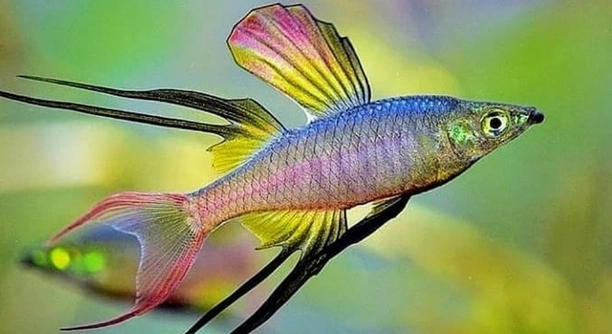
Do you ever notice your threadfins moving differently when furniture or decorations are shifted in their tank? Their behavior can change subtly, reflecting curiosity, caution, or adjustments to new surroundings around them.
Threadfins respond to rearranged decor primarily by exploring cautiously and reassessing their environment. These fish rely on visual cues and spatial memory, so changes in decor can prompt new swimming patterns, temporary hiding behaviors, and alterations in social interactions within the tank.
Observing these reactions can help you create a stable and engaging environment for your threadfins, improving both their comfort and overall well-being.
How Threadfins Explore New Spaces
When I first rearranged the plants and rocks in my tank, I noticed my threadfins immediately adjusted their swimming routes. They paused near each new object, sometimes brushing against it with their fins as if testing the texture. Over the next few days, they began exploring more confidently, weaving between the decorations and sometimes resting in new corners they had not used before. Changes in lighting or positioning can also affect their movement, encouraging them to investigate areas previously overlooked. Some threadfins even establish temporary hiding spots behind taller decorations. The key is that their behavior reflects both curiosity and caution. They are careful, but persistent, in checking their new surroundings, and these observations can tell you a lot about their comfort level. By paying attention, you can subtly guide their exploration while ensuring they remain safe. Small rearrangements can stimulate mental activity and prevent boredom, supporting healthier fish.
Exploration after decor changes is a normal response. Threadfins use new objects to map their environment and feel secure.
Watching these shifts is interesting because each fish reacts differently. Some prefer open spaces, while others linger near new objects. Understanding these patterns helps in maintaining a balanced and engaging tank setup.
Adjusting to Rearranged Decor
Threadfins may initially seem hesitant or shy after moving decorations.
Over time, their adjustment becomes clearer. Threadfins rely on memory and spatial awareness, so new decor can disrupt their familiar routes. They may swim more slowly at first, pause often, or stick close to the tank edges until they feel safe. Some fish might temporarily avoid areas with new objects, while others investigate immediately. This behavior is a natural way of assessing risk. Gradual rearrangements tend to produce less stress and encourage quicker adaptation. Introducing new items one at a time allows them to learn and interact without overwhelming their instincts. Observing their movements and responses provides insights into preferred hiding spots or swimming paths. Consistent feeding locations and gentle water flow also help them regain confidence. Over days or weeks, most threadfins resume normal swimming patterns, integrating the new decor into their routine and maintaining social behaviors. Attention to these details ensures both mental stimulation and environmental stability for your fish.
Signs of Stress in Threadfins
Threadfins may show stress after decor changes by hiding more than usual, swimming erratically, or staying near the tank edges. Recognizing these signals early can prevent long-term issues and help you adjust their environment.
Stress often appears subtly at first. Some threadfins may dart quickly between decorations, avoid open spaces, or reduce their activity levels. Loss of appetite or sudden color changes can also indicate discomfort. It’s important to observe them daily after rearranging decor. Small changes, like moving one rock or plant at a time, can help them adapt without overwhelming their instincts. Stress responses vary by individual, and some fish recover faster than others.
To ease stress, maintaining familiar landmarks like favorite hiding spots or consistent lighting can help threadfins feel secure. Gradual introduction of new objects encourages exploration without causing anxiety. Regular feeding routines and calm water movement also support their adjustment and overall well-being in the tank environment.
Encouraging Positive Interaction
Offering gentle environmental enrichment can help threadfins interact with their surroundings and reduce stress. Adding soft plants or smooth rocks provides both stimulation and security.
Positive interaction can be fostered by arranging decor in ways that create open swimming areas alongside sheltered spaces. Threadfins may explore new objects more readily when they have clear routes and comfortable hiding spots. Providing varied textures encourages natural behaviors like brushing fins against surfaces or investigating crevices. Rotating small decorations periodically keeps their environment engaging without overwhelming them. Observing their reactions allows you to tailor changes to their comfort level, promoting confidence and activity. Over time, consistent enrichment leads to a more balanced, relaxed tank where fish feel secure and curious rather than anxious. These strategies support mental stimulation while maintaining a stable habitat.
Adjusting Feeding Areas
Threadfins may take time to locate new feeding spots after decor rearrangements. Placing food consistently helps them adapt faster and maintain regular eating habits.
Consistency is key. Changing feeding locations abruptly can confuse them and cause temporary drops in appetite. Observing where they feel most comfortable eating can guide the placement of food.
Favorite Hiding Spots
Threadfins quickly identify safe spots in a new layout. Rocks, plants, and corners often become temporary shelters during adjustment periods.
Providing multiple hiding options allows each fish to choose a preferred location. This reduces stress and encourages natural behavior, giving them confidence to explore other areas over time.
Social Behavior Changes
Rearranging decor can subtly shift the social dynamics among threadfins. Some may become more dominant, while others may retreat temporarily to new hiding spaces.
These shifts are normal. Fish may establish new territories or adjust swimming routes based on available shelters and visual boundaries. Careful observation ensures interactions remain balanced and non-aggressive.
Lighting and Visibility
Lighting placement affects threadfins’ comfort and activity levels. Bright areas may be avoided initially, while shaded regions provide security.
Adjusting lighting gradually and monitoring their reactions can help threadfins feel more confident in exploring the tank without stress or hesitation.
FAQ
How long does it take for threadfins to adjust to new decor?
Adjustment varies depending on the individual fish and the extent of changes. Some threadfins adapt within a few days, while others may take one to two weeks. Gradual rearrangement and consistent feeding routines help speed up the process. Observing their behavior daily ensures they are coping well.
Why do threadfins hide more after moving decorations?
Hiding is a natural response to change. Threadfins rely on familiar landmarks to feel secure. When decorations shift, they may seek shelter to assess the new layout and feel safe. Providing multiple hiding spots allows them to explore at their own pace without stress.
Can rearranging decor cause aggression among threadfins?
Yes, it can temporarily alter social dynamics. Fish may establish new territories or assert dominance over areas near preferred hiding spots. Observing interactions and ensuring enough space and shelters helps reduce aggressive encounters and keeps the group balanced.
Should I move all decorations at once or gradually?
Gradual changes are recommended. Moving one or two objects at a time allows threadfins to adjust without feeling overwhelmed. Sudden changes can increase stress and lead to reduced activity, hiding, or feeding issues. Slow adjustments promote exploration and comfort.
How can I tell if my threadfins are stressed by new decor?
Signs of stress include hiding frequently, swimming erratically, loss of appetite, or changes in color. Some fish may cling to the tank edges or avoid open areas. Monitoring these behaviors helps you address potential issues quickly and adjust the tank setup.
Do threadfins explore new objects immediately?
It depends on their personality and confidence. Some may investigate new decorations quickly, while others take time. Offering familiar landmarks and safe zones encourages cautious exploration and reduces anxiety during the adjustment period.
Is it normal for threadfins to change swimming patterns after rearranging decorations?
Yes, changes in swimming routes are common. Fish reassess their environment, test new spaces, and develop new paths around obstacles. This behavior shows they are mapping their surroundings and gradually becoming comfortable in the altered layout.
Can rearranging decor improve mental stimulation for threadfins?
Yes, it can. Introducing new objects or altering the layout encourages natural behaviors like exploration, hiding, and territory assessment. These activities provide mental stimulation, prevent boredom, and support overall well-being in a stable, secure environment.
What types of decor are safest for threadfins?
Smooth rocks, soft plants, and rounded objects are ideal. Sharp or rough surfaces can injure fins and scales. Threadfins also benefit from varied textures and hiding spots that mimic natural environments while allowing easy swimming routes.
How often should I change or rotate decorations?
Frequent drastic changes are not necessary. Small rotations every few weeks or months provide variety and mental stimulation without causing excessive stress. Observing fish responses ensures that changes are beneficial rather than disruptive.
Can lighting affect threadfins’ adaptation to new decor?
Yes, lighting plays a role in comfort and exploration. Bright areas may be avoided initially, while shaded zones provide security. Gradual adjustments in lighting allow threadfins to feel safe while exploring new arrangements.
What should I do if threadfins refuse to eat after rearranging decor?
Temporary appetite loss is common. Keep feeding locations consistent and avoid sudden changes. Ensure hiding spots are accessible but not isolated from food. Monitoring for prolonged refusal is important, as extended stress or illness may require intervention.
Do some threadfins adjust faster than others?
Absolutely. Individual temperament and previous experience influence adaptation. Bold fish explore quickly, while shy ones take longer. Recognizing each fish’s behavior helps tailor changes and maintain a calm, balanced tank environment.
Can rearranging decor affect breeding behavior?
Yes, changes can influence spawning or nesting locations. Providing consistent hiding spots and secure territories supports natural reproductive behaviors. Avoiding sudden large-scale rearrangements during breeding periods minimizes stress and ensures stable conditions.
Is it okay to combine multiple types of decor?
Yes, mixing plants, rocks, and open swimming areas creates a balanced environment. Multiple textures and layouts cater to exploration, hiding, and social interactions, promoting natural behavior and overall health for threadfins.
How can I tell if new decor is positively affecting my threadfins?
Indicators include increased exploration, confident swimming, regular feeding, and balanced social behavior. Fish that use hiding spots appropriately and engage with new objects without excessive stress show that the changes are beneficial.
Should I observe threadfins immediately after rearranging decor or wait?
Immediate observation is important. Early signs of stress or aggression can be addressed quickly. Continuous monitoring over days or weeks ensures they are adapting properly and helps guide future adjustments for comfort and well-being.
Can water flow changes interact with new decor?
Yes, rearranging decorations can alter currents or shaded areas. Threadfins may respond by shifting swimming routes or choosing calmer spots. Maintaining consistent flow and avoiding strong turbulence near new objects supports safe and stress-free adaptation.
What’s the best approach to introduce new hiding spots?
Add them gradually and strategically near open areas. This provides security while encouraging exploration. Observing which spots are favored helps you understand their preferences and optimize tank layout for comfort and engagement.
Do threadfins remember previous tank layouts?
Yes, threadfins have spatial memory. They recognize familiar routes and landmarks, which is why changes in decor may temporarily confuse them. Gradual rearrangements respect their memory while encouraging new exploration.
How can I prevent long-term stress from decor changes?
Maintain a balance between stable landmarks and mild novelty. Consistent feeding, proper hiding spaces, and calm water conditions reduce stress. Observing individual behavior ensures each fish remains comfortable and engaged without prolonged anxiety.
Are smaller tanks more stressful for decor changes?
Yes, limited space amplifies the impact of changes. In smaller tanks, rearranging objects can quickly affect swimming routes and social dynamics. Careful placement and gradual adjustments are especially important to prevent stress in confined environments.
Can decor changes improve social interactions?
Yes, rearranging objects can create new territories, reduce overcrowding, and encourage balanced interactions. Providing multiple hiding spots and open swimming areas supports both exploration and healthy group dynamics among threadfins.
How can I support shy threadfins during changes?
Place familiar objects near new decor, maintain consistent feeding routines, and allow gradual exploration. Gentle observation without interference builds confidence and encourages gradual engagement with the altered environment.
Is it necessary to remove old decor before adding new items?
Not always. Slowly introducing new pieces alongside familiar decorations allows threadfins to compare, explore, and adapt. Removing too many objects at once can increase stress and disrupt established routines.
Do threadfins prefer natural or artificial decorations?
They respond well to both, but natural textures like smooth rocks and live or soft plants mimic their environment and provide tactile stimulation. Artificial items can add visual variety but should be safe and free of sharp edges.
How often should I monitor behavior after changing decor?
Daily observation during the first week is ideal. Note hiding frequency, swimming patterns, and feeding behavior. Weekly checks thereafter ensure they continue to adjust comfortably and maintain overall well-being.
Can rearranging decor help with inactive or bored fish?
Yes, mild changes stimulate exploration and encourage movement. Introducing safe, varied textures and hiding spots promotes natural behaviors and reduces boredom without causing excessive stress.
Is it safe to rearrange decor while fish are feeding?
Avoid moving objects during feeding. Fish are focused and may become stressed if disrupted. Making adjustments between feeding times reduces risk and allows calmer exploration once they notice the changes.
Do threadfins react differently to vertical versus horizontal changes?
Yes, vertical additions like tall plants may create new shelters, while horizontal changes like rocks shift swimming routes. Both affect exploration and territory use, and gradual adjustments help them adapt naturally.
Can sudden, large rearrangements cause long-term behavior changes?
Yes, abrupt changes may increase hiding, reduce exploration, or alter social hierarchies for extended periods. Gradual, considered adjustments minimize negative effects and promote stable, healthy behaviors in the long term.
How does water temperature interact with decor adjustments?
Temperature changes combined with decor rearrangement can increase stress. Maintaining stable conditions during and after adjustments helps threadfins feel secure and supports normal behavior and feeding patterns.
Should I document behavior changes?
Yes, noting observations helps track adaptation and identify stress signs early. Documenting responses also guides future rearrangements for safer and more effective environmental enrichment.
Can rearranging decor improve breeding conditions?
Yes, providing new shelters and varied territories encourages natural courtship and nesting behaviors. Gradual adjustments ensure fish remain comfortable, reducing stress and supporting successful reproduction.
What is the best time to rearrange decor?
During low activity periods or when fish are less active. This reduces stress and allows threadfins to explore changes calmly, gradually integrating the new layout into their routines.
Do threadfins interact with decor differently in groups versus alone?
Yes, social context matters. In groups, exploration may be faster or more cautious depending on dominant individuals. Solitary fish rely on personal comfort zones, and multiple hiding spots support individual behavior preferences.
Can rearranging decor affect water quality?
Yes, moving substrate or objects can disturb debris and alter filtration flow. Regular monitoring of water parameters after changes ensures a healthy environment while fish adapt to the new layout.
How can I make rearrangement less stressful overall?
Move objects gradually, maintain feeding routines, provide multiple hiding spots, and observe behavior. Small, thoughtful changes support comfort, encourage exploration, and minimize stress for all threadfins.
Is it beneficial to rotate decor periodically?
Yes, small rotations provide mental stimulation and prevent monotony. Observing fish preferences ensures rotations enhance exploration and confidence rather than causing confusion or stress.
Do younger threadfins adapt faster than older ones?
Typically, younger fish are more curious and adaptable. Older fish may take longer to adjust, relying on established routines and memory. Patience and gradual changes help all age groups acclimate comfortably.
How can I balance exploration with security in tank layout?
Provide open swimming areas alongside multiple hiding spots. Gradual changes and consistent landmarks allow threadfins to explore safely while maintaining a sense of security in their environment.
Can rearranging decor reduce aggression in multi-fish tanks?
Yes, adding new hiding spots and spreading out territories reduces competition and allows fish to establish individual zones. Proper spacing minimizes conflicts and supports peaceful social interactions.
What should I do if some threadfins never explore new areas?
Respect their temperament. Ensure hiding spots and feeding areas are accessible, but avoid forcing interaction. Over time, most will cautiously investigate on their own as confidence grows.
Do threadfins interact differently with live plants versus artificial ones?
Live plants often provide natural shelter and subtle water flow changes, encouraging natural behaviors. Artificial plants offer visual variety and can be used strategically, but safety and texture are key considerations for healthy interactions.
How can rearranging decor complement other enrichment efforts?
Combining mild decor changes with varied feeding routines, gentle currents, and observation encourages mental stimulation, exploration, and natural behaviors, supporting overall fish health and engagement in the tank environment.
What’s the safest way to introduce multiple new decorations?
Add one or two at a time, ensuring clear swimming paths and accessible hiding spots. Observe fish responses before adding more, maintaining gradual adjustment and reducing stress.
Can rearranging decor encourage shy threadfins to interact more?
Yes, new objects near familiar areas may entice cautious fish to explore. Gradual changes with accessible shelter build confidence while promoting engagement without forcing interaction.
How do I know if my changes are too frequent?
Signs include persistent hiding, aggression, refusal to eat, or unusual swimming patterns. Observing behavior and spacing adjustments over time helps ensure a safe balance between novelty and stability.
Is it better to plan a permanent layout or rotate often?
A stable layout with occasional small rotations works best. Too frequent changes can increase stress, while minor updates provide stimulation and encourage natural exploration without disrupting comfort.
Do threadfins react to changes in tank size with decor rearrangement?
Yes, limited space amplifies the effect of moved objects. In larger tanks, fish can explore freely, but small tanks require careful placement to maintain clear swimming routes and reduce stress.
Can rearranging decor affect feeding hierarchy?
Yes, dominant fish may claim new preferred spots near food. Multiple feeding areas and gradual changes help maintain balance and reduce competition in the tank.
Do threadfins prefer symmetry or randomness in decor?
They respond to both. Clear swimming paths with accessible shelters matter more than strict symmetry. Gradual placement adjustments allow exploration without causing stress, regardless of arrangement style.
How important is visual consistency after rearranging decor?
Maintaining familiar visual landmarks helps fish orient themselves. Consistent objects reduce stress and support confidence while new items are gradually introduced for stimulation and engagement.
Can rearranging decor improve physical health?
Yes, mild changes encourage swimming, exploration, and use of muscles during navigation. This contributes to overall fitness, mental stimulation, and natural behaviors, supporting healthy, active threadfins.
Do all threadfins respond the same way to changes?
No, individual personality, age, and previous experience affect reactions. Observing each fish helps tailor adjustments, ensuring comfort, confidence, and engagement for the entire group.
What is the main takeaway for decor rearrangement?
Gradual, thoughtful changes with consistent feeding, safe hiding spots, and careful observation encourage natural behavior, reduce stress, and support healthy adaptation for threadfins.
How often should I reassess tank layout?
Periodic checks every few weeks or months are sufficient. Observing fish interactions and behavior helps determine if further adjustments are needed to maintain comfort, stimulation, and social balance.
Are there signs that decor changes are harming fish?
Persistent hiding, aggression, refusal to eat, erratic swimming, or sudden color changes indicate stress. Immediate adjustments and providing familiar safe zones can help alleviate negative effects.
Do threadfins need time to learn new territories?
Yes, they gradually memorize swimming routes, preferred hiding spots, and areas to avoid. Allowing time for this learning process reduces stress and encourages confident exploration.
Can rearranging decor help with shy or timid individuals?
Yes, safe new objects near familiar spots encourage cautious exploration. Gradual introduction builds confidence, providing both stimulation and security for shy fish.
How do I combine new decor with breeding or social needs?
Provide multiple hiding spots and maintain consistent feeding locations. Ensure enough open swimming areas and observe interactions to prevent stress while supporting natural social and reproductive behaviors.
What should I avoid when changing tank decor?
Avoid sudden large-scale moves, sharp objects, crowded layouts, and disrupting feeding or hiding areas. Gradual, safe adjustments minimize stress and maintain healthy social dynamics.
Do threadfins prefer certain textures in new decorations?
Smooth rocks, soft plants, and rounded objects are preferred. These allow safe exploration, brushing fins, and hiding without risk of injury, supporting natural behaviors and comfort.
Can rearranging decor affect lifespan or health long-term?
If done thoughtfully, mild changes provide enrichment that promotes activity, reduces boredom, and supports mental and physical health. Abrupt or stressful adjustments, however, may negatively impact well-being if repeated frequently.
Is there a limit to how much decor can be moved at once?
Yes, moving too many objects at once can cause stress, aggression, or hiding. Gradual, incremental changes allow threadfins to adapt safely while maintaining normal behavior and routines.
How do I balance aesthetics with fish comfort?
Arrange decorations for visual appeal while ensuring clear swimming paths, safe hiding spots, and minimal disruption. Prioritize the needs of threadfins over purely decorative layouts for optimal health and behavior.
Can rearranging decor improve curiosity and activity levels?
Yes, subtle changes stimulate exploration, promote natural behaviors, and encourage physical activity. Thoughtful rearrangement supports mental engagement and helps prevent inactivity or boredom.
How do I know if a new layout is successful?
Indicators include confident swimming, regular feeding, healthy social interactions, and use of new hiding spots. Observing fish over time ensures the layout supports both comfort and stimulation.
Can rearranging decor reduce territorial disputes?
Yes, spreading out shelters and providing multiple zones helps reduce competition, supports balanced social dynamics, and decreases aggressive behavior among threadfins.
Do threadfins ever revert to old behavior after adapting?
Some may briefly revisit familiar routes or hiding spots. This is normal and indicates they retain memory while integrating new areas into their routines. Gradual changes ensure smooth transitions and confidence.
How does rearranging decor interact with water filtration?
Moved objects can alter currents or block flow. Monitoring water movement ensures proper filtration, minimizes debris buildup, and supports a safe, healthy environment during adjustments.
Is observation more important than immediate changes?
Yes, watching behavior guides safe adjustments. Understanding reactions helps tailor changes to individual needs, reducing stress and supporting exploration, feeding, and social balance.
Can decor rearrangement complement feeding enrichment?
Yes, placing food near new objects encourages exploration, mental stimulation, and natural foraging behaviors, supporting both physical and mental well-being for threadfins.
Should I involve live plants when rearranging?
Live plants offer natural shelter, subtle water flow changes, and tactile stimulation. Combining them with smooth rocks or artificial decorations provides variety while maintaining safety and comfort.
Do threadfins notice minor changes?
Yes, they are observant and sensitive to visual or spatial differences. Even small adjustments can affect behavior, exploration, or hiding patterns, so gradual changes are preferable.
Can rearranging decor help prevent boredom?
Yes, mild environmental changes encourage exploration, play, and use of new hiding spots, preventing inactivity and supporting natural behaviors and mental stimulation.
What is the best strategy for long-term decor management?
Maintain a stable layout with occasional small rotations, observe behavior, provide multiple safe zones, and combine with consistent feeding. This approach promotes comfort, stimulation, and overall well-being for threadfins.
How do I balance multiple fish preferences?
Offer a variety of hiding spots, open swimming areas, and safe routes. Observing individual preferences ensures all fish have space and comfort while encouraging natural social and exploratory behavior.
Can rearranging decor support rehabilitation of stressed fish?
Yes, introducing familiar landmarks alongside gentle changes can encourage exploration, reduce hiding, and gradually restore confidence, supporting recovery from stress or illness.
How do I prevent sudden anxiety during decor changes?
Move objects slowly, maintain familiar feeding and hiding areas, and observe reactions. Gradual adjustments and minimal disruption reduce anxiety and support confident exploration.
Is there a recommended sequence for moving decorations?
Start with small, non-critical objects, then gradually adjust larger or more central pieces. Maintain clear swimming paths and multiple hiding spots to minimize stress and encourage exploration.
Do threadfins benefit from seasonal or periodic changes?
Yes, subtle rotations or additions provide enrichment, stimulate natural behaviors, and prevent monotony. Observing responses ensures changes
Final Thoughts
Rearranging decor in a threadfin tank is more than just a way to refresh the look of the aquarium. It directly impacts the behavior, comfort, and mental stimulation of the fish. Threadfins are observant and rely on familiar landmarks to feel secure. When decorations are moved, they often pause, hide, or swim differently while they assess the changes. Some may take to exploring new objects immediately, while others prefer to stay close to familiar areas. Watching these responses can give a better understanding of individual fish personalities and preferences. Small adjustments over time help them adapt without unnecessary stress. Consistent feeding spots, safe hiding places, and clear swimming routes are key factors that ensure a smooth transition. Even minor changes, like shifting a plant or rock a few inches, can be significant for their perception of the environment. Gradual introductions of new elements are always more effective than abrupt rearrangements.
Creating a balance between stimulation and stability is essential for maintaining a healthy environment. Threadfins need mental engagement to prevent boredom, but sudden large-scale changes can increase stress or disrupt social dynamics. By observing their behavior closely, it’s possible to identify which areas of the tank are preferred for hiding, resting, or swimming. This information can guide the placement of new decorations or the rotation of existing ones. Multiple hiding spots and open swimming areas allow fish to choose what feels safest for them. Adding gentle variations in decor, such as soft plants, smooth rocks, or subtle textures, encourages exploration while still respecting their need for security. Lighting and water flow also play a role, as fish tend to prefer shaded or calmer areas during initial adjustments. Over time, these small, thoughtful changes not only reduce stress but also encourage confident and active swimming patterns.
Maintaining awareness and patience is the best approach to rearranging a tank. Threadfins adapt at different rates, and individual temperament affects how quickly they explore new objects or adjust their swimming routes. Monitoring appetite, hiding frequency, and interactions with other fish helps track their adaptation progress. Providing gradual environmental enrichment, consistent care, and safe spaces ensures they remain comfortable and engaged. Long-term benefits include more confident fish, healthier activity levels, and balanced social behaviors within the tank. While it may seem minor, rearranging decor thoughtfully is an effective way to support both the physical and mental well-being of threadfins. Taking the time to observe, adjust carefully, and provide a secure yet stimulating environment allows the fish to thrive, making the aquarium a safer and more interesting space for them.

Hello,
If you enjoy the content that we create, please consider saying a "Thank You!" by leaving a tip.
Every little bit helps us continue crafting quality advice that supports the health, happiness, and well-being of pets around the world, for pets of all shapes, sizes, and species.
We really appreciate the kindness and support that you show us!