
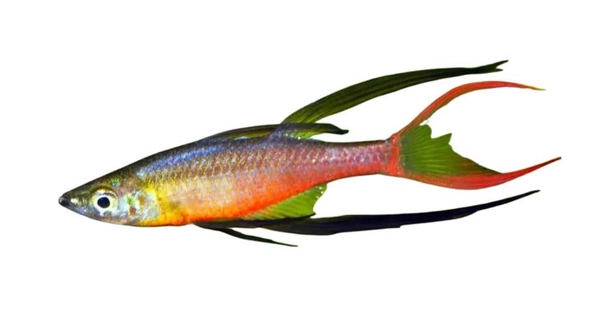
Do you enjoy keeping Threadfin Rainbowfish but notice subtle changes in their behavior over time? Observing their habits carefully can reveal early signs of stress that may affect their health and overall well-being.
Threadfin Rainbowfish exhibit stress through behavioral and physical changes, including loss of appetite, color fading, erratic swimming, clamped fins, hiding, rapid gill movement, and susceptibility to disease. Recognizing these indicators early supports prompt intervention and healthier fish.
Recognizing these signs early can prevent serious health issues and improve your fish’s environment, ensuring they thrive happily in your care.
Loss of Appetite
When your Threadfin Rainbowfish stops eating or shows reduced interest in food, it can be one of the first signs of stress. This behavior may occur due to poor water quality, sudden temperature changes, or aggressive tank mates. Even minor disruptions in their environment can make them hesitant to eat. Observing their eating habits daily helps you catch these changes early. Sometimes stress causes them to nibble less frequently or avoid certain foods they usually enjoy. Over time, prolonged lack of nutrition can weaken their immune system, making them more prone to illness. Adjusting feeding schedules, checking water parameters, and ensuring a calm environment can often help restore normal appetite. Feeding smaller amounts more frequently may encourage eating. Stress can be subtle, but appetite changes are often noticeable and should not be ignored. Healthy feeding habits reflect both physical well-being and mental comfort.
Loss of appetite is a clear stress indicator and should prompt immediate environmental checks.
Monitoring diet closely allows you to identify patterns, respond quickly, and improve your fish’s overall health and comfort in the tank.
Faded or Dull Colors
Color changes in Threadfin Rainbowfish often signal stress or poor health. Bright, vibrant colors usually indicate a well-adjusted fish, while fading or dullness can reflect environmental issues. Stress can arise from overcrowding, poor water quality, or inconsistent lighting. Observing their coloration daily helps detect early problems. Even slight changes in hue or vibrancy are important to note. Stress-related color fading is not permanent if addressed quickly, but prolonged neglect may lead to illness or increased susceptibility to disease. Factors like diet, tank mates, and water chemistry all influence pigmentation. Ensuring optimal conditions, including balanced nutrition and stable water parameters, encourages recovery. Sometimes stressed fish retreat to darker areas, further diminishing visible colors. Providing hiding spots and minimizing disturbances can restore confidence and natural coloring. The sooner fading is noticed, the more effective intervention can be.
Dull or faded colors can indicate stress or environmental imbalance in your aquarium.
Maintaining water quality, monitoring tank interactions, and offering proper nutrition can help your Threadfin Rainbowfish regain vibrant colors. Consistent care and attention to subtle changes prevent long-term health problems and improve overall well-being. Observing their environment daily and correcting any issues quickly reduces stress, promotes natural behavior, and ensures a stable, visually appealing tank. Keeping stress low supports immune function, feeding behavior, and social interactions. By addressing color changes promptly, you safeguard both physical health and the aesthetic beauty of your fish. This proactive approach also helps detect early signs of disease and allows for corrective measures before serious problems arise. Overall, attentive care fosters a calm and thriving environment for your Threadfin Rainbowfish.
Erratic Swimming
Erratic swimming, such as darting, spinning, or sudden stops, often indicates stress in Threadfin Rainbowfish. This behavior can result from poor water quality, overcrowding, or sudden changes in the tank environment. Observing patterns helps identify triggers quickly.
Erratic swimming disrupts normal behavior and increases vulnerability to injury or disease. Stress can make fish panic, collide with decorations, or become exhausted from constant motion. Sometimes new additions to the tank or aggressive tank mates cause these behaviors. Adjusting the environment, ensuring proper filtration, and separating aggressive fish can reduce stress. Monitoring water parameters, including pH, temperature, and ammonia levels, is crucial, as even small fluctuations can lead to erratic swimming. Providing plants or hiding spaces offers security and encourages calmer movement.
Consistency in feeding, tank maintenance, and monitoring social interactions can prevent repeated episodes. Erratic swimming is often reversible if underlying stressors are addressed promptly. Observing your fish closely allows early intervention, protecting health and promoting natural, steady movement.
Clamped Fins
Clamped fins occur when Threadfin Rainbowfish hold their fins close to their body, often signaling stress or illness. This behavior reduces mobility and may indicate discomfort in the tank.
Clamped fins are usually caused by poor water quality, low oxygen levels, or the presence of aggressive fish. Sudden environmental changes or inappropriate temperatures can also trigger this response. Fish with clamped fins may hide more frequently, refuse food, and show less interaction with tank mates. Observing these behaviors early helps prevent serious health issues, such as infections or weakened immune responses. Regular water testing, maintaining proper temperature, and reducing stressors can encourage fins to return to normal.
Providing a stable environment, adequate hiding spots, and consistent feeding can reverse clamping. Monitoring water quality and minimizing disturbances ensures your Threadfin Rainbowfish regain confidence and resume normal fin behavior, supporting overall health and well-being.
Hiding More Than Usual
When Threadfin Rainbowfish start hiding frequently, it often signals stress. They may retreat behind decorations, plants, or corners of the tank. This behavior usually indicates discomfort caused by environmental changes, aggressive tank mates, or poor water quality.
Frequent hiding can interfere with normal feeding and social interaction. Observing their patterns helps identify stress triggers and correct them quickly.
Rapid Gill Movement
Rapid gill movement indicates that your Threadfin Rainbowfish may be under stress or experiencing difficulty breathing. It can result from low oxygen levels, high ammonia, or sudden temperature shifts.
Monitoring water quality and maintaining stable tank conditions can reduce stress. Regular testing of oxygen, ammonia, and temperature ensures the fish remain healthy and comfortable.
Susceptibility to Disease
Stress lowers the immune system in Threadfin Rainbowfish, making them more vulnerable to illnesses like fin rot, ich, or fungal infections.
Early recognition of stress-related behaviors allows timely intervention. Treating water conditions, isolating affected fish, and providing proper nutrition helps prevent the spread of disease and restores overall health.
FAQ
What causes stress in Threadfin Rainbowfish?
Stress in Threadfin Rainbowfish is usually triggered by poor water quality, sudden temperature changes, overcrowding, aggressive tank mates, or inconsistent lighting. Even minor disturbances in their environment, such as moving decorations or changing their diet abruptly, can lead to noticeable stress behaviors. Maintaining a stable and clean tank is essential to reduce these stressors.
How can I tell if my Rainbowfish is stressed?
Signs of stress include loss of appetite, faded colors, clamped fins, erratic swimming, frequent hiding, rapid gill movement, and increased susceptibility to disease. Observing your fish daily helps identify these behaviors early, allowing you to address environmental or health issues before they worsen.
How can I reduce stress in my tank?
Ensuring proper water quality, stable temperature, and adequate space for each fish is critical. Avoid overcrowding and aggressive tank mates. Adding hiding spots, plants, and gentle filtration helps create a calm environment. Feeding a balanced diet at consistent times supports their health and reduces stress.
Is water quality really that important?
Yes, water quality is one of the most important factors in preventing stress. High ammonia, nitrite, or nitrate levels, as well as low oxygen, can directly affect fish health. Testing water parameters regularly and performing partial water changes helps maintain a safe, stable environment.
Can diet affect stress levels?
Absolutely. Poor nutrition can weaken the immune system, making fish more prone to illness and stress. Feeding a varied diet with high-quality flakes, pellets, or frozen foods ensures proper nutrients. Avoid overfeeding, which can also compromise water quality and contribute to stress.
How often should I check my Rainbowfish for signs of stress?
Daily observation is ideal. Even small changes in behavior, appetite, or coloration can indicate stress. Noting these changes early allows you to respond quickly, preventing minor problems from becoming serious health issues. Keeping a simple log can help track patterns over time.
What should I do if my fish shows multiple stress signs?
First, check water parameters and tank conditions immediately. Correct any issues with temperature, pH, or ammonia levels. Isolate aggressive fish if needed, provide hiding spots, and ensure proper feeding. Persistent stress may require consulting an aquatic veterinarian or experienced fishkeeper for further guidance.
Can stress affect reproduction in Threadfin Rainbowfish?
Yes, stressed fish may lose interest in breeding or fail to spawn successfully. Maintaining a calm, stable environment with clean water, proper nutrition, and minimal disturbances encourages healthy reproductive behavior. Stress reduction directly supports both adult health and the viability of offspring.
Do environmental changes always cause stress?
Not all changes are harmful, but sudden or drastic alterations, like moving the tank or changing multiple water parameters at once, can trigger stress. Gradual adjustments are safer and give fish time to acclimate without negative health impacts.
Are there signs of recovery from stress?
Recovery signs include returning appetite, brighter colors, normal swimming, relaxed fins, and reduced hiding. Observing these improvements indicates that environmental adjustments or interventions are working. Continuous monitoring ensures long-term health and prevents relapse into stress.
Can I prevent stress entirely?
Complete prevention is difficult, but minimizing common triggers goes a long way. Stable water conditions, proper diet, suitable tank mates, and adequate space significantly reduce the likelihood of stress, helping your Threadfin Rainbowfish thrive in their environment.
How long does it take for stressed fish to recover?
Recovery time varies depending on the cause and severity of stress. Minor issues may resolve in a few days, while prolonged or severe stress can take weeks. Continuous care, proper environment, and attentive monitoring are key to a full recovery.
Is it normal for fish to hide sometimes?
Yes, occasional hiding is normal, especially in new tanks or after minor disturbances. However, consistent hiding, loss of appetite, or clamped fins indicates stress rather than typical behavior, requiring attention to their environment and health.
Can stress cause physical deformities?
Chronic stress does not usually cause deformities, but it can lead to weakened immune systems, making fish susceptible to infections or injuries. Promptly addressing stress reduces the risk of long-term health problems and maintains their physical well-being.
What role does social interaction play in stress?
Threadfin Rainbowfish are social species, and isolation or aggressive tank mates can cause stress. Providing compatible companions in an appropriately sized group supports natural behavior, reduces stress, and promotes healthy social interactions.
How important is tank size for stress prevention?
Adequate space is critical. Overcrowding leads to competition, aggression, and poor water quality, all of which increase stress. Ensuring the tank is large enough for each fish to swim freely and establish territories is essential for their mental and physical well-being.
Can lighting affect stress levels?
Yes. Sudden changes in light intensity or prolonged exposure to very bright or very dim light can stress fish. Maintaining a consistent light cycle that mimics natural conditions helps keep Rainbowfish calm and healthy.
Should I quarantine new fish to reduce stress?
Quarantining new arrivals helps prevent disease and reduces stress on established fish. It also allows you to monitor behavior and health before introducing them to the main tank, protecting the overall environment.
Is stress reversible in Threadfin Rainbowfish?
Most stress responses are reversible if addressed promptly. Improving water quality, nutrition, tank conditions, and social environment helps restore normal behavior, appetite, and coloration. Early intervention is key to preventing long-term health issues.
What is the most common stress-related mistake fishkeepers make?
Neglecting daily observation and assuming minor behavioral changes are normal often leads to prolonged stress. Immediate attention to water quality, tank conditions, and fish behavior is crucial for maintaining a healthy, thriving environment.
This FAQ covers common questions about Threadfin Rainbowfish stress, offering practical guidance for observation, prevention, and recovery. Proper care ensures a healthier and more active aquarium environment.
Final Thoughts
Caring for Threadfin Rainbowfish requires attention to both their physical and environmental needs. Stress can manifest in subtle ways, such as loss of appetite, faded colors, erratic swimming, or clamped fins. Recognizing these signs early is essential to prevent long-term health issues. Small changes in behavior or appearance often indicate that adjustments are needed in their tank conditions, diet, or social environment. Paying close attention to these cues allows for timely intervention, which can significantly improve the fish’s overall well-being. Providing a stable, clean, and safe environment is the foundation for reducing stress and promoting natural behavior. Regular observation and maintenance of water parameters, such as temperature, pH, and ammonia levels, are essential. Overcrowding, aggressive tank mates, and sudden environmental changes can exacerbate stress, so it is important to manage the tank carefully to avoid these common issues. Simple measures like adding hiding spots, adjusting lighting, and feeding a balanced diet contribute to a calmer, healthier environment.
Stress in Threadfin Rainbowfish can also affect their immune system, making them more vulnerable to disease. Fish experiencing prolonged stress are more likely to develop infections such as fin rot, ich, or fungal growth. Maintaining optimal conditions is not only about comfort but also about preventing illness. Consistent care, including regular water changes and proper feeding routines, supports their immune system and overall health. Monitoring behavior daily allows you to catch early warning signs before they escalate into serious problems. Even subtle improvements, like returning appetite or more active swimming, indicate that your adjustments are working. Attention to both physical and environmental factors ensures that your fish remain healthy and display natural colors and behavior. A calm and well-maintained tank creates a positive atmosphere for all inhabitants, reducing stress and supporting long-term vitality.
Finally, caring for Threadfin Rainbowfish is a balance between observation and action. While minor stress may not immediately threaten their health, repeated or prolonged stress can lead to serious consequences. Understanding the common stress indicators, such as hiding, rapid gill movement, or clamped fins, helps you respond quickly and effectively. Prevention is just as important as intervention, so maintaining a stable environment, compatible tank mates, and a nutritious diet is crucial. With consistent attention and care, these fish can thrive, showing vibrant colors, active swimming, and normal social behaviors. Reducing stress not only ensures the health of individual fish but also supports the overall harmony of your aquarium. By observing their behavior, maintaining proper tank conditions, and providing a comfortable habitat, you can enjoy a lively, healthy, and visually appealing aquarium for years to come.

Hello,
If you enjoy the content that we create, please consider saying a "Thank You!" by leaving a tip.
Every little bit helps us continue crafting quality advice that supports the health, happiness, and well-being of pets around the world, for pets of all shapes, sizes, and species.
We really appreciate the kindness and support that you show us!