
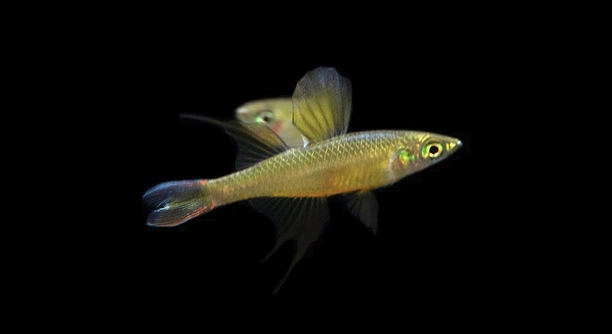
Do you ever notice your threadfin swimming differently after a minor scrape or bump in their habitat? Even small injuries can change their movement and behavior, making daily patterns seem a little off or unusual.
Minor injuries in threadfin, such as fin tears, scale loss, or mouth abrasions, can significantly influence their swimming, feeding, and social behavior. These injuries may reduce mobility, affect hunting efficiency, and alter interactions with other fish within their environment.
Observing these subtle changes can help you better care for your threadfin and maintain a healthy, balanced aquatic environment for them.
Fin Tears
Threadfin often experience fin tears from collisions with tank decorations, other fish, or sharp surfaces in their environment. Even minor rips can affect their swimming patterns, making them slower or more hesitant. Over time, these tears may impact balance and maneuverability, especially when chasing food or avoiding obstacles. Regular observation is essential to catch these injuries early. You might notice a torn fin appearing ragged or shorter than usual. Cleaning the tank properly and removing sharp objects can prevent further damage. Stress and poor water quality can also slow the healing process, so maintaining a stable environment is crucial. Healing may take a few weeks, depending on the tear’s severity and the fish’s overall health. Diet plays a role, too; providing protein-rich foods helps tissue regeneration. Keeping a close eye on fin condition ensures your threadfin remains active and healthy, avoiding long-term behavioral issues that might arise from unaddressed injuries.
Minor fin tears limit swimming efficiency and can increase vulnerability to predators. Preventing injuries improves overall health and behavioral stability.
Noticing these small tears early helps avoid bigger problems and keeps your threadfin moving confidently throughout their habitat.
Scale Loss
Scale loss in threadfin can happen due to rough handling, fights with other fish, or abrasive surfaces in the tank. Missing scales expose skin to infection and stress, which can make fish hide more or avoid social interaction. Observing changes in swimming and feeding can indicate how severe the issue is.
Scale loss disrupts normal swimming and protective mechanisms. Fish with missing scales are more prone to infections and may spend extra time in calmer areas of the tank. Consistently monitoring their behavior and environment reduces risks, and treating minor infections promptly supports recovery. Feeding high-quality foods with vitamins can speed up scale regrowth. Proper water conditions and avoiding overcrowding are also essential. Scale loss affects not just appearance but how fish interact, hunt, and move. Understanding the causes and taking proactive steps keeps threadfin healthy and minimizes behavioral changes caused by injuries. Regular inspections and gentle handling make a significant difference in preventing further scale loss and maintaining natural activity levels.
Mouth Abrasions
Mouth abrasions occur when threadfin scrape against hard surfaces while feeding or exploring. These injuries can make eating uncomfortable and slow, affecting their usual behavior in the tank.
Mouth abrasions often lead to reduced feeding efficiency. Fish may avoid certain foods or spend more time resting to recover. These injuries can also make them less competitive during feeding, especially in a community tank. Healing is usually gradual, but maintaining clean water is essential to prevent infection. Offering softer or smaller food helps minimize stress and supports recovery. Observing how they eat gives clear signs of whether the abrasions are affecting normal behavior.
In some cases, abrasions may cause subtle changes in social interactions. A fish may avoid close contact or hide more frequently. Keeping decorations smooth and monitoring feeding patterns ensures abrasions heal without long-term effects. A slight adjustment in tank setup can prevent recurrence and help maintain natural swimming and feeding routines.
Minor Eye Injuries
Minor eye injuries can result from collisions, aggressive tankmates, or sudden water movements. They may temporarily affect vision, making the fish cautious or hesitant.
Even small eye injuries can significantly influence behavior. Affected threadfin may swim slower, stay near the tank bottom, or avoid strong currents. These injuries can also reduce feeding efficiency, as impaired vision makes detecting food harder. Monitoring water quality, removing sharp objects, and providing stress-free conditions are critical for recovery. Offering live or sinking foods can help compensate for temporary vision loss, allowing them to maintain normal nutrition levels.
Healing may take time, but careful observation ensures recovery without permanent impairment. Adjusting tank layout and ensuring peaceful tankmates reduce the risk of repeated injuries. Minor eye injuries are manageable, but consistent care and attention to environmental hazards are essential to maintain normal swimming and feeding behaviors while the fish recovers.
Minor Tail Injuries
Tail injuries in threadfin often happen from collisions or aggressive tankmates. Even small nicks can make swimming less efficient and affect balance.
Damaged tails may result in slower movements and more cautious behavior. Fish may avoid fast currents or rough interactions until fully healed. Proper tank setup and gentle handling prevent further damage.
Gill Irritations
Gill irritations can occur from poor water quality, parasites, or minor physical trauma. Affected threadfin may breathe faster, show reduced activity, or avoid feeding temporarily. Maintaining clean water and monitoring for signs of infection are crucial. These injuries can impact oxygen intake and overall health, making prompt attention necessary.
Minor Body Bruises
Threadfin sometimes develop minor body bruises from bumps or territorial disputes. These bruises usually heal over time but may temporarily reduce mobility and activity. Monitoring interactions and maintaining a calm environment helps prevent further injury.
What are the most common minor injuries in threadfin?
The most common minor injuries in threadfin include fin tears, scale loss, mouth abrasions, tail injuries, gill irritations, and minor body bruises. These injuries often result from collisions with tank decorations, aggressive tankmates, or sharp surfaces in their environment. Even small injuries can affect swimming, feeding, and social behavior. Observing subtle changes in activity is essential for early detection. Proper tank maintenance and monitoring interactions between fish can significantly reduce the risk of these injuries. Maintaining clean water and a stress-free environment supports healing and overall fish health.
How can I prevent fin tears in my threadfin?
Fin tears are usually caused by sharp decorations, overcrowding, or aggressive behavior from other fish. Using smooth, rounded tank decorations and ensuring enough space between fish reduces the chance of injury. Monitoring for aggressive interactions and separating particularly hostile fish can prevent ongoing damage. Proper nutrition also supports fin regeneration, so offering protein-rich foods is helpful. Regularly inspecting fins and keeping the tank clean minimizes stress and infections, allowing damaged fins to heal more effectively. Avoiding sudden changes in water flow or currents reduces accidental rips during swimming.
What should I do if my threadfin loses scales?
Scale loss exposes the fish to infection and stress. Ensure water quality is optimal and maintain stable temperatures. Avoid overcrowding and handle the fish gently when necessary. Providing vitamin-enriched foods supports scale regrowth, while observing behavior helps detect secondary problems, such as hiding or reduced feeding. Scale loss may also indicate aggression or rough surfaces in the tank, so consider adjusting the layout to remove potential hazards. Promptly treating any signs of infection, such as redness or swelling, is essential. Over time, scales can regenerate, but a calm, safe environment is crucial for recovery.
How can mouth abrasions affect feeding?
Mouth abrasions can make eating uncomfortable, causing fish to reduce feeding or avoid certain foods. Offering softer or smaller pieces of food helps them eat without stress. Clean water and proper tank maintenance reduce the risk of infection, which could worsen discomfort. Observing feeding behavior indicates whether the injury is impacting nutrition. Slow recovery may temporarily alter social interactions, as fish avoid crowded feeding areas. Gentle handling and minimizing disturbances support faster healing. Providing high-protein foods accelerates tissue repair. Adjusting the tank environment to prevent further scraping or collisions also helps maintain natural feeding patterns.
Are minor tail injuries serious for threadfin?
Minor tail injuries usually heal over time but can temporarily affect swimming balance and efficiency. Fish may avoid fast currents or aggressive interactions while healing. Keeping decorations smooth and ensuring peaceful tankmates helps prevent repeated damage. Observing swimming patterns provides insight into the recovery process. Minor tail injuries rarely cause long-term problems if addressed quickly. Proper diet and clean water support tissue repair. Reducing stress in the tank accelerates healing and maintains normal activity levels. Monitoring the fish closely during recovery ensures they regain full mobility without further injury.
How do gill irritations affect threadfin behavior?
Gill irritations can make breathing more difficult, causing fish to breathe faster, stay near calmer areas, or reduce activity. Poor water quality or parasites often trigger these injuries. Immediate attention is necessary to prevent infection and ensure oxygen intake remains sufficient. Clean water and gentle handling reduce stress and speed recovery. Observing feeding behavior helps assess whether irritation affects nutrition. Providing a calm environment and avoiding overcrowding are essential during recovery. Minor gill injuries can resolve quickly if conditions are optimal, but neglecting care may lead to prolonged stress and weakened health.
What steps can I take if my threadfin has minor body bruises?
Minor body bruises usually heal without intervention but may temporarily reduce swimming activity and social interactions. Monitor the fish for signs of infection or unusual behavior. Reducing stress in the tank and minimizing aggressive encounters supports healing. Adjusting decorations to prevent repeated bumps is helpful. Clean water and proper nutrition accelerate recovery. Observing movement ensures bruises are not causing further problems. Avoid handling unless necessary. Over time, bruises fade, and the fish returns to normal activity levels, maintaining healthy swimming, feeding, and social behavior.
How long does it take for minor injuries to heal?
Healing time depends on the type and severity of the injury. Fin tears and minor bruises may take a few weeks, while scale loss or mouth abrasions can require slightly longer. Proper water quality, nutrition, and stress reduction accelerate recovery. Continuous monitoring ensures complications are addressed promptly. Healing is also influenced by the fish’s age and overall health, with younger, healthier threadfin recovering faster. Providing a calm environment and avoiding additional stressors, such as aggressive tankmates or rough handling, ensures injuries do not worsen. Regular observation helps gauge recovery progress and informs any necessary adjustments in care.
When should I consult a veterinarian for minor injuries?
Consult a veterinarian if injuries show signs of infection, such as redness, swelling, or abnormal behavior. Persistent loss of appetite, rapid breathing, or lethargy also warrants professional advice. Early intervention prevents complications and supports faster healing. A veterinarian can recommend treatments or medications suitable for threadfin. While many minor injuries heal with proper care, professional guidance ensures optimal recovery. Consulting a specialist is particularly important if multiple injuries occur simultaneously, if tank conditions are uncertain, or if previous minor injuries have worsened despite careful management. Prompt attention preserves long-term health and behavior.
Can diet improve recovery from minor injuries?
A balanced, protein-rich diet aids tissue repair and overall healing. Vitamin supplements, particularly those supporting skin and fin health, enhance recovery. Feeding softer foods helps fish with mouth injuries. Proper nutrition strengthens the immune system, reducing the risk of infection. Observing appetite ensures the fish receives adequate calories for repair. Adjusting portion sizes prevents stress while maintaining nutritional needs. Combining diet with clean water, calm surroundings, and minimal handling maximizes healing potential. Regularly offering high-quality foods ensures threadfin recover efficiently from fin tears, scale loss, abrasions, or bruises, returning to normal behavior more quickly.
Threadfin are delicate fish, and even minor injuries can affect their daily behavior. Fin tears, scale loss, tail injuries, mouth abrasions, gill irritations, and minor bruises may seem small, but they can change how a fish swims, feeds, and interacts with others. Observing these subtle changes is important because they are often the first signs that something is wrong. A fish that swims slower than usual, avoids strong currents, or hides more than normal may be dealing with an injury. Keeping a close eye on movement, feeding, and social behavior helps ensure that any issues are noticed early, which allows for timely care and intervention.
Proper tank maintenance plays a key role in preventing and managing minor injuries. Smooth decorations, adequate space, and a peaceful environment reduce the chances of collisions and aggressive interactions. Clean water and stable conditions also help reduce stress, which supports healing. Providing a well-balanced diet rich in protein and essential vitamins accelerates tissue repair and helps the fish recover faster. In cases like mouth abrasions or fin tears, softer or smaller food pieces can make feeding easier and less stressful. Even small adjustments, such as removing sharp surfaces or separating aggressive fish temporarily, can make a big difference in maintaining health and normal behavior.
Recovery from minor injuries takes time, and patience is important. Fish may need a few weeks to fully heal, depending on the type of injury and overall health. During this period, observing behavior and making small adjustments to the environment ensures they regain mobility, feeding efficiency, and social activity. Minor injuries are manageable with proper care, and most threadfin return to their normal patterns when conditions are supportive. By taking these steps, it is possible to minimize long-term effects, maintain a healthy aquatic environment, and help threadfin thrive despite occasional small injuries.

Hello,
If you enjoy the content that we create, please consider saying a "Thank You!" by leaving a tip.
Every little bit helps us continue crafting quality advice that supports the health, happiness, and well-being of pets around the world, for pets of all shapes, sizes, and species.
We really appreciate the kindness and support that you show us!